
Gabino Iglesias
Author of The Devil Takes You Home: A Novel
Works by Gabino Iglesias
Drinking Until Morning 1 copy
Associated Works
Tragedy Queens: Stories Inspired by Lana Del Rey & Sylvia Plath (2018) — Contributor — 17 copies, 1 review
Qualia Nous: Vol. 2 — Contributor — 2 copies
Tagged
Common Knowledge
- Birthdate
- 20th century
- Gender
- male
- Occupations
- writer
editor
teacher
book reviewer
translator - Organizations
- Crime Writers of Color
Horror Writers Association
Mystery Writers of America
National Book Critics Circle - Agent
- Jane Finigan
- Nationality
- USA
- Birthplace
- Puerto Rico
- Places of residence
- Austin, Texas, USA
- Associated Place (for map)
- Texas, USA
Members
Reviews
"Being in the presence of monsters is okay as long as you don't think too much about they're capable of. The scarier thing is when you realize what you're capable of yourself."
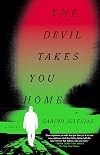
It's Day 16 of #prheritagemonthtour and today I'm sharing a horror rec that I still can't get out my mind. The Devil Takes You Home by Gabino Iglesias is a work of art like none I've ever experienced before. Iglesias manages to twist you all up in knots with gore and violence while at the same time stripping humanity show more down to the core with his beautiful sentences and insightful thoughts. Through his characters, he shows you that life is about decisions and no one person is either all good or all bad. He challenges you to rethink what a "villain" looks like. Is it actually people or is it the systems of oppression that force people to make extreme choices in order to survive?
Iglesia's ability to blend genres and play with reality adds to heightened anxiety. He brings the barrio and border to life and flips the stereotypes about them on their heads. He gives you layered, complicated characters with flaws. He challenges you to take a look at what is behind their decisions and who is responsible. He holds nothing back and puts everything on the page. You feel all the raw emotions and you experience all the graphic violence. You want to look away but his storytelling makes it almost impossible.
Horror that reflects the reality of life is my favorite. Iglesias shines in this area. He shows you who the real monsters are: capitalism, racism, broken for profit medical system, U.S. complicity in "drug wars" and collapsing economies, medical bias, poverty, religious radicalism, white supremacy, and gun violence. People are portrayed as the bad guys, but hiding behind the scenes are the real world issues that have played puppeteer and orchestrated some of the decisions made. Iglesias plays clever literary tricks with the mind through his interplay with folklore and the supernatural. Language is an added bonus. Iglesias mixes Mexican and Puerto Rican Spanish and dialect seamlessly. Every word resonated and felt familiar. Iglesias has solidified himself as a voice to be reckoned with.
I want to warn you that this one is not for the faint of heart. This one is horror at its grittiest and goriest. This is the blend of horror that bites back because the writing is so sharp. The storytelling is vivid and masterful. Iglesias has earned his place in my list of auto-buy authors. If you're looking for a deep look into the morally gray areas of life and humanity, look no further than this one. I highly recommend you pick this one up and prepare for the darkest, wildest ride of your life. show less
It's Day 16 of #prheritagemonthtour and today I'm sharing a horror rec that I still can't get out my mind. The Devil Takes You Home by Gabino Iglesias is a work of art like none I've ever experienced before. Iglesias manages to twist you all up in knots with gore and violence while at the same time stripping humanity show more down to the core with his beautiful sentences and insightful thoughts. Through his characters, he shows you that life is about decisions and no one person is either all good or all bad. He challenges you to rethink what a "villain" looks like. Is it actually people or is it the systems of oppression that force people to make extreme choices in order to survive?
Iglesia's ability to blend genres and play with reality adds to heightened anxiety. He brings the barrio and border to life and flips the stereotypes about them on their heads. He gives you layered, complicated characters with flaws. He challenges you to take a look at what is behind their decisions and who is responsible. He holds nothing back and puts everything on the page. You feel all the raw emotions and you experience all the graphic violence. You want to look away but his storytelling makes it almost impossible.
Horror that reflects the reality of life is my favorite. Iglesias shines in this area. He shows you who the real monsters are: capitalism, racism, broken for profit medical system, U.S. complicity in "drug wars" and collapsing economies, medical bias, poverty, religious radicalism, white supremacy, and gun violence. People are portrayed as the bad guys, but hiding behind the scenes are the real world issues that have played puppeteer and orchestrated some of the decisions made. Iglesias plays clever literary tricks with the mind through his interplay with folklore and the supernatural. Language is an added bonus. Iglesias mixes Mexican and Puerto Rican Spanish and dialect seamlessly. Every word resonated and felt familiar. Iglesias has solidified himself as a voice to be reckoned with.
I want to warn you that this one is not for the faint of heart. This one is horror at its grittiest and goriest. This is the blend of horror that bites back because the writing is so sharp. The storytelling is vivid and masterful. Iglesias has earned his place in my list of auto-buy authors. If you're looking for a deep look into the morally gray areas of life and humanity, look no further than this one. I highly recommend you pick this one up and prepare for the darkest, wildest ride of your life. show less
This is a noir set among hit men, drug dealers and Mexican cartels, with a very large helping of horror woven in. It's not a cheerful book, but it is a gripping and heartfelt one.
When Mario loses his family, he augments his income with a side gig as a killer for hire. When he's offered a job that pays enough for him to maybe get his wife back and start over somewhere else, he jumps on the chance. But he and his drug-addicted friend are walking into a situation they know nothing about and show more the forces at work are more than drug cartels and criminals.
This book is terrifying and emotional and scary as anything. show less
When Mario loses his family, he augments his income with a side gig as a killer for hire. When he's offered a job that pays enough for him to maybe get his wife back and start over somewhere else, he jumps on the chance. But he and his drug-addicted friend are walking into a situation they know nothing about and show more the forces at work are more than drug cartels and criminals.
This book is terrifying and emotional and scary as anything. show less
The thing about humanity is that it’s always worse than the worst you can imagine. We are base, vile creatures rutting in the muck we’ve created, our eyes looking up at a poisoned sky we’ve populated with ghosts to help us sleep at night, to allow us to come up with reasons to do the things we do.”
“It was a house that spoke of kids with no fucking chance of going to college and of angry mothers having to walk a couple of miles to the bus stop so they can go to their shitty cashier show more or cleaning jobs. Yeah, it was a busted house that was part of the country’s DNA. “
“...sometimes God is your copilot, but it’s the devil who takes you home.”
As you can tell from the sunny quotes I have included, this is a brutal novel. I like dark and gritty but this one goes places I even found perversley unsettling. The story follows Mario, a man buried in medical debt, haunted by the death of his young daughter and his subsequent divorce from his wife. He desperately takes on duties as a hitman, making hefty sums of cash, and when an opportunity comes up to make a big score, so he can leave that ugly, violent life, he takes it. Of course, it involves ripping off a Mexican cartel, so you know it isn’t going to end well. Obviously, this is not for everyone but the writing is very good and if you have the stomach for it, give it a try. show less
“It was a house that spoke of kids with no fucking chance of going to college and of angry mothers having to walk a couple of miles to the bus stop so they can go to their shitty cashier show more or cleaning jobs. Yeah, it was a busted house that was part of the country’s DNA. “
“...sometimes God is your copilot, but it’s the devil who takes you home.”
As you can tell from the sunny quotes I have included, this is a brutal novel. I like dark and gritty but this one goes places I even found perversley unsettling. The story follows Mario, a man buried in medical debt, haunted by the death of his young daughter and his subsequent divorce from his wife. He desperately takes on duties as a hitman, making hefty sums of cash, and when an opportunity comes up to make a big score, so he can leave that ugly, violent life, he takes it. Of course, it involves ripping off a Mexican cartel, so you know it isn’t going to end well. Obviously, this is not for everyone but the writing is very good and if you have the stomach for it, give it a try. show less
Despite this book's solid on paper premise and incredibly strong start that hooked me, the rest of this novel failed to impress me. I'll explain with my usual format of titles followed by what I liked mixed with what I didn't really like and so on.
ITS-A-ME, MARIO
Step in the quintessentially morally gray protagonist/first person narrator known as Mario, a Hispanic American with a troubled background, plenty of ghosts crawling on his back, and the crushing debt that comes with the skill issue show more associated with living in the American hellscape where "medical debt" is a word. In general, he's a decent character with solid motivations. He's just a long suffering man who wants to be happy with his family and stay above the water that drowns many people. But when all of this is taken through him with a devastating combination of his own actions and nothing nobody could've prevented, shit really hits the fan for him. One thing I find very grating about him is that he's just constantly stuck in his feelings in a way that initially starts as understandable and sympathethic, but becomes grating and eye roll inducing. For example, he'll just sit in a car going to some nightmare location, and just start feeling sad for himself. This is not the trait of a character I care to follow. And if you think I'm exagerating, I remember a moment in the novel where Mario insists he needs to stop thinking about dwelling in the past so he can survive the present...but immediately goes to feeling bad for himself again and again. It's really fucking annoying. The reader gets it, Mario's life is shitty, sucks, and is hard, but for the love of god, focus on something else.
DIOS MIO, MUCHO ESPANOL
It's not a bad thing to use one's native language or the languages of others in a predominately english novel. It's a great way to spice up a novel and reflect how the characters would actually speak and interact with one another and their enviroment. However, the gratitious use of spanish in place of english hurts this novel a lot. There were many periods where I had to just kinda guesstimate or use an online translator to understand what the hell the characters were talking about. I'm not a person who uses audiobooks often, but I could imagine this being even worse with that format.
THE SPOOKUM ISSUES
When it comes to supernatural elements, I'm of the somewhat controversial sort that belives if you involve them as elements in a work, they should have a massive or even pivotal impact on the plot, characters, and etc. However, this novel does that thing I fucking hated where there were obviously supernatural (and not the maybe mundane/maybe magical trope I can dig) felt like there were added for kicks and added not much to the plot. Most of the major, overt supernatural events in this story could be cut from this novel, and nothing would change. For example, there is an scene in the novel where the main trio are driving through a tunnel to smuggle themselves into Mexico. They are set upon by horrible troglodyte things they end up quickly dispatched with conventional firearms. When this scene ended, I wasn't impressed. It felt more like a weird spooky thing that just happened rather than something that was interesting, scary, or had me asking questions. Another example is when a character named Brian tells a good but ultimately meaningless story about a friend of a friend who hunted down some monster that was living in a rural barn and eating livestock. Maybe I'm missing the point. Maybe I'm just being picky. Or maybe I think the this novel would be better more if it leaned more in the mundane psychological horror it already had going for it.
SOME POSSIBLE UNINTENTIONAL IRONY BASED ON FUNKY POLITICS
Now for the final bit of my review. Fair warning, heavy spoilers for the entire novel will follow.
Throughout the story, our protagonists, Mario and Juanca, are constantly going on about the struggles of being Hispanic Americans in a rather shitty, racist political climate. (Pretty sure it's post or mid 2016 because Trump is alluded to.) You know, being unfairly judged for their brown skin and their circumstances. Just ignore the little detail that where Mario is working with Juanca, an incredibly short tempered, manipulative, and violent sociopath with cartel affiliations who literally has “hood” and “made” tattooed over his eyebrows. You know, like something out of a white supremacist's most paranoid fever dreams. The third and final protagonist of the trio is Brian, a white man who’s addicted to meth but wants to get clean for his upcoming child and wife, Stephanie. During the actual heist that’s the focal part of the entire novel, Mario shot Brian in the back with a headshot. This is because Juanca manipulated Mario before the heist by convincing him that Brian was “greedy” and a “useless junkie gringo.” I know characters are allowed to make stupid choices and say even stupider things when in stressful situations, but come the fuck on, man. It's almost comedic in a dark comedy way how straight up untrustworthy and conniving Juanca is, a fact that Mario is textually well aware of on more than a few occassions. To nobody's surprised, it’s revealed that Juanca and Stephanie and possibly even Juanca's mother were in cahoots the entire time to kill Brian, shoot Mario, and take his cut of the heist money, leaving him to bleed out and die in Stephanie’s home at the end. Now, if the author was making a poignant statement on how self serving monsters can use your own genuine victimization, in group biases, and financial desperation to divide and conquer to enrich themselves, that would be an very interesting thing he did there. I would actually love a sorely needed message like that in times like these. But if the author wasn’t intending this conclusion I came upon, bro I dunno lmao.
All in all, this novel is something you can skip or read, especially if you can read spanish. I imagine somebody fluent in spanish would get a more enriching experience from this because there are still some devastatingly beautiful passages/vibes, meditations on the darkness of humanity, and grotesque scenes of the more mundane evil THAT MEN DO. show less
ITS-A-ME, MARIO
Step in the quintessentially morally gray protagonist/first person narrator known as Mario, a Hispanic American with a troubled background, plenty of ghosts crawling on his back, and the crushing debt that comes with the skill issue show more associated with living in the American hellscape where "medical debt" is a word. In general, he's a decent character with solid motivations. He's just a long suffering man who wants to be happy with his family and stay above the water that drowns many people. But when all of this is taken through him with a devastating combination of his own actions and nothing nobody could've prevented, shit really hits the fan for him. One thing I find very grating about him is that he's just constantly stuck in his feelings in a way that initially starts as understandable and sympathethic, but becomes grating and eye roll inducing. For example, he'll just sit in a car going to some nightmare location, and just start feeling sad for himself. This is not the trait of a character I care to follow. And if you think I'm exagerating, I remember a moment in the novel where Mario insists he needs to stop thinking about dwelling in the past so he can survive the present...but immediately goes to feeling bad for himself again and again. It's really fucking annoying. The reader gets it, Mario's life is shitty, sucks, and is hard, but for the love of god, focus on something else.
DIOS MIO, MUCHO ESPANOL
It's not a bad thing to use one's native language or the languages of others in a predominately english novel. It's a great way to spice up a novel and reflect how the characters would actually speak and interact with one another and their enviroment. However, the gratitious use of spanish in place of english hurts this novel a lot. There were many periods where I had to just kinda guesstimate or use an online translator to understand what the hell the characters were talking about. I'm not a person who uses audiobooks often, but I could imagine this being even worse with that format.
THE SPOOKUM ISSUES
When it comes to supernatural elements, I'm of the somewhat controversial sort that belives if you involve them as elements in a work, they should have a massive or even pivotal impact on the plot, characters, and etc. However, this novel does that thing I fucking hated where there were obviously supernatural (and not the maybe mundane/maybe magical trope I can dig) felt like there were added for kicks and added not much to the plot. Most of the major, overt supernatural events in this story could be cut from this novel, and nothing would change. For example, there is an scene in the novel where the main trio are driving through a tunnel to smuggle themselves into Mexico. They are set upon by horrible troglodyte things they end up quickly dispatched with conventional firearms. When this scene ended, I wasn't impressed. It felt more like a weird spooky thing that just happened rather than something that was interesting, scary, or had me asking questions. Another example is when a character named Brian tells a good but ultimately meaningless story about a friend of a friend who hunted down some monster that was living in a rural barn and eating livestock. Maybe I'm missing the point. Maybe I'm just being picky. Or maybe I think the this novel would be better more if it leaned more in the mundane psychological horror it already had going for it.
SOME POSSIBLE UNINTENTIONAL IRONY BASED ON FUNKY POLITICS
Now for the final bit of my review. Fair warning, heavy spoilers for the entire novel will follow.
All in all, this novel is something you can skip or read, especially if you can read spanish. I imagine somebody fluent in spanish would get a more enriching experience from this because there are still some devastatingly beautiful passages/vibes, meditations on the darkness of humanity, and grotesque scenes of the more mundane evil THAT MEN DO. show less
Lists
Awards


You May Also Like


Associated Authors
Statistics
- Works
- 13
- Also by
- 27
- Members
- 1,244
- Popularity
- #20,622
- Rating
- 3.8
- Reviews
- 44
- ISBNs
- 44
- Languages
- 2
- Favorited
- 2