
Judy Goldman
Author of The Slow Way Back: A Novel
About the Author
Image credit: via Jewish Book Council
Works by Judy Goldman
En la oscuridad / In The Darkness (Buenas noches) Spanish Edition (Buenas Noches/ Goodnight) (2017) 2 copies
Dos leyendas aztecas: Los huesos sagrados y El nuevo sol (El Barco de Vapor Azul) (Spanish Edition) (2015) 1 copy
¡Es Día de Vivos! (En Inglés y Español) / It´s the Day of the Living! (In English and Spanish) - Bilingual Book (2024) 1 copy
Sarape y Paliacate 1 copy
Vamos a comer… Flores 1 copy
Associated Works
Tagged
Common Knowledge
Members
Reviews
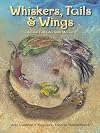
I should really stop checking out folktales, especially collections, since I have completed my reorganization of the Tales neighborhood and vowed to purchase no more fairy tales or folktales for, well, probably a couple years at least. But I just can't resist them.
This is a collection of five animal folktales from Mexico, but it's much, much more than just a folktale collection. It opens with a brief introduction to Mexico, mainly an explanation of its indigenous peoples and its history of show more folklore. There is also a map, showing where the five stories come from. The first story, "When Senor Grillo met Senor Puma" pits a clever grillo (cricket) against a hot-tempered Puma. The story has a full-page illustration of a puma and a cricket and the story itself is three pages long. It's followed by several pages explaining the culture of the Tarahumara, the indigenous group the folktale comes from, as well as the geography of where they live and how the folktale fits into their lives. The final pages include a glossary for the story and the nonfiction portion.
Each of the folktales follows this pattern. The stories include a Seri tale, "Mosni's Search" a creation myth about a determined turtle, and the following information includes how sea turtles are a part of Seri culture. A Huichol Tale, "Tlacuache's Tail" about the coming of fire, while the cultural information focuses on the significance of opossums and some of the rituals of the Huichol people. The Triqui Tale, "Ouch!" is probably the funniest - it's about how fleas were invented to keep people from being lazy. The following information has a lot of fascinating discussions of the importance of weaving and cloth to the Triqui culture. The last story, "Pokok up high" is a Tseltal tale, and has a familiar ring - it's about a frog who wants to fly, convinces a bird to give him a ride, but it doesn't end so well. The information about the Tseltals covers many different aspects of their culture, from their fiestas to their connection with the land.
There is a brief conclusion celebrating the importance of folktales. Further information for the book includes a detailed bibliography, web resources, multiple sources for each of the tales, and an index.
Verdict: This is an amazing resource. It has to be the best-researched folktale collection I've seen in years, not to mention the stories are retold beautifully, the art is brilliant, and it offers unique stories that are accessible (yes, weird fairy tales are fun, but they're not very easy to circulate). It would be an amazing resource for any kind of cultural of folktale study and a great selection for older kids who like folktales. Unfortunately, I just don't have an audience for it in my library - longer collections like this are almost impossible to circulate and I don't get asked for Mexican folktales at all. I'm happy that it's available in my consortium though!
ISBN: 9781580893725; Published 2013 by Charlesbridge; Borrowed from another library in my consortium show less
This is a collection of five animal folktales from Mexico, but it's much, much more than just a folktale collection. It opens with a brief introduction to Mexico, mainly an explanation of its indigenous peoples and its history of show more folklore. There is also a map, showing where the five stories come from. The first story, "When Senor Grillo met Senor Puma" pits a clever grillo (cricket) against a hot-tempered Puma. The story has a full-page illustration of a puma and a cricket and the story itself is three pages long. It's followed by several pages explaining the culture of the Tarahumara, the indigenous group the folktale comes from, as well as the geography of where they live and how the folktale fits into their lives. The final pages include a glossary for the story and the nonfiction portion.
Each of the folktales follows this pattern. The stories include a Seri tale, "Mosni's Search" a creation myth about a determined turtle, and the following information includes how sea turtles are a part of Seri culture. A Huichol Tale, "Tlacuache's Tail" about the coming of fire, while the cultural information focuses on the significance of opossums and some of the rituals of the Huichol people. The Triqui Tale, "Ouch!" is probably the funniest - it's about how fleas were invented to keep people from being lazy. The following information has a lot of fascinating discussions of the importance of weaving and cloth to the Triqui culture. The last story, "Pokok up high" is a Tseltal tale, and has a familiar ring - it's about a frog who wants to fly, convinces a bird to give him a ride, but it doesn't end so well. The information about the Tseltals covers many different aspects of their culture, from their fiestas to their connection with the land.
There is a brief conclusion celebrating the importance of folktales. Further information for the book includes a detailed bibliography, web resources, multiple sources for each of the tales, and an index.
Verdict: This is an amazing resource. It has to be the best-researched folktale collection I've seen in years, not to mention the stories are retold beautifully, the art is brilliant, and it offers unique stories that are accessible (yes, weird fairy tales are fun, but they're not very easy to circulate). It would be an amazing resource for any kind of cultural of folktale study and a great selection for older kids who like folktales. Unfortunately, I just don't have an audience for it in my library - longer collections like this are almost impossible to circulate and I don't get asked for Mexican folktales at all. I'm happy that it's available in my consortium though!
ISBN: 9781580893725; Published 2013 by Charlesbridge; Borrowed from another library in my consortium show less

Together with her beloved Tío Urbano, Lupita looked forward to the return of the monarch butterflies every year - those gossamer-winged beauties which were, according to her uncle, the souls of departed loved ones - whose arrival heralded the coming of Día de Muertos - the Day of the Dead. One of the most important holidays in the Mexican year, Día de Muertos was a day to remember family members who had died, to celebrate their lives, and to care for their graves. When frail Tío Urbano show more dies, just days before the celebration, Lupita finds extra meaning in the day...
Mexican author Judy Goldman, who has published a number of children's books in Spanish, weaves together family tale and holiday story in Uncle Monarch And the Day of the Dead, which had me tearing up on my train-ride this morning. The accompanying color pencil illustrations by René King Moreno have a beautiful, impressionistic quality to them, perfectly capturing the beauty of the monarchs, and the warm affection between Lupita and Tío Urbano. An excellent book, both to introduce Día de Muertos to young readers, and to address the topic of the death of a loved one, this is one I highly recommend! show less
Mexican author Judy Goldman, who has published a number of children's books in Spanish, weaves together family tale and holiday story in Uncle Monarch And the Day of the Dead, which had me tearing up on my train-ride this morning. The accompanying color pencil illustrations by René King Moreno have a beautiful, impressionistic quality to them, perfectly capturing the beauty of the monarchs, and the warm affection between Lupita and Tío Urbano. An excellent book, both to introduce Día de Muertos to young readers, and to address the topic of the death of a loved one, this is one I highly recommend! show less
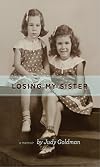
The sibling relationship is a very special one. It can be contentious or loving and is frequently both. Your siblings know you in ways that no one else in your life does. They share your history and know many of your secrets even if you've never told them. Sisters definitely share a powerful bond. A sister, in many ways, is a reflection of who we are, our nearest family, our closest ally and our bitterest enemy. Only someone so important in our lives could drive us to such extremes of show more feeling. Only a sister. But when you lose your sister, you lose a large part of who you are. You are never you in relation to your sister ever again and you have to carry your memories and your shared past alone no matter that past was whether it was idyllic, horrific, or just your garden variety sister relationship. In Losing My Sister, Judy Goldman explores every facet of her relationship with her older sister, Barbara, from childhood to adulthood including her feelings at watching Barbara fight breast cancer for years and her stunned feelings of loss when Barbara loses the battle.
A lovely and loving relationship memoir, Goldman weaves her happy childhood memories growing up with Barbara in with the struggles they faced in their adult relationship. As children, the sisters were very close and each happily played the role the family expected of her. Judy was always the sweet, subservient sister who appreciated her older sister's protectiveness. Barbara was the more assertive sister who sheltered her younger sister. And as children, there was never any reason to push the boundaries of these roles. But as adults, Judy no longer wanted to give Barbara charge of her life, choosing her own way as a wife and mother. This abrupt rewriting of their understood relationship with its implied judgment and competition led to tension, hurt feelings, arguments, and estrangements over the years. But Goldman is scrupulously honest when looking at the reasons she and her sister fall out, examining her own culpability and the possible ways in which she contributed to the ongoing rifts.
If she chronicles the ways that a sister relationship can break down, she also chronicles the depth of love that always rescues it. No matter what memories Goldman shares with the reader, it is clear that her love for Barbara shines through. And her shock and grief at the news that Barbara's cancer is terminal is profound. In this memoir looking back at her relationship with her beloved older sister, Goldman writes with a reflective honesty and a touching poignancy. Because she is a poet, Goldman includes some poetry that speaks to the complex and multi-faceted relationship she had with her sister. The non-chronological narration might give some readers pause, especially when the sisters are not speaking to each other and there's a time jump backwards or forwards. And while the devastation of losing a sister is clearly overwhelming, there's a bit of a tendency for Goldman to take on more of the blame for their feuds than is probably merited but that's a common enough tendency after the death of a loved one, to canonize them to some degree. Over all though, this is a well-written and introspective look at the connection of family, the universality of relationship, and the ways in which we break away (or don't) from the long-ingrained expectation of who we are, especially in relation to our siblings. show less
A lovely and loving relationship memoir, Goldman weaves her happy childhood memories growing up with Barbara in with the struggles they faced in their adult relationship. As children, the sisters were very close and each happily played the role the family expected of her. Judy was always the sweet, subservient sister who appreciated her older sister's protectiveness. Barbara was the more assertive sister who sheltered her younger sister. And as children, there was never any reason to push the boundaries of these roles. But as adults, Judy no longer wanted to give Barbara charge of her life, choosing her own way as a wife and mother. This abrupt rewriting of their understood relationship with its implied judgment and competition led to tension, hurt feelings, arguments, and estrangements over the years. But Goldman is scrupulously honest when looking at the reasons she and her sister fall out, examining her own culpability and the possible ways in which she contributed to the ongoing rifts.
If she chronicles the ways that a sister relationship can break down, she also chronicles the depth of love that always rescues it. No matter what memories Goldman shares with the reader, it is clear that her love for Barbara shines through. And her shock and grief at the news that Barbara's cancer is terminal is profound. In this memoir looking back at her relationship with her beloved older sister, Goldman writes with a reflective honesty and a touching poignancy. Because she is a poet, Goldman includes some poetry that speaks to the complex and multi-faceted relationship she had with her sister. The non-chronological narration might give some readers pause, especially when the sisters are not speaking to each other and there's a time jump backwards or forwards. And while the devastation of losing a sister is clearly overwhelming, there's a bit of a tendency for Goldman to take on more of the blame for their feuds than is probably merited but that's a common enough tendency after the death of a loved one, to canonize them to some degree. Over all though, this is a well-written and introspective look at the connection of family, the universality of relationship, and the ways in which we break away (or don't) from the long-ingrained expectation of who we are, especially in relation to our siblings. show less
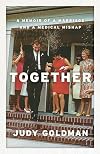
Henry (an optometrist) and Judy Goldman (a poet and novelist), live in Charlotte, North Carolina. Because Henry suffered for years from debilitating back pain, in 2006, he visited a doctor who gave him two epidural injections of steroids and an anesthetic to help alleviate his discomfort. He was supposed to go home the same day. Instead, Henry developed alarming symptoms—numbness, then paralysis. One day, Henry was functioning, and the next, he was unable to perform routine tasks by show more himself. This was the start of a torturous journey for both of them. Judy wrote everything down as it occurred, hoping that having the facts at hand would be of help going forward. In her memoir "Together," Goldman describes how this "medical mishap" changed their lives.
Interspersed with Judy's account of Henry's ordeal are flashbacks to earlier times. We meet the pair when they were dating, newlyweds, proud parents and, eventually, doting grandparents. They expected that, after retirement, they would have time to take lovely vacations and enjoy leisurely visits with their children and grandchildren. They did not anticipate having to cope with a chronic condition that would rob Henry of his independence and thrust Judy into the role of caregiver and patient advocate.
"Together" is a heartfelt and sobering work of non-fiction that teaches us to take nothing for granted. Even routine procedures can have unanticipated consequences. Judy and Henry's experiences illustrate that, while there are many compassionate and capable doctors and nurses who do fine work, some practitioners are too exhausted, irritable, and/or unskilled to provide top-quality care. Judy had to be patient and emotionally and physically resilient to deal with the challenges that she and Henry faced. Although it wasn't easy, the Goldmans remained united in their determination to carry on as normally as possible. This memoir is a lyrical, intimate, touching, and ultimately hopeful look at the evolution of a marriage. After everything that they endured, Judy and Henry still feel lucky to have one another. show less
Interspersed with Judy's account of Henry's ordeal are flashbacks to earlier times. We meet the pair when they were dating, newlyweds, proud parents and, eventually, doting grandparents. They expected that, after retirement, they would have time to take lovely vacations and enjoy leisurely visits with their children and grandchildren. They did not anticipate having to cope with a chronic condition that would rob Henry of his independence and thrust Judy into the role of caregiver and patient advocate.
"Together" is a heartfelt and sobering work of non-fiction that teaches us to take nothing for granted. Even routine procedures can have unanticipated consequences. Judy and Henry's experiences illustrate that, while there are many compassionate and capable doctors and nurses who do fine work, some practitioners are too exhausted, irritable, and/or unskilled to provide top-quality care. Judy had to be patient and emotionally and physically resilient to deal with the challenges that she and Henry faced. Although it wasn't easy, the Goldmans remained united in their determination to carry on as normally as possible. This memoir is a lyrical, intimate, touching, and ultimately hopeful look at the evolution of a marriage. After everything that they endured, Judy and Henry still feel lucky to have one another. show less
Lists
Youth: Holidays (1)
4th Grade Books (1)
Awards


You May Also Like


Associated Authors
Statistics
- Works
- 35
- Also by
- 1
- Members
- 471
- Popularity
- #52,266
- Rating
- 3.5
- Reviews
- 20
- ISBNs
- 59
- Languages
- 3