
Jaye Robin Brown
Author of Georgia Peaches and Other Forbidden Fruit
Works by Jaye Robin Brown
Sing to the Wind 1 copy
Associated Works
Our Stories, Our Voices: 21 YA Authors Get Real About Injustice, Empowerment, and Growing Up Female in America (2018) — Contributor — 169 copies, 1 review
Tagged
Common Knowledge
- Gender
- female
- Occupations
- jeweler
mediator
art teacher - Nationality
- USA
- Places of residence
- Alabama, USA
Atlanta, Georgia, USA
Asheville, North Carolina, USA
Boston, Massachusetts, USA - Associated Place (for map)
- USA
Members
Reviews

this is utterly charming. it's cute, without being too cute. there are the usual predictable misunderstandings and such (although one that i thought was obviously going to happen didn't), but it's not overly done or drawn out and it all felt actually pretty realistic. the teenagers felt realistic, too - some drank, some had sex, some lied to their parents, some did some of those things, some did none of those things. i loved kat's exploration of her sexuality, i loved that lou walked away show more the second she learned that kat was still in high school, (i loved that kat was 18 so it was never a statutory question, thank you jaye robin brown,) i loved that it ended with just their first kiss and an agreement to explore their options, not some declaration of forever or something .
i had just spent the olympics making fun of dressage, so it serves me right that one of the main characters here was an olympic dressage hopeful. although there isn't much actual horse stuff in the book; it's very background.
adorable and fun all the way around, with excellent secondary characters that prop up the whole thing. plus queerness all over the place. well done. show less
i had just spent the olympics making fun of dressage, so it serves me right that one of the main characters here was an olympic dressage hopeful. although there isn't much actual horse stuff in the book; it's very background.
adorable and fun all the way around, with excellent secondary characters that prop up the whole thing. plus queerness all over the place. well done. show less
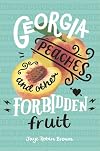
Usually I wouldn't go for a book about a Christian teen because I wouldn't be able to relate, having never been Christian, but this book surprised me. Johanna is a charming character who sure, hangs out with the alternative crowd and dresses like it, but also has her Southern charm side. In some ways this book is her discovering who she is without the baggage of how she's gotten comfortable and defensive, but in other ways this is a story about learning that being yourself means not needing show more to compromise too much for any group you might be around. It's a complex story in that yeah, it involves going back into the closet for a while, which is never good, or comfortable. As a bisexual person who is often just assumed to be straight, I get that clawing out of the closet repeatedly is not something anyone wants to do. It's also just not right to ask anyone to do it for you. But at the same time, for Johanna some good came out of being a little less out for a while. This is a sweet little teen romance that I really got caught up in. It really helped me when reading the religiously motivated parts of the plot to hear Johanna herself refer to the Christian deity as a feminine, as a goddess, from time to time, though the rest of the religious plot didn't have as much impact on me because I just don't understand Christianity the same way as someone who was faithful once. I do understand the impact of being southern and a little alternative and all the cultural strife that comes with that and I think the author really got it. Around here a lot of people will talk down to you and treat you badly, but there are niches of the right people who will recognize that you're alright, you just have to find them. So, overall, cute teen coming of age romance. show less
It's Jo's senior year of high school, and she's in for a sudden change. Her father is on Wife No. 3 (or "Three," as Jo unaffectionately nicknames her), and the family is moving from big-city, gay-friendly Atlanta to smaller-town, homophobic Rome, Georgia. Jo can say goodbye to her life as an out lesbian; her father requests that she please "take it easy." Translation: Pretend to be straight. In his words, "Not be quite so in-your-face" (p. 14). He promises it will make life easier for show more everyone. Easier for Jo, because she won't face homophobic bullying. Easier for her father, who, as an evangelical radio pastor, won't have to face the shame drama of having a lesbian as a child. Rome is "where queer girls go to die" (p. 2).
Great premise for a book, no? The comedic tales of a slightly goth, very "alternative" openly lesbian teenager forced to play a heterosexual. A femmed-up girl with the right clothes, hair, and makeup. Well, it's not really comedic. And, as expected, it's thoroughly painful. Especially when Jo falls for a seemingly straight girl (who is obviously a lesbian). What should she do? She's promised her father. And, what's more, she's banking her hopes on building a radio show for Christian youth, and she wants to establish an audience before dropping the bomb that she's a lesbian.
Lots of drama, but no emotional turmoil. Jo has dilemmas, but her feelings feel flat, if at all existent. She's supposedly in love, but does she even care? She "tosses and turns" over her predicament, but it's hard to believe she has any deep romantic feelings.
And that's not all that rings false in the novel. Supposedly, Jo was easily, comfortably out at her old high school, but I don't buy it, because she does such a good job of staying closeted in Rome. She doesn't slip up about pronouns or crushes or when they're talking about boys. She fits in so easily with a group of popular Christian girls, I can't believe she was ever a goth. She used to have lots of friends in the "queer" scene but she's only ever mentioned one, her friend Dana (a "playah" who it seems consciously models her lifestyle after Shane of The L Word), until p. 362, when she suddenly has "a group of friends from my old school."
Jo claims that her father was absolutely 100% OK with her being a lesbian — it wasn't a big deal at all when she came out — but I'm not convinced.
As a minister, he's one of the "good guys" — the representatives of the Baptist Church who give hope to lesbian couples, who make gay people and their allies feel there is a place for same-sex love in their religion. And yet, "The ministry isn't ready to be so definitive in its stand on issues of sexuality" (p. 334). Definitive being, You're not going to hell, maybe? What is his acceptance, if his approach is (as it seems to be) simply ignoring the existing of gays and lesbians? Don't ask, don't tell. Don't bring it up, and all will be well. He literally describes her past (i.e., out) self as "defensive," and says he "likes [Jo] like this." Straight-acting, dressed and made up like a "normal" girl. He says, "Maybe our new community has strengthened you in ways you could never experience while hanging out with Dana" (p. 357).
He's forcing her to lie about being gay, and he never once seems to consider her feelings. When he reflects, it's all about himself: "I don't want to be the man, or father, you painted a picture of" (p. 346). Notably not: "I don't want to hurt you."
Her new stepmother, Three, is no better. Here's her wishy-washy words of "support": "Is it a sin? I can't answer with a yes or no" (p. 317). Yes, they're truly at the front in the battle against homophobia.
A recurring theme throughout the novel is Jo's commitment to her faith and how she feels torn between her lesbian identity and her Christianity. She doesn't want to be ostracized by the "queer" kids for her love for Jesus; she doesn't want to fake-date boys around her Christian peers. But what faith? Jo doesn't talk about God, beyond a brief musing on the possibility of God being female there are zero specifics on what she believes, and so it's hard to see what this supposedly important element of her life actually means to her. Her radio show, though meant to speak to Christian youth, is so vague you can hardly tell it's supposed to be religious:
Holidays? Season? Wouldn't a teen so committed to Jesus talk about Christmas? Literally anyone could host a radio show about treasuring one's friends and family. Where's the Christian — much less Baptist — angle?
So, ultimately, the novel felt incomplete. It would be a promising rough draft (even though I do, to be honest, hate the pretend-to-be-straight premise). But as a published book, it's lacking. The characters need to be fleshed out. There needs to be emotional depth. I'd like to see a deeper exploration of what internalized homophobia looks like, even in a lesbian who thinks she's got it all figured out. What homophobia looks like, beyond sermons of fire and brimstone. I'd like to see a more coherent character, a girl who visibly transitions from her life in Atlanta to her new life in Rome — and I don't mean the haircut and clothes, which is all you see here. I want to see Jo's frustration and anger, her joy in love. show less
Great premise for a book, no? The comedic tales of a slightly goth, very "alternative" openly lesbian teenager forced to play a heterosexual. A femmed-up girl with the right clothes, hair, and makeup. Well, it's not really comedic. And, as expected, it's thoroughly painful. Especially when Jo falls for a seemingly straight girl (who is obviously a lesbian). What should she do? She's promised her father. And, what's more, she's banking her hopes on building a radio show for Christian youth, and she wants to establish an audience before dropping the bomb that she's a lesbian.
Lots of drama, but no emotional turmoil. Jo has dilemmas, but her feelings feel flat, if at all existent. She's supposedly in love, but does she even care? She "tosses and turns" over her predicament, but it's hard to believe she has any deep romantic feelings.
And that's not all that rings false in the novel. Supposedly, Jo was easily, comfortably out at her old high school, but I don't buy it, because she does such a good job of staying closeted in Rome. She doesn't slip up about pronouns or crushes or when they're talking about boys. She fits in so easily with a group of popular Christian girls, I can't believe she was ever a goth. She used to have lots of friends in the "queer" scene but she's only ever mentioned one, her friend Dana (a "playah" who it seems consciously models her lifestyle after Shane of The L Word), until p. 362, when she suddenly has "a group of friends from my old school."
Jo claims that her father was absolutely 100% OK with her being a lesbian — it wasn't a big deal at all when she came out — but I'm not convinced.
My dad was already preaching sermons about tolerance and acceptance and all God's children long before I was even old enough to know what sexual attraction was, so coming out for me was a nonissue. It was pretty much 'Dad, I like girls' over dinner and him asking if I was sure and when I said yes, him telling me he loved me no matter what. (p. 263)
As a minister, he's one of the "good guys" — the representatives of the Baptist Church who give hope to lesbian couples, who make gay people and their allies feel there is a place for same-sex love in their religion. And yet, "The ministry isn't ready to be so definitive in its stand on issues of sexuality" (p. 334). Definitive being, You're not going to hell, maybe? What is his acceptance, if his approach is (as it seems to be) simply ignoring the existing of gays and lesbians? Don't ask, don't tell. Don't bring it up, and all will be well. He literally describes her past (i.e., out) self as "defensive," and says he "likes [Jo] like this." Straight-acting, dressed and made up like a "normal" girl. He says, "Maybe our new community has strengthened you in ways you could never experience while hanging out with Dana" (p. 357).
He's forcing her to lie about being gay, and he never once seems to consider her feelings. When he reflects, it's all about himself: "I don't want to be the man, or father, you painted a picture of" (p. 346). Notably not: "I don't want to hurt you."
Her new stepmother, Three, is no better. Here's her wishy-washy words of "support": "Is it a sin? I can't answer with a yes or no" (p. 317). Yes, they're truly at the front in the battle against homophobia.
A recurring theme throughout the novel is Jo's commitment to her faith and how she feels torn between her lesbian identity and her Christianity. She doesn't want to be ostracized by the "queer" kids for her love for Jesus; she doesn't want to fake-date boys around her Christian peers. But what faith? Jo doesn't talk about God, beyond a brief musing on the possibility of God being female there are zero specifics on what she believes, and so it's hard to see what this supposedly important element of her life actually means to her. Her radio show, though meant to speak to Christian youth, is so vague you can hardly tell it's supposed to be religious:
I wait a beat and then jump into our prepared talk about the holidays and consumerism and how really the season should be about holding those who are near to us dear." (p. 398)
Holidays? Season? Wouldn't a teen so committed to Jesus talk about Christmas? Literally anyone could host a radio show about treasuring one's friends and family. Where's the Christian — much less Baptist — angle?
So, ultimately, the novel felt incomplete. It would be a promising rough draft (even though I do, to be honest, hate the pretend-to-be-straight premise). But as a published book, it's lacking. The characters need to be fleshed out. There needs to be emotional depth. I'd like to see a deeper exploration of what internalized homophobia looks like, even in a lesbian who thinks she's got it all figured out. What homophobia looks like, beyond sermons of fire and brimstone. I'd like to see a more coherent character, a girl who visibly transitions from her life in Atlanta to her new life in Rome — and I don't mean the haircut and clothes, which is all you see here. I want to see Jo's frustration and anger, her joy in love. show less

On the one hand, a very readable book -- good characters, good messages, good dilemmas that are thoughtfully addressed.
On the other hand, I have a really hard time with this sort of social drama book -- you see the train wreck coming, it's based on the main character's choices, they keep heading straight into those oncoming lights, and you're just waiting for impact.
I especially have a hard time with the social drama in this book because it feels so engineered -- not, perhaps, unrealistic, show more but very much an experiment we watch play out based on a premise that was kinda shaky to begin with -- if preacher Dad is really cool with Jo's sexuality and choices, why ask her to lie low? I am glad that he is eventually called on this behavior and she finds her way through, but it did kind of drag in the middle while we waited for the train to hit.
Also, I appreciate reading a book about faith that is so clearly embracing all kinds of faith, including goddess worship as not necessarily unchristian...at least, I like that idea, but it's never been a reality that I've seen. In my experience, Christians don't buy representations of goddesses for their faithful children. Especially not in Baptist Georgia. I hope this means that things have changed significantly, but I guess I'm babbling, so I'll just let it go.
Sweet girl love story. Main character who has confidence in herself and the love of her family. Those things are excellent. show less
On the other hand, I have a really hard time with this sort of social drama book -- you see the train wreck coming, it's based on the main character's choices, they keep heading straight into those oncoming lights, and you're just waiting for impact.
I especially have a hard time with the social drama in this book because it feels so engineered -- not, perhaps, unrealistic, show more but very much an experiment we watch play out based on a premise that was kinda shaky to begin with -- if preacher Dad is really cool with Jo's sexuality and choices, why ask her to lie low? I am glad that he is eventually called on this behavior and she finds her way through, but it did kind of drag in the middle while we waited for the train to hit.
Also, I appreciate reading a book about faith that is so clearly embracing all kinds of faith, including goddess worship as not necessarily unchristian...at least, I like that idea, but it's never been a reality that I've seen. In my experience, Christians don't buy representations of goddesses for their faithful children. Especially not in Baptist Georgia. I hope this means that things have changed significantly, but I guess I'm babbling, so I'll just let it go.
Sweet girl love story. Main character who has confidence in herself and the love of her family. Those things are excellent. show less
Lists
Awards


You May Also Like


Associated Authors
Statistics
- Works
- 7
- Also by
- 1
- Members
- 765
- Popularity
- #33,260
- Rating
- 3.9
- Reviews
- 17
- ISBNs
- 31