
Daniel Lipkowitz
Author of The LEGO Ideas Book: Unlock Your Imagination
About the Author
Daniel Lipkowitz is an Editor and story developer for the LEGO Group. He writes for LEGO® Master Builder Academy and LEGO Club Magazine, creates characters and storylines for new LEGO themes, and writes scripts for animated LEGO movies and videos. He is the author of DK's New York Times show more bestselling The LEGO Book, The LEGO Ideas Book, and LEGO Batman Visual Dictionary. His title Lego Play Book made The New York Times Best Seller List in 2013. (Bowker Author Biography) show less
Image credit: via Asia Books
Series
Works by Daniel Lipkowitz
Tagged
Common Knowledge
- Birthdate
- 20th century
- Gender
- male
- Education
- The University of Chicago
- Organizations
- Lego
- Nationality
- USA
- Map Location
- USA
Members
Reviews
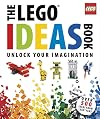
There is lots to love about this book and nothing to dislike, so long as you accept the title: it's inspirational in intent. There are no step-by-step instructions as you would find if you bought an off-the-shelf LEGO kit. Instead there heaps of pictures of different types of LEGO objects, from buildings to animals to vehicles to practical objects (e.g. picture frames) all designed and built by six amateur LEGO enthusiasts. I think it's great that LEGO reach out to their biggest fans in this show more way, instead of using people who work for the company as designers - a very different style emerges, with a somewhat old-time air to it, by which I mean prior to the rebirth of LEGO as a company that does movie tie-ins, cartoon DVDs and video games. That rebirth probably saved the company from extinction but it's good to see that they can mix that modern commercialism with the old enthusiast-supporting ethos with projects such as this book.
There's a lot more than just pictures of LEGO models, though: there are tips on how to design your own projects, how to reduce weight and maintain strength in large models, ways of creating certain effects - all sorts. There are also interviews with the designers, covering such things as what they would build given all the time and bricks they needed, what their biggest models are and where they get their inspiration from.
The graphic design is also excellent and the use of humour makes the book accessible to just about any age of LEGO builder. Great stuff! show less
There's a lot more than just pictures of LEGO models, though: there are tips on how to design your own projects, how to reduce weight and maintain strength in large models, ways of creating certain effects - all sorts. There are also interviews with the designers, covering such things as what they would build given all the time and bricks they needed, what their biggest models are and where they get their inspiration from.
The graphic design is also excellent and the use of humour makes the book accessible to just about any age of LEGO builder. Great stuff! show less
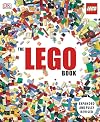
If you’ve had a look at my Instagram, you may have seen the odd Lego picture in there or two. I’m one of those people who grew up with Lego and still build in adulthood (my preferred theme is Lego Technics aka the ones that have gears, hydraulics and loads of tiny fingernail breaking bits). I bought this book for several reasons – to find out more about the company and its origins, to relive the Lego themes of my youth and to look at all the wonderful glossy pictures. I think this book show more is aimed more at the young (say 9 or 10 years and up) but it was still a fun read.
The book can be read in any chapter order, but being old and boring, I decided to start from the first page and read through. Younger fans may find it easier to jump straight to the gorgeous pictures of the different Lego themes (e.g. pirates, space, cars, castles etc.) and get inspiration for building. The history of Lego was fascinating about how the company started and the changes in the iconic bricks over the years. There are also pages explaining the brick and how there are unlimited possibilities to build and build. Illustrated timelines also show key points in Lego’s history and how Lego sets are designed is also mentioned. I would have liked a bit more on this because this is a big part of the AFOL world, but hey, I’ve got the internet too…
The section on the different Lego play themes make up the bulk of the book, covering every different theme over the years. Adult fans will be familiar with Town/City, Space, Castles and Pirates but the more modern sets demonstrate just how versatile Lego is. There’s Harry Potter, Star Wars, Monster Fighters, Ninjago, Bionacle and Mindstorms. Robots and monsters play alongside flying machines and vehicles to create play with the wildest of imaginations. I was really disappointed with just two pages on Lego Technic though – it’s evolved so much through the years with the addition of battery operated motors, remote controls and hydraulics (not to mention the size of the models). Technic seems to be a natural progression from Lego for me, but perhaps not everyone sees it that way. For AFOL fans, there are also pages on super models (I would love to build the Lego minifigure aka man that stands at 51cm tall) and modular buildings – the street set is still continuing in 2015. There’s also a small section about Lego CUUSOO/Ideas, where fans design their own sets and Lego builds the ones with the most votes. There are two pages about fan builders (those building their own models from Lego bricks).
The last section on other Lego merchandise was interesting – Legoland in Malaysia is something I’m torn about going to, because I’ve heard/read so many mixed experiences. It was useful to look at the pictures from other Legolands around the world, but I wasn’t really into the video game section. This book also predates The Lego Movie, so you won’t find anything about it here.
While this book is interesting, it’s aimed at a younger audience than AFOLs (understandably so). AFOLs may want to ‘share’ a copy with their younger fans or borrow it from the library.
http://samstillreading.wordpress.com show less
The book can be read in any chapter order, but being old and boring, I decided to start from the first page and read through. Younger fans may find it easier to jump straight to the gorgeous pictures of the different Lego themes (e.g. pirates, space, cars, castles etc.) and get inspiration for building. The history of Lego was fascinating about how the company started and the changes in the iconic bricks over the years. There are also pages explaining the brick and how there are unlimited possibilities to build and build. Illustrated timelines also show key points in Lego’s history and how Lego sets are designed is also mentioned. I would have liked a bit more on this because this is a big part of the AFOL world, but hey, I’ve got the internet too…
The section on the different Lego play themes make up the bulk of the book, covering every different theme over the years. Adult fans will be familiar with Town/City, Space, Castles and Pirates but the more modern sets demonstrate just how versatile Lego is. There’s Harry Potter, Star Wars, Monster Fighters, Ninjago, Bionacle and Mindstorms. Robots and monsters play alongside flying machines and vehicles to create play with the wildest of imaginations. I was really disappointed with just two pages on Lego Technic though – it’s evolved so much through the years with the addition of battery operated motors, remote controls and hydraulics (not to mention the size of the models). Technic seems to be a natural progression from Lego for me, but perhaps not everyone sees it that way. For AFOL fans, there are also pages on super models (I would love to build the Lego minifigure aka man that stands at 51cm tall) and modular buildings – the street set is still continuing in 2015. There’s also a small section about Lego CUUSOO/Ideas, where fans design their own sets and Lego builds the ones with the most votes. There are two pages about fan builders (those building their own models from Lego bricks).
The last section on other Lego merchandise was interesting – Legoland in Malaysia is something I’m torn about going to, because I’ve heard/read so many mixed experiences. It was useful to look at the pictures from other Legolands around the world, but I wasn’t really into the video game section. This book also predates The Lego Movie, so you won’t find anything about it here.
While this book is interesting, it’s aimed at a younger audience than AFOLs (understandably so). AFOLs may want to ‘share’ a copy with their younger fans or borrow it from the library.
http://samstillreading.wordpress.com show less
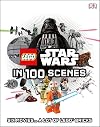
Pretty funny throughout! And a quick way to introduce my daughter to all 6 Star Wars movies! Lots of info on the Legos, including serial numbers and what sets to find them in. But the dialogue was what really did it for me, and for her!

Simplistic models and not much innovation that hasn't been shown elsewhere. Good for a beginner but not of much use to an experienced builder.
Lists
Awards


You May Also Like


Associated Authors
Statistics
- Works
- 27
- Members
- 4,266
- Popularity
- #5,887
- Rating
- 4.1
- Reviews
- 15
- ISBNs
- 125
- Languages
- 9