
Charles W. Calhoun
Author of Benjamin Harrison
About the Author
Charles W. Calhoun is the Thomas Harriot College of Arts and Sciences Distinguished Professor of History at East Carolina University. He is the author of Minority Victory: Gilded Age Politics and the Front Porch Campaign of 1888 and Benjamin Harrison: The 23rd President, 1889-1893.
Works by Charles W. Calhoun
From Bloody Shirt to Full Dinner Pail: The Transformation of Politics and Governance in the Gilded Age (2010) 58 copies, 3 reviews
Minority Victory: Gilded Age Politics and the Front Porch Campaign of 1888 (American Presidential Elections) (2008) 21 copies, 2 reviews
Associated Works
Major Problems in the Gilded Age and the Progressive Era: Documents and Essays (1993) — Contributor — 82 copies
Tagged
Common Knowledge
- Canonical name
- Calhoun, Charles W.
- Legal name
- Calhoun, Charles William
- Birthdate
- 1948-02-24
- Gender
- male
- Education
- Columbia University (Ph.D|History)
Yale University (B.A.|History) - Occupations
- professor (history)
historian - Organizations
- East Carolina University
National Endowment for the Humanities
American Historical Association
Organization of American Historians
Society of Historians of American Foreign Relations
Indiana Historical Society (show all 9)
Phi Kappa Phi
Phi Alpha Theta
Society for Historians of the Gilded Age and Progressive Era - Nationality
- USA
- Birthplace
- South Bend, Indiana, USA
- Places of residence
- Greenville, North Carolina, USA
- Associated Place (for map)
- USA
Members
Reviews
Benjamin Harrison: The American Presidents Series: The 23rd President, 1889-1893 by Charles W. Calhoun
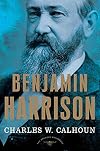
There are a lot of candidates for Worst Ever American President -- Richard Nixon, Warren G. Harding, Franklin Pierce, and of course the incomparably worthless James Buchanan. Benjamin Harrison surely does not belong in that company. But he may well deserve an award for "most bloodless."
This book tries hard to make something of Harrison. It stresses all the work he was constantly doing, and the many roles he played in government and society. But Harrison never comes to life -- and it's by no show more means clear that it's the author's failing. I was struck, for instance, by just how much Harrison's presidency resembled that of James A. Garfield. They had similar backgrounds -- civilians who had joined the Union army as generals, been made colonels in the armies of their states, reached brigade command by seniority, then ended up as generals. Both were dark horse candidates at the Republican convention. They both won 48% of the vote (in Garfield's case, that gave him a bare plurality; in Harrison's, it left him just short, but the percentages were very close). They won almost the same states -- the only differences were that Garfield lost and Harrison won California and Nevada. They even picked two of the same senior cabinet officers, Secretary of State James G. Blaine and Treasury Secretary William Windom. Harrison got to serve out his term, of course, unlike Garfield who had been assassinated -- but it's as if nothing had changed. Harrison changed the emphasis of his administration, but there were no new ideas, just new people to disagree with.
In the end, I came away from this book utterly cold. That could be Harrison's personality; it could be author Calhoun's inability to describe that personality. But I strongly suspect it was Harrison. Harrison is unusual in that he was twice nominated for president, and lost the popular vote both times. Little surprise. His opponent Grover Cleveland may not have been quite as intellectually gifted as Harrison, but he was a warm and lively man. And warm candidates beat cold fish almost every time. show less
This book tries hard to make something of Harrison. It stresses all the work he was constantly doing, and the many roles he played in government and society. But Harrison never comes to life -- and it's by no show more means clear that it's the author's failing. I was struck, for instance, by just how much Harrison's presidency resembled that of James A. Garfield. They had similar backgrounds -- civilians who had joined the Union army as generals, been made colonels in the armies of their states, reached brigade command by seniority, then ended up as generals. Both were dark horse candidates at the Republican convention. They both won 48% of the vote (in Garfield's case, that gave him a bare plurality; in Harrison's, it left him just short, but the percentages were very close). They won almost the same states -- the only differences were that Garfield lost and Harrison won California and Nevada. They even picked two of the same senior cabinet officers, Secretary of State James G. Blaine and Treasury Secretary William Windom. Harrison got to serve out his term, of course, unlike Garfield who had been assassinated -- but it's as if nothing had changed. Harrison changed the emphasis of his administration, but there were no new ideas, just new people to disagree with.
In the end, I came away from this book utterly cold. That could be Harrison's personality; it could be author Calhoun's inability to describe that personality. But I strongly suspect it was Harrison. Harrison is unusual in that he was twice nominated for president, and lost the popular vote both times. Little surprise. His opponent Grover Cleveland may not have been quite as intellectually gifted as Harrison, but he was a warm and lively man. And warm candidates beat cold fish almost every time. show less
Benjamin Harrison: The American Presidents Series: The 23rd President, 1889-1893 by Charles W. Calhoun
I so wish this had been longer. Benjamin Harrison has the reputation as a forgettable president. His presidency may not have amounted to much, but his life is definitely worth a more in-depth look (not three volumes as an earlier work, but something more substantial than this).
As they are today, tariffs were the talk of Washington during Harrison's time in office. So, it was interesting to read about there use in an earlier presidency. Also of interest was Harrison's tumultuous relationship show more with his secretary of state, James Blaine. I wish there had been more writing of substance about Harrison's relationship with his first wife, Caroline. As it is, the primary relationship focus seems to be with his second, Mary Scott Dimmick, a niece of his first wife. I wish the family life had been further explored.
I understand that this was supposed to be a slim volume summarizing Harrison's life. It felt too brief. show less
As they are today, tariffs were the talk of Washington during Harrison's time in office. So, it was interesting to read about there use in an earlier presidency. Also of interest was Harrison's tumultuous relationship show more with his secretary of state, James Blaine. I wish there had been more writing of substance about Harrison's relationship with his first wife, Caroline. As it is, the primary relationship focus seems to be with his second, Mary Scott Dimmick, a niece of his first wife. I wish the family life had been further explored.
I understand that this was supposed to be a slim volume summarizing Harrison's life. It felt too brief. show less
Minority Victory: Gilded Age Politics and the Front Porch Campaign of 1888 (American Presidential Elections) by Charles W. Calhoun
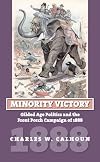
The presidential election of 1888 is notable for being one of the few in American history in which the victor won a majority of electoral college votes while losing the popular vote to his opponent. This alone makes the election a curiosity, yet as Charles Calhoun demonstrates in this excellent book, it was so much more than that. For while the presidential election was one in which many of the ongoing political processes of the era were on full display, it also saw the development of new show more practices by the Republican campaign that presaged the would shortly allow them to dominate presidential contests in the three decades that followed.
Calhoun begins by focusing on the incumbent president, Grover Cleveland. The first Democrat to win election to the White House since James Buchanan, he charted a conservative course involving pursuit a number of traditional Democratic goals, most notably a lower tariff on imported goods. Cleveland's efforts galvanized tariff-supporting Republicans like no other issue could, yet their most prominent prospect, former nominee James G. Blaine, refused to seek the nomination so as to avoid the party schism that contributed to his defeat in 1884. Instead the party nominated former Indiana senator Benjamin Harrison as their standard-bearer. His campaign pioneered a number of new approaches, including greater national financing, party coordination with interest groups, and the involvement of the nominee -- all of which combined to allow Harrison to emerge victorious once the votes were tallied.
Concise yet informative, Calhoun's book is a first-rate work of political history. His analysis shatters many of the misconceptions about the politics of the period, with possibly the most notable being his observation that Harrison's "minority victory" was more a reflection of successful suppression of African-American voters in the South than of any flaws in the electoral college process. Such insights make this book an indispensable read for anyone interested in American politics, the history of American elections, or Gilded Age America. show less
Calhoun begins by focusing on the incumbent president, Grover Cleveland. The first Democrat to win election to the White House since James Buchanan, he charted a conservative course involving pursuit a number of traditional Democratic goals, most notably a lower tariff on imported goods. Cleveland's efforts galvanized tariff-supporting Republicans like no other issue could, yet their most prominent prospect, former nominee James G. Blaine, refused to seek the nomination so as to avoid the party schism that contributed to his defeat in 1884. Instead the party nominated former Indiana senator Benjamin Harrison as their standard-bearer. His campaign pioneered a number of new approaches, including greater national financing, party coordination with interest groups, and the involvement of the nominee -- all of which combined to allow Harrison to emerge victorious once the votes were tallied.
Concise yet informative, Calhoun's book is a first-rate work of political history. His analysis shatters many of the misconceptions about the politics of the period, with possibly the most notable being his observation that Harrison's "minority victory" was more a reflection of successful suppression of African-American voters in the South than of any flaws in the electoral college process. Such insights make this book an indispensable read for anyone interested in American politics, the history of American elections, or Gilded Age America. show less
From Bloody Shirt to Full Dinner Pail: The Transformation of Politics and Governance in the Gilded Age by Charles W. Calhoun
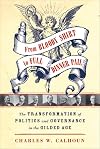
For most Americans, the political history of the Gilded Age is a period where the country was governed by a succession of indistinguishably bearded presidents who did nothing. Sandwiched as it is between the drama of the Civil War period and the revolution in government brought about during the Progressive Era, it often tends to be overshadowed and overlooked, a period where the dominance of laissez-faire attitudes meant that little of significance took place. In this short little book, show more Charles W. Calhoun demolishes such misconceptions, showing the period to be one that both wrestled with important questions left over from the Civil War and set the stage for many of the transformations that were to follow.
Calhoun begins his study with the 1868 presidential election. Though this was the first presidential election after the Civil War, the issues created by the conflict dominated the campaign, particularly the issue of black suffrage. Republicans proved effective at rallying voters outside the South by “waving the bloody shirt,” or rallying voters to defending the results against the efforts by Democrats to reverse them. Calhoun sees this as reflective of the political philosophies that characterized the political parties in this period, with the Republicans believing that the federal government could play a positive role in national government, while the Democrats argued for greater deference to state and local governments.
This clash of philosophical approaches was reflected not just in contrasting views on the issue of black suffrage, but in economic policy as well. Calhoun sees the Republicans in the 1870s as facing the question of whether to emphasize the efforts to preserve black suffrage or their use of tariffs and other policies to encourage national economic development. The economic depression of the period helped fuel an emphasis on the latter issue, and protecting the rights of African Americans to vote receded as an issue for the party as the century came to an end. Calhoun emphasizes the role of African American voter suppression as key to both the Democratic dominance of the South during this period and the narrowness of voting totals in national elections. By the 1890s, however, the Republicans use of such issues as the gold standard cemented a political dominance that would last for a generation, enshrining a more active role for the federal government in national life as a result.
Concise and insightful, Calhoun’s book offers a stimulating introduction to American politics in the Gilded Age. Though his focus is on the presidency, his inclusion of Congressional and gubernatorial elections offers a broad overall portrait of the ebbs and flows of party fortunes and how they reflected the broader attitudes of the electorate. The result is a superb overview that serves as an excellent starting point for anyone seeking to learn more about this underappreciated era in American political history. show less
Calhoun begins his study with the 1868 presidential election. Though this was the first presidential election after the Civil War, the issues created by the conflict dominated the campaign, particularly the issue of black suffrage. Republicans proved effective at rallying voters outside the South by “waving the bloody shirt,” or rallying voters to defending the results against the efforts by Democrats to reverse them. Calhoun sees this as reflective of the political philosophies that characterized the political parties in this period, with the Republicans believing that the federal government could play a positive role in national government, while the Democrats argued for greater deference to state and local governments.
This clash of philosophical approaches was reflected not just in contrasting views on the issue of black suffrage, but in economic policy as well. Calhoun sees the Republicans in the 1870s as facing the question of whether to emphasize the efforts to preserve black suffrage or their use of tariffs and other policies to encourage national economic development. The economic depression of the period helped fuel an emphasis on the latter issue, and protecting the rights of African Americans to vote receded as an issue for the party as the century came to an end. Calhoun emphasizes the role of African American voter suppression as key to both the Democratic dominance of the South during this period and the narrowness of voting totals in national elections. By the 1890s, however, the Republicans use of such issues as the gold standard cemented a political dominance that would last for a generation, enshrining a more active role for the federal government in national life as a result.
Concise and insightful, Calhoun’s book offers a stimulating introduction to American politics in the Gilded Age. Though his focus is on the presidency, his inclusion of Congressional and gubernatorial elections offers a broad overall portrait of the ebbs and flows of party fortunes and how they reflected the broader attitudes of the electorate. The result is a superb overview that serves as an excellent starting point for anyone seeking to learn more about this underappreciated era in American political history. show less
Lists
The Presidents (1)
You May Also Like


Associated Authors
Statistics
- Works
- 11
- Also by
- 2
- Members
- 475
- Popularity
- #51,907
- Rating
- 3.5
- Reviews
- 14
- ISBNs
- 26