
Katy Simpson Smith
Author of The Story of Land and Sea
About the Author
Works by Katy Simpson Smith
Tagged
Common Knowledge
- Birthdate
- 1985-10-29
- Gender
- female
- Education
- University of North Carolina at Chapel Hill (PhD - History)
Bennington College (MFA - Writing Seminars)
Mount Holyoke College - Occupations
- novelist
non-fiction author - Nationality
- USA
- Birthplace
- Jackson, Mississippi, USA
- Places of residence
- New Orleans, Louisiana, USA
- Associated Place (for map)
- USA
Members
Reviews
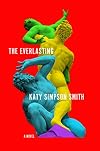
katy simpon smith's prose is gorgeous in that it is circuitous, mazelike, obsessed with its own taste and texture--in the Tom sections especially. i love literary fiction, and i love language for the sake of it, so i like this aspect of smith's writing--but i do think it would be more suited to short fiction than a novel, especially a plotless, portraiture novel like this one. it's easy to get lost in smith's prose. this book takes a while to digest, even for a fast reader.
The Everlasting is show more a novel that has to be taken for its prose and its characters first and only, because its plot is lackluster, barely anything. the four POV characters each live, and about one thing happens to each of them, and you don't quite get to their conclusions before their stories cut off. i like these characters' neuroses and idiosyncrasies and idiocies, but i don't necessarily find them satisfying.
the observer hidden behind the text, who occasionally pokes in with an aside--i will say i love that. very very much. i wish only that we'd gotten a smidge more of those asides.
it's hard to say this is a good or a bad book. it's simply one for people of very particular taste. show less
The Everlasting is show more a novel that has to be taken for its prose and its characters first and only, because its plot is lackluster, barely anything. the four POV characters each live, and about one thing happens to each of them, and you don't quite get to their conclusions before their stories cut off. i like these characters' neuroses and idiosyncrasies and idiocies, but i don't necessarily find them satisfying.
the observer hidden behind the text, who occasionally pokes in with an aside--i will say i love that. very very much. i wish only that we'd gotten a smidge more of those asides.
it's hard to say this is a good or a bad book. it's simply one for people of very particular taste. show less
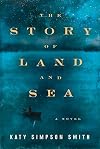
Sometimes you find an author who writes in such a way that you are no longer reading but rather experiencing the story. Katy Simpson Smith in her debut, The Story of Land and Sea had that magic pen. I picked up the book and from the first page I found myself immersed in the world that Ms. Smith was creating. It was not a happy world in a lot of ways as the story revolves around love and loss.
The novel starts in 1793 in Beaufort, S.C., with a father and his daughter. His wife died in show more childbirth and he remembers their freedom as they sailed as privateers. She married against her father Asa's will for love and her father never forgave her or her husband but he did love his granddaughter. In her he saw the hope for the future he lost when his daughter died. But Tabitha does not want to be a lady of the manor any more than her mother Helen did.
A crisis strikes leading Tabitha and her father John to a hasty decision that will alienate them from Asa and cause a spiral down for all. Also involved in the story is Moll, a slave given to Helen as a 10th birthday present.
This is not a book that deals with easy themes and it does not spare the reader on emotions but the writing is so good that you just float along on the tide of the story. I found my self crying more than once and it's been a long time since a book impacted me in that way. I forgot I was reading - it was not an easy read but it was so very easy to read. I'll be keeping this one to read again and I suspect it will become a favorite despite the sorrow. show less
The novel starts in 1793 in Beaufort, S.C., with a father and his daughter. His wife died in show more childbirth and he remembers their freedom as they sailed as privateers. She married against her father Asa's will for love and her father never forgave her or her husband but he did love his granddaughter. In her he saw the hope for the future he lost when his daughter died. But Tabitha does not want to be a lady of the manor any more than her mother Helen did.
A crisis strikes leading Tabitha and her father John to a hasty decision that will alienate them from Asa and cause a spiral down for all. Also involved in the story is Moll, a slave given to Helen as a 10th birthday present.
This is not a book that deals with easy themes and it does not spare the reader on emotions but the writing is so good that you just float along on the tide of the story. I found my self crying more than once and it's been a long time since a book impacted me in that way. I forgot I was reading - it was not an easy read but it was so very easy to read. I'll be keeping this one to read again and I suspect it will become a favorite despite the sorrow. show less
There are some books that are difficult to describe. They are notable for the feeling or impression they inspire in the reader. Katy Simpson Smith's The Story of Land and Sea is one of these books. When a bookstore owner and fellow reader friend of mine pressed the advanced copy of this book into my hands, she simply said, "This is set in North Carolina and you should read it." Normally she can discuss the heck out of why but this one seemed to stymie her. She just knew there was something show more about it that begged to be read even if she couldn't articulate that something. And she was right. And I find myself struggling to explain why I agree with her, but I certainly do.
The novel opens in 1793 with ten year old motherless Tabitha (Tab) living in a coastal Carolina town with her father John, not too far from her grandfather, her mother's father, Asa. Tab has been allowed to run fairly wild without a mother to guide her. She is drawn to the sea and the ships that bob in the harbor. She explores tidal pools, swims out to a sandbar, and lazes in the sun. She asks her father for tales of his life with her mother, Helen, before she died in childbirth bringing forth Tab. That they eloped on a pirate ship and lived simply and happily until they had to come back to land and make a life for their coming child fascinates her no end. And these tales, hard as they are for John to articulate, are the only piece of her mother than Tab has. Although Tab is often unsupervised, she is precious to her father and she is the last of her grandfather's blood. When she's stricken with yellow fever, John and Asa disagree with how to save her. One trusting in God and the other a non-believer. In the end, John takes her onto a ship, the same way he took Helen so many years ago, desperate for the sea to work its magic on his small daughter.
And then the novel jumps back in time to when Helen, a motherless young woman herself, lived alone with her father, Asa. She was certain of her faith, quite devout, and strove to teach the word of God to the local slaves, presiding over Sunday services for them. She had her own slave, Moll, gifted to her by her father when she was a small child herself, but with whom she had a rather strange and complicated relationship, by turns distant or intensely close, uncaring or needy. In the final year of the Revolutionary War, she meets John, a soldier posted in Beaufort and prefers him to the more acceptable suitor whom her father has chosen. And so begins the tale that Tab so loved to hear.
The third part of the story returns to 1793, to John and Asa and to the slave Moll and her much adored son Davy. Moll has always loved Davy beyond the daughters who followed him and yet she has even less control over his destiny than John or Asa had over their daughters. Moll's love for Davy is desperate and deep despite the fact that she cannot keep him with her when John and Asa decide otherwise. And she is willing to risk all for love of him.
Each of the three sections of the novel focuses on a parent and child, the connection between them, the overwhelming love, and the ways in which a parent does not, perhaps cannot, know his or her child's heart. In all three cases there is an trace, sometimes faint and others times not so faint, of a possessiveness about that love, a feeling that the child belongs to the parent. And yet life proves this possessiveness to be ephemeral in all cases. The characters here are almost all adrift in life without a real course. They seem solitary even in their connections with each other. The writing is rich, beautiful, and fluid and the general feel of the novel is elegant, dreamy, and haunting right from the start. It is an overwhelmingly sad story of loss after loss and melancholy threads through all three parts of the tale. The three parts are not arranged chronologically, allowing Smith to use the middle portion of her triptych as a respite from the unexpected plot trajectory of the first part, allowing the reader to process that deliberate authorial choice before moving forward with the tale. An elegiac, lyrical story, it will hover in your consciousness a long time after you close the cover. show less
The novel opens in 1793 with ten year old motherless Tabitha (Tab) living in a coastal Carolina town with her father John, not too far from her grandfather, her mother's father, Asa. Tab has been allowed to run fairly wild without a mother to guide her. She is drawn to the sea and the ships that bob in the harbor. She explores tidal pools, swims out to a sandbar, and lazes in the sun. She asks her father for tales of his life with her mother, Helen, before she died in childbirth bringing forth Tab. That they eloped on a pirate ship and lived simply and happily until they had to come back to land and make a life for their coming child fascinates her no end. And these tales, hard as they are for John to articulate, are the only piece of her mother than Tab has. Although Tab is often unsupervised, she is precious to her father and she is the last of her grandfather's blood. When she's stricken with yellow fever, John and Asa disagree with how to save her. One trusting in God and the other a non-believer. In the end, John takes her onto a ship, the same way he took Helen so many years ago, desperate for the sea to work its magic on his small daughter.
And then the novel jumps back in time to when Helen, a motherless young woman herself, lived alone with her father, Asa. She was certain of her faith, quite devout, and strove to teach the word of God to the local slaves, presiding over Sunday services for them. She had her own slave, Moll, gifted to her by her father when she was a small child herself, but with whom she had a rather strange and complicated relationship, by turns distant or intensely close, uncaring or needy. In the final year of the Revolutionary War, she meets John, a soldier posted in Beaufort and prefers him to the more acceptable suitor whom her father has chosen. And so begins the tale that Tab so loved to hear.
The third part of the story returns to 1793, to John and Asa and to the slave Moll and her much adored son Davy. Moll has always loved Davy beyond the daughters who followed him and yet she has even less control over his destiny than John or Asa had over their daughters. Moll's love for Davy is desperate and deep despite the fact that she cannot keep him with her when John and Asa decide otherwise. And she is willing to risk all for love of him.
Each of the three sections of the novel focuses on a parent and child, the connection between them, the overwhelming love, and the ways in which a parent does not, perhaps cannot, know his or her child's heart. In all three cases there is an trace, sometimes faint and others times not so faint, of a possessiveness about that love, a feeling that the child belongs to the parent. And yet life proves this possessiveness to be ephemeral in all cases. The characters here are almost all adrift in life without a real course. They seem solitary even in their connections with each other. The writing is rich, beautiful, and fluid and the general feel of the novel is elegant, dreamy, and haunting right from the start. It is an overwhelmingly sad story of loss after loss and melancholy threads through all three parts of the tale. The three parts are not arranged chronologically, allowing Smith to use the middle portion of her triptych as a respite from the unexpected plot trajectory of the first part, allowing the reader to process that deliberate authorial choice before moving forward with the tale. An elegiac, lyrical story, it will hover in your consciousness a long time after you close the cover. show less
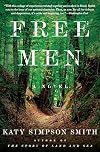
In Free Men, Smith offers us an intriguing look at West Florida during the 1780s, a time when the area was occupied by a mixture of Spanish, British, and American settlers as well as escaped slaves and warring tribes of Native Americans. The set-up may sound far-fetched: an escaped slave, a Muskogee and an emotionally battered white man meet up and band together to steal money from another traveling group. When the theft goes badly, people are killed and the three stick together to attempt show more an escape to the west.
The story of each man unfolds in a series of first person narratives that explain why each man chose to leave their own community. We are also privy to the viewpoint of the Frenchman who is sent to track the group and bring them to justice.
Smith writes beautiful prose and the story-line alone would be compelling. Who doesn't love a great wilderness adventure? But this book stands out for the psychological insight into each man's character. The tracker is a self-styled social scientist hoping to publish an academic study of the human condition, and his European up-bringing provides a nice counterpoint to the desperation of the three fugitives.
Read this novel as an adventure story or read it as a deeper examination of the common desires and needs of all humans. It is haunting and heartbreaking and luminous. Two big thumbs up! show less
The story of each man unfolds in a series of first person narratives that explain why each man chose to leave their own community. We are also privy to the viewpoint of the Frenchman who is sent to track the group and bring them to justice.
Smith writes beautiful prose and the story-line alone would be compelling. Who doesn't love a great wilderness adventure? But this book stands out for the psychological insight into each man's character. The tracker is a self-styled social scientist hoping to publish an academic study of the human condition, and his European up-bringing provides a nice counterpoint to the desperation of the three fugitives.
Read this novel as an adventure story or read it as a deeper examination of the common desires and needs of all humans. It is haunting and heartbreaking and luminous. Two big thumbs up! show less
Awards


You May Also Like


Associated Authors
Statistics
- Works
- 6
- Members
- 523
- Popularity
- #47,533
- Rating
- 3.7
- Reviews
- 34
- ISBNs
- 48
- Languages
- 1