
Lauren Francis-Sharma
Author of 'Til the Well Runs Dry
About the Author
Image credit: Lauren Francis-Sharma
Works by Lauren Francis-Sharma
Tagged
Common Knowledge
- Gender
- female
- Agent
- Victoria Sanders
Members
Reviews
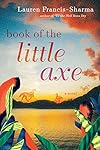
This remarkable historical fiction moves sometimes confusedly until you settle into the dual times, places, and characters. The locales are Trinidad and the Apsaalooke (Crow) Nation, from the late 1790s-1830s. Rosa, a young, free Trinidadian Black woman who helps her parents and siblings run a farm and a forge, is under threat from ongoing colonialist power shifts, from Spanish to British to French, and the rulers’ fear of rebellion in the Caribbean. Victor, a teenager living in a Crow show more settlement with his Ma and his adopted father, the warrior Cut Nose, are all of mixed race, with none of the three having been born into the tribe. Victor, although loves his Montana life, never feels fully accepted and has none of the spiritual visions needed to attain manhood in the tribe. The bridge between these seemingly disparate worlds is the scout Creadon Rampley, moving between the American West and the island. Once the reader gains traction, the connections, conflicts, and outcomes in each locale are intense, violent, and thrilling. This is one of two books (the other being Lonesome Dove) that I started reading again as soon as I finished it, feeling compelled to slow down and savor the skilled writing even more the second time around. This novel is a notable achievement.
Quote: “The English had come and disrupted their lives, with their perfect mismanagement and indecision and inconsistency, with their slow unraveling terror, with their chaos that prevented sure footing, and caused them never to be certain of what would be theirs.” show less
Quote: “The English had come and disrupted their lives, with their perfect mismanagement and indecision and inconsistency, with their slow unraveling terror, with their chaos that prevented sure footing, and caused them never to be certain of what would be theirs.” show less
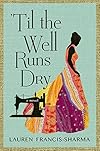
This rich, atmospheric novel transported me from my dreary, wintery hometown to balmy, lush Trinidad in the 1940's. In a small, poor seaside town, protagonist Marcia is working as a seamstress and raising two small disabled little boys. She begins dating Farouk, a young policeman, and as their stories intertwine and unfold over decades, family secrets and political scandals threaten to be their undoing.
Much of the book is written in dialect, and the narrator changes from chapter to chapter. show more I did not find either of these to detract from the story or make reading difficult. Marcia and her family and all flawed characters, likeable yet quite believable and human. I generally don't like romance stories or plotlines that are centered on dysfunctional family dynamics and I wouldn't say 'Til the Well Runs Dry falls into either of those categories.
I very much enjoyed Lauren Francis-Sharma's fiction debut and look forward to reading more of her work in the future. Her love for Trinidad shines through in her careful descriptions. This book is a wonderful testament to strong women and maternal love. Highly recommended! show less
Much of the book is written in dialect, and the narrator changes from chapter to chapter. show more I did not find either of these to detract from the story or make reading difficult. Marcia and her family and all flawed characters, likeable yet quite believable and human. I generally don't like romance stories or plotlines that are centered on dysfunctional family dynamics and I wouldn't say 'Til the Well Runs Dry falls into either of those categories.
I very much enjoyed Lauren Francis-Sharma's fiction debut and look forward to reading more of her work in the future. Her love for Trinidad shines through in her careful descriptions. This book is a wonderful testament to strong women and maternal love. Highly recommended! show less
 This review was written for LibraryThing Early Reviewers.
There's something a little bit exotic, a little bit magical about Trinidad. And it's not a place that appears often in fiction, or at least not in fiction that I've read. So I was intrigued by the setting of Lauren Francis-Sharma's debut novel set mainly in Trinidad, capturing life on the island, and filling in little bit of the history and politics of the mid-twentieth century as Trinidad moved towards independence and self-governance. But more than a Trinidadian story, this is a family show more story, a strong woman story, a mother and children story all told with the unique flavor of the place.
In 1943 in Trinidad, Marcia Garcia is just a teenager raising two small boys she calls her brothers and trying her best to keep food on the table for the three of them. She is a talented seamstress but her family obligations weigh on her and prevent her from being as successful as she might otherwise have been. Marcia is a beautiful mixture of many of the races of people on the islands and she catches the eye of an Indian police officer, Farouk Karam, who becomes enchanted with her to the point that he visits an Obeah woman whose black magic and herbs can guarantee him that he will find his way into Marcia's heart. Although their relationship starts under the cloud of the disappearance of Marcia's twin brothers, they quickly come to find happiness together. Marcia falls pregnant and she and Farouk marry. But his proper, successful family is horrified by Marcia and Farouk denies her and accuses her of actually being the mother of the two missing boys she loved so dearly and having an incestuous relationship with her father. Despite his family's vocal disapproval and these terrible allegations, he cannot quit her so while they remain married, they never do live as husband and wife; Farouk visits only occasionally, enough for them to produce four children, Patsy, Jacqueline, Wesley, and baby Yvonne. Marcia struggles along, working to support her growing family, persevering despite hardships. At the same time, Farouk is rising in the police force, seeing corruption and vice within the ranks, even extending to Marcia's powerful, wealthy, mostly estranged uncle who is high up in government. And when there is a huge scandal, it leaves no one in the family untouched.
The heat and magic of the island is coupled here in the novel with the subsistence and borderline poverty in which Marcia and the children live. Within these pages, there is the Trinidadian version of voodoo, the political corruption of the 1940s through the 1960s, drugs, prejudice, education and the drive to better one's lot, and above all the importance of family. Marcia is strong and a survivor despite the terrible hand she's been dealt by life. She, Farouk, and Jacqueline, their second daughter, each narrate portions of the story, sharing their hopes and dreams and the reality of their lives. Much of the dialogue is in a sing-songy dialect but once the reader gets used to it, it is easy enough to follow. When the story takes Marcia to the US, the plot becomes disorienting and a little confusing but that mirrors Marcia's own experience as an immigrant, abused, held captive, and taken advantage of. Trinidad plays a large background role through most of the book but when Marcia finally leaves it, her desire is not for the land of her youth but for her family, for them to join her and to make a new life with her. Francis-Sharma has captured a dysfunctional family in all its ups and downs, the fates that hold it back, and the ways in which each character is always a part of the same fabric even when life doesn't go quite as planned. The story is well written and if there's no happily ever after but instead a concession to reality, it feels true and genuine and possible. show less
In 1943 in Trinidad, Marcia Garcia is just a teenager raising two small boys she calls her brothers and trying her best to keep food on the table for the three of them. She is a talented seamstress but her family obligations weigh on her and prevent her from being as successful as she might otherwise have been. Marcia is a beautiful mixture of many of the races of people on the islands and she catches the eye of an Indian police officer, Farouk Karam, who becomes enchanted with her to the point that he visits an Obeah woman whose black magic and herbs can guarantee him that he will find his way into Marcia's heart. Although their relationship starts under the cloud of the disappearance of Marcia's twin brothers, they quickly come to find happiness together. Marcia falls pregnant and she and Farouk marry. But his proper, successful family is horrified by Marcia and Farouk denies her and accuses her of actually being the mother of the two missing boys she loved so dearly and having an incestuous relationship with her father. Despite his family's vocal disapproval and these terrible allegations, he cannot quit her so while they remain married, they never do live as husband and wife; Farouk visits only occasionally, enough for them to produce four children, Patsy, Jacqueline, Wesley, and baby Yvonne. Marcia struggles along, working to support her growing family, persevering despite hardships. At the same time, Farouk is rising in the police force, seeing corruption and vice within the ranks, even extending to Marcia's powerful, wealthy, mostly estranged uncle who is high up in government. And when there is a huge scandal, it leaves no one in the family untouched.
The heat and magic of the island is coupled here in the novel with the subsistence and borderline poverty in which Marcia and the children live. Within these pages, there is the Trinidadian version of voodoo, the political corruption of the 1940s through the 1960s, drugs, prejudice, education and the drive to better one's lot, and above all the importance of family. Marcia is strong and a survivor despite the terrible hand she's been dealt by life. She, Farouk, and Jacqueline, their second daughter, each narrate portions of the story, sharing their hopes and dreams and the reality of their lives. Much of the dialogue is in a sing-songy dialect but once the reader gets used to it, it is easy enough to follow. When the story takes Marcia to the US, the plot becomes disorienting and a little confusing but that mirrors Marcia's own experience as an immigrant, abused, held captive, and taken advantage of. Trinidad plays a large background role through most of the book but when Marcia finally leaves it, her desire is not for the land of her youth but for her family, for them to join her and to make a new life with her. Francis-Sharma has captured a dysfunctional family in all its ups and downs, the fates that hold it back, and the ways in which each character is always a part of the same fabric even when life doesn't go quite as planned. The story is well written and if there's no happily ever after but instead a concession to reality, it feels true and genuine and possible. show less
This review was written for LibraryThing Early Reviewers.Review based on ARC.
Oh man, how even to review this one. I signed up to get this one because it had something to do with Trinidad. That was really all that motivated me. Otherwise, it sounded kind of trite... ya know, "multigenerational" "multicultural" "blah blah blah." But my mom is from Trinidad and, unlike the author of this book, I have NOT heard much from her about her home-country. I was hoping the book might give me even the slightest of inside looks... And boy did it.
I would not show more describe this book as "multigenerational" or "multi-cultural," even though those are both accurate descriptions. The issue I have with those phrases is that they tend to accompany stories that don't offer much else beyond the obvious "that generation doesn't get it" dynamic or "look how different and yet the same these cultures are!" And those can be fantastic books, but I find that relying on the cheap tricks often make the story seem... well, a little cheap.
That was NOT the case here. Lauren Francis-Sharma created a compelling, interesting, fast-paced, deep, involved story with an undercurrent of... like, gut-truth. I didn't feel as if I were reading some fantasy creation of someone with no idea of what real life was actually like. I felt like... I felt like I was maybe sitting at a kitchen table somewhere with someone's grandmother who was telling the story of her life.
And what a story. Ever so briefly: Marcia Garcia ("Mah-see-ah Gah-see-ah") lives in "the Bush" in Trinidad (i.e., the wrong side of the tracks...) with the boys she cares for. Her mind is nowhere near romance or the other frivolities of life when Farouk spots her and determines he must have her. Farouk is, of course, from the right side of the tracks, but he's young and impulsive and makes no mind of the potential cultural impact of his choice. And so begins Marcia's life.
I mean. It covers so much ground. Years, peoples, families, children, parents, siblings, crime, countries, slavery, passion, anger, etc. etc. etc. And Francis-Sharma manages to give each element her full attention.
As with all truly excellent books, describing it too much would do it injustice. This truly excellent book is being sent to my mom... maybe we can have a little Trini discussion once she's read it...
Highly recommend! For all of the reasons indicated above and because it's just a good book. show less
Oh man, how even to review this one. I signed up to get this one because it had something to do with Trinidad. That was really all that motivated me. Otherwise, it sounded kind of trite... ya know, "multigenerational" "multicultural" "blah blah blah." But my mom is from Trinidad and, unlike the author of this book, I have NOT heard much from her about her home-country. I was hoping the book might give me even the slightest of inside looks... And boy did it.
I would not show more describe this book as "multigenerational" or "multi-cultural," even though those are both accurate descriptions. The issue I have with those phrases is that they tend to accompany stories that don't offer much else beyond the obvious "that generation doesn't get it" dynamic or "look how different and yet the same these cultures are!" And those can be fantastic books, but I find that relying on the cheap tricks often make the story seem... well, a little cheap.
That was NOT the case here. Lauren Francis-Sharma created a compelling, interesting, fast-paced, deep, involved story with an undercurrent of... like, gut-truth. I didn't feel as if I were reading some fantasy creation of someone with no idea of what real life was actually like. I felt like... I felt like I was maybe sitting at a kitchen table somewhere with someone's grandmother who was telling the story of her life.
And what a story. Ever so briefly: Marcia Garcia ("Mah-see-ah Gah-see-ah") lives in "the Bush" in Trinidad (i.e., the wrong side of the tracks...) with the boys she cares for. Her mind is nowhere near romance or the other frivolities of life when Farouk spots her and determines he must have her. Farouk is, of course, from the right side of the tracks, but he's young and impulsive and makes no mind of the potential cultural impact of his choice. And so begins Marcia's life.
I mean. It covers so much ground. Years, peoples, families, children, parents, siblings, crime, countries, slavery, passion, anger, etc. etc. etc. And Francis-Sharma manages to give each element her full attention.
As with all truly excellent books, describing it too much would do it injustice. This truly excellent book is being sent to my mom... maybe we can have a little Trini discussion once she's read it...
Highly recommend! For all of the reasons indicated above and because it's just a good book. show less
This review was written for LibraryThing Early Reviewers.Lists
Awards


You May Also Like


Associated Authors
Statistics
- Works
- 3
- Members
- 327
- Popularity
- #72,481
- Rating
- 3.8
- Reviews
- 25
- ISBNs
- 19
