
Debby Irving
Author of Waking Up White, and Finding Myself in the Story of Race
Works by Debby Irving
Tagged
Common Knowledge
- Birthdate
- 20th Century
- Gender
- female
- Nationality
- USA
- Associated Place (for map)
- USA
Members
Reviews
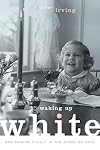
Irving’s memoir of growing up in the Boston suburb of Winchester, Massachusetts, surrounded by fellow White Protestants of British ancestry left her oblivious to the history of racism and its effects in the United States. She writes that she lived in “The exclusive world of thriving people raising thriving children.” As with other WASPs growing up in the Boston suburbs, as I did, she knew racism existed, but thought that it was a problem for people in the South and did not exist where show more she lived. She did not know its history or how it operated and continues to operate in the 21st century in ways only slightly different than it did in the past and that it was not a problem that existed only in the southeastern part of the country. Its roots started in Europe and were transplanted to this hemisphere by the first European colonists in the 17th century. Some of the strange fruit that it bore were devastating pandemics, genocide, and xenophobia.
Irving’s book, however, is not about the horrors and injustices of racism, it is about how its effects so permeated her early life, that it was almost invisible to her, and how, while meaning well, she conformed to the norms that perpetuated it. As her experiences living in a more urban and racially mixed environment gradually awakened her to its effects and her own inability to ameliorate them because of her lack of experience, as a white person to those effects. In short chapters she recounts her awakening, and at the end of each chapter gives her fellow white readers a few questions to ponder. This gives us a chance to deepen our understanding of the experience of Americans less melanin deprived than we. show less
Irving’s book, however, is not about the horrors and injustices of racism, it is about how its effects so permeated her early life, that it was almost invisible to her, and how, while meaning well, she conformed to the norms that perpetuated it. As her experiences living in a more urban and racially mixed environment gradually awakened her to its effects and her own inability to ameliorate them because of her lack of experience, as a white person to those effects. In short chapters she recounts her awakening, and at the end of each chapter gives her fellow white readers a few questions to ponder. This gives us a chance to deepen our understanding of the experience of Americans less melanin deprived than we. show less

One of the most important books I've read this year. I consider myself pretty 'woke', but I certainly found a lot to learn from in Irving's treatise. Irving does not spare herself embarrassment, and willingly admits to having had (and continuing to have) blind spots when it comes to race and recognizing her privilege. I absolutely related to her blindingly privileged upbringing and realizations that she was herself perpetuating the practice of 'white savior-hood'. In our attempts to seem show more supportive and allied with people of color, we need to constantly remind ourselves to listen instead of speak, that it is not about us, that this fight has been going on far longer than we have been involved in it or even aware of it. We must do what we can to advance the cause but absolutely not at the expense of allowing others their rightful place as owners of their lived experience. We can reach a hand out without coming off like we think we're reaching down to pull someone else up. Every white person should read this book, particularly we suburban white ladies who are newly activists and want to help without harming. show less
I have been reading a lot on this topic lately. This is one of the most approachable titles I've found. Short chapters draw you in. Good questions at the end of each to help you delve deeper into your own thinking. The queries would be great to get a book group talking. Because Ms Irving is so open about her own insensitive moments, she invites you to confess your own and be more honest with yourself. As always when reading a lot on a topic, I found repetition here, but also several gems show more that I hadn't considered. The more I read the more I know I don't know. I would recommend this to anyone. A great place to start if this is your first exploration of race. Good resources at the back. I would also suggest reading it with a friend or two. Discussion really helps. show less
This is the ultimate guide to being a productive white ally in the fight against racism. The author grew up white and upper middle class in Winchester, MA. (about 5 miles away from me). She tells a familiar story, of her becoming aware of privilege, but not until the ripe old age of 50! It takes many conferences, teaching experiences, and friendships with people of color to bring her around. I am afraid that not many white people would be brave enough to admit to such enormous stumbles in show more their learning process. But I do believe that if copies of this down-to-earth, non-Kumbaya, practical guide were to be given to anyone who says, "I don't see color", that their lives would be forever changed and the fight for equity would take a giant leap forward. I have so many sticky notes inserted into the pages that I might as well have just taken a yellow highlighter to the entire book! In addition to taking us through her many steps, Ms. Irving poses a list of questions after every chapter to help the reader relate her passages to their own lives. A most brave and honest book. show less
Lists
Awards


You May Also Like


Statistics
- Works
- 1
- Members
- 843
- Popularity
- #30,326
- Rating
- 3.8
- Reviews
- 28
- ISBNs
- 4