
William Boyle (2)
Author of A Friend Is a Gift You Give Yourself
For other authors named William Boyle, see the disambiguation page.
Works by William Boyle
Brachland 1 copy
Associated Works
Lawyers, Guns, and Money: Crime Fiction Inspired by the Music of Warren Zevon (2022) — Contributor — 5 copies
Tagged
Common Knowledge
- Gender
- male
- Short biography
- From Brooklyn, NY. Lives in Oxford, MS. Author of Gravesend (Broken River Books). Writing has appeared or is forthcoming in Mississippi Noir (Akashic), L.A. Review of Books, Salon, The Rumpus, Hobart, Vol. 1 Brooklyn, Needle: A Magazine of Noir, and other magazines and journals. Blogs about ’70s crime movies at Goodbye Like A Bullet.
Members
Reviews
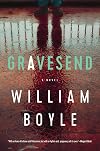
GRAVESEND is a noir that deviates from the more classic mode because the revenge killer just can’t pull the trigger and the victim really couldn’t care less if he is killed. Nonetheless, Boyle portrays working class Brooklyn as a dark place filled with grim characters clinging to a past that may not have been all that ideal. They live with memories of high school crushes, slights, and rebellions.
Boyle portrays his Italian-American characters as people who live in the past and identify show more strongly with their neighborhood. Conway D'Innocenzio wants to revenge the killing of his gay brother by a high school bully named Ray Boy. He is a local looser working a dead-end job at a Rite Aid and caring for his widowed father. Alessandra Biagini briefly escaped Gravesend to LA where she failed in her goal to become an actress but now she’s home caring for her recently widowed father. She has a drinking problem and is reluctantly seeking old contacts in the neighborhood. Eugene Calabrese is a petty high school hood, who idolizes his legendary Uncle Ray Boy. He’s eager to assume the hoodlum role that his uncle seems to have abandoned. Ray Boy is the most enigmatic figure in the book. Apparently he was a “Fonzie” type who has changed dramatically as a result of his 16 years in prison for the hate crime of murdering Duncan D'Innocenzio. These characters are supported by a cast of local losers including a worn-out cop names McKenna, a wealthy ne’er-do-well called Sweat, and a high school friend who never left home and pines for Conway.
The novel follows three interrelated plotlines. Conway means to kill Ray Boy but finds he really doesn’t have the killer instinct. Alessandra tries to relive her high school crush on Ray Boy while being stalked by Conway. And Eugene hatches a crazy scheme to rob a local crime boss. It is obvious from the outset that none of this will end well. After being told by a reader that they could see the end coming a mile away, Boyle was heard to say, “Yeah, it’s not a mystery novel. Eugene’s fucking doomed from the start. You could sense that because that’s the way I made it. There are no options for him.” The same seems true for Conway and Alessandra.
Boyle unflinchingly portrays his old neighborhood as a dark and perverse place where everything is broken, and people never leave or are inevitably drawn back. It is obvious that he knows this place and these people well. In the best Rocky fashion, Eugene sticks a “yo” on the back of much of what he says. On traveling north along the Hudson, Sweat admits that this was the first time he ever crossed the river. All history revolves not just around the neighborhood but the block.
This is a clever twist on the crime/noir genre wit a few interesting things to say about the insularity of big city neighborhoods. show less
Boyle portrays his Italian-American characters as people who live in the past and identify show more strongly with their neighborhood. Conway D'Innocenzio wants to revenge the killing of his gay brother by a high school bully named Ray Boy. He is a local looser working a dead-end job at a Rite Aid and caring for his widowed father. Alessandra Biagini briefly escaped Gravesend to LA where she failed in her goal to become an actress but now she’s home caring for her recently widowed father. She has a drinking problem and is reluctantly seeking old contacts in the neighborhood. Eugene Calabrese is a petty high school hood, who idolizes his legendary Uncle Ray Boy. He’s eager to assume the hoodlum role that his uncle seems to have abandoned. Ray Boy is the most enigmatic figure in the book. Apparently he was a “Fonzie” type who has changed dramatically as a result of his 16 years in prison for the hate crime of murdering Duncan D'Innocenzio. These characters are supported by a cast of local losers including a worn-out cop names McKenna, a wealthy ne’er-do-well called Sweat, and a high school friend who never left home and pines for Conway.
The novel follows three interrelated plotlines. Conway means to kill Ray Boy but finds he really doesn’t have the killer instinct. Alessandra tries to relive her high school crush on Ray Boy while being stalked by Conway. And Eugene hatches a crazy scheme to rob a local crime boss. It is obvious from the outset that none of this will end well. After being told by a reader that they could see the end coming a mile away, Boyle was heard to say, “Yeah, it’s not a mystery novel. Eugene’s fucking doomed from the start. You could sense that because that’s the way I made it. There are no options for him.” The same seems true for Conway and Alessandra.
Boyle unflinchingly portrays his old neighborhood as a dark and perverse place where everything is broken, and people never leave or are inevitably drawn back. It is obvious that he knows this place and these people well. In the best Rocky fashion, Eugene sticks a “yo” on the back of much of what he says. On traveling north along the Hudson, Sweat admits that this was the first time he ever crossed the river. All history revolves not just around the neighborhood but the block.
This is a clever twist on the crime/noir genre wit a few interesting things to say about the insularity of big city neighborhoods. show less
My thoughts
What worked for me:
Amy
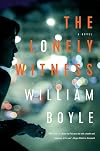
She’s a flawed, interesting, and not quite sympathetic character. While she’s conflicted about her actions, but she gets a voyeuristic thrill from them. It’s a bit of excitement in her dull life. Trying to “help a little” as a Eucharistic Minister to elderly shut-ins isn’t as rousing as her previous crowd. She’s gay, though she never bothers to explain this to the elderly people trying to set her up with their grandsons/nephews/neighbors/random show more single males in their lives.
Early in the book, Amy recounts witnessing a murder. (This happens on page 10, so it’s not a spoiler.) As a young teen, she watched through a window as her next-door neighbor strangled a man. She never spoke up. When she begins following the killer, she never finds proof that a murder happened. She even looks forward to seeing the killer: it’s exciting when everything–her grandparents, school, church, life–is boring. If that doesn’t pique your interest in this character, I’m not certain what will.
The tone
Boyle constantly increases the creepiness level in the story. Just when I thought it couldn’t get any creepier, it did. Even reading the ending first didn’t lessen the tension and didn’t take away the chilling, ominous feeling covering me while I read.
The setting
I was impressed by how well Boyle used the Brooklyn setting. With it, he creates a mood of despair and brokenness, of thwarted dreams and a dying, forgotten place filled with forgotten people. It’s the former home of Amy’s ex-girlfriend, who was desperate to leave and when she returns, feels trapped in it again. Yet Amy chooses to move here.
The Catholicism/saints motifs
(Remember, I have a degree in English, so I geek out about literary symbolism.)
Boyle does a great job with this one. From St. Therese, who inspires Amy to “help a little”, to the priest’s admonitions to give her father a second chance, to the St. Joan medal she filches, intending to give it to her ex-girlfriend: it works to add depth and dimension to the characters and the story.
The ending
(No spoilers!)
It might not be the ending that I want, but it works. Amy has grown as a character. The loose threads are mostly tied and clipped. The other characters are accounted for. It’s a satisfying ending.
What didn’t work for me:
I can't think of anything. I truly enjoyed this book!
That's interesting to me, as I usually dislike noir as a subgenre. It’s too cynical. The protagonists remind me too much of myself on a bad mental health binge, making all the wrong choices in life. (Don’t ask.) Watching people screw up their lives is too darned depressing. Whenever I read a novel in this subgenre, I feel like the author and I are pitted against each other: will the strength of the story win, or will the book only confirm my prejudice against the genre? I typically give up after a few chapters.
So, Meredith, you ask, why’d you read this book?
The cover. It hit all the right notes for me, and that was enough to entice me to open the cover and read the story.
Despite the distinctly noir tone of the novel, despite the cynicism and fatality of Amy’s views, despite all that, Boyle won: I flew through this story. I grew to care about Amy, even when she was at her most self-destructive. Bravo, Mr. Boyle.
Overall, this is an impressive book. show less
What worked for me:
Amy
She’s a flawed, interesting, and not quite sympathetic character. While she’s conflicted about her actions, but she gets a voyeuristic thrill from them. It’s a bit of excitement in her dull life. Trying to “help a little” as a Eucharistic Minister to elderly shut-ins isn’t as rousing as her previous crowd. She’s gay, though she never bothers to explain this to the elderly people trying to set her up with their grandsons/nephews/neighbors/random show more single males in their lives.
Early in the book, Amy recounts witnessing a murder. (This happens on page 10, so it’s not a spoiler.) As a young teen, she watched through a window as her next-door neighbor strangled a man. She never spoke up. When she begins following the killer, she never finds proof that a murder happened. She even looks forward to seeing the killer: it’s exciting when everything–her grandparents, school, church, life–is boring. If that doesn’t pique your interest in this character, I’m not certain what will.
The tone
Boyle constantly increases the creepiness level in the story. Just when I thought it couldn’t get any creepier, it did. Even reading the ending first didn’t lessen the tension and didn’t take away the chilling, ominous feeling covering me while I read.
The setting
I was impressed by how well Boyle used the Brooklyn setting. With it, he creates a mood of despair and brokenness, of thwarted dreams and a dying, forgotten place filled with forgotten people. It’s the former home of Amy’s ex-girlfriend, who was desperate to leave and when she returns, feels trapped in it again. Yet Amy chooses to move here.
The Catholicism/saints motifs
(Remember, I have a degree in English, so I geek out about literary symbolism.)
Boyle does a great job with this one. From St. Therese, who inspires Amy to “help a little”, to the priest’s admonitions to give her father a second chance, to the St. Joan medal she filches, intending to give it to her ex-girlfriend: it works to add depth and dimension to the characters and the story.
The ending
(No spoilers!)
It might not be the ending that I want, but it works. Amy has grown as a character. The loose threads are mostly tied and clipped. The other characters are accounted for. It’s a satisfying ending.
What didn’t work for me:
I can't think of anything. I truly enjoyed this book!
That's interesting to me, as I usually dislike noir as a subgenre. It’s too cynical. The protagonists remind me too much of myself on a bad mental health binge, making all the wrong choices in life. (Don’t ask.) Watching people screw up their lives is too darned depressing. Whenever I read a novel in this subgenre, I feel like the author and I are pitted against each other: will the strength of the story win, or will the book only confirm my prejudice against the genre? I typically give up after a few chapters.
So, Meredith, you ask, why’d you read this book?
The cover. It hit all the right notes for me, and that was enough to entice me to open the cover and read the story.
Despite the distinctly noir tone of the novel, despite the cynicism and fatality of Amy’s views, despite all that, Boyle won: I flew through this story. I grew to care about Amy, even when she was at her most self-destructive. Bravo, Mr. Boyle.
Overall, this is an impressive book. show less
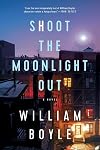
Shoot the Moonlight Out, the new thriller by William Boyle, starts in 1996 with a tragedy that plays out in the main events of the book that take place in 2001.
The book is dense with plot and characters who have individual personalities but are all shady, shabby, or broken in some way. The setting is as much a character as the people. It’s south Brooklyn the day before yesterday, so there is a grey haze of gritty nostalgia over the whole thing. It’s clear that Boyle knows south Brooklyn show more down to the last crack in the sidewalk and he brings it to life for the reader.
All in all, Shoot the Moonlight Out is a gripping, character-driven crime novel, perfect for fans of urban noir. show less
The book is dense with plot and characters who have individual personalities but are all shady, shabby, or broken in some way. The setting is as much a character as the people. It’s south Brooklyn the day before yesterday, so there is a grey haze of gritty nostalgia over the whole thing. It’s clear that Boyle knows south Brooklyn show more down to the last crack in the sidewalk and he brings it to life for the reader.
All in all, Shoot the Moonlight Out is a gripping, character-driven crime novel, perfect for fans of urban noir. show less
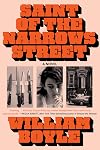
This intense family drama begins in Gravesend, Brooklyn-1986. Risa Franzone is a young wife and mother of an eight-month old baby. Unfortunately she is married to a loose cannon of a husband, who is not only unfaithful but dangerous. One fateful morning a tragic accident happens in their kitchen, during an ugly argument. This day will haunt Risa for the decades to come, along with her sister and a longtime friend who had helped her in the aftermath of this unfortunate event. The writing is show more solid. Fans of Dennis Lehane will like his style and approach. My problem with the novel was how relentlessly grim it became. I kept hoping for something bright to shine through the dismal haze but it never came.
*Thanks to Netgalley for an advanced e-galley. show less
*Thanks to Netgalley for an advanced e-galley. show less
Lists
Awards


You May Also Like


Associated Authors
Statistics
- Works
- 11
- Also by
- 6
- Members
- 443
- Popularity
- #55,290
- Rating
- 3.6
- Reviews
- 20
- ISBNs
- 60
- Languages
- 4