
Marianne Taylor
Author of Bats: An Illustrated Guide to All Species
About the Author
Marianne Taylor is a writer, illustrator, and wildlife photographer. She's written more than twenty books for adults and children, including the companion volume, How Insects Work.
Series
Works by Marianne Taylor
How Insects Work: An Illustrated Guide to the Wonders of Form and Function―from Antennae to Wings (How Nature Works) (2020) 59 copies
How Birds Work: An Illustrated Guide to the Wonders of Form and Function―from Bones to Beak (How Nature Works) (2020) 42 copies
What If Humans Were Like Animals?: The Amazing and Disgusting Life You'd Lead as a Snake, Bird, Fish, or Worm! (2012) 12 copies
Science in Bite-Sized Chunks 8 copies
Discovering the Microscopic World: A Guide to the Incredible Structures of Organisms (2024) 5 copies
Discovering the Prehistoric World: A Guide to the Astonishing Forms of Early Life on Earth (2024) 4 copies
Eine Geschichte des Lebens - auf zehneinhalb Arten erzählt: Grundfragen der Evolution- verständlich erklärt (2021) 2 copies
John Mills Himself 1 copy
A Naturalist's Guide to the Garden Wildlife of Britain and Northern Europe (2nd edition) (2019) 1 copy
Trädgårdens växter och djur 1 copy
Associated Works
Tagged
Common Knowledge
- Canonical name
- Taylor, Marianne
- Birthdate
- 1972
- Gender
- female
- Occupations
- writer (freelance)
editor
illustrator
photographer - Organizations
- Birdwatch (contributor)
Independent (contributor)
BBC Wildlife (contributor)
Country Life (contributor)
Nature's Home (contributor)
The Lady (contributor) - Nationality
- England
UK - Places of residence
- Sevenoaks, Kent, England, UK
- Map Location
- UK
Members
Reviews
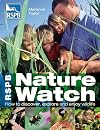
This has been an exciting book to read. It has sent me all over the internet for more information on certain points. A visit to one of the nature reserves mentioned as being good for dragonflies ended with a breathtaking display of aerobatics by an emperor dragonfly. I learned more about the birdfood I regularly put out... At first it seems rather simple with the two page display on every subject, but as you get in, the pages get more specific, and the references to other resources more show more frequent.
There is a lot in here for everyone. Activities suited to families with young children are often described, as well as opportunities for those who might want to move into wildlife careers. This assumes a UK base, but much of the information is also useful for others.
As you would expect, birds get top billing, but there is good starting information about other kinds of animals, and about plants and fungi. show less
There is a lot in here for everyone. Activities suited to families with young children are often described, as well as opportunities for those who might want to move into wildlife careers. This assumes a UK base, but much of the information is also useful for others.
As you would expect, birds get top billing, but there is good starting information about other kinds of animals, and about plants and fungi. show less
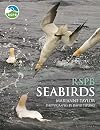
I’m very pleased with this. It gives an in-depth account of most of the seabirds on the British list and brief discussions of the real rarities.
Having all the seabirds in depth in one volume, irrespective of the taxonomy, has given me a much better idea of what birds I should be looking out for, and where, on my visits to the coast. My guidebooks tend to be ‘Britain and Europe’ so that it’s not easy to sort out the ‘possibles’ from a lot of birds I have no realistic chance of show more seeing unless I take a trip to the continent. I'd probably have had to put in a lot of time and make copious notes to do so.
It’s especially made me aware of the not particularly rare species I’ve never seen but really should have by now. This should help me to see quite a number of new species comparatively easily.
It’s ironic that my visits to the coast have been stopped by the COVID-19 regulations since I’ve had this so I haven’t been able to enjoy the fruits of my reading, but I’m pretty sure it will bear fruit. show less
Having all the seabirds in depth in one volume, irrespective of the taxonomy, has given me a much better idea of what birds I should be looking out for, and where, on my visits to the coast. My guidebooks tend to be ‘Britain and Europe’ so that it’s not easy to sort out the ‘possibles’ from a lot of birds I have no realistic chance of show more seeing unless I take a trip to the continent. I'd probably have had to put in a lot of time and make copious notes to do so.
It’s especially made me aware of the not particularly rare species I’ve never seen but really should have by now. This should help me to see quite a number of new species comparatively easily.
It’s ironic that my visits to the coast have been stopped by the COVID-19 regulations since I’ve had this so I haven’t been able to enjoy the fruits of my reading, but I’m pretty sure it will bear fruit. show less
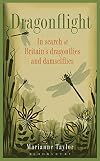
A delightful book. This tells the story of two years trying to see all the British dragonflies and damselflies. I have also looked for dragons at some of these locations, and now have several more on my list for our next trip.
If I have any complaint it is that after hearing so much about some of the pictures she took, you want to see the pictures. There are a few, but just a few, and the text doesn't tell you which ones are there.
If I have any complaint it is that after hearing so much about some of the pictures she took, you want to see the pictures. There are a few, but just a few, and the text doesn't tell you which ones are there.
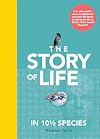
I received an ARC from the publisher in exchange for an honest review.
When a very well designed infographic evolves by incorporating great amounts of scientific information, the end product is Marianne Taylor's The Story of Life in 10 1/2 Species. My nerdy self really enjoyed this book. It felt like an attractive, fun, and visually captivating textbook offering a glimpse at the development of selected species in the evolution of life on earth. The last chapter was unexpected, offering a show more window into the future. show less
When a very well designed infographic evolves by incorporating great amounts of scientific information, the end product is Marianne Taylor's The Story of Life in 10 1/2 Species. My nerdy self really enjoyed this book. It felt like an attractive, fun, and visually captivating textbook offering a glimpse at the development of selected species in the evolution of life on earth. The last chapter was unexpected, offering a show more window into the future. show less
Lists
Awards


You May Also Like


Associated Authors
Statistics
- Works
- 61
- Also by
- 1
- Members
- 775
- Popularity
- #32,828
- Rating
- 3.8
- Reviews
- 8
- ISBNs
- 125
- Languages
- 4