
Kate Scelsa
Author of Fans of the Impossible Life
Works by Kate Scelsa
Associated Works
All Out: The No-Longer-Secret Stories of Queer Teens throughout the Ages (2018) — Contributor — 604 copies, 18 reviews
Tagged
Common Knowledge
- Birthdate
- 20th Century
- Gender
- female
- Nationality
- USA
- Birthplace
- New Jersey, USA
- Places of residence
- Brooklyn, New York, USA
- Associated Place (for map)
- USA
Members
Reviews
Original de: El Extraño Gato del Cuento
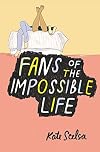
Si no me equivoco, en la versión de la sinopsis para USA dice "La historia de una chica, su mejor amigo gay y el chico que se enamoró de los dos", leyendo eso más la portada, te da entender que podrías tener un libro sobre un triángulo amoroso bisexual o una historia con protagonistas polígamos. Es lo que uno piensa a la primera. Pero no es eso.
La primera vez que leí sobre un personaje bisexual, fue cuando leí Pretty Little Liars, tengo muy show more marcado ese recuerdo porque lo leí de muy joven, y a pesar de que sabía que yo era bisexual, aún no había hecho las pases con la etiqueta. Fans of the Impossible Life, es sobre un chico que te podrá mostrar lo que es ser bisexual. No es que nos guste todo el mundo (aunque de vez en cuando he bromeado con eso, no lo es), sino que es sobre específicas personas. Jeremy, uno de los narradores, me hizo sentir muy a gusto leyéndolo, porque durante gran parte del libro está seguro de ser gay, pero a la misma vez tiene esta fascinación por Mira y Sebby. La bisexualidad es eso, ver cuan grandiosa es una persona sin importar su género.
Además, me encantó como Kate Scelsa en lugar de darnos un personaje heterosexual que empieza tener sentimientos hacía alguien de su mismo género, lo hace al revés: un personaje seguro de su homosexualidad, hasta que conoce a Mira. Ser bisexual, es como jugar a la ruleta rusa a veces u.u Un problema, ah.
YO. TÚ. ÉL.
He tenido el placer de leer todo tipo de narrativa, una que siempre voy a recordar será When Everything Feels like the Movies, y otra será Fans of the Impossible Life.
Creo que es la primera vez que leo un libro con capítulos narrados en segunda persona, y no me había dado cuenta de que tan triste y melancólico podría sentirse el leerlo. Sebby de por si es un personaje que genera demasiada ternura y un miedo por él. Esos personajes tan perfectos y rotos que solo necesitas protegerlo de la escritora porque de seguro lo tortura. Junta el aura del personaje más la forma de narrar y tienes capítulos bastante duros de leer, tuve la misma sensación que cuando leí los primeros capítulos de Lies We Tell Ourselves, de sacarlos del libro y darles de comer y protegerlos del mundo.
***
¿Recomiendo este libro? Un enorme sí, tiene una narración preciosa, los personajes son entrañables y la historia va mucho más allá sobre la sexualidad de los personajes. La verdad es que estoy entre resumir el libro y soltar spoilers a lo loco o no contar nada más porque quiero que experimentes el libro también.
Twitter || Blog || Pinterest || Tumblr || Instagram || Facebook show less
Si no me equivoco, en la versión de la sinopsis para USA dice "La historia de una chica, su mejor amigo gay y el chico que se enamoró de los dos", leyendo eso más la portada, te da entender que podrías tener un libro sobre un triángulo amoroso bisexual o una historia con protagonistas polígamos. Es lo que uno piensa a la primera. Pero no es eso.
La primera vez que leí sobre un personaje bisexual, fue cuando leí Pretty Little Liars, tengo muy show more marcado ese recuerdo porque lo leí de muy joven, y a pesar de que sabía que yo era bisexual, aún no había hecho las pases con la etiqueta. Fans of the Impossible Life, es sobre un chico que te podrá mostrar lo que es ser bisexual. No es que nos guste todo el mundo (aunque de vez en cuando he bromeado con eso, no lo es), sino que es sobre específicas personas. Jeremy, uno de los narradores, me hizo sentir muy a gusto leyéndolo, porque durante gran parte del libro está seguro de ser gay, pero a la misma vez tiene esta fascinación por Mira y Sebby. La bisexualidad es eso, ver cuan grandiosa es una persona sin importar su género.
Además, me encantó como Kate Scelsa en lugar de darnos un personaje heterosexual que empieza tener sentimientos hacía alguien de su mismo género, lo hace al revés: un personaje seguro de su homosexualidad, hasta que conoce a Mira. Ser bisexual, es como jugar a la ruleta rusa a veces u.u Un problema, ah.
YO. TÚ. ÉL.
He tenido el placer de leer todo tipo de narrativa, una que siempre voy a recordar será When Everything Feels like the Movies, y otra será Fans of the Impossible Life.
Creo que es la primera vez que leo un libro con capítulos narrados en segunda persona, y no me había dado cuenta de que tan triste y melancólico podría sentirse el leerlo. Sebby de por si es un personaje que genera demasiada ternura y un miedo por él. Esos personajes tan perfectos y rotos que solo necesitas protegerlo de la escritora porque de seguro lo tortura. Junta el aura del personaje más la forma de narrar y tienes capítulos bastante duros de leer, tuve la misma sensación que cuando leí los primeros capítulos de Lies We Tell Ourselves, de sacarlos del libro y darles de comer y protegerlos del mundo.
***
¿Recomiendo este libro? Un enorme sí, tiene una narración preciosa, los personajes son entrañables y la historia va mucho más allá sobre la sexualidad de los personajes. La verdad es que estoy entre resumir el libro y soltar spoilers a lo loco o no contar nada más porque quiero que experimentes el libro también.
Twitter || Blog || Pinterest || Tumblr || Instagram || Facebook show less
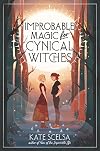
I didn’t expect much from this book, but damn, if it wasn’t absolutely adorable and exactly what I needed to read right now! The story follows highschooler Eleanor, an outcast who found herself on the wrong side of the expected small town drama of Salem (yes, even witchy towns have their clichéd high school bullies) and who must find her way back into her own life by learning to trust again. Everything kicks off when a handmade guide to the tarot is anonymously delivered to the witch show more souvenir shop she works at (run by her mum’s best friend) and she finds herself unceremoniously thrust into a coven of teenage witches. This set-up sounds like a total cliché, but I actually really liked the witchy meet-cute (hehe, young witches in love, we’re into it) since it wasn’t at all what Eleanor was expecting and her new group of friends clearly pull her way out of her comfort zone in the best way possible. The story loosely follows the tarot’s Major Arcana, with personable descriptions of the cards interspersing the story and acting as paired inspiration (or just well-timed happenstance) for Eleanor’s journey towards a happy outcome. In theory, this framing device could have easily fallen flat and made the story seem forced, but Scelsa’s tongue-in-cheek tarot asides act as timely and occasionally comedic breaks that show subtly how the cards can apply to the real world. Like all good witchy books, the narrative teaches as it tells its story, so not only do we get a light crash course in the mystical abilities of the tarot, we’re also inspired by the power of found community, explore family dynamics, and get entertained by the small town happenings of witch-central Salem. It might just be time to revitalise my own coven, since we’ve been very bad witches lately and the Summer Solstice is almost upon us! show less
This was a super sweet and easy read. The writing style kept me engaged the entire book with wanting to know what happened next and discovering what happened in past events. It could very easily be read in a day if you had an open day to spare. I would also note a TW for some brief homophobic language in one part of the book.
Things I liked:
Susan — I don't know if I want to be her or if I'm just jealous that I don't have my own Susan in my life.
Simon — I wish he had a bigger role show more throughout the book. He made me laugh every time. AND I'm so thankful for him giving the snap back to reality speech towards the end.
The emotions that Eleanor goes through were EXTREMELY relatable. This is a contemporary YA story, so while she is 17 years old and the story is geared toward an audience younger than me, the feelings were still relatable to me (in my 30s).
Things I didn’t like:
Look, I know it says "cynical" right on the cover, but I was STRUGGLING with Eleanor's negativity.
There was also an overwhelming amount of secondhand embarrassment like I was pleading with these pages to stop. That was ultimately what made me go from a 4 star rating to 3.75. It was just soooo difficult to read, it was giving me a tummy ache. show less
Things I liked:
Susan — I don't know if I want to be her or if I'm just jealous that I don't have my own Susan in my life.
Simon — I wish he had a bigger role show more throughout the book. He made me laugh every time. AND I'm so thankful for him giving the snap back to reality speech towards the end.
The emotions that Eleanor goes through were EXTREMELY relatable. This is a contemporary YA story, so while she is 17 years old and the story is geared toward an audience younger than me, the feelings were still relatable to me (in my 30s).
Things I didn’t like:
Look, I know it says "cynical" right on the cover, but I was STRUGGLING with Eleanor's negativity.
There was also an overwhelming amount of secondhand embarrassment like I was pleading with these pages to stop. That was ultimately what made me go from a 4 star rating to 3.75. It was just soooo difficult to read, it was giving me a tummy ache. show less
I appreciate the frank way Scelsa tackles issues like mental illness and foster care in this book. We see how Sebby spirals due in part to a foster home that can't accept any part of him, and how Mira's entire family struggles on how to cope with a mentally ill daughter. It felt like a good representation of teenagers and how they view the world. Each character felt complex and had depth to them. I appreciate how Sebby was shown to be this flawed individual who continuously made the "wrong" show more choices, because it felt accurate to the situation he was in and what options he felt he had. I'm not sure how I felt about the romance between any of them, nor any aspects of their physical relationship. The only times they seemed intimate, at least one of them was not in the right mindset, which did leave me feeling icky towards their relationship, and they were clearly unhealthily codependent. It was almost sweet though, how they found a little slice of acceptance with each other when they felt the whole world was against them.
I started off the off the book disliking the way the pov would change for every character, specifically reading the 2nd person pov for Sebby. I found it jarring and have never personally been a fan of 2nd person. However, by the end it served as both a quick and easy way to remind the reader what chapter their in but also a way the characters view themselves. Jeremy is intensely away of himself, thus 1st person. Mira is putting distance between herself and the world as she deals with her depression (3rd person), and Sebby is trying to find the words to get anyone to understand his struggles (2nd). The writing style ended up growing on me. show less
I started off the off the book disliking the way the pov would change for every character, specifically reading the 2nd person pov for Sebby. I found it jarring and have never personally been a fan of 2nd person. However, by the end it served as both a quick and easy way to remind the reader what chapter their in but also a way the characters view themselves. Jeremy is intensely away of himself, thus 1st person. Mira is putting distance between herself and the world as she deals with her depression (3rd person), and Sebby is trying to find the words to get anyone to understand his struggles (2nd). The writing style ended up growing on me. show less
Lists
Awards


You May Also Like


Associated Authors
Statistics
- Works
- 5
- Also by
- 1
- Members
- 471
- Popularity
- #52,266
- Rating
- 3.8
- Reviews
- 22
- ISBNs
- 32
- Languages
- 6