
Ted A. Campbell
Author of Methodist Doctrine: The Essentials
About the Author
Ted A. Campbell is Associate Professor of Church History at Perkins School of Theology at Southern Methodist University in Dailas, Texas.
Works by Ted A. Campbell
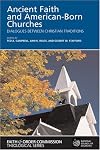
Ancient Faith and American-Born Churches: Dialogues Between Christian Traditions (Faith and Order Commission Theological) (2005) — Editor; Author — 19 copies, 1 review
The Religion of the Heart: A Study of European Religious Life in the Seventeenth and Eighteenth Centuries (1991) 17 copies
Wesleyan Beliefs: Formal and Popular Expressions of the Core Beliefs of Wesleyan Communities (2010) 7 copies
Associated Works
Tagged
Common Knowledge
Members
Reviews
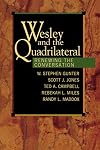
First published in 1997, this slim volume represents an attempt at the Wesleyan/Methodist practice of conference, coming together to discuss ideas and hopefully come to a consensus. Reading this twenty-seven years later—this was chosen as a text for my upcoming class because it is available in a Korean translation—I am struck by how some of the fears expressed within these contributed essays have come to fruition. For nothing is more clear in 2024 as regards United Methodism (at least show more from this outsider’s perspective) that United Methodism may only become further disunited as the next few years go by.
The authors emphasize in their various ways that how John Wesley understood Scripture, tradition, reason, and experience meant particular things in the 18th century (his life spanned nearly the entire century from 1703–1791). It was interesting to read these reflections and reflect upon my reading in light of what has taken place in the succeeding decades. The future looks…interesting, and one must always remember the dictum expressed in Orwell’s 1984: “He who controls the past controls the future. He who controls the present controls the past.” show less
The authors emphasize in their various ways that how John Wesley understood Scripture, tradition, reason, and experience meant particular things in the 18th century (his life spanned nearly the entire century from 1703–1791). It was interesting to read these reflections and reflect upon my reading in light of what has taken place in the succeeding decades. The future looks…interesting, and one must always remember the dictum expressed in Orwell’s 1984: “He who controls the past controls the future. He who controls the present controls the past.” show less
You May Also Like


Associated Authors
Statistics
- Works
- 20
- Also by
- 2
- Members
- 466
- Popularity
- #52,774
- Rating
- 3.8
- Reviews
- 3
- ISBNs
- 31
- Languages
- 2