

Charles R. Pellegrino
Author of Dyson Sphere
About the Author
Charles Pellegrino has been known to work simultaneously in entomology, forensic physics, paleogenetics, preliminary design of advanced rocket systems, astrobiology, and marine archaeology. The author of eighteen books of fiction and nonfiction. Dr. Pellegrino lives in New York City
Works by Charles R. Pellegrino
The Jesus Family Tomb: The Discovery, the Investigation, and the Evidence That Could Change History (2007) 277 copies, 7 reviews
Ghosts of Vesuvius: A New Look at the Last Days of Pompeii, How Towers Fall, and Other Strange Connections (2004) 273 copies, 5 reviews
The Last Train from Hiroshima: The Survivors Look Back (John MacRae Books) (2010) 155 copies, 7 reviews
To Hell and Back: The Last Train from Hiroshima (Asia/Pacific/Perspectives) (2015) 92 copies, 3 reviews
Oh, Miranda! {short story} 1 copy
American Vesuvius 1 copy
Associated Works
Tagged
Common Knowledge
- Legal name
- Pellegrino, Charles R.A.
- Other names
- PELLEGRINO, Charles R. A,
PELLEGRINO, Charles R.
PELLEGRINO, Charles - Birthdate
- 1953-05-05
- Gender
- male
- Education
- Long Island University ( [1975, 1977])
Victoria University of Wellington, New Zealand (Ph.D. student - degree not awarded) - Occupations
- paleobiologist
astronomer
rocket designer
transport designer
lecturer
author - Organizations
- Science Fiction and Fantasy Writers of America
- Awards and honors
- Fellow of the British Interplanetary Society
- Agent
- Elaine Markson (literary agent)
George Greenfield (Creative Well ∙ Inc. ∙ lecture agent) - Nationality
- USA
- Places of residence
- New York, New York, USA
- Associated Place (for map)
- New York, USA
Members
Reviews

I started this book with low expectations thinking it would be just another rip-roaring space adventure and I must say I was pleasantly surprised. It IS an adventure (a tragic adventure) for sure, but it is also a fantastical lecture on physics and biology, a theological discourse, and an interesting debate on life, the universe, and everything else. Add a bit of dark satire plus a few cheeky cameos from the likes of Isaac Asimov, Arthur C. Clarke, and Jesus and his friend Buddha (sort of) show more and you have a pretty cool novel that kept me up way past my bedtime. show less
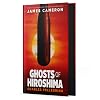
The 6th of August marks the 80th anniversary of the first use of a nuclear weapon on an enemy. The USA bombed Hiroshima that morning, and Charles Pellegrino has released his new book The Ghosts of Hiroshima on that day, too. It follows a handful of the 300 survivors of Hiroshima who then took the train to Nagasaki to get away from the hellscape of the aftermath, only to undergo it again just two days later. A few survived both, and these are their stories.
It was of course pure dumb luck to show more survive at all. About 140,000 in Hiroshima did not. Most were vaporized so quickly their brains never had a chance to signal the pain of their injuries. Some were carbonized on the spot, while speaking a word, or chewing a bite of food, or just standing. One was pulling a cart with two children in it. They all became charcoal statues, which later acquired the name dead-alive effect. Others left imprints on walls as the blast painted the nearest surface with their silhouette. It was as horrific as any science fiction, but it was all far too real for the survivors.
The survivors happened to be underground or in a building where angles were sufficient to deflect the worst of the effects. Depending on the position of hills, and air and moisture and any number of other circumstances, the bomb actually created a cocoon effect for some people, who escaped largely unscathed when all around them literally disappeared in less than a second.
Unfortunately for the survivors and the air, soil and water, the dead came back as black rain. It rained black blood vapors from a hundred thousand people, coating the survivors and entering their bodies as water or food from crops later planted in the irradiated soil. Drinking the black water from broken pipes was necessary, but usually meant early death.
There were no medical facilities. The Japanese government sent no help. Food was already rationed at far less than minimum requirements, and of course stopped at that point. There was nothing anyone could do about anything in Hiroshima.
Going home to parents or their own homes in Nagasaki was no relief, it turned out. Food was no more plentiful. Nor were medicines. Some survivors came up against idiocy like their co-workers not believing such a bomb could be, or if it did exist, how this one person could have survived it. It must have been a giant hoax.
Then the USA struck again. Nagasaki was not the primary target on the 8th of August; a munitions factory zone was. But the rule book in those days required that the crew actually see the ground they were to bomb, and clouds prevented that, so it was on to Nagasaki on the way home. The city was not much better for clarity, and the bomber circled so many times over both sites it was doubtful it could make it home. Finally a break in the clouds allowed them to see they had missed, but not by much, and dropped their bomb anyway.
Once again, people saw the incredibly bright white flash that had no sound but penetrated their entire bodies, lighting them up. Then the explosion, the wind, the heat, the devastation, and the endless fires. The cities were simply leveled. It was difficult to know where anything used to be. Many survivors found that they could not see, or hear. Sometimes their fingers were melted together. Or their skin slid off. And many developed purple stars all over their bodies in the following days and weeks, as radiation overtook them. For those who recovered, cancer developed, again and again and again. Child survivors did worse than adults as their organs were not yet fully formed and armed.
The bomb shattered glass of course, and microscopic shards became as bullets, burying themselves deep into bodies. One young girl had a nail driven into her leg bone so deep and hard it could not be pulled out. For the locals, “people would continue to die in ways that people never imagined people could die.” Total deaths for the two bombs was over 200,000.
Pellegrino is nothing if not vivid in his narrative. The descriptions are haunting: “…Even with his ears covered, the sound that came to him was earth-shattering. His eyes were closed and buried in mud, but he could see and feel the glare of the fireball as if the light were shining through the back of his skull and striking his retinas, which it was.”
The survivors did not yet know it, but this hell was only the beginning for them. The Japanese wanted nothing to do with them. They were sickly and polluted. They were rejected at every turn. Women were damned for giving birth to more children, men for marrying a second time. Relatives in the USA were no help; they were incarcerated in concentration camps with no communications. Soon enough, some of them were actually deported to Hiroshima, even if they were born and raised in the USA. This was not a help to the survivors either. One survivor actually kept his status from everyone for decades. His own daughter did not know until she was 65, when documentary filmmakers tracked him down.
This book has been a very long term project, interviewing the survivors and the experts, assembling it all into a narrative. It is tightly constructed, and moves very quickly, making it ironically a pleasure. There are the occasional, surprising lapses, like using persecute when he means prosecute, or telling the story of men from the Canarsie tribe collecting their bounty for the “sale” of Manhattan to Peter Minuit and rowing their canoes back over to Brooklyn. But canoes have no oarlocks, and the Natives didn’t use oars. Canoes are paddled. These little sloppy things don’t by any means ruin the power of this book; they’re just surprising for something this thorough and vetted.
Pellegrino ends with a very long question: “…Perhaps the most important question facing human civilization has been not how inadequate leaders got that way, but what characteristics of human nature cause civilizations to so consistently choose the most dangerously inadequate and elevate them to positions of authority where they can inflict the greatest harm.” Sounds ominously familiar here in 2025 America.
David Wineberg show less
It was of course pure dumb luck to show more survive at all. About 140,000 in Hiroshima did not. Most were vaporized so quickly their brains never had a chance to signal the pain of their injuries. Some were carbonized on the spot, while speaking a word, or chewing a bite of food, or just standing. One was pulling a cart with two children in it. They all became charcoal statues, which later acquired the name dead-alive effect. Others left imprints on walls as the blast painted the nearest surface with their silhouette. It was as horrific as any science fiction, but it was all far too real for the survivors.
The survivors happened to be underground or in a building where angles were sufficient to deflect the worst of the effects. Depending on the position of hills, and air and moisture and any number of other circumstances, the bomb actually created a cocoon effect for some people, who escaped largely unscathed when all around them literally disappeared in less than a second.
Unfortunately for the survivors and the air, soil and water, the dead came back as black rain. It rained black blood vapors from a hundred thousand people, coating the survivors and entering their bodies as water or food from crops later planted in the irradiated soil. Drinking the black water from broken pipes was necessary, but usually meant early death.
There were no medical facilities. The Japanese government sent no help. Food was already rationed at far less than minimum requirements, and of course stopped at that point. There was nothing anyone could do about anything in Hiroshima.
Going home to parents or their own homes in Nagasaki was no relief, it turned out. Food was no more plentiful. Nor were medicines. Some survivors came up against idiocy like their co-workers not believing such a bomb could be, or if it did exist, how this one person could have survived it. It must have been a giant hoax.
Then the USA struck again. Nagasaki was not the primary target on the 8th of August; a munitions factory zone was. But the rule book in those days required that the crew actually see the ground they were to bomb, and clouds prevented that, so it was on to Nagasaki on the way home. The city was not much better for clarity, and the bomber circled so many times over both sites it was doubtful it could make it home. Finally a break in the clouds allowed them to see they had missed, but not by much, and dropped their bomb anyway.
Once again, people saw the incredibly bright white flash that had no sound but penetrated their entire bodies, lighting them up. Then the explosion, the wind, the heat, the devastation, and the endless fires. The cities were simply leveled. It was difficult to know where anything used to be. Many survivors found that they could not see, or hear. Sometimes their fingers were melted together. Or their skin slid off. And many developed purple stars all over their bodies in the following days and weeks, as radiation overtook them. For those who recovered, cancer developed, again and again and again. Child survivors did worse than adults as their organs were not yet fully formed and armed.
The bomb shattered glass of course, and microscopic shards became as bullets, burying themselves deep into bodies. One young girl had a nail driven into her leg bone so deep and hard it could not be pulled out. For the locals, “people would continue to die in ways that people never imagined people could die.” Total deaths for the two bombs was over 200,000.
Pellegrino is nothing if not vivid in his narrative. The descriptions are haunting: “…Even with his ears covered, the sound that came to him was earth-shattering. His eyes were closed and buried in mud, but he could see and feel the glare of the fireball as if the light were shining through the back of his skull and striking his retinas, which it was.”
The survivors did not yet know it, but this hell was only the beginning for them. The Japanese wanted nothing to do with them. They were sickly and polluted. They were rejected at every turn. Women were damned for giving birth to more children, men for marrying a second time. Relatives in the USA were no help; they were incarcerated in concentration camps with no communications. Soon enough, some of them were actually deported to Hiroshima, even if they were born and raised in the USA. This was not a help to the survivors either. One survivor actually kept his status from everyone for decades. His own daughter did not know until she was 65, when documentary filmmakers tracked him down.
This book has been a very long term project, interviewing the survivors and the experts, assembling it all into a narrative. It is tightly constructed, and moves very quickly, making it ironically a pleasure. There are the occasional, surprising lapses, like using persecute when he means prosecute, or telling the story of men from the Canarsie tribe collecting their bounty for the “sale” of Manhattan to Peter Minuit and rowing their canoes back over to Brooklyn. But canoes have no oarlocks, and the Natives didn’t use oars. Canoes are paddled. These little sloppy things don’t by any means ruin the power of this book; they’re just surprising for something this thorough and vetted.
Pellegrino ends with a very long question: “…Perhaps the most important question facing human civilization has been not how inadequate leaders got that way, but what characteristics of human nature cause civilizations to so consistently choose the most dangerously inadequate and elevate them to positions of authority where they can inflict the greatest harm.” Sounds ominously familiar here in 2025 America.
David Wineberg show less
Charles Pellegrino’s Ghosts of Hiroshima chronicles the bombs of August 1945 through the lens of history’s legacy and the strange coincidences of happenstance. He opens with the author Morgan Robertson, who published cheap pulp stories in the late nineteenth and early twentieth centuries that seemed to foresee the sinking of the Titanic as well as a war between the United States and the Empire of Japan, including Japan’s initial strikes and the war ending with a terrifying new weapon show more that harnessed the power of the sun. Pellegrino details the lives of hibakusha who survived the bombing, including double survivors such as Tsutomu Yamaguchi and Kenshi Hirata, as well as the lives of those who dropped the bombs. In one of the many odd coincidences that drive Pellegrino’s narrative and shape history, Charles Sweeney, the pilot of Bockscar who dropped the bomb on Nagasaki, was later linked by marriage to a survivor’s family from Nagasaki. Meanwhile, Japanese-Americans who were interned under Executive Order 9066 and later deported to Japan were exposed to radiation in the aftermath of Hiroshima, only to find their way back to the United States where their lives took similar twists and turns through history. The book ends on a note of hope, with a plea for peace to heed the warnings of Hiroshima’s ghosts. Pellegrino’s text is a powerful work on the eightieth anniversary of Hiroshima and Nagasaki, brought to brilliant life by Martin Sheen’s narration of this audiobook. show less
Ghosts of Vesuvius: A New Look at the Last Days of Pompeii, How Towers Fall, and Other Strange Connections – A Palaeontologist's Comparative Study from Ancient Roman Catastrophes to Ground Zero by Charles R. Pellegrino
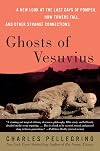
Brilliant account, equally scientific and emotional, of the Pompeii tragedy, with parallels drawn to the 9/11 attacks on the World Trade Center (the physics of the WTC downblasts resembled a mini volcanic eruption). Some will complain Pellegrino goes on far too many religious and other digressions, though some of these serve to contextualize and get into the heads of those living in 1st century Italy; the spiritual philosophizing also follows from the author's own harrowing coincidences show more relevant to the story. Without the digressions, the tome would be halved in length and considerably more concise, but Pellegrino is such a fine writer that it all sort of comes together in a worthwhile way. show less
Lists
Awards


You May Also Like


Associated Authors
Statistics
- Works
- 22
- Also by
- 1
- Members
- 3,005
- Popularity
- #8,491
- Rating
- 3.6
- Reviews
- 60
- ISBNs
- 98
- Languages
- 9
- Favorited
- 7