

Andrew Cartmel
Author of Rivers of London, Vol. 1: Body Work
About the Author
Image credit: Andrew Cartmel
Series
Works by Andrew Cartmel
The Chosen One 1 copy
Associated Works
Time, Unincorporated: The Doctor Who Fanzine Archives, Vol. 3: Writings on the New Series (2011) — Contributor — 18 copies
In●Vision: The Wilderness Years (2003) — Contributor "Tabula Rosa," "The Cartmel Files" and "The Lost Doctor Who" — 2 copies
Tagged
Common Knowledge
- Canonical name
- Cartmel, Andrew
- Legal name
- Cartmel, Andrew
- Birthdate
- 1958-04-06
- Gender
- male
- Agent
- John Berlyne (Zeno Agency)
- Nationality
- UK
- Associated Place (for map)
- UK
Members
Reviews
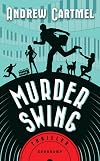
Als die CDs auf den Markt kamen, wurde den Schallplatten ihr baldiger Tod vorhergesagt. Doch wie heisst es so schön: Totgesagte leben länger. Die Umsätze steigen wieder, wenn auch auf niedrigem Niveau, und SammlerInnen sind durchaus bereit, für seltene und gut erhaltene LPs kleine wie auch grössere Vermögen zu bezahlen. Und mit genau diesem Thema stehen sie nun sogar im Mittelpunkt einer neuen unterhaltsamen Krimireihe.
Der namenlose Ich-Erzähler dieses Buches ist ein Vinylsammler show more (insbesondere von Jazz), wenn auch ohne jedes Vermögen. Seinen Lebensunterhalt bestreitet er mit dem Durchforsten von Second-Hand-Läden, Flohmärkten und ähnlichem in der Hoffnung, günstig eine Rarität zu entdecken, die er mit einem entsprechenden Aufschlag wieder verkaufen kann - sofern er sie nicht seiner Sammlung hinzufügt. Eines Tages sucht ihn eine junge attraktive Frau auf, die ihm ein unwiderstehliches Angebot macht: Für einen hohen Geldbetrag soll er eine seltene LP finden. Natürlich nimmt er diese Offerte an und gemeinsam beginnen sie die Suche, müssen jedoch bald feststellen, dass sie offenbar nicht die Einzigen sind. Zudem häufen sich die Todesfälle in ihrer Umgebung - Zufall?
Wen an Krimis nur der aufzuklärende Fall ohne allzuviel Drumherum interessiert, sollte sich lieber eine andere Lektüre suchen. Alle Anderen aber erwartet eine amüsante und durchaus spannende Unterhaltung, die jedoch trotz der vergleichsweise vielen Toten bemerkenswert unblutig daherkommt. Während der Protagonist gemeinsam mit seiner Auftraggeberin bergeweise Plattenstapel durchwühlt, erfahren die Lesenden so ganz nebenbei jede Menge über bekannte und unbekannte Jazzgrössen, geschichtliche Hintergründe wie auch Wissenswertes über High-End-Produkte im HiFi-Bereich. Das mag jetzt vielleicht zäh und langweilig klingen, ist es aber ganz und gar nicht, denn die Hauptfiguren verbindet ein herrlich flapsiger Tonfall in ihren Gesprächen, der mich ständig zum Grinsen brachte. Wie beispielsweise auf dem Flohmarkt: "Schauen Sie sich doch die anderen Sachen an", schlug ich vor. "Ich habe dort drüben ein paar Schuhe gesehen." "Schuhe?", sagte sie. "Aus zweiter Hand?" "Aus zweitem Fuss", sagte ich. "Bekomme ich davon keine Warzen, diese Kornwarzen oder so etwas?" "Dornwarzen", korrigierte ich sie. "Bestimmt ein geringer Preis für ein Paar Jimmy Choos."
Ich habe mich bei diesem Buch richtig gut unterhalten gefühlt und werde mir bestimmt auch den zweiten Band dieser Reihe zulegen. show less
Der namenlose Ich-Erzähler dieses Buches ist ein Vinylsammler show more (insbesondere von Jazz), wenn auch ohne jedes Vermögen. Seinen Lebensunterhalt bestreitet er mit dem Durchforsten von Second-Hand-Läden, Flohmärkten und ähnlichem in der Hoffnung, günstig eine Rarität zu entdecken, die er mit einem entsprechenden Aufschlag wieder verkaufen kann - sofern er sie nicht seiner Sammlung hinzufügt. Eines Tages sucht ihn eine junge attraktive Frau auf, die ihm ein unwiderstehliches Angebot macht: Für einen hohen Geldbetrag soll er eine seltene LP finden. Natürlich nimmt er diese Offerte an und gemeinsam beginnen sie die Suche, müssen jedoch bald feststellen, dass sie offenbar nicht die Einzigen sind. Zudem häufen sich die Todesfälle in ihrer Umgebung - Zufall?
Wen an Krimis nur der aufzuklärende Fall ohne allzuviel Drumherum interessiert, sollte sich lieber eine andere Lektüre suchen. Alle Anderen aber erwartet eine amüsante und durchaus spannende Unterhaltung, die jedoch trotz der vergleichsweise vielen Toten bemerkenswert unblutig daherkommt. Während der Protagonist gemeinsam mit seiner Auftraggeberin bergeweise Plattenstapel durchwühlt, erfahren die Lesenden so ganz nebenbei jede Menge über bekannte und unbekannte Jazzgrössen, geschichtliche Hintergründe wie auch Wissenswertes über High-End-Produkte im HiFi-Bereich. Das mag jetzt vielleicht zäh und langweilig klingen, ist es aber ganz und gar nicht, denn die Hauptfiguren verbindet ein herrlich flapsiger Tonfall in ihren Gesprächen, der mich ständig zum Grinsen brachte. Wie beispielsweise auf dem Flohmarkt: "Schauen Sie sich doch die anderen Sachen an", schlug ich vor. "Ich habe dort drüben ein paar Schuhe gesehen." "Schuhe?", sagte sie. "Aus zweiter Hand?" "Aus zweitem Fuss", sagte ich. "Bekomme ich davon keine Warzen, diese Kornwarzen oder so etwas?" "Dornwarzen", korrigierte ich sie. "Bestimmt ein geringer Preis für ein Paar Jimmy Choos."
Ich habe mich bei diesem Buch richtig gut unterhalten gefühlt und werde mir bestimmt auch den zweiten Band dieser Reihe zulegen. show less
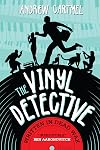
UPDATE: Just learned this author has written a book with a female main character/narrator, and I can't stop trying to imagine the train wreck it must surely be.
Original review:
If you've ever hung out in an independent record store, a comic book shop, a D&D store, or a major convention, you've basically already met the main character of this book. He's that dude who learned a whole lot about one specific topic he loves -- anime, Doctor Who, Wolverine -- and he uses that knowledge to prove to show more himself that he's smarter than other people. In other words, he's a dude with a hyperfixation who thinks his hyperfixation makes him better than people who don't care about it. (It does not.)
And to be clear: I love a hyperfixation. It doesn't even have to be mine! If you want to excitedly tell me cool facts about Hittites or kpop idols or orchids or Stephen King or Catullus or Azumanga Daioh, I am here to listen, and I will be interested. But if you're a gatekeeper using your hyperfixation to look down on others, you're a tool and you can get in the sea.
He's a tool in other ways, too. There's the thing where the Vinyl Detective is hired by a woman, sees her like twice more, and is "stabbed through the heart" when he discovers she has a boyfriend. There's the thing where he lies to his girlfriend (different woman than the above) to go meet his ex-girlfriend and then, when it turns out to be a setup and his girlfriend has to save him, he gets mad that she didn't trust him. (He's got kind of a specialty in being angry at women for failing to live up to his ethical standards; weird how none of them applies to his male friends.)
Actually, the Vinyl Detective has a bunch of issues with women. At one point, a woman quotes his own words back at him and he decides that from her, they're snotty. And that same woman displays social skills -- you know, smiling at people, taking an interest in them, being nice -- and his conclusion is "Pretty women can get away with murder," because it must be her face and her legs making people be nice and not any actual skill of hers, right?
Truly, VD is a dick, and Andrew Cartmel thinks he's cool as shit. This made reading this book difficult.
But, okay, a mystery doesn't have to have likeable characters. Does this book have a good plot? Well. Let's just say that it does in fact have a plot, but unfortunately every surprise is obvious from such a distance that you just kind of spend the last half of the book mentally shrieking things like"You don't need every record because it is VERY OBVIOUS what goes in the missing spots! Every reveal is like this: much too little, much too late.
There are other plot problems -- the sudden wellness of VD's friend Tinkler (yes, Cartmel also thinks he's being funny with names), which is revealed in a jarring time skip that is done solely to make a joke (that Tinkler woke up because VD told him he'd had sex with an attractive woman, which by the way occurs in a ludicrously bad sex scene), the weird way no one has any curiosity about plot holes (there is a "death" that is clearly, obviously not a death, and it only works because everyone involved acts like aliens around the whole thing ), the way the rarity of records fluctuates based on what the plot needs to happen. It's just. Kind of a mess.
Overall, this book is worth reading only if you're eager to spend time with extremely superior megafan tools and you don't want to spend a lot of time hanging out in used record stores. show less
Original review:
If you've ever hung out in an independent record store, a comic book shop, a D&D store, or a major convention, you've basically already met the main character of this book. He's that dude who learned a whole lot about one specific topic he loves -- anime, Doctor Who, Wolverine -- and he uses that knowledge to prove to show more himself that he's smarter than other people. In other words, he's a dude with a hyperfixation who thinks his hyperfixation makes him better than people who don't care about it. (It does not.)
And to be clear: I love a hyperfixation. It doesn't even have to be mine! If you want to excitedly tell me cool facts about Hittites or kpop idols or orchids or Stephen King or Catullus or Azumanga Daioh, I am here to listen, and I will be interested. But if you're a gatekeeper using your hyperfixation to look down on others, you're a tool and you can get in the sea.
He's a tool in other ways, too. There's the thing where the Vinyl Detective is hired by a woman, sees her like twice more, and is "stabbed through the heart" when he discovers she has a boyfriend. There's the thing where he lies to his girlfriend (different woman than the above) to go meet his ex-girlfriend and then, when it turns out to be a setup and his girlfriend has to save him, he gets mad that she didn't trust him. (He's got kind of a specialty in being angry at women for failing to live up to his ethical standards; weird how none of them applies to his male friends.)
Actually, the Vinyl Detective has a bunch of issues with women. At one point, a woman quotes his own words back at him and he decides that from her, they're snotty. And that same woman displays social skills -- you know, smiling at people, taking an interest in them, being nice -- and his conclusion is "Pretty women can get away with murder," because it must be her face and her legs making people be nice and not any actual skill of hers, right?
Truly, VD is a dick, and Andrew Cartmel thinks he's cool as shit. This made reading this book difficult.
But, okay, a mystery doesn't have to have likeable characters. Does this book have a good plot? Well. Let's just say that it does in fact have a plot, but unfortunately every surprise is obvious from such a distance that you just kind of spend the last half of the book mentally shrieking things like
There are other plot problems -- the sudden wellness of VD's friend Tinkler (yes, Cartmel also thinks he's being funny with names), which is revealed in a jarring time skip that is done solely to make a joke (that Tinkler woke up because VD told him he'd had sex with an attractive woman, which by the way occurs in a ludicrously bad sex scene), the weird way no one has any curiosity about plot holes (
Overall, this book is worth reading only if you're eager to spend time with extremely superior megafan tools and you don't want to spend a lot of time hanging out in used record stores. show less
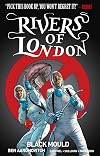
I read these out of fan appreciation for Aaronovitch's Peter Grant series, not because I'm attracted to the graphic novel form. That said, the graphics finally seem to be capturing the sense of the full-length stories.
I particularly enjoyed the challenging nature of the 'opponent' in this edition as well as Sahra's active role. There were dual investigations, Peter working with Sahra on a strange mold infestation and Nightingale chasing down another possessed car piece, left over from show more graphic novel one's investigation. There are brief appearances by Toby, Molly, and Peter's dad, and a return of the mechanic from the first graphic novel as well as a constable from Foxglove Summer. Plotting has the usual Nightingale and Peter combination working together to overcome more sophisticated opponents. A couple of nice twists made it hard to put down.
The last four pages has mini page-long updates on Valdova and the Foxglove constable, and two with Beverly. End pages contained the covers of the component books as well as some alternate covers. Coloring was nice, generally sophisticated shading that avoided some of the dramatic cartoonish contrasts. Orange boxes reflect some of Peter's internal voicing, but it's a paltry amount compared to the books.
Marked down a star for the gratuitous drawing of naked ladies. Seriously. They showed up in fantasies/memories from a former Russian mobster, now in service to Bev, and had absolutely nothing to do with the story. For shame, Ben. You ought to know better, even if your co-writers and publisher do not. After all, you still tried to be integrative and cognizant of racial issues.
Three stars due to lame-ass pointless female nudity. show less
I particularly enjoyed the challenging nature of the 'opponent' in this edition as well as Sahra's active role. There were dual investigations, Peter working with Sahra on a strange mold infestation and Nightingale chasing down another possessed car piece, left over from show more graphic novel one's investigation. There are brief appearances by Toby, Molly, and Peter's dad, and a return of the mechanic from the first graphic novel as well as a constable from Foxglove Summer. Plotting has the usual Nightingale and Peter combination working together to overcome more sophisticated opponents. A couple of nice twists made it hard to put down.
The last four pages has mini page-long updates on Valdova and the Foxglove constable, and two with Beverly. End pages contained the covers of the component books as well as some alternate covers. Coloring was nice, generally sophisticated shading that avoided some of the dramatic cartoonish contrasts. Orange boxes reflect some of Peter's internal voicing, but it's a paltry amount compared to the books.
Marked down a star for the gratuitous drawing of naked ladies. Seriously. They showed up in fantasies/memories from a former Russian mobster, now in service to Bev, and had absolutely nothing to do with the story. For shame, Ben. You ought to know better, even if your co-writers and publisher do not. After all, you still tried to be integrative and cognizant of racial issues.
Three stars due to lame-ass pointless female nudity. show less

https://nwhyte.livejournal.com/3183264.html
I found this a really refreshing book. It's fascinating to read it in contrast with Matthew Waterhouse's account of the early days of the John Nathan-Turner era, and indeed Richard Marson's account of JNT's career and life. Like Matthew Waterhouse, Cartmel was already a fan before being recruited as the script editor for the last three years of Old Who, coinciding with Sylvester McCoy's time as the Doctor. But he was a bit older, he wasn't as show more invested in it, and although this was his first job in television, he already had had a bit of a career and also had a very clear idea of what he wanted to do with Who.
Most of the Who first-person books I have read situate the writer's experience on the programme in the context of a longer (and often happier) career; this one is unusual in that we get little insight into Cartmel's life before 1986 or after 1989. But it pays off in terms of interesting detail. One person who looms very large in Cartmel's narrative who I don't think I had even heard of before is Kate Easteal, the production secretary, who was clearly crucial to keeping the show together and is almost unmentioned in other writing.
Cartmel gets very much into the weeds of the production of each of the twelve stories produced on his watch, including some interesting gossip on the personal frictions (not least in his own love life), but more particularly on the challenges posed by an unsympathetic BBC hierarchy and a political situation where Cartmel was doing his best to displace various established writers and other stakeholders. Each story is taken as a narrative unit, which means that the book ends up being not completely sequential, as in real life the production of various stories often overlapped. But the payoff is that we follow each story from start to finish, and basically we fans are more interested in how The Happiness Patrol came to be than in knowing exactly what was in the production office in-tray in July 1988.
Anyway, I enjoyed this more than I expected, and learned more than I expected as well, so we can score that as a win. show less
I found this a really refreshing book. It's fascinating to read it in contrast with Matthew Waterhouse's account of the early days of the John Nathan-Turner era, and indeed Richard Marson's account of JNT's career and life. Like Matthew Waterhouse, Cartmel was already a fan before being recruited as the script editor for the last three years of Old Who, coinciding with Sylvester McCoy's time as the Doctor. But he was a bit older, he wasn't as show more invested in it, and although this was his first job in television, he already had had a bit of a career and also had a very clear idea of what he wanted to do with Who.
Most of the Who first-person books I have read situate the writer's experience on the programme in the context of a longer (and often happier) career; this one is unusual in that we get little insight into Cartmel's life before 1986 or after 1989. But it pays off in terms of interesting detail. One person who looms very large in Cartmel's narrative who I don't think I had even heard of before is Kate Easteal, the production secretary, who was clearly crucial to keeping the show together and is almost unmentioned in other writing.
Cartmel gets very much into the weeds of the production of each of the twelve stories produced on his watch, including some interesting gossip on the personal frictions (not least in his own love life), but more particularly on the challenges posed by an unsympathetic BBC hierarchy and a political situation where Cartmel was doing his best to displace various established writers and other stakeholders. Each story is taken as a narrative unit, which means that the book ends up being not completely sequential, as in real life the production of various stories often overlapped. But the payoff is that we follow each story from start to finish, and basically we fans are more interested in how The Happiness Patrol came to be than in knowing exactly what was in the production office in-tray in July 1988.
Anyway, I enjoyed this more than I expected, and learned more than I expected as well, so we can score that as a win. show less
Lists
You May Also Like


Associated Authors
Statistics
- Works
- 54
- Also by
- 18
- Members
- 4,047
- Popularity
- #6,219
- Rating
- 3.7
- Reviews
- 160
- ISBNs
- 151
- Languages
- 2
- Favorited
- 2