
Thinley Norbu (1931–2011)
Author of Magic Dance: The Display of the Self-Nature of the Five Wisdom Dakinis
About the Author
Kyabje Thinley Norbu Rinpoche (1931-2011) was a celebrated scholar and adept of the Nyingman tradition of Tibetan Buddhism with many devoted students in the west as well as Asia. He was revered as an emanation of Longchenpa, a great scholar and siddha of the fourteenth century. Rinpoche's books show more include A Cascading Waterfall of Nectar, the Sole Panancea. White Sail, and the Small Golden Key. show less
Works by Thinley Norbu
White Sail: Crossing the Waves of Ocean Mind to the Serene Continent of the Triple Gems (1992) 100 copies, 1 review
Welcoming Flowers from across the Cleansed Threshold of Hope: An Answer to Pope John Paul II's Criticism of Buddhism (1997) 24 copies, 1 review
The Sole Panacea: A Brief Commentary on the Seven-Line Prayer to Guru Rinpoche That Cures the Suffering of the Sickness of Karma and Defilement (2014) 20 copies, 1 review
Sunlight Speech That Dispels the Darkness of Doubt: Sublime Prayers, Praises, and Practices of the Nyingma Masters (2015) 13 copies, 1 review
The Ruby Rosary: Joyfully Accepted by Vidyadharas and Dakinis as the Ornament of a Necklace (2022) 5 copies
A pequena chave de ouro 1 copy
la petite clef d'or 1 copy
Tagged
Common Knowledge
- Legal name
- Kyabjé Dungsé Thinley Norbu Rinpoche
- Birthdate
- 1931-02-20
- Date of death
- 2011-12-27
- Gender
- male
- Nationality
- Tibet
- Associated Place (for map)
- Tibet
Members
Reviews
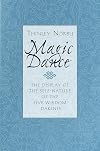
This can be a difficult book for anyone not grounded in Vajrayana Buddhism, though it isn't limited to Buddhism or any lineage of Buddhism and isn't full of technical Buddhist jargon -- which can even make it difficult for a Tantric Buddhist to follow. This is not a scholarly text, though its author is a great scholar of the Nyingma school of Tibetan Buddhism. This is an expression that comes directly from the mind of its author. It is what in the European traditions we would call a mystical show more text.
For someone raised in a theistic society, the mysticism expressed so perfectly by Thinley Norbu can be completely baffling and seem almost like gibberish. This is because none of the markers of theology is present. But if one allows oneself to be free of preconception regarding what is and what is not, Magic Dance will take you into a most magical dance of the mind.
Though its vision is configured differently because it is am expression of Dzogchen experience rather than a theistic one, this is a text that belongs in a section with St. John of the Cross, Rumi, and Meister Eckhart. show less
For someone raised in a theistic society, the mysticism expressed so perfectly by Thinley Norbu can be completely baffling and seem almost like gibberish. This is because none of the markers of theology is present. But if one allows oneself to be free of preconception regarding what is and what is not, Magic Dance will take you into a most magical dance of the mind.
Though its vision is configured differently because it is am expression of Dzogchen experience rather than a theistic one, this is a text that belongs in a section with St. John of the Cross, Rumi, and Meister Eckhart. show less
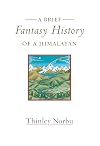
In this autobiographical narrative, Kyabje Thinley Norbu Rinpoche sets a magical scene as he describes his early years in "Snowland" (Tibet) as one of seven children of the renowned Nyingma master Kyabje Dudjom Rinpoche. After touching on his youthful training and experiences, Rinpoche describes how he traveled and taught in many different nations and cities in the East and West. Shifting between poetic observations and earthy humor, he shares stories of worldly and spiritual events show more accompanied by incisive commentary and sublime prayers. show less
The Sole Panacea: A Brief Commentary on the Seven-Line Prayer to Guru Rinpoche That Cures the Suffering of the Sickness of Karma and Defilement by Thinley Norbu
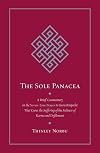
An esteemed teacher comments on the Seven-Line Prayer, a popular devotional prayer recited daily by practitioners of Tibetan Buddhism.
Of all the heartfelt devotional prayers used as a support for Dharma practice, the Seven-Line Prayer is the most essential, often repeated many thousands of times by practitioners of Tibetan Buddhism. This concise prayer invokes the blessings of Padmasambhava, also called Guru Rinpoche (“Precious Teacher”) and known as the Buddha of our time. Guru Rinpoche show more brought the Dharma from India to Tibet in the eighth century and is the source of the Tibetan Dzogchen tradition, the Great Perfection teachings that awaken the enlightened nature of one’s own mind.
Although the prayer is short and simple, its different levels of meaning make this commentary a welcome study aid for practitioners. Kyabje Thinley Norbu Rinpoche provides an account of the historical origin of the prayer and the power of its blessings, and comments on its two levels of meaning: one, according to the common Mahayana teachings; the other, according to the uncommon Dzogchen realizations. He repudiates various mistaken interpretations and clarifies a number of important philosophical views and meditation methods. The book also includes the text of the Seven-Line Prayer in English and Tibetan. show less
Of all the heartfelt devotional prayers used as a support for Dharma practice, the Seven-Line Prayer is the most essential, often repeated many thousands of times by practitioners of Tibetan Buddhism. This concise prayer invokes the blessings of Padmasambhava, also called Guru Rinpoche (“Precious Teacher”) and known as the Buddha of our time. Guru Rinpoche show more brought the Dharma from India to Tibet in the eighth century and is the source of the Tibetan Dzogchen tradition, the Great Perfection teachings that awaken the enlightened nature of one’s own mind.
Although the prayer is short and simple, its different levels of meaning make this commentary a welcome study aid for practitioners. Kyabje Thinley Norbu Rinpoche provides an account of the historical origin of the prayer and the power of its blessings, and comments on its two levels of meaning: one, according to the common Mahayana teachings; the other, according to the uncommon Dzogchen realizations. He repudiates various mistaken interpretations and clarifies a number of important philosophical views and meditation methods. The book also includes the text of the Seven-Line Prayer in English and Tibetan. show less
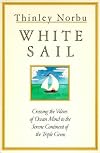
Thinley Norbu is the son of Dudjom Rinpoche and a highly trained and accomplished Dzogchen master whom many feel to be the most accomplished living Dzogchen master, if such comparisons mean anything at all.
This is one of several great original Dzogchen works by Thinley Norbu. He expresses, directly into English, experiences and concepts that have no English analog or vocabulary. Because of this, the language can seem strange. But Thinley Norbu is doing what only the greatest poets have ever show more done, which is to express the ineffable. show less
This is one of several great original Dzogchen works by Thinley Norbu. He expresses, directly into English, experiences and concepts that have no English analog or vocabulary. Because of this, the language can seem strange. But Thinley Norbu is doing what only the greatest poets have ever show more done, which is to express the ineffable. show less
Lists
You May Also Like


Statistics
- Works
- 13
- Members
- 519
- Popularity
- #47,859
- Rating
- 4.5
- Reviews
- 8
- ISBNs
- 34
- Languages
- 1
- Favorited
- 1