

Stuart Alve Olson
Author of The Jade Emperor's Mind Seal Classic: The Taoist Guide to Health, Longevity, and Immortality
About the Author
Stuart Alve Olson has studied T'ai Chi, meditation, and Chinese language for more than 25 years under numerous Buddhist and Taoist masters, including Ch'an Master Hsuan Hua, Kung fu and healing master Oei Khong-hwei, renowned T'ai Chi Ch'uan Master T.T. Liang, and Dharma Master Cheng Yi. He lives show more in the San Francisco Bay area. show less
Image credit: From innertraditions.com
Works by Stuart Alve Olson
The Jade Emperor's Mind Seal Classic: The Taoist Guide to Health, Longevity, and Immortality (1992) 58 copies
Qigong Teachings of a Taoist Immortal: The Eight Essential Exercises of Master Li Ching-yun (2002) 26 copies, 1 review
Cultivating the Ch'i: The Secrets of Energy and Vitality (Chen Kung, Vol 1) (1993) 22 copies, 1 review
The Intrinsic Energies of T'Ai Chi Ch'Uan (Chen Kung Series, Vol 2) (1995) — Translator — 18 copies, 1 review
Das Wesen des Taiji-Quan: Die geheimen Trainingsdokumente der Familie Yang nach Cheng Gong 2 (2002) 6 copies
Tai Ji Jin: Discourses on Intrinsic Energies for Mastery of Self-Defense Skills (Chen Kung Series) (Volume 2) (2013) 3 copies
Tai Ji Quan Treatise: Attributed to the Song Dynasty Daoist Priest Zhang Sanfeng (Daoist Immortal Three Peaks Zhang Series) (2011) 3 copies
Tai Chi Sword, Sabre & Staff (Yearning K. Chen Series, V. 5) (English and Chinese Edition) (1986) 2 copies
The wind sweeps away the plum blossoms: The principles and techniques of the Yang style T'ai chi spear and staff (1985) 2 copies
Book of Sun and Moon (I Ching) Volume I: Traditional Perspectives on Divination and Calculation
for the Book of Changes (Volume 1) (2014) 2 copies
Refining the Elixir: The Internal Alchemy Teachings of Taoist Immortal Zhang Sanfeng (Daoist Immortal Three Peaks Zhang Series) (2016) 2 copies
Chen Tuan's Four Season Internal Kungfu: Breathing Methods, Exercises, Herbs and Foods for Longevity (2016) 1 copy
Tai Ji Tui Shou: Mastering the Eight Styles and Four Skills of Sensing Hands (Chen Kung Series) (2015) 1 copy
Actions & Retributions: A Taoist Treatise on Attaining Spiritual Virtue, Longevity, and Immortality (2015) 1 copy
Imagination Becomes Reality-T'ai Chi Ch'uan-the Teachings of Master T. T. Liang A Complete Guide to the 150 Posture Solo Form 1 copy, 1 review
Transformation Through Good Literature: Teachings of Wen Chang, Taoist God of Literature (2018) 1 copy
Tagged
Common Knowledge
- Birthdate
- 1950
- Gender
- male
- Occupations
- Tai Chi teacher
- Organizations
- Sanctuary of Tao
- Nationality
- USA
- Birthplace
- Minnesota, USA
- Places of residence
- Phoenix, Arizona, USA
San Francisco Bay Area, California, USA - Associated Place (for map)
- USA
Members
Reviews
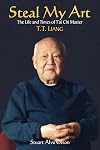
Having the incredible good fortune of being born, as he says, in 'interesting times,' T. T. Liang has lived through a century that included two world wars and the decline of the Ching dynasty through the post-Mao era. His life bridges the industrial and technoqlogical revolutions. Born in China in 1900 amid abject poverty, he later attained great wealth, postion, and power. Liang suudied T'ai Chi Ch'uan in Taiwan with Professor Cheng Man Ch'ing for more than twenty years, becoming his Ta show more Shih Hsiung (Chief and First Disciple). Stories of his years with Professor Cheng describe a great and close realationship, as well as a rocky and difficult one. In the 1960's, Liang retired from his job in China as the second highest ranking officer in British customs and came to the United states to teach T'ai Chi-an occupation that then lacked respect in most Westerner's eyes. With little money and no position of authority, he experienced a radical change. Not only has Mr. Liang lived more than one hundreds years in great health, but his life has been amazingly rich and varied in experience.
More than a biography of Liang's life, Steal My Art also explains both the history and development of his teachings. These include his 150-Posture T'ai Chi Dance and 78-Posture Two-Person Dance-the mainstays of his skills and expression of his true genius. Also presented are his Ten Guiding Principles, which he considers the core of studying and practicing T'ai Chi , as well as a guide for living.
Another section is devoted to Liang's humorous and philosophical sides. No one who ever studed with or met him has escaped his quick with and playful practical jokes, stemming from his endless horde of old Chinese sayings and stories.
Contents
Introduction
Setting the stage
T. T. Liang
The book
T'ai Chi
The two proteges
Steal my art
Conclusion
Liang's early years
Biography of Master T. T. Liang
Liang's Mrtial art lineages
Stories from the past
Leaving Ningpo
The Chinese mafia
Meeting Yang Cheng Fu
The Japanese torture
Two months to live
Prof. Cheng Man Ch'ing
General Yang Shen
The Taoist recluse yang
Becoming a Taoist disciple of Fu
Master Chang Ch'in Lin
Master Hsiung Yang Ho
Master Huang Hsing Hsien
Meeting Bob Hope
Life in New York
T'ai Chi Dances
Theory and practice of T'ai Chi-On the origins of T'ai Chi; The four goals f T'ai Chi; Learning and changing
The 150-posture T'ai Chi dance
Creating the solo dance
Nourishing health
Gaining a root
The practical function
The 178-posture two-person T'ai Chi dance
Creating the two-person dance
Pushing-hands
Intrinsic energies
Principles for issuing an attack
Investing in loss
The T'ai Chi Master
Adapting music to T'ai Chi
Imagination becomes reality
The ten guiding principles
The old rogue
Three stories Liang liked to tell
The freeloader
The three religions
The Skung Dynasty farmer
Stories of the old rogue
The U. N. muggers
I don't teach cops!
The judo master
Typical henpecked husband
You lost the bout
Growing old
The painting class
Learning how to lose
The Taoist
That's BS!
Learning to swear
Just keep on driving
The blackboard poems
Macrobiotics vs. MacDonalds
Correcting their postures
The wallet
The nursing home
The accusation
The bounced check
Dr. Frankenstein
The film
Half dead, half alive
Mine is Ch'i, yours is cheese!
The grand master
My wallet, hurry up!
Never make a direct hit
Twinkies
The Rotary Club
The letter under my door
Beautiful, what it is?
Slipping on the ice
He's too old to teach
The unauthorized biography
Look, beautiful nurses!
Be a bat
The immortal paradise
Liang goes to college
Birds of a feather
The lone mosquito
A moment of Zen
The witch
The pill of immortality
T. T.'s angels
The big thump
Monk in the snow
The duck ancestors
The bloody eunuch
The Jehovah's Witnesses
The T'ai Chi nuns
I didn't feel a thing
Liang the centerfold
A night in Houston
He's an asshole
The big boy feast
End of an era
Afterword
About the author show less
More than a biography of Liang's life, Steal My Art also explains both the history and development of his teachings. These include his 150-Posture T'ai Chi Dance and 78-Posture Two-Person Dance-the mainstays of his skills and expression of his true genius. Also presented are his Ten Guiding Principles, which he considers the core of studying and practicing T'ai Chi , as well as a guide for living.
Another section is devoted to Liang's humorous and philosophical sides. No one who ever studed with or met him has escaped his quick with and playful practical jokes, stemming from his endless horde of old Chinese sayings and stories.
Contents
Introduction
Setting the stage
T. T. Liang
The book
T'ai Chi
The two proteges
Steal my art
Conclusion
Liang's early years
Biography of Master T. T. Liang
Liang's Mrtial art lineages
Stories from the past
Leaving Ningpo
The Chinese mafia
Meeting Yang Cheng Fu
The Japanese torture
Two months to live
Prof. Cheng Man Ch'ing
General Yang Shen
The Taoist recluse yang
Becoming a Taoist disciple of Fu
Master Chang Ch'in Lin
Master Hsiung Yang Ho
Master Huang Hsing Hsien
Meeting Bob Hope
Life in New York
T'ai Chi Dances
Theory and practice of T'ai Chi-On the origins of T'ai Chi; The four goals f T'ai Chi; Learning and changing
The 150-posture T'ai Chi dance
Creating the solo dance
Nourishing health
Gaining a root
The practical function
The 178-posture two-person T'ai Chi dance
Creating the two-person dance
Pushing-hands
Intrinsic energies
Principles for issuing an attack
Investing in loss
The T'ai Chi Master
Adapting music to T'ai Chi
Imagination becomes reality
The ten guiding principles
The old rogue
Three stories Liang liked to tell
The freeloader
The three religions
The Skung Dynasty farmer
Stories of the old rogue
The U. N. muggers
I don't teach cops!
The judo master
Typical henpecked husband
You lost the bout
Growing old
The painting class
Learning how to lose
The Taoist
That's BS!
Learning to swear
Just keep on driving
The blackboard poems
Macrobiotics vs. MacDonalds
Correcting their postures
The wallet
The nursing home
The accusation
The bounced check
Dr. Frankenstein
The film
Half dead, half alive
Mine is Ch'i, yours is cheese!
The grand master
My wallet, hurry up!
Never make a direct hit
Twinkies
The Rotary Club
The letter under my door
Beautiful, what it is?
Slipping on the ice
He's too old to teach
The unauthorized biography
Look, beautiful nurses!
Be a bat
The immortal paradise
Liang goes to college
Birds of a feather
The lone mosquito
A moment of Zen
The witch
The pill of immortality
T. T.'s angels
The big thump
Monk in the snow
The duck ancestors
The bloody eunuch
The Jehovah's Witnesses
The T'ai Chi nuns
I didn't feel a thing
Liang the centerfold
A night in Houston
He's an asshole
The big boy feast
End of an era
Afterword
About the author show less
stuart alve olson is a capable enough translator, and i appreciate his dedication to primary sources--elucidating their mythical and philological origins, their relationships, original illustrations, etc. but his original commentary, notes, and summaries r awkward, often seem misguided or poorly worded, overreach in their interpretations, and r simply poorly written.
still, a valuable resource.
still, a valuable resource.
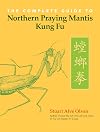
Developed by Wang Lang over 300 years ago, Praying mantis kung fu is the only martial art based on the fighting skills of an insect. This fascinating system utilizes swift, methodical movements for defense and offense, and is well respected as an art that helps practitioners develop great strength and perseverance.
The Complete Guide to Northern Praying Mantis Kung Fu provides and in-depth look at the history and practice of this remarkable martial art. Author Stuart Alve Olson, a student of show more T.T. Liang, primarily draws on the lineages of Masters Feng Huan-I and Wang Han-Fon but includes detailed descriptions of all major schools, styles, and lineages. The first half of the book provides a clear, thorough account of the development of the art and the Taoist principles from which it arose; the second half contains step-by-step descriptions of the fundamental Praying Mantis stances, exercises, footwork, and kicks, which are clearly illustrated by more than 200 photographs. Including important information on tactics, theory, mental techniques, breathwork, and philosophy, this book provides the basis for not only mastering the martial art of Praying Mantis Kung Fu but also mastering oneself-the true goal of all martial arts.
Stuart Alve Olson has taught martial arts worldwide and is the author of Steal My Art: The Life and Times of T'ai Chi Master T.T. Liang and many other books on Taoism, Qigong, and Chinese martial arts. He is the founder of the Phoenix Taoist Center in Phoenix, Arizona, where he lives.
Contents
Introduction
Praying mantis kung fu
1 Brief historyof praying mantis kung fu
The story of Wang Lang Creating Praying mantis kung fu
Praying mantis kung fu lineage
Northern praying mantis kung fu styles
2 Theory and practice of Northern praying mantis
Twelve principles for self-defense and offense
The eight hard and twelve soft ways I
The eight hard and twelve soft ways II
The twelve ideals for body movement
Eight training divisions
Eight striking and eight non-striking points
Eight long and eight short
Five internal and five external activities
Student and teacher requirements-Student requirements; Teacher requirements
Skills acquired from practicing-Activating the qi; Mind-intent; Strength; Developing the brath; Intrinsic energy
Gaining a root and agility
Skills of the eight hand uses
The process of internal refinement
Advice on practice sessions
Part One Eight kung methods
Prelude
Exercise 1 Iron ox ploughs the earth
Exercise 2 Riding a horse, double fist pulling
Exercise 4 Mantis colliding its arms
Exercise 5 Tyrant king raises the cauldron
Exercise 6 Immortal pushes the void
Exercise 7 Planting flower, left and right
Exercise 8 Pushing over a mountain to uproot a tree
Part Two Eight stance methods
Prelude
Song of the eight stances
Stance 1 Riding the horse stance
Stance 2 Mountain climbing stance
Stance 3 Seated tiger stance
stance 4 Seating coil stance
Stance 5 Empty stance
Stance 6 Tiger's head stance
Stance 7 Pretending to be defeated stance
Stance 8 Chicken standing in the snow stance
Part Three Eigtht footwork methods
Prelude
Footwork method 1 Up-rooting step
Footwork method 2 Striding-over step
Footwork method 3 Folding step
Footwork method 4 Encircing step
Footwork method 5 Shifting step
Footwork method 6 Backward crossing step
Footwork method 7 Walking step
Footwork method 8 Long-striding step
Part Four Eight kicking methods
Prelude
Kicking method 1 Pulling the yin kick
Kicking method 2 Mandarin ducks kick
Kicking method 3 Axe blade kick
Kicking method 4 Penetrating the heart kick
Kicking method 5 Knocking over the tablet kick
Kicking method 6 Sweeping away the lotuses kick
Kicking method 7 Closing the gate kick
Kicking method 8 Whirlwind kick
T'ai chi ch'uan Master, Liang Tung-Tsai
About the author show less
The Complete Guide to Northern Praying Mantis Kung Fu provides and in-depth look at the history and practice of this remarkable martial art. Author Stuart Alve Olson, a student of show more T.T. Liang, primarily draws on the lineages of Masters Feng Huan-I and Wang Han-Fon but includes detailed descriptions of all major schools, styles, and lineages. The first half of the book provides a clear, thorough account of the development of the art and the Taoist principles from which it arose; the second half contains step-by-step descriptions of the fundamental Praying Mantis stances, exercises, footwork, and kicks, which are clearly illustrated by more than 200 photographs. Including important information on tactics, theory, mental techniques, breathwork, and philosophy, this book provides the basis for not only mastering the martial art of Praying Mantis Kung Fu but also mastering oneself-the true goal of all martial arts.
Stuart Alve Olson has taught martial arts worldwide and is the author of Steal My Art: The Life and Times of T'ai Chi Master T.T. Liang and many other books on Taoism, Qigong, and Chinese martial arts. He is the founder of the Phoenix Taoist Center in Phoenix, Arizona, where he lives.
Contents
Introduction
Praying mantis kung fu
1 Brief historyof praying mantis kung fu
The story of Wang Lang Creating Praying mantis kung fu
Praying mantis kung fu lineage
Northern praying mantis kung fu styles
2 Theory and practice of Northern praying mantis
Twelve principles for self-defense and offense
The eight hard and twelve soft ways I
The eight hard and twelve soft ways II
The twelve ideals for body movement
Eight training divisions
Eight striking and eight non-striking points
Eight long and eight short
Five internal and five external activities
Student and teacher requirements-Student requirements; Teacher requirements
Skills acquired from practicing-Activating the qi; Mind-intent; Strength; Developing the brath; Intrinsic energy
Gaining a root and agility
Skills of the eight hand uses
The process of internal refinement
Advice on practice sessions
Part One Eight kung methods
Prelude
Exercise 1 Iron ox ploughs the earth
Exercise 2 Riding a horse, double fist pulling
Exercise 4 Mantis colliding its arms
Exercise 5 Tyrant king raises the cauldron
Exercise 6 Immortal pushes the void
Exercise 7 Planting flower, left and right
Exercise 8 Pushing over a mountain to uproot a tree
Part Two Eight stance methods
Prelude
Song of the eight stances
Stance 1 Riding the horse stance
Stance 2 Mountain climbing stance
Stance 3 Seated tiger stance
stance 4 Seating coil stance
Stance 5 Empty stance
Stance 6 Tiger's head stance
Stance 7 Pretending to be defeated stance
Stance 8 Chicken standing in the snow stance
Part Three Eigtht footwork methods
Prelude
Footwork method 1 Up-rooting step
Footwork method 2 Striding-over step
Footwork method 3 Folding step
Footwork method 4 Encircing step
Footwork method 5 Shifting step
Footwork method 6 Backward crossing step
Footwork method 7 Walking step
Footwork method 8 Long-striding step
Part Four Eight kicking methods
Prelude
Kicking method 1 Pulling the yin kick
Kicking method 2 Mandarin ducks kick
Kicking method 3 Axe blade kick
Kicking method 4 Penetrating the heart kick
Kicking method 5 Knocking over the tablet kick
Kicking method 6 Sweeping away the lotuses kick
Kicking method 7 Closing the gate kick
Kicking method 8 Whirlwind kick
T'ai chi ch'uan Master, Liang Tung-Tsai
About the author show less

Modern t'ai chi owes much of its present popularity to the genius of the Yang family who helped established t'ai chi as the world's premier system for health and self-defense. When Chen Kung published a book based on the formerly secret Yang family training journals, the text rapidly became a classic and acknowledged as the Bible of t'ai chi.
Cultivating the Ch'i is the first English translation of the chapters that form the foundation for effecive t'ai chi. After an explanation of the show more overlall benefits of t'ai chi you will learn the relationship between mind and ch'i, how to generate internal energy through correct breathing methods and the role of seated meditation in t'ai chi. Two final chapters, incorporating stop-motion photography, explan the key ch'i-kung exercise and other essential training techniques.
Stuart Olson, a long-time protege of Master T.T. Liange, provides a lucid commentary that allows even the beginner to grasp and apply the principles in their practice.
'If you are interested in physical immortality, practice yoga, meditate or would like to explore a very ancient, revered and effective way of maintaining physical vitality and youthfulness, you can learn lot from this book that you would simply never find elsewhere.'
Contents
Translator's introduction
Chapter One T'ai chi ch'uan and nourishing life
The importance and benefits of practicing t'ai chi ch'uan; T'ai chi and other Chinese martial arts; The role of softness and gentleness; The health benefits of t'ai chi; The Taoist concepts of nourishing life; The principles of correct practice; Important t'ai chi terms explained
Chapter Two-Discourse on mind-intent and ch'i
The relationship between mind, mind-intent and ch'i; The importance of ch'i; Ch'i and blood circulation; The difference between mind and mind-intent; The role of imagination; Some fundamental principles for cultivating ch'i; The tan-tien and ch'i; Different types of ch'i; Ch'i and the classics; Explanation of key Taoist terms
Chapter Three-Internal breathing methods for mobilizing the ch'i
Aspects of breath and the development of ch'i; Upper and lower level breathing; How to breathe correctly; How breath relates to ch'i; Breathing with the postures; Breathing with pushing-hands; Two ways to mobilize the ch'i; Issuing energy; Heng and ha: the sounds of breath; How to use heng and ha; Commentary on Chinese breathing terminology.
Chapter Four T'ai chi ch'uan and meditation
The role of seated meditation in connection with t'ai chi ch'uan; The value of meditation; The similarities between t'ai chi and meditation; Internal and external cultivation; Correct sitting practice; Four ways to circulate ch'i; Explanation of Taoist meditation terms
Chapter Five T'ai chi ch'i-kung
The methods for developing ch'i and breath; Fundamental procedures for strengthening the ch'i; Reasons for practicing ch'i-kung; The benefits of ch'i-kung; The twenty-one gestures of ch'i-kung
Chapter Six Training exercises
Essential training exercises for t'ai chi ch'uan; How to extend the ch'i; The post stances of t'ai chi; Eight post stance postures; How to perform tsai-tui; Commentary on training terminology
Index show less
Cultivating the Ch'i is the first English translation of the chapters that form the foundation for effecive t'ai chi. After an explanation of the show more overlall benefits of t'ai chi you will learn the relationship between mind and ch'i, how to generate internal energy through correct breathing methods and the role of seated meditation in t'ai chi. Two final chapters, incorporating stop-motion photography, explan the key ch'i-kung exercise and other essential training techniques.
Stuart Olson, a long-time protege of Master T.T. Liange, provides a lucid commentary that allows even the beginner to grasp and apply the principles in their practice.
'If you are interested in physical immortality, practice yoga, meditate or would like to explore a very ancient, revered and effective way of maintaining physical vitality and youthfulness, you can learn lot from this book that you would simply never find elsewhere.'
Contents
Translator's introduction
Chapter One T'ai chi ch'uan and nourishing life
The importance and benefits of practicing t'ai chi ch'uan; T'ai chi and other Chinese martial arts; The role of softness and gentleness; The health benefits of t'ai chi; The Taoist concepts of nourishing life; The principles of correct practice; Important t'ai chi terms explained
Chapter Two-Discourse on mind-intent and ch'i
The relationship between mind, mind-intent and ch'i; The importance of ch'i; Ch'i and blood circulation; The difference between mind and mind-intent; The role of imagination; Some fundamental principles for cultivating ch'i; The tan-tien and ch'i; Different types of ch'i; Ch'i and the classics; Explanation of key Taoist terms
Chapter Three-Internal breathing methods for mobilizing the ch'i
Aspects of breath and the development of ch'i; Upper and lower level breathing; How to breathe correctly; How breath relates to ch'i; Breathing with the postures; Breathing with pushing-hands; Two ways to mobilize the ch'i; Issuing energy; Heng and ha: the sounds of breath; How to use heng and ha; Commentary on Chinese breathing terminology.
Chapter Four T'ai chi ch'uan and meditation
The role of seated meditation in connection with t'ai chi ch'uan; The value of meditation; The similarities between t'ai chi and meditation; Internal and external cultivation; Correct sitting practice; Four ways to circulate ch'i; Explanation of Taoist meditation terms
Chapter Five T'ai chi ch'i-kung
The methods for developing ch'i and breath; Fundamental procedures for strengthening the ch'i; Reasons for practicing ch'i-kung; The benefits of ch'i-kung; The twenty-one gestures of ch'i-kung
Chapter Six Training exercises
Essential training exercises for t'ai chi ch'uan; How to extend the ch'i; The post stances of t'ai chi; Eight post stance postures; How to perform tsai-tui; Commentary on training terminology
Index show less
You May Also Like


Associated Authors
Statistics
- Works
- 47
- Members
- 332
- Popularity
- #71,552
- Rating
- 3.9
- Reviews
- 10
- ISBNs
- 47
- Languages
- 1