

Elly Gross
Author of Elly: My True Story of the Holocaust
Works by Elly Gross
Tagged
Common Knowledge
Members
Reviews

Elly Berkovits Gross was born in 1929 in Simleu Silvaniei, a small town in Northern Transylvania, a mountainous part of northwest Romania taken over by Hungary in 1940. Gross begins her Holocaust memoir for older children with a few impressionistic scenes from childhood. Surprisingly, she recounts no stories related to her Jewish heritage—its customs, traditions, or place in her daily life. It is unclear but possible that her family was secular and assimilated into the community. She lived show more just a little ways down the street from a Catholic church, played with the neighbourhood children, and attended the same village school they did.
A few of Gross’s stories from early childhood concern the geography and climate of the region. There were memorable hailstorms and in springtime snow melt from the mountains could send streams, even floods, through the streets. There are a couple of anecdotes about her father, who insisted on accompanying her to school one slippery day and ended up falling, and, who, on another occasion, brought her the only doll she’d ever receive. Sadly, a jealous friend smashed its pretty porcelain face. She recalls attending a family wedding, where she was given a gold ring and a mother-of-pearl-handled knife. The knife would later be used to carve out a breathing hole in the wooden cattle car that transported her mother, her younger brother Adalbert, and hundreds of other Jewish women and children from the Cehei ghetto, an old brick factory just outside her town, to Auschwitz II-Birkenau in Poland.
When Romania was forced to cede Northern Transylvania to Hungary, writes Gross, significant discriminatory measures against Jews were instituted. Jewish belongings and property were seized and given to loyal Hungarians. Once peaceful relationships between Jews and their neighbours became toxic. A former young friend became a street agitator, throwing stones and hurling insults at elderly Jews. He even spat at her. Travel and schooling restrictions as well as curfews were put in place. Gross acknowledges her blond hair and blue eyes granted her freedoms other Jews did not have. As a young teen, she was able to travel by train once a week to another town to get food from her aunt without being stopped and questioned.
In June 1942 when she was 13, Elly’s father was drafted into a forced labour camp. She would never see him again. In 1944, when the German occupation of Hungary began, Jews were forced to wear the yellow Star of David on their clothing. Soon after, Elly, now 15, her mother and her five-year-old brother were forced out of their home and into the Klein brickworks ghetto and ultimately transported to Auschwitz.
When their train arrived at the concentration camp, two men in striped tatters rushed aboard Elly’s car. They told the girl to say she was 18 and advised her mother to hand off her young son to someone else. Neither mother nor daughter had any real sense of the place they’d come to. The scene was chaotic: barking dogs, shouting soldiers, and children crying—all while a rag-clad group of musicians performed classical music in the background. Elly was directed to the right, one of the one to two percent of her transport granted “temporary survival”; her mother and brother were sent to the left. Strangely or perhaps not, even after many months of distress, fear, starvation, and crowding in the appalling barracks (with their three-tiered bunks, 14 women crammed on each level), the girl still did not grasp what this place was intended for. She frequently thought of returning home to tell her parents about the deplorable treatment she’d endured. As for the four chimneys, constantly belching out smoke and ash: she thought they were associated with a tire factory, not parts of crematoria. A thinly veiled remark by another inmate about the sudden disappearance of the ghostly, skeletal Jews from Terezin in Czechoslovakia—“They’ve gone to a warmer climate”—was still too opaque for Elly.
Gross focuses on the chain of lucky events that allowed her to survive. An overseer had her moved from one barrack to another nearby so that she could be with her two cousins. This same woman saw Elly faint during one of the interminable morning roll calls and had her rushed indoors to scrub the barrack’s floors, saving her from being one of the 100-150 women designated by the SS for that day’s extermination. Miraculously, Gross also evaded selection by Dr. Josef Mengele, who observing her stomach which was distended from her recent gorging on potato peels, asked her if she was pregnant. She was directed towards the group sent to the Volkswagen factory in Fallersleben, Germany, which had been repurposed to make rockets. Conditions there were considerably better.
The last third of Gross’s memoir skims quickly over her life after the war ended. Details are light. At age 16, she returned to Northern Transylvania to find her home taken over by strangers. A year later, she married a man eight years her senior, had a son and then a daughter. Ultimately the family immigrated to the United States. Gross and her husband worked two and three unskilled jobs at a time to make ends meet. They also attended classes to learn English. Always determined to better herself, Elly attended college classes, finally earning her diploma at age 69.
Gross’s memoir is bookended by short notes from Gross’s daughter and son. It also includes a few family and historical photographs and some of Elly’s poems, which are heartfelt though not accomplished. Gross’s writing is serviceable enough and the material is appropriate for a young audience, sparing older children harrowing details. I think it’s most unfortunate that Gross did not work with a professional writer. Though roughly chronological, the organization of the material could be better; there is a great deal of repetition, important background information is sometimes lacking, and some opinions are unsubstantiated. For those reasons, this is not the first Holocaust memoir I’d recommend to older children and young teens. show less
A few of Gross’s stories from early childhood concern the geography and climate of the region. There were memorable hailstorms and in springtime snow melt from the mountains could send streams, even floods, through the streets. There are a couple of anecdotes about her father, who insisted on accompanying her to school one slippery day and ended up falling, and, who, on another occasion, brought her the only doll she’d ever receive. Sadly, a jealous friend smashed its pretty porcelain face. She recalls attending a family wedding, where she was given a gold ring and a mother-of-pearl-handled knife. The knife would later be used to carve out a breathing hole in the wooden cattle car that transported her mother, her younger brother Adalbert, and hundreds of other Jewish women and children from the Cehei ghetto, an old brick factory just outside her town, to Auschwitz II-Birkenau in Poland.
When Romania was forced to cede Northern Transylvania to Hungary, writes Gross, significant discriminatory measures against Jews were instituted. Jewish belongings and property were seized and given to loyal Hungarians. Once peaceful relationships between Jews and their neighbours became toxic. A former young friend became a street agitator, throwing stones and hurling insults at elderly Jews. He even spat at her. Travel and schooling restrictions as well as curfews were put in place. Gross acknowledges her blond hair and blue eyes granted her freedoms other Jews did not have. As a young teen, she was able to travel by train once a week to another town to get food from her aunt without being stopped and questioned.
In June 1942 when she was 13, Elly’s father was drafted into a forced labour camp. She would never see him again. In 1944, when the German occupation of Hungary began, Jews were forced to wear the yellow Star of David on their clothing. Soon after, Elly, now 15, her mother and her five-year-old brother were forced out of their home and into the Klein brickworks ghetto and ultimately transported to Auschwitz.
When their train arrived at the concentration camp, two men in striped tatters rushed aboard Elly’s car. They told the girl to say she was 18 and advised her mother to hand off her young son to someone else. Neither mother nor daughter had any real sense of the place they’d come to. The scene was chaotic: barking dogs, shouting soldiers, and children crying—all while a rag-clad group of musicians performed classical music in the background. Elly was directed to the right, one of the one to two percent of her transport granted “temporary survival”; her mother and brother were sent to the left. Strangely or perhaps not, even after many months of distress, fear, starvation, and crowding in the appalling barracks (with their three-tiered bunks, 14 women crammed on each level), the girl still did not grasp what this place was intended for. She frequently thought of returning home to tell her parents about the deplorable treatment she’d endured. As for the four chimneys, constantly belching out smoke and ash: she thought they were associated with a tire factory, not parts of crematoria. A thinly veiled remark by another inmate about the sudden disappearance of the ghostly, skeletal Jews from Terezin in Czechoslovakia—“They’ve gone to a warmer climate”—was still too opaque for Elly.
Gross focuses on the chain of lucky events that allowed her to survive. An overseer had her moved from one barrack to another nearby so that she could be with her two cousins. This same woman saw Elly faint during one of the interminable morning roll calls and had her rushed indoors to scrub the barrack’s floors, saving her from being one of the 100-150 women designated by the SS for that day’s extermination. Miraculously, Gross also evaded selection by Dr. Josef Mengele, who observing her stomach which was distended from her recent gorging on potato peels, asked her if she was pregnant. She was directed towards the group sent to the Volkswagen factory in Fallersleben, Germany, which had been repurposed to make rockets. Conditions there were considerably better.
The last third of Gross’s memoir skims quickly over her life after the war ended. Details are light. At age 16, she returned to Northern Transylvania to find her home taken over by strangers. A year later, she married a man eight years her senior, had a son and then a daughter. Ultimately the family immigrated to the United States. Gross and her husband worked two and three unskilled jobs at a time to make ends meet. They also attended classes to learn English. Always determined to better herself, Elly attended college classes, finally earning her diploma at age 69.
Gross’s memoir is bookended by short notes from Gross’s daughter and son. It also includes a few family and historical photographs and some of Elly’s poems, which are heartfelt though not accomplished. Gross’s writing is serviceable enough and the material is appropriate for a young audience, sparing older children harrowing details. I think it’s most unfortunate that Gross did not work with a professional writer. Though roughly chronological, the organization of the material could be better; there is a great deal of repetition, important background information is sometimes lacking, and some opinions are unsubstantiated. For those reasons, this is not the first Holocaust memoir I’d recommend to older children and young teens. show less
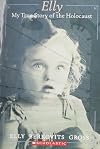
Dedicated to sharing her story regarding the atrocities of the Holocaust, and in particular experiences at Auschwitz-II Birkenau concentration camp, this well- written book shares experiences sustained by imprisoned.
At age fifteen, her life dramatically changed when the Hungarians and Germans took her to be deported to a terrible series of events. Like others who experienced the brutality of the Holocaust, while outlining her experiences, she also wanted to touch on the positive and the show more miracles that kept her alive.
Unlike other Jews, she was born with blonde hair and blue eyes. Because she looked like the ayran race, when standing in line, others were taken to the left hand side, and she escaped to the right. By another miracle, she held a knife which she hid by holding it tight against her.
Originally, she was assigned Block 20, with people standing in knee-high rainwater. She miraculously was transferred by Block 18 and there she found her cousins. When Dr. Mengele, called the butcher of Auschwitz; selected children for his experiments, she she taken with other children who were not chosen.
Assigned with three others to peal potatoes, she was able to steal potato skins, thus she became stronger than others. Another miracle occurred when her gums were bleeding profusely from a lack of vitamins, a guard risked his status and life by bring salt to stop the bleeding.
During the Holocaust anyone with a deficiency was immediately taken to the gas chambers. Again and again, the color of her hair saved her life. She was sick and not taken away, in another instance, a soldier tried to take her away and she escaped and hid under the legs of others.
Sadly, though her luck ran out when her parents and brother did not survive. Thus, she was totally alone when freed from the camp. When rescued from camp by Americans on April 14, 1945, she learned her father was beaten to death. Her mother and brother most likely died in the gas chambers of their confinement.
In this descriptive book, she outlines the miracles that saved her, and the terrible atrocities others had to endure. She lived knowing her father was killed while in forced labor. Unlike her miracles, her mother and brother also did not survive While it was a miracle she was part of the group who survived, she had no home, no food and no assets. Sadly, the only living relatives in South America, never replied to her plea for shelter.
When reading, I am always aware of the facts learned that previously were not known. For example, The Oppressed were to run the gas chambers, knowing that in a few weeks, they were replaced, and, it mean sudden death. While she was taught that no Jews revolted, she learned that there was an uprising in the crematorium. I never knew that many who worked in the crematorium took sleeping pills to die. Brave men blew up the structure when dynamite was smuggled inside.
Elly eventually married and she and her husband came to America where her husband's cousins greeted them at the airport, gave them money and something to eat. fed them, and arranged a place to sleep.
Again, Elly counted her blessings of miracles. show less
At age fifteen, her life dramatically changed when the Hungarians and Germans took her to be deported to a terrible series of events. Like others who experienced the brutality of the Holocaust, while outlining her experiences, she also wanted to touch on the positive and the show more miracles that kept her alive.
Unlike other Jews, she was born with blonde hair and blue eyes. Because she looked like the ayran race, when standing in line, others were taken to the left hand side, and she escaped to the right. By another miracle, she held a knife which she hid by holding it tight against her.
Originally, she was assigned Block 20, with people standing in knee-high rainwater. She miraculously was transferred by Block 18 and there she found her cousins. When Dr. Mengele, called the butcher of Auschwitz; selected children for his experiments, she she taken with other children who were not chosen.
Assigned with three others to peal potatoes, she was able to steal potato skins, thus she became stronger than others. Another miracle occurred when her gums were bleeding profusely from a lack of vitamins, a guard risked his status and life by bring salt to stop the bleeding.
During the Holocaust anyone with a deficiency was immediately taken to the gas chambers. Again and again, the color of her hair saved her life. She was sick and not taken away, in another instance, a soldier tried to take her away and she escaped and hid under the legs of others.
Sadly, though her luck ran out when her parents and brother did not survive. Thus, she was totally alone when freed from the camp. When rescued from camp by Americans on April 14, 1945, she learned her father was beaten to death. Her mother and brother most likely died in the gas chambers of their confinement.
In this descriptive book, she outlines the miracles that saved her, and the terrible atrocities others had to endure. She lived knowing her father was killed while in forced labor. Unlike her miracles, her mother and brother also did not survive While it was a miracle she was part of the group who survived, she had no home, no food and no assets. Sadly, the only living relatives in South America, never replied to her plea for shelter.
When reading, I am always aware of the facts learned that previously were not known. For example, The Oppressed were to run the gas chambers, knowing that in a few weeks, they were replaced, and, it mean sudden death. While she was taught that no Jews revolted, she learned that there was an uprising in the crematorium. I never knew that many who worked in the crematorium took sleeping pills to die. Brave men blew up the structure when dynamite was smuggled inside.
Elly eventually married and she and her husband came to America where her husband's cousins greeted them at the airport, gave them money and something to eat. fed them, and arranged a place to sleep.
Again, Elly counted her blessings of miracles. show less
Written as child's nonfiction, Elly tells her story in short segments. It reads like a book of memories, in short bursts. She tells her true story in an honest and open manner, exactly as it happened to her, but with language suitable for elementary students. I would suggest this book as a good introduction to WWII and the Holocaust. This book is written at a fifth grade reading level, and I wouldn’t suggest children below fourth grade reading the story because of it's nature.
Every Holocaust survivor story has its place in the library, the bookstore, the world and this one by Elly Berkovits Gross is no exception. Written in short powerful chapters, Elly shares the horror of being a concentration camp victim.The final pages of poems by Elly really bring home her strong messages. This book is suitable for readers who understand the seriousness of war and the Holocaust, historians, other concentration camp survivors, people who enjoy biographies and anyone who can show more appreciate what Holocaust victims went through. show less
Lists
You May Also Like


Statistics
- Works
- 2
- Members
- 726
- Popularity
- #34,982
- Rating
- 3.8
- Reviews
- 7
- ISBNs
- 6
- Languages
- 1