
Richard Zoglin
Author of Hope: Entertainer of the Century
About the Author
Richard Zoglin is a Time magazine contributor and the author of Hope: Entertainer of the Century and Comedy at the Edge: How Stand-Up in the 1970s Changed America. A native of Kansas City, Missouri, Zoglin currently lives in New York City.
Image credit: photo by Howard Schatz
Works by Richard Zoglin
Associated Works
Tagged
Common Knowledge
- Gender
- male
- Education
- University of California, Berkeley (BA, English)
University of California, Berkeley (MA, Journalism) - Occupations
- journalist
- Organizations
- Phi Beta Kappa
- Relationships
- Krupp, Charla (wife)
- Short biography
- [from author's website]
Richard Zoglin is the author of three books. He spent more than 30 years as a writer and editor at Time Magazine, and is now an op-ed contributor to the Washington Post, New York Times, and Wall Street Journal.
Zoglin began his journalism career in San Francisco as a copy editor for Saturday Review magazine, before moving to New York, where he worked as a magazine editor and freelance writer, contributing articles to the New York Times, Village Voice, New Republic and other publications. In 1978 he moved to Atlanta to become television critic for the Atlanta Constitution. He left in 1982 to help launch Time Inc.'s new television magazine, TV-Cable Week.
After joining Time as a staff writer in 1983, Zoglin served as the magazine's television critic for more than a decade — reviewing hundreds of TV shows, examining media coverage of such news events as the first Gulf War, and writing cover stories on David Letterman, Bill Cosby, Diane Sawyer, Arsenio Hall and Star Trek, among others. He later became a senior editor and assistant managing editor for both the magazine and its website, Time.com, as well as the magazine's theater critic. - Birthplace
- Kansas City, Missouri, USA
- Associated Place (for map)
- Missouri, USA
Members
Reviews
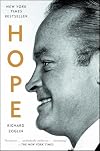
A extensive and well researched overview of Bob Hope’s career, but I felt it was missing something. It didn't really explore the man behind the brand. It is obvious that the more successful he became as “Bob Hope” the less that Leslie Townes Hope mattered. The book, while acknowledging his ego-driven work-ethic, his reliance on other people for his material, and his hypocrisy about relationships, also brushes over them and never tries to get at the roots of the legends and stories that show more Hope built up about his own past. If you want to know what Bob Hope did, this is an informative volume, but if you want to know why he did them, it might disappoint. show less
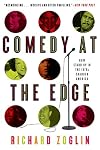
Comedy at the Edge by Richard Zoglin is a fantastic comprehensive and concise history of stand-up comedy during the late 1960 through the 1970s, from the death of Lenny Bruce to the ascendance of stand-up into the mainstream of American popular culture. It's well researched and compellingly presented.
I've always had a soft spot for stand-up comics. I love watching them on TV and seeing them in person. The conversational aspect of this style of performance lends an intimacy that you don't get show more from any other form of popular entertainment. Stand-up comedy is a type of theatre—it's really the only form of theatre that has attained truly mass appeal in our culture.
Despite my love of stand-up, I had never considered the history of it or thought too deeply about the differences between modern stand-up and the older styles that defined comedy in the middle of the 20th century. Consequently, Comedy at the Edge is revelatory.
Beginning the late 1960s, in the aftermath of Lenny Bruce, stand-up comedy underwent an evolution that broke with past humorous traditions and established new styles of comedy that still dominate stand-up today. Moreover, Mr. Zoglin argues that this evolution was not merely a product of the rebellious culture of the '60s and '70s, but one of its most powerful driving forces.
The evidence he presents in Comedy at the Edge is enough to convince me. Comedy has always been an essential tool for people to critique and analyze ourselves and our culture. Comedy can speak truth to power in a unique way that's easy for everyone to hear. In tumultuous times, comedians help us understand what's going on and warn us when we start down the wrong path.
What made the comedy revolution of the '60s and '70s so unique is that it brought stand-up to a level of mass popularity that it had never seen before and that continues to this day. It saw an explosion of creativity and inventiveness that has yet to be equaled. The comedians who came to prominence in this era—George Carlin, Richard Pryor, Richard Lewis, Albert Brooks, Steve Martin, Robin Williams, Andy Kaufman, et al—forged the blueprints that stand-up comics still follow. They elevated stand-up comedy from mere entertainment to a fully expressive and nuanced art form.
I admit that I'm biased—I grew up on the comedians Mr. Zoglin profiles in this book. They will always rank as my favorites. I'm an easy sell for anyone who wants to call them geniuses.
The book is structured with each chapter profiling one comedian (or sometimes two) who best exemplifies a specific aspect of the stand-up comedy culture of this time period. It's packed with quotations, interviews, analysis, and commentary from many comedians, club owners, and critics who were there and lived it all first-hand. Mr. Zoglin ably captures the vitality and excitement of it.
There are times, though, when the conciseness of the book feels a little too concise. Twelve chapters (plus a short prologue), examining just over a dozen comedians, packed into a meager 225 pages doesn't leave room for much depth. The broad strokes are vivid enough to paint a compelling picture, and all the important thesis statements are made and supported—but I'm also frequently aware of how much is getting left out.
Perhaps, though, that may be one of Comedy at the Edge's greatest accomplishments—it leaves me eager to learn more. There are plenty of biographies that have been written about the comedians in this book, and I want to go read all of them now. show less
I've always had a soft spot for stand-up comics. I love watching them on TV and seeing them in person. The conversational aspect of this style of performance lends an intimacy that you don't get show more from any other form of popular entertainment. Stand-up comedy is a type of theatre—it's really the only form of theatre that has attained truly mass appeal in our culture.
Despite my love of stand-up, I had never considered the history of it or thought too deeply about the differences between modern stand-up and the older styles that defined comedy in the middle of the 20th century. Consequently, Comedy at the Edge is revelatory.
Beginning the late 1960s, in the aftermath of Lenny Bruce, stand-up comedy underwent an evolution that broke with past humorous traditions and established new styles of comedy that still dominate stand-up today. Moreover, Mr. Zoglin argues that this evolution was not merely a product of the rebellious culture of the '60s and '70s, but one of its most powerful driving forces.
The evidence he presents in Comedy at the Edge is enough to convince me. Comedy has always been an essential tool for people to critique and analyze ourselves and our culture. Comedy can speak truth to power in a unique way that's easy for everyone to hear. In tumultuous times, comedians help us understand what's going on and warn us when we start down the wrong path.
What made the comedy revolution of the '60s and '70s so unique is that it brought stand-up to a level of mass popularity that it had never seen before and that continues to this day. It saw an explosion of creativity and inventiveness that has yet to be equaled. The comedians who came to prominence in this era—George Carlin, Richard Pryor, Richard Lewis, Albert Brooks, Steve Martin, Robin Williams, Andy Kaufman, et al—forged the blueprints that stand-up comics still follow. They elevated stand-up comedy from mere entertainment to a fully expressive and nuanced art form.
I admit that I'm biased—I grew up on the comedians Mr. Zoglin profiles in this book. They will always rank as my favorites. I'm an easy sell for anyone who wants to call them geniuses.
The book is structured with each chapter profiling one comedian (or sometimes two) who best exemplifies a specific aspect of the stand-up comedy culture of this time period. It's packed with quotations, interviews, analysis, and commentary from many comedians, club owners, and critics who were there and lived it all first-hand. Mr. Zoglin ably captures the vitality and excitement of it.
There are times, though, when the conciseness of the book feels a little too concise. Twelve chapters (plus a short prologue), examining just over a dozen comedians, packed into a meager 225 pages doesn't leave room for much depth. The broad strokes are vivid enough to paint a compelling picture, and all the important thesis statements are made and supported—but I'm also frequently aware of how much is getting left out.
Perhaps, though, that may be one of Comedy at the Edge's greatest accomplishments—it leaves me eager to learn more. There are plenty of biographies that have been written about the comedians in this book, and I want to go read all of them now. show less
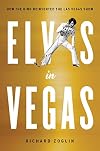
This book could just as well be titled "Great Entertainers in Las Vegas", because so much of it covers the Rat Pack, collectively and separately, in their Vegas performances and personal lives. The author also looks at the casino lounge acts who did very well, such as Keely Smith and Louis Prima, and the comedians who headlined in Vegas. The book explores the change in taste from the 50's, when Liberace was the hottest act, through the 70's, and some of the acts that were popular across show more decades, like Wayne Newton. Woven throughout the book is the story of Elvis and his ongoing connection to the city, from his first unsuccessful performances as a teen idol, to the shows of 1969-1971 that jump started his comeback.
The last seventy-five pages or so are solidly Elvis, discussing the musicians, casino owners and others who were involved in the shows at The International. A reader picking up a book with this title might have been disappointed by how much of it was about other performers, but I was interested in all of it and enjoyed all the chapters that were devoted to the Rat Pack, but also enjoyed learning more about the mob, various casino owners, show producers, and how Howard Hughes changed the way casinos ran and how entertainers were treated. There are little quibbles. A native of California is not a Yankee, and sometimes it seems like the author is laying the criticism on too thick to prove he's a journalist, but overall I really enjoyed this very informative book. I recommend it not just for a fan of these entertainers, but also for someone looking for Vegas history. show less
The last seventy-five pages or so are solidly Elvis, discussing the musicians, casino owners and others who were involved in the shows at The International. A reader picking up a book with this title might have been disappointed by how much of it was about other performers, but I was interested in all of it and enjoyed all the chapters that were devoted to the Rat Pack, but also enjoyed learning more about the mob, various casino owners, show producers, and how Howard Hughes changed the way casinos ran and how entertainers were treated. There are little quibbles. A native of California is not a Yankee, and sometimes it seems like the author is laying the criticism on too thick to prove he's a journalist, but overall I really enjoyed this very informative book. I recommend it not just for a fan of these entertainers, but also for someone looking for Vegas history. show less
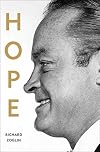
I would never have thought Bob Hope to be the worthy subject of an in depth biography, but Richard Zoglin’s book happily proves me wrong. HOPE: ENTERTAINER OF THE CENTURY goes a long way toward reclaiming Hope’s rightful position among the 20th Century’s most influential entertainers. Zoglin makes a strong case that modern standup comedy as we have come to know it would not exist if not for Bob Hope; and that latter day movies star activists like George Clooney and Angelina Jolie owe show more not a small debt of gratitude to man who was nicknamed Old Ski Nose. Not only that, but Zoglin details how Hope virtually invented “personal branding” as he promoted himself to stardom, first in vaudeville, on Broadway, radio, Hollywood and television.
To me the book provides panoramic history of 20th Century American popular culture as it follows a star whose career stretched from 1920’s burlesque houses all the way to the dawn of the Internet Age. Along the way, the reader gets a good sense of a changing America and the fickle tastes of the people; what one generation thought hilarious, a younger one would find lame and out of touch.
The portrait Zoglin paints of Bob Hope is of a man whose genial nature masked a tremendous work ethic and a boundless ambition to succeed. He was not a man driven by demons, and unlike many famous and successful comedians, Hope was not bitter, selfish, or mean spirited outside of the spotlight. Many who worked on his team of comedy writers found him to be a demanding boss, but also a fair and generous one and quick to give credit to the men who wrote hard to make him funny. Like many successful entertainers of his generation, Hope came from humble beginnings, he was actually born in England and immigrated with parents and brothers as a child to Ohio, where he would grow up and learn a love for the stage early in life. It’s easy to surmise that Hope’s lifelong success in business could be traced to the poverty of his childhood; few in Hollywood were as smart with a buck as Bob Hope, investing so heavily in California real estate that by the 1960’s he was rumored to be the state’s largest landowner. His biggest vice was his chronic womanizing, which went on with the clear knowledge of his wife Delores for decades until Hope was in his 70’s. To his children, he was a loving, but distant father, one who was frequently absent, a familiar story in the Hollywood of its time.
He honed his persona as a wisecracking ladies man with a yellow streak on the vaudeville circuit and then took it to radio and the movies; the book details how Hope was always improvising and improving his act. There was something about his personality that depression era audiences warmed to; nobody could deliver a punch line better and by the early 40’s he was one of the highest paid performers in Hollywood. His Paramount comedies, especially his Road movies with Bing Crosby and Dorothy Lamour are masterpieces of comic timing and physical comedy. SON OF PALEFACE, which I saw many times on TV growing up, was a favorite of mine. Yet few, if any, modern cinema buffs champion his films today, most of which were made by the same handful of studio directors with scripts tailored to Hope’s strengths; it’s a shame he never worked for Preston Sturges or Howard Hawks, men who could have made good use of Hope’s quick witted talents with the right material. For the better part of four decades, his annual specials for NBC were must see TV with their mix of a monologue, hot chicks, athletes, pop singers and often hackneyed skits poking fun at current pop culture and movies; he never did a weekly variety show so as not to wear out his welcome with his audience.
During World War II, Hope traveled the world entertaining American troops, bringing a piece Hollywood to the battlefront in an effort to raise the spirits of soldiers far from home and facing a determined enemy. For Bob Hope, this would become a labor of love as he continued his USO tours through Korea, Vietnam and ultimately to the Persian Gulf. Zoglin makes it clear that while Hope reaped many rewards and career advancement for his overseas travels, he was motivated by a genuine patriotism; he always put in the hard work, and lined up great talent to back him-always making sure there was a current sex symbol (Jayne Mansfield and Jill St. John to name but a few) to stand beside him on the stage. It was an act that varied little as the years and the wars changed.
The most interesting part of the book for me is the chapters covering the Vietnam era, when Hope took a side in the generational conflict that enveloped the 60’s. He backed the war and the policies of Johnson and Nixon; a lifelong Republican who in the past had poked fun at politicians of both parties, Hope went from a patriot to a partisan. And as a partisan, he earned the enmity of a younger generation who saw him as the court jester of a corrupt system, one that drafted young men to die in a hopeless war in Southeast Asia. It was not pretty, as Hope fired back with lame sketches on his TV specials making fun of long hairs and hippies. It was a war he could not win and his reputation took a hit from which it never fully recovered. He threw his arms around Nixon and increasingly became dependent on reading cue cards, and as Zoglin puts it in the book, became the Mount Rushmore of comedy. An institution that would not get off the stage. Perhaps he couldn’t, for outside of his beloved golf, there nothing Bob Hope wanted to do but perform, and he continued to do so long after age had caught up with him. I can remember a Kmart commercial featuring a feeble 90 something Bob Hope, who spoke only one line, running on TV only a few years before his death at the age of 100.
Yet I would point out, there were times in the late 60’s and early 70’s it seemed that outside of their families, no one but Bob Hope really gave a damn about those young men out there in Vietnam, who were putting their lives on the line and walking patrol in the bush. He really cared, unlike the politicians in Washington who sent them there and then prattled about “peace with honor” and the anti war protestors who talked about bringing the boys home, but only after calling them baby killers and Nazis.
HOPE: ENTERTAINER OF THE CENTURY does its best to restore Bob Hope to his place of honor in the American comedy pantheon, a place that was accorded to his contemporaries Groucho Marx and George Burns. Many readers have pointed to the anecdote with which Zoglin ends the book, an account of a show during a USO tour in World War II England when he truly goes the extra mile to entertain a group of American soldiers, as bringing tears to their eyes. I think it perfectly sums up the man and it is certainly how Hope would have wanted to be remembered. show less
To me the book provides panoramic history of 20th Century American popular culture as it follows a star whose career stretched from 1920’s burlesque houses all the way to the dawn of the Internet Age. Along the way, the reader gets a good sense of a changing America and the fickle tastes of the people; what one generation thought hilarious, a younger one would find lame and out of touch.
The portrait Zoglin paints of Bob Hope is of a man whose genial nature masked a tremendous work ethic and a boundless ambition to succeed. He was not a man driven by demons, and unlike many famous and successful comedians, Hope was not bitter, selfish, or mean spirited outside of the spotlight. Many who worked on his team of comedy writers found him to be a demanding boss, but also a fair and generous one and quick to give credit to the men who wrote hard to make him funny. Like many successful entertainers of his generation, Hope came from humble beginnings, he was actually born in England and immigrated with parents and brothers as a child to Ohio, where he would grow up and learn a love for the stage early in life. It’s easy to surmise that Hope’s lifelong success in business could be traced to the poverty of his childhood; few in Hollywood were as smart with a buck as Bob Hope, investing so heavily in California real estate that by the 1960’s he was rumored to be the state’s largest landowner. His biggest vice was his chronic womanizing, which went on with the clear knowledge of his wife Delores for decades until Hope was in his 70’s. To his children, he was a loving, but distant father, one who was frequently absent, a familiar story in the Hollywood of its time.
He honed his persona as a wisecracking ladies man with a yellow streak on the vaudeville circuit and then took it to radio and the movies; the book details how Hope was always improvising and improving his act. There was something about his personality that depression era audiences warmed to; nobody could deliver a punch line better and by the early 40’s he was one of the highest paid performers in Hollywood. His Paramount comedies, especially his Road movies with Bing Crosby and Dorothy Lamour are masterpieces of comic timing and physical comedy. SON OF PALEFACE, which I saw many times on TV growing up, was a favorite of mine. Yet few, if any, modern cinema buffs champion his films today, most of which were made by the same handful of studio directors with scripts tailored to Hope’s strengths; it’s a shame he never worked for Preston Sturges or Howard Hawks, men who could have made good use of Hope’s quick witted talents with the right material. For the better part of four decades, his annual specials for NBC were must see TV with their mix of a monologue, hot chicks, athletes, pop singers and often hackneyed skits poking fun at current pop culture and movies; he never did a weekly variety show so as not to wear out his welcome with his audience.
During World War II, Hope traveled the world entertaining American troops, bringing a piece Hollywood to the battlefront in an effort to raise the spirits of soldiers far from home and facing a determined enemy. For Bob Hope, this would become a labor of love as he continued his USO tours through Korea, Vietnam and ultimately to the Persian Gulf. Zoglin makes it clear that while Hope reaped many rewards and career advancement for his overseas travels, he was motivated by a genuine patriotism; he always put in the hard work, and lined up great talent to back him-always making sure there was a current sex symbol (Jayne Mansfield and Jill St. John to name but a few) to stand beside him on the stage. It was an act that varied little as the years and the wars changed.
The most interesting part of the book for me is the chapters covering the Vietnam era, when Hope took a side in the generational conflict that enveloped the 60’s. He backed the war and the policies of Johnson and Nixon; a lifelong Republican who in the past had poked fun at politicians of both parties, Hope went from a patriot to a partisan. And as a partisan, he earned the enmity of a younger generation who saw him as the court jester of a corrupt system, one that drafted young men to die in a hopeless war in Southeast Asia. It was not pretty, as Hope fired back with lame sketches on his TV specials making fun of long hairs and hippies. It was a war he could not win and his reputation took a hit from which it never fully recovered. He threw his arms around Nixon and increasingly became dependent on reading cue cards, and as Zoglin puts it in the book, became the Mount Rushmore of comedy. An institution that would not get off the stage. Perhaps he couldn’t, for outside of his beloved golf, there nothing Bob Hope wanted to do but perform, and he continued to do so long after age had caught up with him. I can remember a Kmart commercial featuring a feeble 90 something Bob Hope, who spoke only one line, running on TV only a few years before his death at the age of 100.
Yet I would point out, there were times in the late 60’s and early 70’s it seemed that outside of their families, no one but Bob Hope really gave a damn about those young men out there in Vietnam, who were putting their lives on the line and walking patrol in the bush. He really cared, unlike the politicians in Washington who sent them there and then prattled about “peace with honor” and the anti war protestors who talked about bringing the boys home, but only after calling them baby killers and Nazis.
HOPE: ENTERTAINER OF THE CENTURY does its best to restore Bob Hope to his place of honor in the American comedy pantheon, a place that was accorded to his contemporaries Groucho Marx and George Burns. Many readers have pointed to the anecdote with which Zoglin ends the book, an account of a show during a USO tour in World War II England when he truly goes the extra mile to entertain a group of American soldiers, as bringing tears to their eyes. I think it perfectly sums up the man and it is certainly how Hope would have wanted to be remembered. show less
Lists
1970s Narratives (1)
Awards

You May Also Like


Associated Authors
Statistics
- Works
- 3
- Also by
- 1
- Members
- 360
- Popularity
- #66,629
- Rating
- 3.9
- Reviews
- 12
- ISBNs
- 19