
Peter Guralnick
Author of Last train to Memphis: The Rise of Elvis Presley
About the Author
Peter Guralnick's books include the prizewinning two-volume biography of Elvis Presley. Last Train to Memphis and Careless Love: Sweet Soul Music; Dream Boogie: The Triumph of Sam Cooke; and Sam Phillips: The Man Who Invented Rock 'n' Roll. He won a Grammy for his liner notes for Sam Cooke Live at show more the harlem Square Club, wrote and coproduced the documentary Sam Phillips: The Man Who Invented Rock 'n' Roll, and wrote the scripts for the Grammy-winning documentary Sam Cooke/Legend and Martin Scorsese's blues documentary Feel Like Going Home. show less
Series
Works by Peter Guralnick
Searching for Robert Johnson: The Life and Legend of the "King of the Delta Blues Singers" (1989) 243 copies
The Colonel and the King: Tom Parker, Elvis Presley, and the Partnership that Rocked the World (2025) 36 copies, 2 reviews
The Birth of Rock 'n' Roll: The Illustrated Story of Sun Records and the 70 Recordings That Changed the World (2022) 16 copies, 1 review
The Colonel and the King: Tom Parker, Elvis Presley and the Partnership that Rocked the World (2025) 4 copies
Careless Love 1 copy
Mr. Downchild - Stories 1 copy
Associated Works
Johnny Cash: The Last Interview: and Other Conversations (The Last Interview Series) (2021) — Introduction — 13 copies
Johnny's Cash and Charley's Pride: Lasting Legends and Untold Adventures in Country Music (2017) — Foreword — 9 copies
Tagged
Common Knowledge
- Birthdate
- 1943-12-15
- Gender
- male
- Education
- Boston University (MA|1971)
- Occupations
- music historian
biographer
music critic - Organizations
- Crawdaddy
Vanderbilt University - Awards and honors
- Blues Hall of Fame (2010)
Grammy Award (1994) - Nationality
- USA
- Birthplace
- Boston, Massachusetts, USA
- Places of residence
- Boston, Massachusetts, USA
- Associated Place (for map)
- Boston, Massachusetts, USA
Members
Reviews

Peter Guralnick tells an epic tale on an epic scale. One might ask whether the life of a man who owned the studio an eighteen-year-old happened to walk into to record a song for his mother is worth covering in over 700 pages. The answer is an unequivocal yes.
The music Sam Phillips captured is enough reason for this. Phillips is so famous for being the first to record Elvis, followed in quick succession by Johnny Cash, Carl Perkins, and then, a little later, Jerry Lee Lewis, that one forgets show more how much great, path-breaking music he had recorded before that. There was “Rocket 88” with Ike Turner’s group, with Jackie Brenston on vocals—often called the first rock & roll record—but also the first sessions with Howlin’ Wolf, B. B. King, and others.
Fortuitously, Phillips was a meticulous sound engineer. Many timeless monuments of early rock and blues were cut in less-than-ideal circumstances, but Phillips captured these seminal tracks in a self-designed state-of-the-art room. Yet Guralnick makes it clear that for Sam, it was always about more than music. From childhood in rural Alabama, close to Muscle Shoals, he heard in the music of those around him, black and white, a shared human spirituality. Racial segregation made no sense to him, and for him, the cross-over appeal of his tracks was a weapon in overcoming it.
For years, he was reticent about articulating his agenda, but both the teens who bought his records and disapproving adults understood. When the pushback came, in the late fifties, the hot-button issues were the payola scandal (the revelation that chronically underpaid disc jockeys raised themselves to a living wage through the largesse of promoters) and the irregular private life of the enormously talented and arrogant Jerry Lee Lewis. The underlying worry, however, was desegregation. Also, the major record companies, slow to catch on (and cash in) on the new trend were jealous of every dollar that went to Sun Records and other independent labels such as Chess and Atlantic rather than to them.
Guralnick tells the tale well, casting it as one of dazzling success and back-breaking setbacks. There is a bit of irony, as well. After Phillips reluctantly sold his contract with Elvis to RCA, knowing that he had no chance to keep him in the long run anyway, he still had a stable full of talent. But Carl Perkins, Johnny Cash, and Roy Orbison all felt neglected because of the attention Sam lavished on the one he felt most talented of all, Jerry Lee Lewis. They deserted him just before Jerry Lee’s personal life became public and his record sales dropped to nothing. It’s not always the prospectors who first find gold who get rich in the ensuing rush.
In a lengthy final chapter, the author details how he came to play Boswell to Sam’s Johnson. It’s an unusual feature, but I felt it worked. There are a few other idiosyncrasies in Guralnick’s style, however, such as the choice of the preposition “on” as in “to cut a record on [Artist’s Name].” Perhaps he picked that up from Phillips himself, but it was new to me. Another quirk is to write a sentence with a qualifier and then in parentheses take back the qualifier. Example: “almost painful (forget almost).” Even in a book of this length, one such sentence would have been enough. He also uses the verb “individuate” more than any other writer I’ve come across.
These are minor quibbles, though. My friends consider me very knowledgeable about this music, but there was much in the book new to me, such as the in-studio argument during the sessions to record “Great Balls of Fire” between Sam and Jerry Lee about whether God would send the singer to hell for blasphemy. Jerry Lee argued the affirmative, which may account for some of the anguished urgency in his vocal.
I give this book the full five stars because I believe it is worth reading not only by those for whom this music matters but for anyone interested in the social upheavals in America in the second half of the 20th century. show less
The music Sam Phillips captured is enough reason for this. Phillips is so famous for being the first to record Elvis, followed in quick succession by Johnny Cash, Carl Perkins, and then, a little later, Jerry Lee Lewis, that one forgets show more how much great, path-breaking music he had recorded before that. There was “Rocket 88” with Ike Turner’s group, with Jackie Brenston on vocals—often called the first rock & roll record—but also the first sessions with Howlin’ Wolf, B. B. King, and others.
Fortuitously, Phillips was a meticulous sound engineer. Many timeless monuments of early rock and blues were cut in less-than-ideal circumstances, but Phillips captured these seminal tracks in a self-designed state-of-the-art room. Yet Guralnick makes it clear that for Sam, it was always about more than music. From childhood in rural Alabama, close to Muscle Shoals, he heard in the music of those around him, black and white, a shared human spirituality. Racial segregation made no sense to him, and for him, the cross-over appeal of his tracks was a weapon in overcoming it.
For years, he was reticent about articulating his agenda, but both the teens who bought his records and disapproving adults understood. When the pushback came, in the late fifties, the hot-button issues were the payola scandal (the revelation that chronically underpaid disc jockeys raised themselves to a living wage through the largesse of promoters) and the irregular private life of the enormously talented and arrogant Jerry Lee Lewis. The underlying worry, however, was desegregation. Also, the major record companies, slow to catch on (and cash in) on the new trend were jealous of every dollar that went to Sun Records and other independent labels such as Chess and Atlantic rather than to them.
Guralnick tells the tale well, casting it as one of dazzling success and back-breaking setbacks. There is a bit of irony, as well. After Phillips reluctantly sold his contract with Elvis to RCA, knowing that he had no chance to keep him in the long run anyway, he still had a stable full of talent. But Carl Perkins, Johnny Cash, and Roy Orbison all felt neglected because of the attention Sam lavished on the one he felt most talented of all, Jerry Lee Lewis. They deserted him just before Jerry Lee’s personal life became public and his record sales dropped to nothing. It’s not always the prospectors who first find gold who get rich in the ensuing rush.
In a lengthy final chapter, the author details how he came to play Boswell to Sam’s Johnson. It’s an unusual feature, but I felt it worked. There are a few other idiosyncrasies in Guralnick’s style, however, such as the choice of the preposition “on” as in “to cut a record on [Artist’s Name].” Perhaps he picked that up from Phillips himself, but it was new to me. Another quirk is to write a sentence with a qualifier and then in parentheses take back the qualifier. Example: “almost painful (forget almost).” Even in a book of this length, one such sentence would have been enough. He also uses the verb “individuate” more than any other writer I’ve come across.
These are minor quibbles, though. My friends consider me very knowledgeable about this music, but there was much in the book new to me, such as the in-studio argument during the sessions to record “Great Balls of Fire” between Sam and Jerry Lee about whether God would send the singer to hell for blasphemy. Jerry Lee argued the affirmative, which may account for some of the anguished urgency in his vocal.
I give this book the full five stars because I believe it is worth reading not only by those for whom this music matters but for anyone interested in the social upheavals in America in the second half of the 20th century. show less
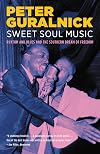
This feels like a comprehensive history of southern-rooted soul music. It took Peter Guralnick five years to complete the book, originally published in 1985. And it is a compelling history.
Soul was the result of gospel influencing R&B, Guralnick contends. Unlike Motown, “aimed specifically at reaching the white market,” and tightly controlled by the industry, “southern soul music, on the other hand, was a haven for free-lancers and individualists.”
Guralnick focuses on these show more individualists who created soul and also the places they did it. Solomon Burke gets his own chapter, as does Otis Redding. Aretha Franklin gets her own substantial chapter. It takes three chapters to cover Stax Records and all the characters involved with it. How Muscle Shoals, Alabama became an unlikely recording capitol is a fascinating tale, as are the stories of Dan Penn, Chips Moman (who together wrote “Dark End of the Street,” one of the best songs of all time) and Spooner Oldham, all of whom started there and gravitated to Memphis (another soul hot spot.)
A significant point made in the book is: in the southern soul music scene, at Stax and the other Memphis studios as well as in Muscle Shoals, “the key to it all, was black and white together, working as a team.”
I’ll seek out Peter Guralnick’s other books because this one displays his passion for music and honest writing. show less
Soul was the result of gospel influencing R&B, Guralnick contends. Unlike Motown, “aimed specifically at reaching the white market,” and tightly controlled by the industry, “southern soul music, on the other hand, was a haven for free-lancers and individualists.”
Guralnick focuses on these show more individualists who created soul and also the places they did it. Solomon Burke gets his own chapter, as does Otis Redding. Aretha Franklin gets her own substantial chapter. It takes three chapters to cover Stax Records and all the characters involved with it. How Muscle Shoals, Alabama became an unlikely recording capitol is a fascinating tale, as are the stories of Dan Penn, Chips Moman (who together wrote “Dark End of the Street,” one of the best songs of all time) and Spooner Oldham, all of whom started there and gravitated to Memphis (another soul hot spot.)
A significant point made in the book is: in the southern soul music scene, at Stax and the other Memphis studios as well as in Muscle Shoals, “the key to it all, was black and white together, working as a team.”
I’ll seek out Peter Guralnick’s other books because this one displays his passion for music and honest writing. show less
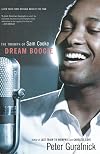
The excellent film One Night in Miami brought me to this bio, my first by Guralnick, who is known for his profoundly comprehensive examinations of music and musicians. Even beyond Sam Cooke’s riveting performances and smooth yet passionate voice, his overriding personality traits were his thirst for knowledge and the genial and loving care he took of his family and friends (with the exception of his wife Barbara, whose voice is loud in this mix). His roots in and his love of gospel are show more demonstrated by his reluctance to "cross over", and he always kept a toe in the gospel group universe. After an early, humiliating failure at the Copa, his overwhelming goal was to get a second chance there, twisting and muting his gospel-roots style to please the sedentary, rich, old white patrons. He succeeded but found little pleasure in it, missing his church roots and the audiences (especially women and girls) who threw themselves at him as he sang to each of them as if they were two alone in the room. The racism that followed Sam and his early groups - the Highway QC Singers, the Soul Stirrers - especially down South, almost broke him and almost got him killed. Every major artist of his time, and many minor ones - Jackie Wilson, James Brown, Mahalia Jackson, Little Richard, Aretha Franklin, Jimi Hendrix, Solomon Burke - crossed Sam’s path and all were enchanted by his unmatched charisma, generosity, command of his vocal gifts, and his allover instincts, intelligence, and goodness. But there was a kernel of yearning in Sam that no one could quite touch, that he was never able to find in owning a nice home in a rich white neighborhood, in fancy cars, in #1 hits, even in his children - but the fervent response from his devoted audiences probably came closest to reaching it.
The book is over-filled with details of financial struggles with the exploitation and abuse by predatory record companies and white managers and record labels, but that's the only drawback to this extensive examination into the life of this fascinating musician and businessman whose compulsion was to set his own path and to create opportunities for all Black artists. When he died in 1964, Dylan and the Beatles were coming up and music was heading for the big swerve into folk-rock, the British Invasion, and the dominance of Motown, and his path forward at that point was unclear. Guralnick indicates that Sam was just tired and burnt out, and surely at a crossroads when he was senselessly murdered, the mysterious circumstances of which are not completely understood fifty seven years later.
The author's recounting of the creation of his varied hits - "We're Havin' A Party, "Chain Gang", "Try A Little Tenderness", "Bring It On Home to Me", "You Send Me", "(What a) Wonderful World", "Twistin' the Night Away", "Cupid", and the immortal "A Change Gonna Come" - alone is worth the price of admission. This is a masterful effort.
Quotes: "Sam was the coolest. Sam was the sharpest. You never saw his down side." show less
The book is over-filled with details of financial struggles with the exploitation and abuse by predatory record companies and white managers and record labels, but that's the only drawback to this extensive examination into the life of this fascinating musician and businessman whose compulsion was to set his own path and to create opportunities for all Black artists. When he died in 1964, Dylan and the Beatles were coming up and music was heading for the big swerve into folk-rock, the British Invasion, and the dominance of Motown, and his path forward at that point was unclear. Guralnick indicates that Sam was just tired and burnt out, and surely at a crossroads when he was senselessly murdered, the mysterious circumstances of which are not completely understood fifty seven years later.
The author's recounting of the creation of his varied hits - "We're Havin' A Party, "Chain Gang", "Try A Little Tenderness", "Bring It On Home to Me", "You Send Me", "(What a) Wonderful World", "Twistin' the Night Away", "Cupid", and the immortal "A Change Gonna Come" - alone is worth the price of admission. This is a masterful effort.
Quotes: "Sam was the coolest. Sam was the sharpest. You never saw his down side." show less
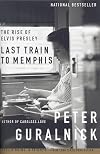
I wasn’t a big Elvis fan back in the day but after reading Last Train to Memphis I am now. This epic volume (vol. 1 out of 2) consisting of over 500 pages of small print and a mind‑boggling level of detail about Elvis’s early years has converted me. I’m also now a fan of Peter Guralnick’s writing. Whether or not he has captured the true spirit of Elvis himself on these pages, it's clear he's captured the spirit of the Elvis Presley phenomenon.
Lists
Awards


You May Also Like


Associated Authors
Statistics
- Works
- 32
- Also by
- 4
- Members
- 4,587
- Popularity
- #5,483
- Rating
- 4.2
- Reviews
- 42
- ISBNs
- 168
- Languages
- 8
- Favorited
- 9

