

Geoffrey Blainey
Author of A Very Short History of the World
About the Author
Geoffrey Blainey is an Australian historian, born 1930 in Melbourne, Victoria. He is a graduate of the University of Melbourne. He taught at the University of Melbourne and held chairs in economic history and history. He taught at Harvard University as a visiting professor of Australian Studies. He show more has written over 36 and is the author of The Story of Australia's People: The Rise and Fall of Ancient Australia for which he was a joint winner of the 2016 Prime Minister's Literary Award for Australian history. (Bowker Author Biography) show less
Image credit: Photo from back cover of dust jacket from Our Side of the Country by Geoffrey Blainey (first published 1984)
Works by Geoffrey Blainey
Gold and Paper 1858-1982: A History of The National Bank of Australasia Ltd (1983) 24 copies, 1 review
The Story of Australia’s People Vol. I: The Rise and Fall of Ancient Australia (2015) 11 copies, 2 reviews
Travellers' Tales of Early Australia & New Zealand - Greater Britain - Charles Dilke Visits Her New Lands, 1866 & 1867 (1985) — Editor — 5 copies, 1 review
Section on Indigenous Football in A Game of Our Own: The Origins of Australian Football 1 copy, 1 review
Papers of Geoffrey Blainey 1 copy
The Steel Master 1 copy
Associated Works
Tagged
Common Knowledge
- Legal name
- Blainey, Geoffrey Norman
- Birthdate
- 1930-03-11
- Gender
- male
- Education
- University of Melbourne
- Occupations
- historian
- Organizations
- University of Ballarat (Foundation Chancellor)
Geelong Football Club (member) - Awards and honors
- Australian Living Treasure
Order of Australia (Officer)
Royal Historical Society of Victoria (Fellow)
Centenary Medal - Relationships
- Blainey, Ann (wife)
- Nationality
- Australia
- Birthplace
- Melbourne, Victoria, Australia
- Associated Place (for map)
- Victoria, Australia
Members
Reviews
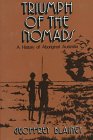
Absolutely fantastic. Still highly informative reading on the great variety, strengths, and intricacies of Indigenous Australian culture before white people came. In the 2020s, we live in an era of a) reactionary right-wing types, who still reiterate the pallid, naive ideas, which Blainey disproved almost five decades ago, in which the existence of Australia's many Indigenous nations were static, often desperate, and lacking in complexity, and b) ideological left-wing types who - not show more unreasonably or unsympathetically - seek out narratives of power and woe in their fight against lingering discrimination and the rose-tinted view of the past which successive governments seem desperate to write into the history books, but who aren't so interested in using science or reason to hammer things out. Instead, by using those very tools, Blainey examines the many ways in which nomadic life was equal - or superior - to that of Europeans and Asians, as well as exploring the versatility, developments, and depth of life on the continent prior to 1788. It is a nuanced portrayal that, of course, lacks something for being old now, but - adjusted for inflation, as it were - is richly rewarding. There were several times that I was able to reposition my mind, on items I had been pondering for some time. (For example, as Blainey discusses in the final chapter, the possibility that one of the reasons why farming and domestication didn't make it across from some of the islands of New Guinea and the Torres Strait - almost within sight of Australia and within trading networks for northern Indigenous people - was to do with their inconsistency with nomadic life. Soil in the areas which regularly traded - those in the north - was not welcoming to farming; the most popular domesticated animal (the pig) would be an encumbrance on even a partly-nomadic life; it did not reflect in the cultural and religious values which also tied northern Australians to their central and southern brethren; and in fact Indigenous people often made a better life being nomadic: it was - in good times - fewer hours' work than domesticated life and was strengthened by the movement throughout the seasons which of course isn't possible on a smaller island. Additionally, the islands of New Guinea provided fewer but more abundant foodstuffs in smaller locations, supporting the additional growth of, say, taro. Domestication made sense when it arrived. By contrast, even with some pigs or some sweet potatoes, Indigenous tribes would still have needed to traverse a wider area of land for the incredibly wide but less populous range of items that made up their diet, and thus it would have been an active liability. The more you know.)
Pivotal reading for anyone interested in Australian history. show less
Pivotal reading for anyone interested in Australian history. show less
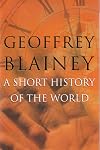
A magnificent, if not a must, read for anyone who wants a relatively comprehensive, readable history of the world.
Its focus is on human history, rather than that of science, technology, ideas, etc, though obviously there is a large interaction between each. Having been first published in 2000, it is relatively up to date, and given the scope of what it does cover the 'missing' 22 years since then are not a great chasm.
I have always enjoyed Blainey's writing: he has the ability to convey an show more enormous amount of information in a few short sentences, whilst hinting at/inviting the reader to contemplate the implications of that information. Some examples:
- page 407: "Cook's voyages into the pacific and Indian oceans were in effect like switching on a time machine. many Pacific islands, settled by the sea-skilled Polynesians in the course of several thousand years, had remained in isolation until Cook arrived. At such strange meetings between such different peoples and cultures there was bound to be some puzzlement and suspicion, even with goodwill on both sides. Captain Cook, normally tactful in his contacts with native peoples, was the victim of a misunderstanding. In 1779 in Hawaii he was clubbed to death."
- page 459: "Africa had its share of long rivers, but most were interrupted by waterfalls, rapids and cataracts. ....The history of Europe would have been different if the Danube, Rhine, Rhone and Elbe had also been interrupted by waterfalls.....Moreover Africa as a whole was weak in those gulfs and deep bays, those tongues of sea which enabled a sailing ship or galley to penetrate a considerable way towards the interior. Whereas more than 33[%] of the landmass of Europe was peninsula and island, only 2[%] of Africa was so shaped. There were considerable disadvantages for Africa, to which must be added the vast area of jungle."
With some deft commentary, Blainey is able to communicate the implications of change. The coming of steam, and in particular its impact on travel was immense. To demonstrate that, Blainey considers (page 464):
-the poet William Blake, who wrote much of foreign countries, and as a "...Londoner, he knew the River Thames and its rowing boats and the floating shops of the hawkers, but he did not see the sea itself until 1800 when he was aged 42. Renting a cottage only a short stroll from the beach he was surprised by the 'shifting lights of the sea' "
- another poet, John Keats (younger than Blake) who "wrote the words 'Much have I travell'd in the realms of gold, and many goodly states and kingdoms seen', he signified that he travelled by reading. At the time he had never moved far from his birthplace. He was to die young, in Rome, but he went there only because he suffered from tuberculosis and hoped to find a sunnier, healthier climate."
The study is not dry, with many amusing anecdotes:
- page 474: deciding that there should be a rail connection between St Petersburg and Moscow, "[t]he tsar himself took up a straight ruler and pencilled on the map the route which this railway should follow. It is said that he marked a straight line between the two cities, except the place where his thumb accidently obtruded over the edge of the ruler. The railway builders dutifully followed his accidental detour."
- page 484: thinker and eccentric, Henry David Thoreau argued in his book, Walden, "Our inventions are wont to be pretty toys, which distract our attention from serous things ....We are in great haste to construct a ...telegraph [line] from Maine to Texas; but....., it may be, [we] have nothing important to communicate.". It reminds me a senior executive in the office I worked in in the mid 1980s, when we relied on telex systems for rapid international business communications, saying that the new fangled facsimile machines 'would never take hold'!. It was less than a decade later that the internet saw the demise of both.
As is obvious from my rating, I suggest this is an easy, interesting read for anyone who wants a guide as to human history. And for those who want more depth, there are plenty of helpful references to more reading.
Big Ship
22 May 2022 show less
Its focus is on human history, rather than that of science, technology, ideas, etc, though obviously there is a large interaction between each. Having been first published in 2000, it is relatively up to date, and given the scope of what it does cover the 'missing' 22 years since then are not a great chasm.
I have always enjoyed Blainey's writing: he has the ability to convey an show more enormous amount of information in a few short sentences, whilst hinting at/inviting the reader to contemplate the implications of that information. Some examples:
- page 407: "Cook's voyages into the pacific and Indian oceans were in effect like switching on a time machine. many Pacific islands, settled by the sea-skilled Polynesians in the course of several thousand years, had remained in isolation until Cook arrived. At such strange meetings between such different peoples and cultures there was bound to be some puzzlement and suspicion, even with goodwill on both sides. Captain Cook, normally tactful in his contacts with native peoples, was the victim of a misunderstanding. In 1779 in Hawaii he was clubbed to death."
- page 459: "Africa had its share of long rivers, but most were interrupted by waterfalls, rapids and cataracts. ....The history of Europe would have been different if the Danube, Rhine, Rhone and Elbe had also been interrupted by waterfalls.....Moreover Africa as a whole was weak in those gulfs and deep bays, those tongues of sea which enabled a sailing ship or galley to penetrate a considerable way towards the interior. Whereas more than 33[%] of the landmass of Europe was peninsula and island, only 2[%] of Africa was so shaped. There were considerable disadvantages for Africa, to which must be added the vast area of jungle."
With some deft commentary, Blainey is able to communicate the implications of change. The coming of steam, and in particular its impact on travel was immense. To demonstrate that, Blainey considers (page 464):
-the poet William Blake, who wrote much of foreign countries, and as a "...Londoner, he knew the River Thames and its rowing boats and the floating shops of the hawkers, but he did not see the sea itself until 1800 when he was aged 42. Renting a cottage only a short stroll from the beach he was surprised by the 'shifting lights of the sea' "
- another poet, John Keats (younger than Blake) who "wrote the words 'Much have I travell'd in the realms of gold, and many goodly states and kingdoms seen', he signified that he travelled by reading. At the time he had never moved far from his birthplace. He was to die young, in Rome, but he went there only because he suffered from tuberculosis and hoped to find a sunnier, healthier climate."
The study is not dry, with many amusing anecdotes:
- page 474: deciding that there should be a rail connection between St Petersburg and Moscow, "[t]he tsar himself took up a straight ruler and pencilled on the map the route which this railway should follow. It is said that he marked a straight line between the two cities, except the place where his thumb accidently obtruded over the edge of the ruler. The railway builders dutifully followed his accidental detour."
- page 484: thinker and eccentric, Henry David Thoreau argued in his book, Walden, "Our inventions are wont to be pretty toys, which distract our attention from serous things ....We are in great haste to construct a ...telegraph [line] from Maine to Texas; but....., it may be, [we] have nothing important to communicate.". It reminds me a senior executive in the office I worked in in the mid 1980s, when we relied on telex systems for rapid international business communications, saying that the new fangled facsimile machines 'would never take hold'!. It was less than a decade later that the internet saw the demise of both.
As is obvious from my rating, I suggest this is an easy, interesting read for anyone who wants a guide as to human history. And for those who want more depth, there are plenty of helpful references to more reading.
Big Ship
22 May 2022 show less
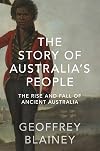
This should be required reading for anyone with an interest in Australia.
It shines a light on the first Australians, that counteracts the prevailing narrative of a primitive and uncivilised people. In its place it shows the unparalleled ingenuity and resilience needed to survive in such a harsh place. And it too, paints the picture of the cultures and customs, that were beyond European understanding.
It unflinchingly, too, catalogues the terrible decline that was brought about, both show more intentionally and incidentally, with the arrival of the invading, colonial force.
If you have any connection to this country, this this book will be an incredibly valuable resource and experience. show less
It shines a light on the first Australians, that counteracts the prevailing narrative of a primitive and uncivilised people. In its place it shows the unparalleled ingenuity and resilience needed to survive in such a harsh place. And it too, paints the picture of the cultures and customs, that were beyond European understanding.
It unflinchingly, too, catalogues the terrible decline that was brought about, both show more intentionally and incidentally, with the arrival of the invading, colonial force.
If you have any connection to this country, this this book will be an incredibly valuable resource and experience. show less
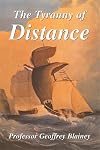
The Tyranny of Distance is one of the quintessential texts for anyone attempting to understand Australia. It is creeping up to its 50th birthday, so we shouldn't assume Blainey's analysis is infallible now, but his view of how isolation impacted the first colonial settlers, how it helped conjure up the conservatism, the complicated relationship with the motherland, the social values, and the relationship with the land beneath our feet (or, often, out of sight beyond the edge of a city), show more remains deeply insightful. Every Australian historian must live in his shadow, perhaps alongside that more socially passionate troika of Manning Clark, Inga Clendinnen, and Robert Hughes.
It should be said that this is not a "history of Australia" in any traditional sense. Sturt and Eyre do not appear in the index, nor do Barton or Deakin; Arthur Phillip and Matthew Flinders receive only a couple of pages; while Aboriginal Australians receive only passing references. (These subjects would be dealt with in the other two books in Blainey's unofficial "trilogy": A Land Half Won and Triumph of the Nomads: A History of Aboriginal Australia respectively.) The book has a broad scope, from mining and international trade to the rise of the railway, but it is filtered through Blainey's hypothesis: that the continent's isolation from its Western allies in the 19th and early 20th centuries, combined with its sheer size, played crucial roles in forming the development of the country, its industries, and its people's mindset.
For readers of my generation, we are apt to view Blainey in light of his perceived failures as a man rather than as an historian. Although he remained a potent force throughout the 20th century (and even into the 21st), he occasionally nailed his colours to less-than-savoury masts. His public concern about levels of Asian immigration is - strangely enough - at odds with the final chapters of the revised edition of this very book, in which he notes the regional importance of our ties to Asia. Ah, humankind! But, as Lawrence Durrell once said, if things were always what they seem, how impoverished would be the lives of man.
But with my rational book reviewer hat on, I don't think that can justify ignoring this key volume. It remains a crucial text in the teaching of Australian history, although - in line with its academic origins - a few chapters can get a touch dry. Extensive lessons on the manufacture and resourcing of flax, for example, would drive even a student of accounting to start eating the book just to be rid of it.
In a way, we have all absorbed Blainey's teachings already, so you probably don't need to read this book. Still, without him, we would know ourselves less well, and that would surely be a shame. show less
It should be said that this is not a "history of Australia" in any traditional sense. Sturt and Eyre do not appear in the index, nor do Barton or Deakin; Arthur Phillip and Matthew Flinders receive only a couple of pages; while Aboriginal Australians receive only passing references. (These subjects would be dealt with in the other two books in Blainey's unofficial "trilogy": A Land Half Won and Triumph of the Nomads: A History of Aboriginal Australia respectively.) The book has a broad scope, from mining and international trade to the rise of the railway, but it is filtered through Blainey's hypothesis: that the continent's isolation from its Western allies in the 19th and early 20th centuries, combined with its sheer size, played crucial roles in forming the development of the country, its industries, and its people's mindset.
For readers of my generation, we are apt to view Blainey in light of his perceived failures as a man rather than as an historian. Although he remained a potent force throughout the 20th century (and even into the 21st), he occasionally nailed his colours to less-than-savoury masts. His public concern about levels of Asian immigration is - strangely enough - at odds with the final chapters of the revised edition of this very book, in which he notes the regional importance of our ties to Asia. Ah, humankind! But, as Lawrence Durrell once said, if things were always what they seem, how impoverished would be the lives of man.
But with my rational book reviewer hat on, I don't think that can justify ignoring this key volume. It remains a crucial text in the teaching of Australian history, although - in line with its academic origins - a few chapters can get a touch dry. Extensive lessons on the manufacture and resourcing of flax, for example, would drive even a student of accounting to start eating the book just to be rid of it.
In a way, we have all absorbed Blainey's teachings already, so you probably don't need to read this book. Still, without him, we would know ourselves less well, and that would surely be a shame. show less
Lists
Awards


You May Also Like


Associated Authors
Statistics
- Works
- 56
- Also by
- 3
- Members
- 2,689
- Popularity
- #9,553
- Rating
- 3.7
- Reviews
- 54
- ISBNs
- 173
- Languages
- 7
- Favorited
- 2