
Sasha Abramsky
Author of The House of Twenty Thousand Books
About the Author
Sasha Abramsky is a freelance journalist author, and a part time lecturer in the University Writing Program at the University of California, Davis. He is currently a senior fellow at Demos, the New York City-based think tank. His work or poverty was funded by a grant from the Open Society show more Foundations' Special Fund for Poverty Alleviation. Abramsky lives in Sacramento, California. show less
Image credit: Sasha Abramsky © Universidad de California
Works by Sasha Abramsky
American Furies: Crime, Punishment, and Vengeance in the Age of Mass Imprisonment (2007) 51 copies, 1 review
Little Wonder: The Fabulous Story of Lottie Dod, the World’s First Female Sports Superstar (2020) 38 copies, 13 reviews
Jumping at Shadows: The Triumph of Fear and the End of the American Dream (2017) 29 copies, 1 review
Chaos Comes Calling: The Battle Against the Far-Right Takeover of Small-Town America (2024) 26 copies
Tagged
Common Knowledge
- Birthdate
- 1972
- Gender
- male
- Education
- University of Oxford (Balliol College)
- Occupations
- journalist
author - Organizations
- University of California, Davis
- Relationships
- Abramsky, Chimen (grandfather)
Abramsky, Kolya (brother) - Nationality
- UK
- Birthplace
- England
UK - Places of residence
- Sacramento, California, USA
London, England, UK - Associated Place (for map)
- UK
Members
Reviews

God, I loved this book. Loved it. But not because, or not only because of the books. In fact, I think I would have liked to hear more about the books, believe it or not, but this is not exactly a book about books. It is a book about a man, of whom the best record of his life is to be found not in photographs, or journals, or even letters, but in the books he kept close to him. In this, it is very familiar -- I look at the over-full shelves of my own library, which like his spills into every show more room in the house (unlike his, even the bathroom) and I see not a book collection, but a record of a life as I go from passion to passion. Thus it is with the Abramsky home at Hillway House, a structure that grew increasingly more dilapidated as the books and people within seemed to become more and more alive.
Sasha Abramsky's...well, tribute is really the only word for it, to his grandfather Chimon Abramsky is structured around this house the author practically grew up in. He steps in the front foyer, with all the books of early socialist literature to be found there (only one small cupboard grudgingly given over as a place for people's coats), to talk about his great grandfather and his family's suffering under the late tsarist (pogroms) and then the new soviet (Siberian labor camps for dissidents) regimes, and to explore how Chimon became committed to socialism, and even to Stalinism, despite what his family endured, what friends reported when they escaped.
He guides the reader to the kitchen to remember his grandmother Mimi, an Communist activist and psychologist who for years was the head of the Psychiatric Social Work Department of the Royal Free Hospital, as well as the social hostess of Hillway, who fed political and philosophical debates that would coalesce in the impromptu salons with an apparently endless supply of kosher food.
He takes the reader to the Master Bedroom, where Chimon kept his most valuable and historic works of Socialist and Jewish literature -- a complete collection of William Morris's The Commonweal, books with notes handwritten by Karl Marx, annotated by Lenin, manuscripts by Trotsky. We are then guided into the Front Parlor -- where his rising interest in Judaica makes itself known, into the Dining Room, where Jewish history vied for space with prints by Russian Jewish artists, works about revolution, about the need for a Jewish state. Tradition met modernity in this room.
And finally the reader is taken upstairs, perhaps the most mysterious rooms in the house to Sasha as a child -- the books often written in mysterious languages, on old parchment. First edition Spinoza. A manuscript with notes handwritten by Rashi (the great Talmudic scholar), illuminated Hebrew Bibles and copies of the Talmud from the Renaissance.
As the reader is guided into each room they are given not a bibliography of books, exactly, but the author's own thoughts about what the books meant to their owner, to Chimon. The house is a portrait in books, a record of a passionate intellectual life full of great energy, great joy, and also great grief.
The whole account is worth it just for the portrait it gives of leftist and communist activism on the eve of WWII and in the years that immediately followed. And also for its account of how the community tore itself apart following the revelations of Stalin's atrocities. And also for the way it documents the struggles of a conservative and orthodox Jewish community to adapt to a modern, humanistic, and even atheistic time.
And while the account is not without its flaws -- Sasha Abramsky has many questions about his grandfather for which he can only speculate answers, and there is a staggering amount of name dropping since Hillway was the kind of house intellectuals of the era made a point of dropping in to visit, in the end these are minor quibbles compared to the picture the author creates of the man, the family, the house, the movement, the era. show less
Sasha Abramsky's...well, tribute is really the only word for it, to his grandfather Chimon Abramsky is structured around this house the author practically grew up in. He steps in the front foyer, with all the books of early socialist literature to be found there (only one small cupboard grudgingly given over as a place for people's coats), to talk about his great grandfather and his family's suffering under the late tsarist (pogroms) and then the new soviet (Siberian labor camps for dissidents) regimes, and to explore how Chimon became committed to socialism, and even to Stalinism, despite what his family endured, what friends reported when they escaped.
He guides the reader to the kitchen to remember his grandmother Mimi, an Communist activist and psychologist who for years was the head of the Psychiatric Social Work Department of the Royal Free Hospital, as well as the social hostess of Hillway, who fed political and philosophical debates that would coalesce in the impromptu salons with an apparently endless supply of kosher food.
He takes the reader to the Master Bedroom, where Chimon kept his most valuable and historic works of Socialist and Jewish literature -- a complete collection of William Morris's The Commonweal, books with notes handwritten by Karl Marx, annotated by Lenin, manuscripts by Trotsky. We are then guided into the Front Parlor -- where his rising interest in Judaica makes itself known, into the Dining Room, where Jewish history vied for space with prints by Russian Jewish artists, works about revolution, about the need for a Jewish state. Tradition met modernity in this room.
And finally the reader is taken upstairs, perhaps the most mysterious rooms in the house to Sasha as a child -- the books often written in mysterious languages, on old parchment. First edition Spinoza. A manuscript with notes handwritten by Rashi (the great Talmudic scholar), illuminated Hebrew Bibles and copies of the Talmud from the Renaissance.
As the reader is guided into each room they are given not a bibliography of books, exactly, but the author's own thoughts about what the books meant to their owner, to Chimon. The house is a portrait in books, a record of a passionate intellectual life full of great energy, great joy, and also great grief.
The whole account is worth it just for the portrait it gives of leftist and communist activism on the eve of WWII and in the years that immediately followed. And also for its account of how the community tore itself apart following the revelations of Stalin's atrocities. And also for the way it documents the struggles of a conservative and orthodox Jewish community to adapt to a modern, humanistic, and even atheistic time.
And while the account is not without its flaws -- Sasha Abramsky has many questions about his grandfather for which he can only speculate answers, and there is a staggering amount of name dropping since Hillway was the kind of house intellectuals of the era made a point of dropping in to visit, in the end these are minor quibbles compared to the picture the author creates of the man, the family, the house, the movement, the era. show less

Chimen Abramsky war ein bemerkenswerter Mann. Klein an Statur, dafür umso größer an Wissen und Gelehrsamkeit. Geboren Anfang des letzten Jahrhunderts in Minsk, erlebte er als Sohn des berühmten Rabbis Yehezkel die Verwerfungen des letzten Jahrhunderts besonders deutlich. Als sein Vater in eines von Stalins Arbeitslagern deportiert wurde, flüchtete die Familie nach London, wo sie nach der Haftzeit wieder zusammenfanden. Yehezkel wurde Vorsitzender des Londoner Rabbinatsgerichtes (Beit show more Din), einer sehr konservativ ausgerichteten Institution, während Chimen eines der führenden Mitglieder der Kommunistischen Partei Englands wurde, trotz der Erfahrungen in seiner Familie. Doch in den 60er Jahren gelingt es auch ihm nicht mehr, über die Greueltaten und den Antisemitismus der Sowjetunion hinwegzusehen. Er verlässt die Partei schweren Herzens und der neue Schwerpunkt seines Interesses ist nunmehr die Judaica und die jüdische Geschichte.
In dieser gesamten Zeit, also fast sein ganzes Leben, las Chimen nicht nur Alles, was er zu diesen Themengebieten finden konnte, er sammelte auch sämtliche Ausgaben, Manuskripte und Dokumente, deren er habhaft werden konnte. Das Haus von ihm und Mimi, seiner Ehefrau, quoll über von Gedrucktem - und dennoch war immer Platz für Gäste, die jeden Abend zahlreich erschienen und von Mimi verköstigt wurden; Gäste, die von der Aussicht auf geistreiche Diskussionen und Streitgespräche angelockt wurden, aber auch von Mimis guter Küche.
Ein wirklich außergewöhnlicher Mensch, über den sein Enkel Sasha Abramsky, der Autor, dieses Buch geschrieben hat. Es ist keine chronologische Erzählung, stattdessen durchschreitet Sasha A. das Haus Zimmer für Zimmer und berichtet, welche Bücher dort verwahrt wurden. Doch für eine Biographie wäre das etwas wenig und so werden anhand der jeweiligen Bücher Situationen und Abschnitte aus Chimens abenteuerlichem Leben erzählt.
Sasha A. hat einen wirklich schönen Schreibstil, es ist eine Freude seine Worte und Sätze zu lesen. Doch was das Vergnügen deutlich trübt, sind diese endlosen Namen, Fremdwörter und Geschehnisse, die teilweise wie Perlen an einer Kette aufgereiht werden. Beispielsweise auf Seite 143: In 15 Zeilen werden 12 Personen namentlich aufgeführt, von denen 10 nicht wieder im Buch erscheinen. Oder Seite 165: Jarmulkes, Haggadot, Seder. Irgendwo weiter vorne wurden die Begriffe kurz erklärt, aber bei der Vielzahl konnte ich sie mir leider nicht merken. Zudem liebt es der Autor, thematisch hin- und herzuspringen: Von privaten zu geschichtlichen Ereignissen, von kulturellen zu politischen Erklärungen - und das teilweise mit einer solchen Menge von Namen und Jahreszahlen, dass ich die betreffenden Passagen nur noch quer gelesen habe.
Schade, denn so empfinde ich dieses Buch über diesen wirklich interessanten Menschen als lediglich durchschnittlich. Sein Enkel hätte mehr über ihn als beispielsweise über den Kommunismus schreiben sollen ;-) show less
In dieser gesamten Zeit, also fast sein ganzes Leben, las Chimen nicht nur Alles, was er zu diesen Themengebieten finden konnte, er sammelte auch sämtliche Ausgaben, Manuskripte und Dokumente, deren er habhaft werden konnte. Das Haus von ihm und Mimi, seiner Ehefrau, quoll über von Gedrucktem - und dennoch war immer Platz für Gäste, die jeden Abend zahlreich erschienen und von Mimi verköstigt wurden; Gäste, die von der Aussicht auf geistreiche Diskussionen und Streitgespräche angelockt wurden, aber auch von Mimis guter Küche.
Ein wirklich außergewöhnlicher Mensch, über den sein Enkel Sasha Abramsky, der Autor, dieses Buch geschrieben hat. Es ist keine chronologische Erzählung, stattdessen durchschreitet Sasha A. das Haus Zimmer für Zimmer und berichtet, welche Bücher dort verwahrt wurden. Doch für eine Biographie wäre das etwas wenig und so werden anhand der jeweiligen Bücher Situationen und Abschnitte aus Chimens abenteuerlichem Leben erzählt.
Sasha A. hat einen wirklich schönen Schreibstil, es ist eine Freude seine Worte und Sätze zu lesen. Doch was das Vergnügen deutlich trübt, sind diese endlosen Namen, Fremdwörter und Geschehnisse, die teilweise wie Perlen an einer Kette aufgereiht werden. Beispielsweise auf Seite 143: In 15 Zeilen werden 12 Personen namentlich aufgeführt, von denen 10 nicht wieder im Buch erscheinen. Oder Seite 165: Jarmulkes, Haggadot, Seder. Irgendwo weiter vorne wurden die Begriffe kurz erklärt, aber bei der Vielzahl konnte ich sie mir leider nicht merken. Zudem liebt es der Autor, thematisch hin- und herzuspringen: Von privaten zu geschichtlichen Ereignissen, von kulturellen zu politischen Erklärungen - und das teilweise mit einer solchen Menge von Namen und Jahreszahlen, dass ich die betreffenden Passagen nur noch quer gelesen habe.
Schade, denn so empfinde ich dieses Buch über diesen wirklich interessanten Menschen als lediglich durchschnittlich. Sein Enkel hätte mehr über ihn als beispielsweise über den Kommunismus schreiben sollen ;-) show less

nonfiction (sociology/politics). Extreme leftists would dismiss this as biased, but this wasn't written for them. It definitely provides more perspective on the consequences of various policies and the ways in which the poor and even the until-recently-middle-class have been affected by the economy and ill luck. The first half recounts dozens if not hundreds of stories of personal hardships; the second half offers some solutions for reshifting priorities and political funding, and fixing show more unhelpful social safety nets so that those in need might actually be able to lift themselves back up through them--all those ideas happen to be moot right now (and would've been a tough sell even if we had a more liberal-leaning Congress), but I still think it's important to get perspectives from some of these desperate, impoverished folks who've been ignored by their representatives for so long (and who maybe were only recently moved to exercise their vote). show less
Little Wonder: The Fabulous Story of Lottie Dod, the World’s First Female Sports Superstar by Sasha Abramsky
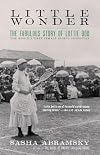
Despite watching tennis religiously throughout my life, I did not know the name of Charlotte “Lottie” Dod. She was a five-time winner of Wimbledon in the late 1800s. But she was more than a mere tennis player. She was an ice skater, a tobogganist, a mountain climber, an endurance bicyclist, a hockey player on the English national team, a championship golfer, and an Olympic silver medalist in archery. Quite the resume. After her sporting days were through, she ventured into nursing during show more the world wars and into singing in peacetime.
With all of those accolades, why don’t we know her name? Well, she’s a female and achieved in an era before video and electronic communication. In this biography, fortunately, Abramsky seeks to let us know a little more about her and to trumpet her legacy a bit.
The quality of his research shows throughout this work. Although source material is limited as almost all observers are deceased, he manages to paint a vivid narrative based on newspaper clippings, interviews with the Dod estate, and direct observations of scenery. In particular, his settings in England are impressively detailed. Although the reader sadly cannot see the quality of Dod’s tennis shots in motion, the pictures in the book and Abramsky’s back-stories paint as vivid a picture as can be expected.
Interestingly, the author writes as a lifelong tennis fan, not as a professional sports writer. Instead, by trade, he is a freelance writer in the field of politics. That background shows as he does not dwell on the feats of the body much. His writings’ strengths lie in setting, the human spirit, and interpersonal interaction. These unique qualities and eccentricities make this work even more enjoyable.
This work will be popular in the women’s-studies classroom as well as among female athletes. But the appropriate audience should also extend to fans of sport, regardless of gender. Dod’s “fabulous” story can inspire us to embrace life to the fullest and to seek ever greater heights in our own personal journeys. In history, Dod was not enamored with fame or money; rather, she sought to live a great life first and foremost. That lesson ought to teach us all. show less
With all of those accolades, why don’t we know her name? Well, she’s a female and achieved in an era before video and electronic communication. In this biography, fortunately, Abramsky seeks to let us know a little more about her and to trumpet her legacy a bit.
The quality of his research shows throughout this work. Although source material is limited as almost all observers are deceased, he manages to paint a vivid narrative based on newspaper clippings, interviews with the Dod estate, and direct observations of scenery. In particular, his settings in England are impressively detailed. Although the reader sadly cannot see the quality of Dod’s tennis shots in motion, the pictures in the book and Abramsky’s back-stories paint as vivid a picture as can be expected.
Interestingly, the author writes as a lifelong tennis fan, not as a professional sports writer. Instead, by trade, he is a freelance writer in the field of politics. That background shows as he does not dwell on the feats of the body much. His writings’ strengths lie in setting, the human spirit, and interpersonal interaction. These unique qualities and eccentricities make this work even more enjoyable.
This work will be popular in the women’s-studies classroom as well as among female athletes. But the appropriate audience should also extend to fans of sport, regardless of gender. Dod’s “fabulous” story can inspire us to embrace life to the fullest and to seek ever greater heights in our own personal journeys. In history, Dod was not enamored with fame or money; rather, she sought to live a great life first and foremost. That lesson ought to teach us all. show less
 This review was written for LibraryThing Early Reviewers.
Lists
Awards


You May Also Like


Associated Authors
Statistics
- Works
- 12
- Members
- 814
- Popularity
- #31,348
- Rating
- 3.8
- Reviews
- 32
- ISBNs
- 51
- Languages
- 4

