
Rochelle Alers
Author of Rosie's Curl and Weave
About the Author
Image credit: Photographed by DeVito Studios
Series
Works by Rochelle Alers
Island Magic: Far from Home/An Estate of Marriage/Then Came You/Enchanted (Romance Anthology) (2000) 18 copies, 1 review
Le retour de Jack Buchanan - Impossible idylle (Passions (732)) (French Edition) (2018) — Author — 1 copy
Summer Madness 1 copy
Reunion 1 copy
Les coeurs secrets 1 copy
Associated Works
More Than Words, Volume 6 (2010 Publication, 5-in-1 Anthology) (2010) — Contributor — 39 copies, 2 reviews
Tagged
Common Knowledge
- Other names
- Alers, Rochelle
James, Susan (pseudonym)
McLeary, Rena (pseudonym) - Birthdate
- 1943-08-07
- Gender
- female
- Occupations
- teacher
social worker
novelist - Awards and honors
- Romantic Times Career Achievement Award (Multicultural Romance, 2003)
Gold Pen Award
Emma Award
Vivian Stephens Award (Excellence in Romance Writing)
Zora Neale Hurston Literary Award - Nationality
- USA (birth)
- Birthplace
- New York, New York, USA
- Places of residence
- Freeport, New York, USA
- Associated Place (for map)
- New York, USA
Members
Reviews

Reading this felt like the equivalent of watching paint dry. I’m actually surprised there weren’t several paragraphs devoted to the process of paint drying given that ninety percent of this book is extraneous minutia versus ten percent plot (and I use the term plot very loosely).
If you’ve always wanted Martha Stewart Living or HGTV in novel form then maybe this will work out a whole lot better for you than it did for me.
It’s just when I read fiction I want believable conflict that show more develops over the course of a novel, dialogue that flows, and character arcs involving somewhat real emotion. This book gave me menus for weddings, hotels, and meals in general, how to prepare prime rib, rehashing the plot of a Ben Affleck flop, detailed tours of interior design, architecture, and landscaping, more than I ever needed to know about fruit, canning, and bird life, employment and education histories, and histories of characters who are barely present or relevant to this book. What this didn’t give me was anything close to a satisfying romance novel, it was far more filler than prose.
This also didn’t give me any Christmas, the title and the cover in no way match the content. I am so sick of the blatant false advertising in book covers and titles, there should be some sort of protection for consumers from what is basically fraud. I can forgive getting the hair color on a model wrong or something trivial like that but outright presenting the book to be something it isn’t? Someone will pay their hard-earned money for this book wanting to treat themselves to something festive (or in my case someone thought they were treating me to a gift that would fulfill my fondness for Christmas stories) only the publisher knew full well that they were misleading readers with the title as well as the cover and they did so because they could, because they knew the quality of this story couldn’t sell itself but slap a pretty Christmas image on the cover and readers could be duped into buying a book that was arguably not ready for publication. show less
If you’ve always wanted Martha Stewart Living or HGTV in novel form then maybe this will work out a whole lot better for you than it did for me.
It’s just when I read fiction I want believable conflict that show more develops over the course of a novel, dialogue that flows, and character arcs involving somewhat real emotion. This book gave me menus for weddings, hotels, and meals in general, how to prepare prime rib, rehashing the plot of a Ben Affleck flop, detailed tours of interior design, architecture, and landscaping, more than I ever needed to know about fruit, canning, and bird life, employment and education histories, and histories of characters who are barely present or relevant to this book. What this didn’t give me was anything close to a satisfying romance novel, it was far more filler than prose.
This also didn’t give me any Christmas, the title and the cover in no way match the content. I am so sick of the blatant false advertising in book covers and titles, there should be some sort of protection for consumers from what is basically fraud. I can forgive getting the hair color on a model wrong or something trivial like that but outright presenting the book to be something it isn’t? Someone will pay their hard-earned money for this book wanting to treat themselves to something festive (or in my case someone thought they were treating me to a gift that would fulfill my fondness for Christmas stories) only the publisher knew full well that they were misleading readers with the title as well as the cover and they did so because they could, because they knew the quality of this story couldn’t sell itself but slap a pretty Christmas image on the cover and readers could be duped into buying a book that was arguably not ready for publication. show less

This was a sweet friends-to-lovers story. Lucy moved to Spring Forest to start over after her fiancé ran off with her best friend. She opened a bookstore and fosters a pregnant golden retriever named Buttercup. She made friends with fellow business owner Calum, who owns the bowling alley next door, Pins and Pints (I love that name!).
I enjoyed watching the development of the relationship between Lucy and Calum. Thanks to the betrayal by her fiancé and friend, Lucy has a hard time trusting show more anyone. She introduced herself to Calum when she bought the building for the bookstore. She notices his good looks and charm but doesn't allow herself to look at him as anything other than a friend. Calum was attracted to Lucy from the start but respected her "friends" decision. Having been burned in a relationship during college, Calum has no plans to settle down soon. His business keeps him plenty busy and gives him an excellent excuse to avoid anything serious. It was sweet to see that Calum cares about Buttercup as much as Lucy does.
Calum helps Lucy the day that Buttercup has her puppies. The intense emotions of the event lead to them giving in to the feelings that flare up between them. But passion overcomes common sense, and soon Lucy discovers she's pregnant. Once he's over the shock, Calum finds himself happy about the baby and looking for ways to make Lucy a permanent part of his life. However, Lucy's trust issues cause her to maintain some distance between them. Both of them also have had problems with unreliable dads, which affects how they look at parenthood.
I loved Calum's protectiveness toward Lucy and how he tried to take care of her. It can be an uphill battle because Lucy is very independent and reluctant to depend on anyone except herself. The more time they spend together, the deeper their feelings grow, but neither says anything about it. Not only do they fear rejection, but neither wants to mess up their friendship. Things are progressing well between them until Lucy witnesses a confrontation between Calum and his father that sets off her insecurities. After a huge blow-up, she leaves and tells him she needs space. I ached for both of them because they were miserable apart. When Lucy calls her mom, she unloads her fears and worries and gets honest and straightforward advice. She has much to think about as she continues to avoid Calum. But when a medical emergency occurs, Calum is the first one she calls. Some emotional moments at the hospital showed how deep Calum's feelings were. I loved seeing them finally let go of the fears that kept them apart and look to the future as a family. The ending was adorable, with Buttercup playing a significant role.
I loved Buttercup and the part she played in Lucy's life. She was Lucy's friend and confidante and gave her someone to love. I liked how she took Buttercup to the bookstore with her. It was easy to see how much Lucy loved her and hated that she would have to give her up. I didn't understand that part since she could have applied to adopt Buttercup herself. The scene where Buttercup had the puppies was terrific, and I was so happy that Calum was there too. One of my favorite things was the names that Lucy gave the puppies: Fritter, Pancake, Beignet, Waffle, and Grits. It made me laugh that the author described the two girl pups as the wild ones.
#netgalley show less
I enjoyed watching the development of the relationship between Lucy and Calum. Thanks to the betrayal by her fiancé and friend, Lucy has a hard time trusting show more anyone. She introduced herself to Calum when she bought the building for the bookstore. She notices his good looks and charm but doesn't allow herself to look at him as anything other than a friend. Calum was attracted to Lucy from the start but respected her "friends" decision. Having been burned in a relationship during college, Calum has no plans to settle down soon. His business keeps him plenty busy and gives him an excellent excuse to avoid anything serious. It was sweet to see that Calum cares about Buttercup as much as Lucy does.
Calum helps Lucy the day that Buttercup has her puppies. The intense emotions of the event lead to them giving in to the feelings that flare up between them. But passion overcomes common sense, and soon Lucy discovers she's pregnant. Once he's over the shock, Calum finds himself happy about the baby and looking for ways to make Lucy a permanent part of his life. However, Lucy's trust issues cause her to maintain some distance between them. Both of them also have had problems with unreliable dads, which affects how they look at parenthood.
I loved Calum's protectiveness toward Lucy and how he tried to take care of her. It can be an uphill battle because Lucy is very independent and reluctant to depend on anyone except herself. The more time they spend together, the deeper their feelings grow, but neither says anything about it. Not only do they fear rejection, but neither wants to mess up their friendship. Things are progressing well between them until Lucy witnesses a confrontation between Calum and his father that sets off her insecurities. After a huge blow-up, she leaves and tells him she needs space. I ached for both of them because they were miserable apart. When Lucy calls her mom, she unloads her fears and worries and gets honest and straightforward advice. She has much to think about as she continues to avoid Calum. But when a medical emergency occurs, Calum is the first one she calls. Some emotional moments at the hospital showed how deep Calum's feelings were. I loved seeing them finally let go of the fears that kept them apart and look to the future as a family. The ending was adorable, with Buttercup playing a significant role.
I loved Buttercup and the part she played in Lucy's life. She was Lucy's friend and confidante and gave her someone to love. I liked how she took Buttercup to the bookstore with her. It was easy to see how much Lucy loved her and hated that she would have to give her up. I didn't understand that part since she could have applied to adopt Buttercup herself. The scene where Buttercup had the puppies was terrific, and I was so happy that Calum was there too. One of my favorite things was the names that Lucy gave the puppies: Fritter, Pancake, Beignet, Waffle, and Grits. It made me laugh that the author described the two girl pups as the wild ones.
#netgalley show less
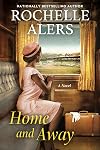
Harper Fleming has left behind her job with a Chicago paper and her on again/off again boyfriend to spend the summer with her grandfather in Tennessee. For too long she has waited for the opportunity to be promoted to a sportswriter, only to get excuses as to why she isn't right for the job, including the fact that she's a woman. One of her favorite places to visit during her childhood summers was her grandparents farm. She hopes to recreate that feeling of comfort and security by staying show more with her recently widowed grandfather and finally write the book she's been wanting to write about her great-grandfather and his time in the Negro Baseball Leagues during the 1930's and 1940's. Perhaps along the way, she can redefine her own life.
Harper's grandfather had saved all of his father's journals from his father's time playing baseball. He never had the desire to read them, but he was willing to let Harper do so, and they would become the main source for her novel. She decided against writing a biography of her great-grandfather's life, knowing it might tarnish her family's reputation she discover any sort of scandal, especially given her father's public life as a former professional baseball player, now sports broadcaster. The story of Harper rediscovering what it is she truly wants in life is interwoven with that of the novel she is writing, the story of a fictional baseball player who is desperate to play ball, loosely based on her great-grandfather's life.
While I appreciate what the author was trying to accomplish with the novel, the novel within the novel aspect did not entirely work for me. Perhaps the meta novel was meant to be a snapshot of what Harper was writing, but I did not read it that way. I was expecting it to hold its own along side the contemporary storyline. And so it seemed like certain aspects were rushed and others left incomplete, leaving me wanting more. Even so, I thought the overall novel had a lot going for it too. The main and minor characters, including those in Harper's novel, were all well-developed with strong backstories. I was fully invested in Moses, Winnie, and Sallie-Ann's stories just as much as I was Harper's and her old childhood friend Cheney's stories. I especially liked those moments when Harper reflected on the characters she created, relating them to her own life just as much as she did with her great-grandfather's story and history itself.
I found Harper to be a very relatable character. Her fierce independence and wanting to prove to the world that she was able to do it all on her own, is something I can relate to. She is also very protective of her heart. Running into her brothers' old childhood friend and getting reacquainted with him causes her to have to re-evaluate some of the rules she's put in place. I loved her grandfather. There's one scene in which he confronts Harper with some hard truths and her life in general, and even I admit they made me stop and think.
While Harper's main character, Moses, is the main focus of her novel, the women she wrote about stood out even more for me. While some of them took on more tradition roles in their lives, others, like Winnie, the owner of her own baseball league, definitely was not. All of the women in Rochelle Alers novel were strong and intelligent women.
There is a lot of baseball talk and baseball history in the novel, which may be off-putting to those not interested in the sport, but regardless, the history was fascinating. I knew so little of the Negro Baseball Leagues going into this novel, and now I find myself wanting to know more. Alers also gives us a look at life in the South (and beyond) during the 1930’s and 1940’s, with the Jim Crow laws and prejudice against people of color on high display. The fear these baseball players felt going into some of these towns, the discrimination they faced, was all too real. It wasn’t unheard of for them to be taken advantage of by their own league owners, having them sign contracts they couldn’t read because they hadn’t been afforded the opportunity to learn. The contrasts between the treatment of the Black players in Latin America where they played in the winter was immense. It made coming back to the U.S. in the spring particularly difficult and frustrating.
I thought this would be a perfect book to feature this month, for Black History Month. Not only does it feature a popular American past-time, but it also reflects a part of US history, both good and bad. As I see headlines today of attacks on diversity programs in workplaces and in education, it makes me sad—and mad. Mad that the powerful are championing the cause of racists, misogynists, ableists, and ageists to discriminate against those who appear differently than they do. These baseball players were amazing at their sport and many were probably better than their white counterparts. But because they were Black, they were looked down upon and treated poorly. Diversity programs in schools and in workplaces were set up to help educate and prevent discrimination and to create equal opportunity. The benefits of such programs have been documented over and over again. It would be nice if such programs weren’t necessary, but we’re already seeing the reasons why they are still very much needed—just by looking around and hearing what is going on in our communities and around the country today. show less
Harper's grandfather had saved all of his father's journals from his father's time playing baseball. He never had the desire to read them, but he was willing to let Harper do so, and they would become the main source for her novel. She decided against writing a biography of her great-grandfather's life, knowing it might tarnish her family's reputation she discover any sort of scandal, especially given her father's public life as a former professional baseball player, now sports broadcaster. The story of Harper rediscovering what it is she truly wants in life is interwoven with that of the novel she is writing, the story of a fictional baseball player who is desperate to play ball, loosely based on her great-grandfather's life.
While I appreciate what the author was trying to accomplish with the novel, the novel within the novel aspect did not entirely work for me. Perhaps the meta novel was meant to be a snapshot of what Harper was writing, but I did not read it that way. I was expecting it to hold its own along side the contemporary storyline. And so it seemed like certain aspects were rushed and others left incomplete, leaving me wanting more. Even so, I thought the overall novel had a lot going for it too. The main and minor characters, including those in Harper's novel, were all well-developed with strong backstories. I was fully invested in Moses, Winnie, and Sallie-Ann's stories just as much as I was Harper's and her old childhood friend Cheney's stories. I especially liked those moments when Harper reflected on the characters she created, relating them to her own life just as much as she did with her great-grandfather's story and history itself.
I found Harper to be a very relatable character. Her fierce independence and wanting to prove to the world that she was able to do it all on her own, is something I can relate to. She is also very protective of her heart. Running into her brothers' old childhood friend and getting reacquainted with him causes her to have to re-evaluate some of the rules she's put in place. I loved her grandfather. There's one scene in which he confronts Harper with some hard truths and her life in general, and even I admit they made me stop and think.
While Harper's main character, Moses, is the main focus of her novel, the women she wrote about stood out even more for me. While some of them took on more tradition roles in their lives, others, like Winnie, the owner of her own baseball league, definitely was not. All of the women in Rochelle Alers novel were strong and intelligent women.
There is a lot of baseball talk and baseball history in the novel, which may be off-putting to those not interested in the sport, but regardless, the history was fascinating. I knew so little of the Negro Baseball Leagues going into this novel, and now I find myself wanting to know more. Alers also gives us a look at life in the South (and beyond) during the 1930’s and 1940’s, with the Jim Crow laws and prejudice against people of color on high display. The fear these baseball players felt going into some of these towns, the discrimination they faced, was all too real. It wasn’t unheard of for them to be taken advantage of by their own league owners, having them sign contracts they couldn’t read because they hadn’t been afforded the opportunity to learn. The contrasts between the treatment of the Black players in Latin America where they played in the winter was immense. It made coming back to the U.S. in the spring particularly difficult and frustrating.
I thought this would be a perfect book to feature this month, for Black History Month. Not only does it feature a popular American past-time, but it also reflects a part of US history, both good and bad. As I see headlines today of attacks on diversity programs in workplaces and in education, it makes me sad—and mad. Mad that the powerful are championing the cause of racists, misogynists, ableists, and ageists to discriminate against those who appear differently than they do. These baseball players were amazing at their sport and many were probably better than their white counterparts. But because they were Black, they were looked down upon and treated poorly. Diversity programs in schools and in workplaces were set up to help educate and prevent discrimination and to create equal opportunity. The benefits of such programs have been documented over and over again. It would be nice if such programs weren’t necessary, but we’re already seeing the reasons why they are still very much needed—just by looking around and hearing what is going on in our communities and around the country today. show less

Good start to the new series. I love the theme of restoring an old French chateau that was moved to New Jersey. Taylor is committed to honoring his late father's wish to renovate Bainbridge House, as are his three brothers and one sister. His sister, Viola, tells Taylor about her friend, Sonja, an architectural historian, as the perfect person to help him get it right. Sonja spent four years in an abusive marriage before escaping and working to regain her independence. Working on the show more Bainbridge House restoration will go a long way toward establishing her reputation in her field.
I loved the first meeting between Sonja and Taylor. The sparks were there from the beginning though both initially tried to ignore them. Taylor plans to concentrate on the renovations, while Sonja has no intention of getting involved with another man. Sonja's intelligence and passion for her work fascinated Taylor, and he knew she was exactly what he needed for the project. I liked watching them connect over their love of the house and the friendship that evolved because of it.
It wasn't long before Taylor realized he wanted more than friendship with Sonja. However, as attracted as he is to her, he doesn't just want to sleep with her. Taylor craves the kind of loving relationship his parents had and believes he can have it with Sonja. All he has to do is convince her. I enjoyed his efforts to do so and appreciated how he was always careful not to push. That care is what slowly worked its way past Sonja's walls.
I liked seeing Sonja let go of her fears and embrace her feelings for Taylor. Their connection over the house added an extra layer to those feelings. Their relationship looked very promising for the future until Taylor saw something that he misinterpreted and reacted poorly. His words and actions brought back bad memories of her marriage and drove Sonja away. I ached for Sonja as she tried to reconcile those memories with her feelings for Taylor. Conversations with her mother helped her enough to think about what had happened from another perspective. I liked that Taylor was smart enough to realize how badly he'd behaved and patient enough to give Sonja the time she needed. The ending was great, as both Taylor and Sonja shared their fears and feelings before moving on to their future.
One of the things I liked about this book were the little details that go into restoring a building like Bainbridge House, from the foundation to the landscaping. I'd love to see more about some of the treasures Sonja finds. I loved her suggestions about the farm-to-table for the planned restaurant. I look forward to the future books with Taylor's siblings, each of whom has a talent/career that blends well with their plans for the chateau.
#netgalley show less
I loved the first meeting between Sonja and Taylor. The sparks were there from the beginning though both initially tried to ignore them. Taylor plans to concentrate on the renovations, while Sonja has no intention of getting involved with another man. Sonja's intelligence and passion for her work fascinated Taylor, and he knew she was exactly what he needed for the project. I liked watching them connect over their love of the house and the friendship that evolved because of it.
It wasn't long before Taylor realized he wanted more than friendship with Sonja. However, as attracted as he is to her, he doesn't just want to sleep with her. Taylor craves the kind of loving relationship his parents had and believes he can have it with Sonja. All he has to do is convince her. I enjoyed his efforts to do so and appreciated how he was always careful not to push. That care is what slowly worked its way past Sonja's walls.
I liked seeing Sonja let go of her fears and embrace her feelings for Taylor. Their connection over the house added an extra layer to those feelings. Their relationship looked very promising for the future until Taylor saw something that he misinterpreted and reacted poorly. His words and actions brought back bad memories of her marriage and drove Sonja away. I ached for Sonja as she tried to reconcile those memories with her feelings for Taylor. Conversations with her mother helped her enough to think about what had happened from another perspective. I liked that Taylor was smart enough to realize how badly he'd behaved and patient enough to give Sonja the time she needed. The ending was great, as both Taylor and Sonja shared their fears and feelings before moving on to their future.
One of the things I liked about this book were the little details that go into restoring a building like Bainbridge House, from the foundation to the landscaping. I'd love to see more about some of the treasures Sonja finds. I loved her suggestions about the farm-to-table for the planned restaurant. I look forward to the future books with Taylor's siblings, each of whom has a talent/career that blends well with their plans for the chateau.
#netgalley show less
Awards


You May Also Like


Associated Authors
Statistics
- Works
- 122
- Also by
- 2
- Members
- 2,241
- Popularity
- #11,443
- Rating
- 4.2
- Reviews
- 64
- ISBNs
- 507
- Languages
- 2
- Favorited
- 5