
Aliya Whiteley
Author of The Beauty
About the Author
Works by Aliya Whiteley
Associated Works
Butcher Knives and Body Counts: Essays on the Formula, Frights, and Fun of the Slasher Film (2011) — Contributor — 14 copies, 1 review
Stories of Hope and Wonder: In Support of the UK's Healthcare Workers (2020) — Contributor — 11 copies, 1 review
Interzone 295 — Essay: Climbing Stories: Pushing the Red Button — 9 copies
Rustblind and Silverbright: A Slipstream Anthology of Railway Stories (2013) — Contributor — 9 copies, 1 review
Killing It Softly: A Digital Horror Fiction Anthology of Short Stories (2016) — Contributor — 9 copies
Tagged
Common Knowledge
- Birthdate
- 1974
- Gender
- female
- Agent
- Max Edwards
- Nationality
- UK
- Associated Place (for map)
- UK
Members
Reviews

In post-WWI rural England Shirley is an ambitious seventeen-year-old: she wants to become a fêted schoolteacher. There are simply not enough men around any more to fill all the jobs, and she intends to grow beyond the stifling limits of her tiny farming village and their pre-war standards. On the other hand, she seems naive enough to think that her infatuation with her teacher, a newcomer in her community called Mr Tiller, will translate directly into assistance with her career as well as a show more marriage. It turns out, though, that Tiller is an outsider in more than one respect, and that he has plans for Shirley. She believes she is magnanimous enough to accept his war injuries for what they are, even though they have earned him the reputation of being “not a real man”. This being Weird Fiction, of course, Shirley will be thrown into unexpected and mind-bending emergencies.
I liked this one, quite a bit. The body horror is fairly minimal, and the fantastical elements aresfnal and out of left field, but this novella compensates by taking a very different approach to what Weird Fiction usually tastes like: The arrival of missives is definitely a female flavour of Weird, and uses its post-war setting quite effectively. It’s also very well written: Shirley’s voice is one of the book’s best features. show less
I liked this one, quite a bit. The body horror is fairly minimal, and the fantastical elements are
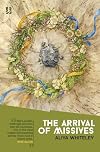
Reading weird and dark fiction at the rate that I normally do can sometimes inspire a kind of tunnel vision. While stories may differ greatly in subject matter, setting, or voice, the one element that has always remained the same in my experience is tone. Each story, no matter how diverse the prose, generally fluctuates between inspiring feelings of terror or awe. To put it another way, my resulting state of mind come the story’s end is generally the same. Weird is the weird fiction that show more doesn’t presume to upset the balance of reality or point out our human insignificance within the grand scheme. I think it’s for this reason that I struggled with The Arrival of Missives, Aliya Whiteley’s new novella from Unsung Stories. For nearly its entire length it refused to fit into the parameters that I had subconsciously built for it, humbling me by revealing the blinders that I had been wearing during this literary journey.
When one considers Shirley Fearn, the heroine of our tale—I blanche at the notion of calling her “plucky,” as she’d likely detest the word—this resistance makes all the more sense. Shirley is an adolescent girl growing up in Somerset, a peaceable British hamlet mainly comprised of farmers and tradesmen, but this world of narrow fortunes holds no appeal for her whatsoever. Shirley desires to become a schoolteacher, a wish that coincides with the romantic feelings that she not-so-secretly harbors for her own instructor, Mr. Tiller. She has designs to leave the family property, gain an education in Taunton, and return home to become Mrs. Shirley Tiller. Throughout the story, Shirley’s dreams are never viewed through a condescending or rose-tinted lens. Whiteley presents Shirley as a self-serious girl whose budding into womanhood does nothing to distract her from what she sees as her ultimate goal. Though she seems to keep everyone at an arm’s distance, Shirley is still someone with whom we can sympathize and feel close.
Mr. Tiller, a veteran of the Great War only two years in the distance, acts as embodiment of the town’s latent fears of invasion and the overturning of Old Ways. His position is made physically literal by the “scars” he has returned with from the battlefield, a strange porous rock embedded in the flesh of his torso. Shirley spies her instructor’s condition one evening and, using her teacher’s secret as leverage in a bid to gain his confidence and get closer to him, is enlisted in Tiller’s amorphous mission whose success will ensure the prevention of some great catastrophe on the horizon.
Horror and the Weird being kissing cousins as they are, a great deal of fiction from the latter camp tends to place an emphasis on unsettling the reader and slowly constructing a sense of foreboding that gradually builds toward a moment of crisis. Whiteley really isn’t interested in that approach at all. The Arrival of Missives reads more like a prosaic British novel of the kind that frequent college courses, unfolding at a leisurely pace that will come as a small shock to those more accustomed to snappier thrills. Her style encourages patience, and come the tale’s end that patience is satisfactorily rewarded.
Reading Whiteley’s novella is a process akin to a dance to which only the author knows the steps; just when we think we have anticipated the story’s next turn, Whiteley elegantly sidesteps us. We become like Shirley, head-strong children who believe that their conception of the world is whole and true and that they remain the masters of their own fate while faceless puppeteers commandeer the strings with quiet assurance. Because for all her careful planning and determination, Shirley eventually discovers that not every Rasputin has a beard, that sometimes it’s okay to like the person that everyone says you should, and that the ashes of incinerated dreams can serve as the cradle of new ones. It’s a veritable laundry list of Life’s Big Lessons, but White communicates them with a delicacy and unadorned beauty that invigorates their impact and allows us to greet them with unjaundiced eyes. One particularly magnificent scene involves Shirley’s first sexual encounter following her reign as queen of the village’s May Day festivities. The way that Whiteley grounds Shirley’s heightened romantic sensations in the mundanity of the physical act is rather masterful, a moment that rings unerringly true with regards to our own virginal spirit projections where we remained vaguely in tune with the pleasures of the flesh but found our minds caught in a racing stream of endless questions and wishes and disappointments.
Reading The Arrival of Missives is not a passive experience. Some narratives are built for mild engagement and entertainment, but not Whiteley’s. The reader will wrestle with every injustice and ponder the unanswerable questions right alongside Shirley Fearn, coming away from the novella with the assurance that sentient rocks and interdimensional beings hold only a dim candle to all the intricacies of human relationships we bear within our own reality. It’s a new but entirely welcome impression to have upon completing a work of literary Weird fiction. The field should be thankful for having someone like Aliya Whiteley in its corner. show less
When one considers Shirley Fearn, the heroine of our tale—I blanche at the notion of calling her “plucky,” as she’d likely detest the word—this resistance makes all the more sense. Shirley is an adolescent girl growing up in Somerset, a peaceable British hamlet mainly comprised of farmers and tradesmen, but this world of narrow fortunes holds no appeal for her whatsoever. Shirley desires to become a schoolteacher, a wish that coincides with the romantic feelings that she not-so-secretly harbors for her own instructor, Mr. Tiller. She has designs to leave the family property, gain an education in Taunton, and return home to become Mrs. Shirley Tiller. Throughout the story, Shirley’s dreams are never viewed through a condescending or rose-tinted lens. Whiteley presents Shirley as a self-serious girl whose budding into womanhood does nothing to distract her from what she sees as her ultimate goal. Though she seems to keep everyone at an arm’s distance, Shirley is still someone with whom we can sympathize and feel close.
Mr. Tiller, a veteran of the Great War only two years in the distance, acts as embodiment of the town’s latent fears of invasion and the overturning of Old Ways. His position is made physically literal by the “scars” he has returned with from the battlefield, a strange porous rock embedded in the flesh of his torso. Shirley spies her instructor’s condition one evening and, using her teacher’s secret as leverage in a bid to gain his confidence and get closer to him, is enlisted in Tiller’s amorphous mission whose success will ensure the prevention of some great catastrophe on the horizon.
Horror and the Weird being kissing cousins as they are, a great deal of fiction from the latter camp tends to place an emphasis on unsettling the reader and slowly constructing a sense of foreboding that gradually builds toward a moment of crisis. Whiteley really isn’t interested in that approach at all. The Arrival of Missives reads more like a prosaic British novel of the kind that frequent college courses, unfolding at a leisurely pace that will come as a small shock to those more accustomed to snappier thrills. Her style encourages patience, and come the tale’s end that patience is satisfactorily rewarded.
Reading Whiteley’s novella is a process akin to a dance to which only the author knows the steps; just when we think we have anticipated the story’s next turn, Whiteley elegantly sidesteps us. We become like Shirley, head-strong children who believe that their conception of the world is whole and true and that they remain the masters of their own fate while faceless puppeteers commandeer the strings with quiet assurance. Because for all her careful planning and determination, Shirley eventually discovers that not every Rasputin has a beard, that sometimes it’s okay to like the person that everyone says you should, and that the ashes of incinerated dreams can serve as the cradle of new ones. It’s a veritable laundry list of Life’s Big Lessons, but White communicates them with a delicacy and unadorned beauty that invigorates their impact and allows us to greet them with unjaundiced eyes. One particularly magnificent scene involves Shirley’s first sexual encounter following her reign as queen of the village’s May Day festivities. The way that Whiteley grounds Shirley’s heightened romantic sensations in the mundanity of the physical act is rather masterful, a moment that rings unerringly true with regards to our own virginal spirit projections where we remained vaguely in tune with the pleasures of the flesh but found our minds caught in a racing stream of endless questions and wishes and disappointments.
Reading The Arrival of Missives is not a passive experience. Some narratives are built for mild engagement and entertainment, but not Whiteley’s. The reader will wrestle with every injustice and ponder the unanswerable questions right alongside Shirley Fearn, coming away from the novella with the assurance that sentient rocks and interdimensional beings hold only a dim candle to all the intricacies of human relationships we bear within our own reality. It’s a new but entirely welcome impression to have upon completing a work of literary Weird fiction. The field should be thankful for having someone like Aliya Whiteley in its corner. show less
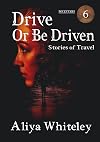
What struck me most about this collection of short stories was the breadth of imagination. Not only was each story creative in and of itself, but there was also a huge variety between them in concept, perspective, and genre.
As with any collection of short stories, some worked for me better than others, but none of them didn't work, which is unusual. Typically, there's a story or two where I want back the time spent reading, but not here.
Excellently written, well-edited, well-paced, show more definitely recommended. show less
As with any collection of short stories, some worked for me better than others, but none of them didn't work, which is unusual. Typically, there's a story or two where I want back the time spent reading, but not here.
Excellently written, well-edited, well-paced, show more definitely recommended. show less
 This review was written for LibraryThing Early Reviewers.
This novella is weird and twisted, but I loved it. It’s been a while since I had a dose of freakish literature, and this gender-questioning tale covered in mushrooms made me realise how much I’d missed it.
The story is set among a survivalist commune with a deliberately flat structure, without leaders; and the main character is their storyteller. When this novella opens, the Group, as they call themselves, have been forced to redouble their efforts at survival and society-creation show more because a fungus-like disease has killed off all the women. Soon, though, yellow mushrooms grow on the women’s graves, and unnatural things start to emerge, which the storyteller starts calling The Beauty. And at that point, the separation between natural and unnatural is up for a complete renewal.
One of the best features, though, is the writing: lush, lyrical, and it fitted the “time for a new world” aesthetic perfectly.
This won’t be for everyone, but do give this one a try if you can handle Weird Fiction. show less
The story is set among a survivalist commune with a deliberately flat structure, without leaders; and the main character is their storyteller. When this novella opens, the Group, as they call themselves, have been forced to redouble their efforts at survival and society-creation show more because a fungus-like disease has killed off all the women. Soon, though, yellow mushrooms grow on the women’s graves, and unnatural things start to emerge, which the storyteller starts calling The Beauty. And at that point, the separation between natural and unnatural is up for a complete renewal.
One of the best features, though, is the writing: lush, lyrical, and it fitted the “time for a new world” aesthetic perfectly.
This won’t be for everyone, but do give this one a try if you can handle Weird Fiction. show less
Lists
Awards


You May Also Like


Associated Authors
Statistics
- Works
- 27
- Also by
- 32
- Members
- 1,101
- Popularity
- #23,343
- Rating
- 3.7
- Reviews
- 51
- ISBNs
- 62
- Languages
- 2
