
Emily Nussbaum
Author of I Like to Watch: Arguing My Way Through the TV Revolution
Works by Emily Nussbaum
Associated Works
Tagged
Common Knowledge
- Canonical name
- Nussbaum, Emily
- Birthdate
- 1966-02-20
- Gender
- female
- Occupations
- critic
- Organizations
- The New Yorker
- Awards and honors
- Pulitzer Prize (Criticism, 2016)
- Nationality
- USA
- Birthplace
- Scarsdale, New York, USA
- Associated Place (for map)
- New York, USA
Members
Reviews
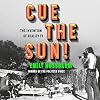
Road trip audiobook! I was driving with my daughter, and this was an easy choice to agree on as we both have an interest in reality television.
Emily Nussbaum really digs into the roots of this genre, going back to radio shows in the 1940s that eventually transitioned to TV. She then travels up through the years, usually going in depth for two to three major shows every decade, often recapping the first season as she shares information she got from interviewing many of the original cast and show more crew members. I was familiar with a lot of the older programming, but Nussbaum's insight managed to hold the interest of my daughter who was born long after many of the shows had even faded from reruns.
Nussbaum traces a few themes through the book, noting how the genre evolved from tricking unsuspecting dupes to working with or even being manipulated by students of the art who are strategic and branding savvy. She also digs into the morally questionable producers and demonstrates how the worst offenders are often the ones getting the highest ratings, twisting reality with staging and editing that evokes wrestling's kayfabe. She shows concern for the psychological trauma caused to the casts from relinquishing their privacy to the onslaught of insta-fame, lingers on the well-being of the non-union crew members working behind the scenes in very chaotic environments, and touches on the steady presence of racism in who gets cast or how they are presented in the final cut.
It's a long listen, but I never got bored.
FOR REFERENCE:
Contents:
Introduction. Better Write That One Fast
Spaghetti Against the Wall: 1947-1989
1. The Reveal: Queen for a Day and Candid Camera
2. The Gong: The Filthy, Farkakte Chuck Barris 1970s
3. The Betrayal: An American Family
4. The Clip: America's Funniest Home Videos and Cops
The Rev Up: 1990-2000
5. The House: The Real World
6. The Con: The Nihilistic Fox '90s
7. The Game: The Invention of Survivor (and Mark Burnett)
8. The Island: Survivor: Borneo
9. The Feed: Big Brother
Cue the Sun: 2001-2007(ish)
10. The Explosion: Reality Blows Up--and Becomes Industry
11. The Rose: The Bachelor and Joe Millionaire
12. The Wink: Bravo and the Gentrification of Reality TV
13. The Job: The Apprentice and the End of Reality Innocence
Epilogue. Fake It Till You Make It
Acknowledgments
Bibliography
Index show less
Emily Nussbaum really digs into the roots of this genre, going back to radio shows in the 1940s that eventually transitioned to TV. She then travels up through the years, usually going in depth for two to three major shows every decade, often recapping the first season as she shares information she got from interviewing many of the original cast and show more crew members. I was familiar with a lot of the older programming, but Nussbaum's insight managed to hold the interest of my daughter who was born long after many of the shows had even faded from reruns.
Nussbaum traces a few themes through the book, noting how the genre evolved from tricking unsuspecting dupes to working with or even being manipulated by students of the art who are strategic and branding savvy. She also digs into the morally questionable producers and demonstrates how the worst offenders are often the ones getting the highest ratings, twisting reality with staging and editing that evokes wrestling's kayfabe. She shows concern for the psychological trauma caused to the casts from relinquishing their privacy to the onslaught of insta-fame, lingers on the well-being of the non-union crew members working behind the scenes in very chaotic environments, and touches on the steady presence of racism in who gets cast or how they are presented in the final cut.
It's a long listen, but I never got bored.
FOR REFERENCE:
Contents:
Introduction. Better Write That One Fast
Spaghetti Against the Wall: 1947-1989
1. The Reveal: Queen for a Day and Candid Camera
2. The Gong: The Filthy, Farkakte Chuck Barris 1970s
3. The Betrayal: An American Family
4. The Clip: America's Funniest Home Videos and Cops
The Rev Up: 1990-2000
5. The House: The Real World
6. The Con: The Nihilistic Fox '90s
7. The Game: The Invention of Survivor (and Mark Burnett)
8. The Island: Survivor: Borneo
9. The Feed: Big Brother
Cue the Sun: 2001-2007(ish)
10. The Explosion: Reality Blows Up--and Becomes Industry
11. The Rose: The Bachelor and Joe Millionaire
12. The Wink: Bravo and the Gentrification of Reality TV
13. The Job: The Apprentice and the End of Reality Innocence
Epilogue. Fake It Till You Make It
Acknowledgments
Bibliography
Index show less
I spotted this in one of those free libraries you see on the street that's usually filled with dusty paperbacks. I recognized the cover from twitter and grabbed it immediately. Like TV, I Like to Watch is self referential jumping forwards and backwards from a Sopranos piece from 2007 to a sprawling profile of Ryan Murphy from 2018. Connections bubble to the surface. A conflicted love letter to Joan Rivers sets up a pan of The Marvelous Mrs. Maisel . Nussbaum drops in before each essay to show more muse on them like a director on a DVD commentary track. Sometimes to reflect on the writing process or sometimes just to say, "One of the SUR ensemble tweeted a winky-face emoji to me after this piece came out." A healthy mix of pans, raves, think pieces and profiles, I Like to Watch is the perfect guide to the last 40 years of television. show less
A collection of articles and essays by TV critic Emily Nussbaum. There's one (about The Sopranos) that was was originally published in 2007, but otherwise they all seem to be from the 2010s, including a couple that are original to this 2019 collection.
They're fairly varied. Some are short commentaries on individual shows, others use specific shows to make larger points, and some are rather broader, like an essay on the subject of product placement in TV. There are also some profiles of show more particular showrunners.
Nussbaum writes with a distinctly feminist sensibility, although it is a variety particularly her own, as someone who enjoys edgy, raunchy humor and sees a valid place for stories about sexual assault and violence against women on TV, but who also has very strong feelings about the way television, and especially the shows that get labeled as "prestige television," so overwhelmingly center the straight white male perspective both in front of and behind the cameras, and about the ways in which stories more squarely aimed at women tend to be treated dismissively.
She's a good, interesting writer making some good, interesting points, and, somewhat to my surprise, I found that even when she was talking about shows I'd never seen -- which was probably at least half of them -- she almost always still easily kept my attention. And, really, I'd say this entire collection might be worth it just for the long, thoughtful essay she wrote in the wake of #metoo, grappling in a deeply honest way with the impossible question of how much it's possible to separate art from artist and what we can or ought to do with good art by terrible people. show less
They're fairly varied. Some are short commentaries on individual shows, others use specific shows to make larger points, and some are rather broader, like an essay on the subject of product placement in TV. There are also some profiles of show more particular showrunners.
Nussbaum writes with a distinctly feminist sensibility, although it is a variety particularly her own, as someone who enjoys edgy, raunchy humor and sees a valid place for stories about sexual assault and violence against women on TV, but who also has very strong feelings about the way television, and especially the shows that get labeled as "prestige television," so overwhelmingly center the straight white male perspective both in front of and behind the cameras, and about the ways in which stories more squarely aimed at women tend to be treated dismissively.
She's a good, interesting writer making some good, interesting points, and, somewhat to my surprise, I found that even when she was talking about shows I'd never seen -- which was probably at least half of them -- she almost always still easily kept my attention. And, really, I'd say this entire collection might be worth it just for the long, thoughtful essay she wrote in the wake of #metoo, grappling in a deeply honest way with the impossible question of how much it's possible to separate art from artist and what we can or ought to do with good art by terrible people. show less
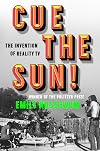
"Reality television is cinema verite filmmaking that has been cut with commercial contaminants, like a street drug, in order to slash the price and intensify the effect."
The only reality television I have ever watched more than a short clip of is Top Chef, Project Runway, Season 1 of Survivor, and the first two seasons of The Real World. I enjoyed those offerings, but have never seen anything else that tempted me, and have seen a number of clips I found repellant. I find that continuous show more schadenfreude gets old and dull, and also makes me feel pretty lousy about myself, sprawled on my couch judging others and participating indirectly in unhealthy behaviors. And so I was not sure I would like this, though I enjoy the author's work in the New Yorker, and when I read those pieces I nearly always find them brilliant and insightful.
Happily, this was as well researched and reasoned as Nussbaum's other work and it tells us a great deal about where we are at this cultural and political moment, how we got here, and how comprehensively fucked we are. We allowed that slow boil, about 70 years of heating with a constant rolling boil for the past quarter century, to kill our understanding of what is right and acceptable. This is devastating cultural commentary, but it is also often funny and always informative. I have already pressed this on my son. (My new "E's Book Concierge" shelf was started at his behest so if you are interested in what books I force on my 20-something a list can be found there.) I can't force this on others, but I urge y'all to get your hands on a copy. show less
The only reality television I have ever watched more than a short clip of is Top Chef, Project Runway, Season 1 of Survivor, and the first two seasons of The Real World. I enjoyed those offerings, but have never seen anything else that tempted me, and have seen a number of clips I found repellant. I find that continuous show more schadenfreude gets old and dull, and also makes me feel pretty lousy about myself, sprawled on my couch judging others and participating indirectly in unhealthy behaviors. And so I was not sure I would like this, though I enjoy the author's work in the New Yorker, and when I read those pieces I nearly always find them brilliant and insightful.
Happily, this was as well researched and reasoned as Nussbaum's other work and it tells us a great deal about where we are at this cultural and political moment, how we got here, and how comprehensively fucked we are. We allowed that slow boil, about 70 years of heating with a constant rolling boil for the past quarter century, to kill our understanding of what is right and acceptable. This is devastating cultural commentary, but it is also often funny and always informative. I have already pressed this on my son. (My new "E's Book Concierge" shelf was started at his behest so if you are interested in what books I force on my 20-something a list can be found there.) I can't force this on others, but I urge y'all to get your hands on a copy. show less
Lists
Awards


You May Also Like


Associated Authors
Statistics
- Works
- 3
- Also by
- 3
- Members
- 632
- Popularity
- #39,872
- Rating
- 3.9
- Reviews
- 23
- ISBNs
- 10