
Wendy Lower
Author of Hitler's Furies: German Women in the Nazi Killing Fields
About the Author
Wendy Lower is the John K. Roth Professor of History at Claremont McKenna College and a former research associate at the Ludwig Maximilian University in Munich. A member of the Academic Committee of the U.S. Holocaust Memorial Museum, she has published numerous articles and books on the Holocaust show more and conducted research in central and eastern Europe since 1992. show less
Works by Wendy Lower
The Ravine: A Family, a Photograph, a Holocaust Massacre Revealed (2021) — Author — 171 copies, 9 reviews
Tagged
Common Knowledge
- Legal name
- Lauer, Vendi
- Birthdate
- 1965
- Gender
- female
- Education
- Hamilton College (BA|1987)
American University (PhD|1999) - Occupations
- John K. Roth Professor of History at Claremont McKenna College
research associate at the Ludwig Maximilian University in Munich
historical consultant for the U.S. Holocaust Memorial Museum - Organizations
- Claremont McKenna College (Professeur, Chaire John K. Roth, History, 20 12 | )
Université Clark, Worcester, Massachusetts (Professeur associée au Strassler Family Center for Holocaust and Genocide Studies, 20 11 | 20 12)
Université de Munich, Ludwig Maximilian (Chercheur associée)
Université de Towson, Maryland (Professeur adjoint, 20 04 | 20 07)
United States Holocaust Memorial Museum (Directrice des programmes de chercheurs invités, 20 00 | 20 04, Directrice par interim, 20 16)
University of Glasgow (Lecturer, 20 13) - Nationality
- USA
- Map Location
- Etats-Unis
- Associated Place (for map)
- USA
Members
Reviews
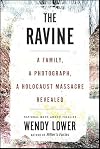
This very short addition to the Holocaust cottage industry of books is markedly different in that its scope is very narrow. Wendy Lower possesses a photo of a gruesome execution of a woman and a young child, the two holding hands as the Nazi and Nazi collaborators in Mariupol, Ukraine shoot the pair. They are on the edge of a pit, dug to become the grave for hundreds of Jews. Their faces are obscured by the smoke from the rifle shot. Lower’s mission throughout the book is to track down the show more executioners as well as the victims. She is partially successful in identifying the principles, and the path to her detective work is fascinating. This isn’t your typical Holocaust book. Sometimes the vastness of the horror of the Holocaust causes us to somehow partially miss the full inhumanity of it. This laser focused story on one woman, probably a mother or grandmother, and her young son or grandson reminds us of that inhumanity, something we should never lose. show less

The passage of time, the perpetrators' own unwillingness to discuss their wartime activities, and the Nazi's attempts to destroy the evidence of their own crimes has left a surprising amount of gaps in what is probably one of the most intensely researched subjects in human history, but Lower's "Hitler's Furies: German Women in the Nazi Killing Fields" seems to fill an important space in this narrative. Lower carefully relates how whole professions that many historians and groups that both show more historians and participants in the the events described here -- teachers, wives, nurses, and auxiliaries -- either helped further Hitler's plans for a Final Solution or were made to stay silent while mass murder went on around them. Lower seems well aware that she's dealing with a subject that's ripe for exploitation, so the wide net she casts here, which doesn't just focus on the most shocking or notorious cases, seems appropriate. Lower chooses to focus on the experiences of a handful of women, and while she admits that it may never be known exactly how many women participated in the Third Reich, their experiences can easily be extrapolated. She takes care to show how much a person in each of these women's positions might have known, what they might have done, and what might have happened to them afterwards. She also reminds us how important much of the work they did was: the Nazis, for all their barbarity, were also creepily methodical and bureaucratic, and their project required the efforts of a small army of file clerks, secretaries, and what might be called wartime social workers. It's illuminating to see these sorts of people, who'd be barely perceptible in most standard historical accounts, at the center of a historical narrative. As always, perhaps, it's disquieting to realize that ordinary life can continue on more or less as usual for some as tragedies of world-historical proportions befall others.
From a more personal perspective, I was impressed by the way that Lower reminded her readers of the obviously colonial aspects of the Third Reich. It's purpose, in the final analysis, was to colonize a place that was already well-populated, to effect an explicitly colonial project in the heart of Europe. Individual Nazis' eagerness to set themselves up in manor houses, employ servants, and to be seen with items, such as whips, which are associated with colonial overseers was a reminder, for me, of their project's insane ambition and boundless greed. Lower's book, then, besides being a useful historical document, serves as another useful and necessary reminder of how political ideologies dangerously disconnected from reality can feed into humanity's worst impulses, and how this sort of evil can consume every constituent part of a society. show less
From a more personal perspective, I was impressed by the way that Lower reminded her readers of the obviously colonial aspects of the Third Reich. It's purpose, in the final analysis, was to colonize a place that was already well-populated, to effect an explicitly colonial project in the heart of Europe. Individual Nazis' eagerness to set themselves up in manor houses, employ servants, and to be seen with items, such as whips, which are associated with colonial overseers was a reminder, for me, of their project's insane ambition and boundless greed. Lower's book, then, besides being a useful historical document, serves as another useful and necessary reminder of how political ideologies dangerously disconnected from reality can feed into humanity's worst impulses, and how this sort of evil can consume every constituent part of a society. show less
Lower könyve elsősorban néhány női portréból áll – ápolónők, feleségek, titkárnők pályafutásáról olvashatunk, akik a második világháború éveit a nácik által gyarmatosított keleti végeken töltötték. A tárgyalt események sajnálatosan ismerősek lehetnek azoknak, akik már érintették a témát, és hangja, ez a tényszerű, de kevéssé tárgyilagos hang sem újdonság. (Hiszen lehet-e egy népirtásról tárgyilagosan beszélni? Szabad-e?) Nézőpontja show more viszont újszerű. Amellett érvel ugyanis, hogy Hitler rezsimjének sikeressége sokkal többet köszönhetett a nőknek, mint ezt általában hajlandóak vagyunk elismerni. A háború utáni visszaemlékezésekben a német asszony többnyire mint áldozat jelent meg: a nemi erőszak elszenvedője, a széthulló családok összetartója, az „újjáépítő”. Természetesen joggal, ám Lower felhívja a figyelmet, hogy bár megnyugtató ennél a szemléletnél maradni (legalább ők mentek maradtak a bűntől!), de történelmileg tarthatatlan.
A kötet koronája, az utolsó pár fejezet, melyet konklúzióként is értelmezhetünk. Ebben Lower a történelmi adatok megvizsgálása után etikai és filozófiai értelemben is kibontja a témát, szembesít a nácitlanító bíróságok erkölcsi kompromisszumaival, azzal, hogy használták ki a női háborús bűnösök az apolitikus nőről kialakult előítéletet, hogy megmeneküljenek a büntetéstől… Csupa kellemetlen, megválaszolhatatlan morális kérdést tesz fel az olvasónak – finoman szólva is nyugtalanító. Fájdalmas olvasmány. Pont olyan, amilyennek lennie kell. show less
A kötet koronája, az utolsó pár fejezet, melyet konklúzióként is értelmezhetünk. Ebben Lower a történelmi adatok megvizsgálása után etikai és filozófiai értelemben is kibontja a témát, szembesít a nácitlanító bíróságok erkölcsi kompromisszumaival, azzal, hogy használták ki a női háborús bűnösök az apolitikus nőről kialakult előítéletet, hogy megmeneküljenek a büntetéstől… Csupa kellemetlen, megválaszolhatatlan morális kérdést tesz fel az olvasónak – finoman szólva is nyugtalanító. Fájdalmas olvasmány. Pont olyan, amilyennek lennie kell. show less
I don’t read many books about the Holocaust because they tend to leave me feeling upset and depressed about the cruelties that people are capable of inflicting upon their fellow human beings. But after reading a short blurb somewhere about Wendy Lower’s The Ravine: A Family, a Photograph, a Holocaust Massacre Revealed, I knew I had to read this one.
One day in 2009, author Wendy Lower was shown a photo that had only just recently arrived at this country’s Holocaust Memorial Museum. The show more picture shows the instant that a Jewish family is being murdered by two German officials and two collaborators from the Ukraine. The eye is immediately drawn to the woman and little boy whose hand she is holding, but the more that Lower looked at the photograph, the more she saw — including another small child partially hidden between the boy and the woman. Lower would go on to study and investigate the photograph for the next ten years, hoping to identify everyone in the picture, including the murderers, but especially the victims whose names had escaped history. The remarkable story that she tells in The Ravine is the result of her dedication to that task.
Despite the impression that most people have nowadays, just over a dozen photographs similar to this one exist. The Germans forbade them being taken, and they were generally careful to make sure that no such self-incriminating evidence was left behind. What makes this particular photograph so important is that”…the photographer testified about this event in the 1950s, stating emphatically that the local killers were Ukrainians who knew some of the victims.”
“This book is about the potential of discovery that exists if we dare look closer. It is also about the voids that exist in the history of genocide. Its perpetrators not only kill but also seek to erase the victims from written records, and even from memory. When we find one trace, we must pursue it, to prevent the intended extinction by countering it with research, education, and memorialization.”
When she began her investigation, Wendy Lower did not know for certain which country these particular murders occurred in, but her diligence and investigatory instincts eventually led her to Miropol, a small town in the Ukraine, and what happened there on October 13, 1941. And as she puts it, “Using hundreds of testimonies of Germans, Slovakians, and Ukrainians who passed through or resided in Miropol, and of the one Jewish survivor, I was able to reconstruct events just before, during, and after the photograph was taken on October 13.”
One of the saddest aspects of Holocaust massacres like this one is that roughly half of the victims have never been named, much less ever appear on any list of the missing. Simply put, no family members survived them, so no one was looking for them after the war. Thus, millions of people disappeared without a trace as if they never existed. But the killers in the photograph did not go missing when the war ended, and Lower reveals what happened to each of them — and whether or not they ever paid a price for what they did.
Lower realizes that photographs like the one in the book are not easy to look at and that they can be used for the wrong purposes, but she also recognizes their power:
“Atrocity images, especially the rare ones that attest to acts of genocide, the crime of all crimes, offend and shame us. When we turn away from them, we promote ignorance. When we display them in museums without captions and download them from the internet with no historical context, we denigrate the victims. And when we stop researching them, we cease to care about historical justice, the threat of genocide, and the murdered missing.”
Bottom Line: The Ravine is more than an impressive study of what one dedicated investigator is capable of revealing under even the most difficult of circumstances. It is a reminder that even though this kind of thing has happened throughout human history, and that the likelihood of it happening again — as it so often has since World War II - is always out there, we cannot close our eyes to it. It will not go away. show less
One day in 2009, author Wendy Lower was shown a photo that had only just recently arrived at this country’s Holocaust Memorial Museum. The show more picture shows the instant that a Jewish family is being murdered by two German officials and two collaborators from the Ukraine. The eye is immediately drawn to the woman and little boy whose hand she is holding, but the more that Lower looked at the photograph, the more she saw — including another small child partially hidden between the boy and the woman. Lower would go on to study and investigate the photograph for the next ten years, hoping to identify everyone in the picture, including the murderers, but especially the victims whose names had escaped history. The remarkable story that she tells in The Ravine is the result of her dedication to that task.
Despite the impression that most people have nowadays, just over a dozen photographs similar to this one exist. The Germans forbade them being taken, and they were generally careful to make sure that no such self-incriminating evidence was left behind. What makes this particular photograph so important is that”…the photographer testified about this event in the 1950s, stating emphatically that the local killers were Ukrainians who knew some of the victims.”
“This book is about the potential of discovery that exists if we dare look closer. It is also about the voids that exist in the history of genocide. Its perpetrators not only kill but also seek to erase the victims from written records, and even from memory. When we find one trace, we must pursue it, to prevent the intended extinction by countering it with research, education, and memorialization.”
When she began her investigation, Wendy Lower did not know for certain which country these particular murders occurred in, but her diligence and investigatory instincts eventually led her to Miropol, a small town in the Ukraine, and what happened there on October 13, 1941. And as she puts it, “Using hundreds of testimonies of Germans, Slovakians, and Ukrainians who passed through or resided in Miropol, and of the one Jewish survivor, I was able to reconstruct events just before, during, and after the photograph was taken on October 13.”
One of the saddest aspects of Holocaust massacres like this one is that roughly half of the victims have never been named, much less ever appear on any list of the missing. Simply put, no family members survived them, so no one was looking for them after the war. Thus, millions of people disappeared without a trace as if they never existed. But the killers in the photograph did not go missing when the war ended, and Lower reveals what happened to each of them — and whether or not they ever paid a price for what they did.
Lower realizes that photographs like the one in the book are not easy to look at and that they can be used for the wrong purposes, but she also recognizes their power:
“Atrocity images, especially the rare ones that attest to acts of genocide, the crime of all crimes, offend and shame us. When we turn away from them, we promote ignorance. When we display them in museums without captions and download them from the internet with no historical context, we denigrate the victims. And when we stop researching them, we cease to care about historical justice, the threat of genocide, and the murdered missing.”
Bottom Line: The Ravine is more than an impressive study of what one dedicated investigator is capable of revealing under even the most difficult of circumstances. It is a reminder that even though this kind of thing has happened throughout human history, and that the likelihood of it happening again — as it so often has since World War II - is always out there, we cannot close our eyes to it. It will not go away. show less
Lists
Awards


You May Also Like


Associated Authors
Statistics
- Works
- 5
- Members
- 937
- Popularity
- #27,411
- Rating
- 3.8
- Reviews
- 39
- ISBNs
- 69
- Languages
- 12
- Favorited
- 2

