
Ralph Fletcher
Author of Flying Solo
About the Author
The second edition of What a Writer Needs is part of a tradition, continued in Mentor Author, Mentor Texts, of nurturing a powerful relationship among Ralph Fletcher, teachers, and writers. Ralph has mentored teachers and writers everywhere. He frequently works with writers in schools and speaks at show more education conferences in the U.S. and abroad, helping teachers find wiser ways of teaching writing. He is the beloved author of bestselling teacher professional books, including Mentor Author, Mentor Texts; Writing Workshop: The Essential Guide; Craft Lessons; and Breathing In, Breathing Out as well as the author of firsthand classroom materials such as Teaching the Qualities at Writing and Lessons for the Writer's Notebook. Students know Ralph as the award-winning author of more than 20 books for children and young adults, including Fig Pudding, Twilight Comes Twice; The Writer's Notebook; and Marshfield Dreams: When I Was a Kid. show less
Image credit: Ralph Fletcher, photo by Wikimedia Commons user Yiddayadda
Works by Ralph Fletcher
Tagged
Common Knowledge
- Birthdate
- 1953-03-17
- Gender
- male
- Education
- Dartmouth College (BA|1975)
Columbia University (MFA|Fiction Writing|1983) - Occupations
- author
poet
educational consultant - Relationships
- Portalupi, JoAnn (wife)
- Nationality
- USA
- Birthplace
- Marshfield, Massachusetts, USA
- Places of residence
- Lee, New Hampshire, USA
Tonga
Sierra Leone - Associated Place (for map)
- USA
Members
Reviews
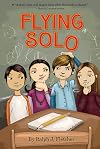
3.75 Stars. When I first read this book in elementary school over 20 years ago, there was something about it that stuck with me long after I finished it. It was one of few books I encountered that showed kids around my age dealing with something bigger than trying to fit in, do well in school, be themselves, and/or get along with their families. I loved plenty of books that focused on those other themes, but this book always felt more affirming of my own experiences as a kid who felt things show more deeply and reflected intensely on my thoughts and feelings.
With all that in mind, I finally decided to reread this book to see if it held up to my childhood memories. Fortunately, for the most part, it did.
Despite not having as tight of a narrative arc as I would have liked and not having much explicit diversity beyond socioeconomic status, this book was just as funny, heartfelt, and interesting in a nuanced yet kid-friendly way as I remembered it. More significantly, it still did a really solid job of showing how kids are impacted by different kinds of loss and how much kids silently carry unbeknownst to those around them. This was the message that was most important to me as a kid and remains the best part of the book for me as an adult.
Although I don’t know that I’d recommend this book to modern day kids because it feels very nineties in a way I don’t know that they could appreciate, I am glad I read it as a kid and glad I took the time to reread it as an adult. Also, this book 100% should have been made into a 90s movie because I would have worn that VHS out. show less
With all that in mind, I finally decided to reread this book to see if it held up to my childhood memories. Fortunately, for the most part, it did.
Despite not having as tight of a narrative arc as I would have liked and not having much explicit diversity beyond socioeconomic status, this book was just as funny, heartfelt, and interesting in a nuanced yet kid-friendly way as I remembered it. More significantly, it still did a really solid job of showing how kids are impacted by different kinds of loss and how much kids silently carry unbeknownst to those around them. This was the message that was most important to me as a kid and remains the best part of the book for me as an adult.
Although I don’t know that I’d recommend this book to modern day kids because it feels very nineties in a way I don’t know that they could appreciate, I am glad I read it as a kid and glad I took the time to reread it as an adult. Also, this book 100% should have been made into a 90s movie because I would have worn that VHS out. show less
Boy Writers: Reclaiming Their Voices by Ralph Fletcher is a misguided treatise on teaching writing in the classroom. I read it in conjunction with the older and better When You Are Alone/It Keeps You Capone by Myra Cohn Livingston.
Fletcher's thesis is that the school system is so over run by gentle, nurturing women, that there's no room for the rowdy natured boys. Apparently teachers across the country are actively discouraging boys from truly expressing themselves through their writing show more which because of their boyish nature leans towards gross out jokes, violence, superheroes and the like. Instead, teachers are encouraging girls and their boring stories about families and domesticity.
Are you mad yet? You should be. I certainly am. This book falls into the frustrating gender trap and is doing its best to further marginalize anyone who isn't someone likely to grow into a well off, privileged, white man. Here in a book about teaching are the seeds of bullying, rape culture, racism, sexism, and homophobia.
Think I'm off my rocker? In a chapter on social media (especially chat), there's a section on why boys love to write, especially when it's anonymously and online. The author includes a sample chat where a boy discusses his break up. The conversation quickly devolves into name calling and slut shaming on the part of the girl who isn't there to defend herself. This is conversation is held as a GOOD example of getting boys excited about writing.
And where is the author's hard evidence that there's such an anti-boy conspiracy? Are there any actual scientific or sociological studies cited? No. Any case studies of actual schools? No.
For better examples of the challenges of teaching writing to children any gender, personality, or background, I recommend the older books: When You Are Alone/It Keeps You Capone, and Teacher by Sylvia Ashton-Warner (who has some interesting theories about fear motivating violent writing, rather than it just being some natural "boyish" thing). show less
Fletcher's thesis is that the school system is so over run by gentle, nurturing women, that there's no room for the rowdy natured boys. Apparently teachers across the country are actively discouraging boys from truly expressing themselves through their writing show more which because of their boyish nature leans towards gross out jokes, violence, superheroes and the like. Instead, teachers are encouraging girls and their boring stories about families and domesticity.
Are you mad yet? You should be. I certainly am. This book falls into the frustrating gender trap and is doing its best to further marginalize anyone who isn't someone likely to grow into a well off, privileged, white man. Here in a book about teaching are the seeds of bullying, rape culture, racism, sexism, and homophobia.
Think I'm off my rocker? In a chapter on social media (especially chat), there's a section on why boys love to write, especially when it's anonymously and online. The author includes a sample chat where a boy discusses his break up. The conversation quickly devolves into name calling and slut shaming on the part of the girl who isn't there to defend herself. This is conversation is held as a GOOD example of getting boys excited about writing.
And where is the author's hard evidence that there's such an anti-boy conspiracy? Are there any actual scientific or sociological studies cited? No. Any case studies of actual schools? No.
For better examples of the challenges of teaching writing to children any gender, personality, or background, I recommend the older books: When You Are Alone/It Keeps You Capone, and Teacher by Sylvia Ashton-Warner (who has some interesting theories about fear motivating violent writing, rather than it just being some natural "boyish" thing). show less
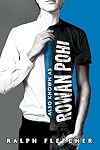
Interesting quick read about teen Bobby Steele, who with his friends create a made up guy (Rowan Pohi) to apply to the exclusive private school in their part of town. To their amazement, Rowan is accepted to the school, and they decide the joke has gone far enough and to put Rowan to rest. That is until Bobby--distraught over his mother's abandonment of himself and his 5 year old brother, Cody, and afraid of his recovering alcoholic/domestic abuser father--dons the persona after a chance show more encounter with a beautiful female student at the academy. Throughout the story we see how Bobby/Rowan struggles with his dual life, his responsibilities as a student /brother/athlete and his want to make things better for himself and his little brother. A lot of issues going on here, and a really interesting take on responsibility, honesty, friendship and second chances. show less
These poems from Ralph Fletcher feel as if they are from children, and they are strong. These "children" witness life, they write about it. Poetry gives you that special insight into ones heart and soul - to let you know what's on their mind. One particular one that got me tearing up was Memory Loss, on page 7, and Grandma on page 10. It is beautifully blunt with the truth that children feel.
Lists
Youth: Poetry (1)
Awards


You May Also Like


Associated Authors
Statistics
- Works
- 55
- Members
- 6,902
- Popularity
- #3,543
- Rating
- 4.0
- Reviews
- 108
- ISBNs
- 165
- Languages
- 3
- Favorited
- 1