
Tamara Leigh
Author of Leaving Carolina
About the Author
Series
Works by Tamara Leigh
Associated Works
Tagged
Common Knowledge
- Birthdate
- 20th Century
- Gender
- female
Members
Reviews
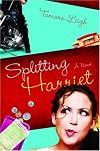
Does screwing up once mean you’re a screw up forever? Harriet grew up a preacher’s kid. She was innocent, naïve, and protected from the conniving aspects of human nature until a change in her father’s church led to a near split of the congregation. The conflict in the congregation opened Harriet’s eyes to the reality that kindness does not always reign supreme. In response, she escaped the shelter of her upbringing and went hellcat rebellious as a teen.
Years later, Harriet is sober show more and employed part-time as a waitress and part-time as the director of women’s ministry at First Grace church in Franklin, Tennessee. The reformed Harriet is obsessed with keeping her life pure and organized. She’s twenty seven years old, yet her social circle is limited to the dinner by five, in bed by eight retiree crowd at the church-owned trailer park where she lives. All is June Cleaver tidy for Harriet until a new tattooed resident, Maddox, rolls in on his motorcycle and disrupts her manicured world. Maddox’s presence pushes Harriet to wrestle with the issues that brought her to her knees as a teen.
Along the path of Harriet’s personal transformation is the infamous love triangle plot feature. I won’t rant again on this overused feature, but will admit that Leigh deserves kudos on how she portrayed Harriet’s love triangle. Absent were the typical angsty good guy versus bad guy decisions to be made; decisions that make otherwise brave heroines seem bipolar at best and more often portray them as flighty and undeserving of love (alright, a tiny rant). Instead, Leigh employs the love triangle to help Harriet discover the goodness within her.
Forgiveness is the central theme of Splitting Harriet. The liberating power of forgiveness is a common leitmotif in literature. Cutting for Stone by Abraham Verghese, The Perks of Being a Wallflower by Stephen Chbosky, and Requiem by Lauren Oliver also analyze how holding onto the past and not forgiving oneself or others can prevent a person from loving completely. Leigh takes the theme further by adding that forgiveness is repeatable, not a one and done activity. When Maddox becomes frustrated with Harriet’s inability to realize that forgiveness is infinite, he exclaims “You have to allow that you’re going to stumble like the rest of us…”. As a person who stumbles often, his line is my favorite in the story.
The novel is scripture heavy. If you’re not a regular reader of Christian lit (I’m not), this may be a hurdle for you. It was for me. I groaned when I read the first chapter. It wasn’t the writing, which is respectable, but the content. I was raised Christian and believe in the tenets of Christianity, but not the evangelism of it. Beating anyone with fists or scripture has never proved effective in changing people’s beliefs.
Regardless of the blatant theological lectures, Leigh’s beach-reading story bolstered my conviction that the purpose of religion is to teach us to love, to love ourselves and each other.
-Reviewed by Lena Cox, blogger at pagecravings.com show less
Years later, Harriet is sober show more and employed part-time as a waitress and part-time as the director of women’s ministry at First Grace church in Franklin, Tennessee. The reformed Harriet is obsessed with keeping her life pure and organized. She’s twenty seven years old, yet her social circle is limited to the dinner by five, in bed by eight retiree crowd at the church-owned trailer park where she lives. All is June Cleaver tidy for Harriet until a new tattooed resident, Maddox, rolls in on his motorcycle and disrupts her manicured world. Maddox’s presence pushes Harriet to wrestle with the issues that brought her to her knees as a teen.
Along the path of Harriet’s personal transformation is the infamous love triangle plot feature. I won’t rant again on this overused feature, but will admit that Leigh deserves kudos on how she portrayed Harriet’s love triangle. Absent were the typical angsty good guy versus bad guy decisions to be made; decisions that make otherwise brave heroines seem bipolar at best and more often portray them as flighty and undeserving of love (alright, a tiny rant). Instead, Leigh employs the love triangle to help Harriet discover the goodness within her.
Forgiveness is the central theme of Splitting Harriet. The liberating power of forgiveness is a common leitmotif in literature. Cutting for Stone by Abraham Verghese, The Perks of Being a Wallflower by Stephen Chbosky, and Requiem by Lauren Oliver also analyze how holding onto the past and not forgiving oneself or others can prevent a person from loving completely. Leigh takes the theme further by adding that forgiveness is repeatable, not a one and done activity. When Maddox becomes frustrated with Harriet’s inability to realize that forgiveness is infinite, he exclaims “You have to allow that you’re going to stumble like the rest of us…”. As a person who stumbles often, his line is my favorite in the story.
The novel is scripture heavy. If you’re not a regular reader of Christian lit (I’m not), this may be a hurdle for you. It was for me. I groaned when I read the first chapter. It wasn’t the writing, which is respectable, but the content. I was raised Christian and believe in the tenets of Christianity, but not the evangelism of it. Beating anyone with fists or scripture has never proved effective in changing people’s beliefs.
Regardless of the blatant theological lectures, Leigh’s beach-reading story bolstered my conviction that the purpose of religion is to teach us to love, to love ourselves and each other.
-Reviewed by Lena Cox, blogger at pagecravings.com show less

I had forgotten how much I love medieval stories until I read this.
Watching the characters make their transformation was amazing and seemed so effortless! Starting the story, I wondered how in the world two such opposed characters could ever learn to love each other, but their relationship progressed with a natural subtlety that never once felt forced. This author possesses amazing talent.
I love the girl-in-disguise stories, and this one is handled perfectly. I couldn't put this book down. show more I took it everywhere, neglected housework, food, sleep... It's that good!
I couldn't find a single cliched character or situation in this story. Fresh, authentic, transporting writing.
Clean romance. Would recommend to 18 and up because of some personal situations and historically accurate-yet-crude realities of medieval life. show less
Watching the characters make their transformation was amazing and seemed so effortless! Starting the story, I wondered how in the world two such opposed characters could ever learn to love each other, but their relationship progressed with a natural subtlety that never once felt forced. This author possesses amazing talent.
I love the girl-in-disguise stories, and this one is handled perfectly. I couldn't put this book down. show more I took it everywhere, neglected housework, food, sleep... It's that good!
I couldn't find a single cliched character or situation in this story. Fresh, authentic, transporting writing.
Clean romance. Would recommend to 18 and up because of some personal situations and historically accurate-yet-crude realities of medieval life. show less
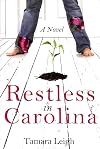
Wow, Restless in Carolina by Tamara Leigh is actually not my first choice genre for reading. I'm more of a mystery/suspense gal and I would put this more solidly in the chick lit category. And yet it is the most "can't put it down" book I've read in quite some time.
I loved the multi-faceted characters and all their quirks. It was a pleasure watching our heroine, Bridget, grow and work through her distrust of a God who she felt had ignored her and let her down.
I also loved the author's show more "voice." I'm not sure in literary terms that I'm using that word correctly, but what I mean is the way that Ms. Leigh shares Bridget's thoughts, words and personality with us. I am very eager to read more about the Pickwick family and more by Ms. Leigh as well. show less
I loved the multi-faceted characters and all their quirks. It was a pleasure watching our heroine, Bridget, grow and work through her distrust of a God who she felt had ignored her and let her down.
I also loved the author's show more "voice." I'm not sure in literary terms that I'm using that word correctly, but what I mean is the way that Ms. Leigh shares Bridget's thoughts, words and personality with us. I am very eager to read more about the Pickwick family and more by Ms. Leigh as well. show less
 This review was written for LibraryThing Early Reviewers.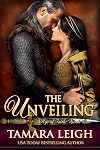
This was my first Tamara Leigh book and it was about time I picked up the first book of her famous series since so many of my favorite Bookstagrammers love the Wulfriths. The medieval time period has always been a bit of a challenge for me to get into but I found the setting here quite vivid and engrossing. The English history leading up to 1153 AD and the war between Stephen and Henry for the throne was extremely fascinating. I loved Garr Wulfrith and his glorious alpha self. His tough love show more in molding boys into respected knights, his tenderness toward his sisters and mother, his fierce loyalty to his own, and his incredible faith he lived out daily made him a swoony hero. Though not my favorite trope, Annyn disguising herself as a boy worked well to infiltrate the impenetrable Wulfrith training ground and began the unraveling of so many secrets. Annyn herself was difficult to love in the beginning but she grew on me by the end. Enemies to lovers trope was a fun one to see unfold between Annyn and Garr.
I’m looking forward to more Wulfrith family saga! show less
I’m looking forward to more Wulfrith family saga! show less
Awards


You May Also Like


Associated Authors
Statistics
- Works
- 44
- Also by
- 1
- Members
- 1,298
- Popularity
- #19,786
- Rating
- 3.7
- Reviews
- 68
- ISBNs
- 77
- Languages
- 2
- Favorited
- 2

