
Helen Simonson
Author of Major Pettigrew's Last Stand
About the Author
Helen Simonson was born in England, lived many years in Brooklyn, N.Y. and currently resides in the Washington, D.C. area. Simonson's literary inspirations include Virginia Woolf and Henry James. Her novels, Major Pettigrews Last Stand and The Summer Before the War, are New York Times Bestsellers. show more (Bowker Author Biography) show less
Image credit: Nina Subin
Works by Helen Simonson
Associated Works
Select Editions: The Geneva Deception; Major Pettigrew's Last Stand; The First Rule; Hannah's Choice (2010) — Contributor — 10 copies
Tagged
Common Knowledge
- Other names
- Саймънсън, Хелън
사이먼슨, 헬렌 - Birthdate
- 1964
- Gender
- female
- Education
- London School of Economics
- Occupations
- travel advertising executive
novelist - Nationality
- UK
- Birthplace
- Slough, Berkshire, England, UK
- Places of residence
- East Sussex, England, UK
Brooklyn, New York, USA
Washington, D.C., USA - Associated Place (for map)
- UK
Members
Reviews
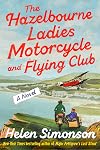
This is a fabulous historical fiction set just after World War I in the fictional town of Hazelbourne-on-Sea, near Brighton. It begins on Armistice Day 1918 and continues for the first year after the war’s end. It reminds me of a contemporary version of the novels of the 19th century by writers such as Anne Bronte or Jane Austen. It is not fast paced, but there is always something interesting going on in the characters’ lives.
The primary theme is the clash between traditional values and show more the newfound freedoms for women, who had stepped up to take on the lion’s share of work during the war but are now being told they need to return to their only “proper” roles as wives, mothers, and domestic help. The storyline follows Constance Haverhill, a capable young woman who has been dismissed from her job as an estate manager to hire a man returning from the war. With limited options, she accepts a position as a companion to an elderly woman convalescing at a hotel in Hazelbourne-on-Sea. What begins as a temporary arrangement while searching for more permanent employment soon evolves into something entirely unexpected.
Constance almost accidentally befriends Poppy Wirrall, the unconventional daughter of the local baronet, who wears trousers, operates a taxi service employing local women, and runs a ladies' motorcycle club with aspirations to add flying lessons. Poppy's brother, Harris, is a wounded fighter pilot whose experiences in the war have left both physical and psychological scars. He has lost a leg and wears a prosthetic device. He suffers from mental anguish resulting from his wartime experiences. He faces what we now call ableism in that employers refuse to hire him due to his disability.
Simonson excels at creating multi-dimensional characters. Constance serves as our grounded protagonist, practical yet yearning for more than society allows. At the same time, she represents one of the lower rungs on the class ladder in comparison to Poppy’s background of affluence. And these are considered “lesser” on the social ladder than other characters, such as wealthy (and snobby) Mrs. Mercer, who is aghast the very thought of women working! Heaven forbid!
The supporting cast is equally engaging, from the sweet elderly lady Constance attends to various members of the motorcycle club, each with their own story. The addition of mixed-race brother and sister from Barbados provides another example of prejudice, as does the German butler, who had been detained during the war due solely to his heritage.
The novel examines the societal shifts following the Great War and the influenza pandemic. Simonson explores women's roles and independence, class dynamics, post-war trauma, and colonialist attitudes. The author balances these weightier themes with moments of joy, adventure, and romance. This blend creates a wonderful reading experience that both entertains and serves as a social critique.
Simonson writes with wit and compassion. Her prose is elegant without being pretentious, and she has a remarkable ability to evoke the atmosphere of post-war England with details such as fashions, mechanical conveyances, and local customs. It will appeal to fans of historical fiction, particularly those who appreciate character-driven stories that do not require non-stop action and are not solely based on romance. Those interested in the post-WWI era and women's history will also enjoy it. I am finding it hard to put into words the emotional impact this book had on me, but I just loved it. It is historical fiction at its finest. show less
The primary theme is the clash between traditional values and show more the newfound freedoms for women, who had stepped up to take on the lion’s share of work during the war but are now being told they need to return to their only “proper” roles as wives, mothers, and domestic help. The storyline follows Constance Haverhill, a capable young woman who has been dismissed from her job as an estate manager to hire a man returning from the war. With limited options, she accepts a position as a companion to an elderly woman convalescing at a hotel in Hazelbourne-on-Sea. What begins as a temporary arrangement while searching for more permanent employment soon evolves into something entirely unexpected.
Constance almost accidentally befriends Poppy Wirrall, the unconventional daughter of the local baronet, who wears trousers, operates a taxi service employing local women, and runs a ladies' motorcycle club with aspirations to add flying lessons. Poppy's brother, Harris, is a wounded fighter pilot whose experiences in the war have left both physical and psychological scars. He has lost a leg and wears a prosthetic device. He suffers from mental anguish resulting from his wartime experiences. He faces what we now call ableism in that employers refuse to hire him due to his disability.
Simonson excels at creating multi-dimensional characters. Constance serves as our grounded protagonist, practical yet yearning for more than society allows. At the same time, she represents one of the lower rungs on the class ladder in comparison to Poppy’s background of affluence. And these are considered “lesser” on the social ladder than other characters, such as wealthy (and snobby) Mrs. Mercer, who is aghast the very thought of women working! Heaven forbid!
The supporting cast is equally engaging, from the sweet elderly lady Constance attends to various members of the motorcycle club, each with their own story. The addition of mixed-race brother and sister from Barbados provides another example of prejudice, as does the German butler, who had been detained during the war due solely to his heritage.
The novel examines the societal shifts following the Great War and the influenza pandemic. Simonson explores women's roles and independence, class dynamics, post-war trauma, and colonialist attitudes. The author balances these weightier themes with moments of joy, adventure, and romance. This blend creates a wonderful reading experience that both entertains and serves as a social critique.
Simonson writes with wit and compassion. Her prose is elegant without being pretentious, and she has a remarkable ability to evoke the atmosphere of post-war England with details such as fashions, mechanical conveyances, and local customs. It will appeal to fans of historical fiction, particularly those who appreciate character-driven stories that do not require non-stop action and are not solely based on romance. Those interested in the post-WWI era and women's history will also enjoy it. I am finding it hard to put into words the emotional impact this book had on me, but I just loved it. It is historical fiction at its finest. show less
I was delighted by this novel and set aside all other books to read it.
I loved it for the witty epigrammatic insights of the characters. I loved it for the sensitive portrayal of the post WWI world of Britain. There are the war wounded men, struggling with horrific disfigurement and trauma, unable to obtain employment because no one wanted to be confronted with the human cost of the war, and because they were considered mentally as well as physically handicapped. Spunky women who had kept show more Britain together were being forced out of jobs after the government classifies the jobs as for men only. I loved it for the wonderfully drawn characters. So often, I was reminded of Jane Austen, that master of the comedy of manners and reversals of fortune in affairs of the heart.
In 1919, Constance Haverhill is a companion to her mother’s dear friend, connected by regard and not by mere economics, summering at a seaside resort. Come fall, she must find employment or become dependent on her brother, who had inherited the family farm. During the war, she had run an estate, her accounting and management skills top notch. But that job was going back to a man.
Constance meets the iconoclastic Poppy and her women friends who hope to continue their independence with a motorcycle transport business. These daredevil ladies include a mechanic and a motorcycle racer. Poppy hopes to expand the business by adding flying lessons for ladies; her brother Harris was a pilot in the war, returning home without a leg. He is morose and surly; his fiance had thrown him over, unable to face a crippled husband.
The war had left two million disabled and over forty thousand amputees, many of the men maimed with no prospects for employment or love, Constance learns when she visits the local convalescent center filled with veterans. Constance and Harris face the same challenges, unable to find employment. “People are unable to see beyond what they deem our limitations,” Harris concedes.
With the introduction of an American Southerner and a man from India with a secret, the story addresses racism on both sides of the pond.
Constance is drawn into Poppy’s exciting circle and her welcoming family, taking risks she would never have imagined. But even they fail her, their wealth sheltering them from their worst actions. Her prospects growing dim, Constance outwardly keeps her place while secretly she is breaking limits, daring to hope for a fuller life.
Thanks to the publisher for a free book. show less
I loved it for the witty epigrammatic insights of the characters. I loved it for the sensitive portrayal of the post WWI world of Britain. There are the war wounded men, struggling with horrific disfigurement and trauma, unable to obtain employment because no one wanted to be confronted with the human cost of the war, and because they were considered mentally as well as physically handicapped. Spunky women who had kept show more Britain together were being forced out of jobs after the government classifies the jobs as for men only. I loved it for the wonderfully drawn characters. So often, I was reminded of Jane Austen, that master of the comedy of manners and reversals of fortune in affairs of the heart.
In 1919, Constance Haverhill is a companion to her mother’s dear friend, connected by regard and not by mere economics, summering at a seaside resort. Come fall, she must find employment or become dependent on her brother, who had inherited the family farm. During the war, she had run an estate, her accounting and management skills top notch. But that job was going back to a man.
Constance meets the iconoclastic Poppy and her women friends who hope to continue their independence with a motorcycle transport business. These daredevil ladies include a mechanic and a motorcycle racer. Poppy hopes to expand the business by adding flying lessons for ladies; her brother Harris was a pilot in the war, returning home without a leg. He is morose and surly; his fiance had thrown him over, unable to face a crippled husband.
The war had left two million disabled and over forty thousand amputees, many of the men maimed with no prospects for employment or love, Constance learns when she visits the local convalescent center filled with veterans. Constance and Harris face the same challenges, unable to find employment. “People are unable to see beyond what they deem our limitations,” Harris concedes.
With the introduction of an American Southerner and a man from India with a secret, the story addresses racism on both sides of the pond.
Constance is drawn into Poppy’s exciting circle and her welcoming family, taking risks she would never have imagined. But even they fail her, their wealth sheltering them from their worst actions. Her prospects growing dim, Constance outwardly keeps her place while secretly she is breaking limits, daring to hope for a fuller life.
Thanks to the publisher for a free book. show less
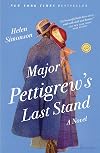
My first impression was of charm but as it moved along, I found a great deal more depth to it. There is a wry and pointed humour, subtly done and very effective. The power I think comes from both using stereotypes and turning them around. Major Pettigrew and Mrs. Ali are not as you would expect on first meeting and their growing friendship is a joy. Other characters are a bit of what you expect, particularly the very odious ones like Daisy and Marjorie and Roger. I must say that it was a show more pure pleasure to dislike Roger. Within a quite small frame of the story, a great many very powerful truths are pulled out. I enjoyed this immensely, both for the satisfyingly expected turns and the unexpected ones. show less
I received a galley via NetGalley.
Fantastic historical fiction. Though a bit slow to start, the story soon revs up. Set in a British beachside resort in the aftermath of World War I, the ardently feminist tale touches on deep issues with incredible finesse and heart. The treatment of disabled veterans is addressed, as is sexism (oh so much sexism), classism, and racism. Constance is the main character, a young woman of compassion and business savvy, but the entire cast is delightful, show more especially Mrs. Fog, who develops in such a surprising and touching way. I'll be recommending this one for my local book clubs! show less
Fantastic historical fiction. Though a bit slow to start, the story soon revs up. Set in a British beachside resort in the aftermath of World War I, the ardently feminist tale touches on deep issues with incredible finesse and heart. The treatment of disabled veterans is addressed, as is sexism (oh so much sexism), classism, and racism. Constance is the main character, a young woman of compassion and business savvy, but the entire cast is delightful, show more especially Mrs. Fog, who develops in such a surprising and touching way. I'll be recommending this one for my local book clubs! show less
Lists
First Novels (1)
Great Audiobooks (1)
Spring Books (1)
To Read (1)
Indie Next Picks (1)
Awards


You May Also Like


Associated Authors
Statistics
- Works
- 3
- Also by
- 2
- Members
- 8,885
- Popularity
- #2,701
- Rating
- 3.9
- Reviews
- 668
- ISBNs
- 114
- Languages
- 11
- Favorited
- 12
