
C. Alexander Simpkins
Author of Simple Taoism: A Guide to Living in Balance
About the Author
Series
Works by C. Alexander Simpkins
The Tao of Bipolar: Using Meditation and Mindfulness to Find Balance and Peace (2013) 22 copies, 1 review
The Dao of Neuroscience: Combining Eastern and Western Principles for Optimal Therapeutic Change (Norton Professional Books (Paperback)) (2010) 11 copies
Neuro-Hypnosis: Using Self-Hypnosis to Activate the Brain for Change (Norton Professional Books) (2010) 9 copies
Principles of Self Hypnosis: Pathways to the Unconscious/Book and Audio Cassette (Frontiers of Conciousness) (1991) 9 copies
Meditatie stap voor stap 3 copies
Tagged
Common Knowledge
- Legal name
- Simpkins, Charles Alexander
- Birthdate
- 20th Century
- Gender
- male
- Relationships
- Simpkins, Annellen (wife)
- Nationality
- USA
- Associated Place (for map)
- USA
Members
Reviews
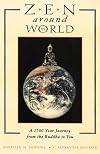
I would rate this a 2.5 if I could and I rounded down instead of up because Goodreads has "okay" associated with two and that is what I have to say instead of the "liked" three stars.
The book was in the religion section of my library, but the book (as per the title) isn't strictly about Zen BUDDHISM, but Zen in itself. The history is steeped in Buddhism, but Zen itself is not necessarily religious. Well, allow me to restate that. Technically Buddhism doesn't have to be religious either. Zen show more is a state of mind and Buddhism is a method to obtain a state of mind. Still, after describing in detail the historical development of Zen Buddhism, the book addresses how Zen has been integrated into martial arts, flower arrangements, poetry, and more. Later chapters describe how someone can practice Zen either in sitting meditation or during another activity.
Zen Around the World describes Zen thoroughly, though perhaps too thoroughly. The language carries a technical voice and some chapters may as well be a list names of influencers, a thing they did, and who next down the line they influenced. This is a good approach if you want to follow up and do more research on historical individuals. However, I approached this book wanting a qualitative understanding and I found that on roughly half of the pages. show less
The book was in the religion section of my library, but the book (as per the title) isn't strictly about Zen BUDDHISM, but Zen in itself. The history is steeped in Buddhism, but Zen itself is not necessarily religious. Well, allow me to restate that. Technically Buddhism doesn't have to be religious either. Zen show more is a state of mind and Buddhism is a method to obtain a state of mind. Still, after describing in detail the historical development of Zen Buddhism, the book addresses how Zen has been integrated into martial arts, flower arrangements, poetry, and more. Later chapters describe how someone can practice Zen either in sitting meditation or during another activity.
Zen Around the World describes Zen thoroughly, though perhaps too thoroughly. The language carries a technical voice and some chapters may as well be a list names of influencers, a thing they did, and who next down the line they influenced. This is a good approach if you want to follow up and do more research on historical individuals. However, I approached this book wanting a qualitative understanding and I found that on roughly half of the pages. show less
The Tao of Bipolar: Using Meditation and Mindfulness to Find Balance and Peace by C. Alexander Simpkins
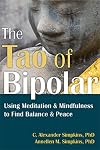
I'm not bipolar but I thought this might be a useful read because I am close to several people who are. It is a clear presentation of the the topic. It did help me realize how their minds are operating. It would have been of more use to them than it was to me I'm sure but I found it to be a useful read.
I received this through Goodreads giveaway program and gave my honest review.
I received this through Goodreads giveaway program and gave my honest review.
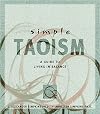
This is the second best book on Taoism I own. There are three sections: a history of Taoism, the major themes of Taoism, and how to put this stuff into practice. The practice section is full of short, simple exercises that are designed to give you ideas about how to live more in balance. Nothing profound, no arduous journey. Just a lot of simple things to do or not do as the mood strikes or your life situation leads you to.
Confucianism/Conduct of life
You May Also Like


Associated Authors
Statistics
- Works
- 29
- Members
- 568
- Popularity
- #44,050
- Rating
- 3.4
- Reviews
- 4
- ISBNs
- 65
- Languages
- 5
- Favorited
- 1