This topic is currently marked as "dormant"—the last message is more than 90 days old. You can revive it by posting a reply.
1magicians_nephew
Well, I'm back.
My name is Jim I live in New York City with my Sweet Babboo Ffortsa and after twenty plus years - you know maybe it will work out.
I work with computers for a large Wall Street firm -- I get to play with all the new cool tech toys -- and hope to retire one of these days.
I love reading books of history and fantasy and fiction of all kinds. Books and theater and history are my passions. And people.
Have met some wonderful people on Library Thing - waving hello to all old friends and new.
My name is Jim I live in New York City with my Sweet Babboo Ffortsa and after twenty plus years - you know maybe it will work out.
I work with computers for a large Wall Street firm -- I get to play with all the new cool tech toys -- and hope to retire one of these days.
I love reading books of history and fantasy and fiction of all kinds. Books and theater and history are my passions. And people.
Have met some wonderful people on Library Thing - waving hello to all old friends and new.
“You unlock this door with the key of imagination. Beyond it is another dimension: a dimension of sound, a dimension of sight, a dimension of mind. You’re moving into a land of both shadow and substance, of things and ideas. You’ve just crossed over into… the Reading Zone.”
3The_Hibernator
Happy New Year!

4FAMeulstee
Happy reading in 2019, Jim!

8magicians_nephew
Zoe we'd love to see you and any other LT'ers who happen to find their way into the Big Apple area
9magicians_nephew
So -- a book!
The Song of Riddles is a lovely way to start the year - (actually I've been dipping in and out of it for a few weeks now).
It's a deep dive into the Song of Solomon of the Old Testament Bible with lots of time to wallow in the poetry and also understand the history and dig into the analysis too. WHY is this deeply lyrical deeply poetic deeply erotic book included in the Christian Bible?
They say a joke you have to explain isn't a good joke.
Well sometimes hearing a poem explained - teasing out the secret forgotten references, the little asides, the Biblical half quotes - makes the journey richer and more fulfilling.
And the subtleties of translation - why some times one word is used and sometimes another - also leads to deeper more satisfying understanding
And it's a BOOK! a physical oaper book with a cover and big illustrations and lots of elegant typefaces to enjoy. I mean Kindle is all very well, but . . .
It's a very sensuous piece of love poetry and a deep and rich allegory and so so much more. Really enjoyed this one.
The Song of Riddles is a lovely way to start the year - (actually I've been dipping in and out of it for a few weeks now).
It's a deep dive into the Song of Solomon of the Old Testament Bible with lots of time to wallow in the poetry and also understand the history and dig into the analysis too. WHY is this deeply lyrical deeply poetic deeply erotic book included in the Christian Bible?
They say a joke you have to explain isn't a good joke.
Well sometimes hearing a poem explained - teasing out the secret forgotten references, the little asides, the Biblical half quotes - makes the journey richer and more fulfilling.
And the subtleties of translation - why some times one word is used and sometimes another - also leads to deeper more satisfying understanding
And it's a BOOK! a physical oaper book with a cover and big illustrations and lots of elegant typefaces to enjoy. I mean Kindle is all very well, but . . .
It's a very sensuous piece of love poetry and a deep and rich allegory and so so much more. Really enjoyed this one.
My dove in the clefts of the rock, in the hiding places on the mountainside,
show me your face, let me hear your voice;
for your voice is sweet, and your face is lovely.
Catch for us the foxes, the little foxes that ruin the vineyards,
our vineyards that are in bloom.
My beloved is mine and I am his; he browses among the lilies.
Until the day breaks and the shadows flee, turn, my beloved,
and be like a gazelle or like a young stag on the rugged hills.
10PaulCranswick

Happy 2019
A year full of books
A year full of friends
A year full of all your wishes realised
I look forward to keeping up with you, Jim, this year.
11magicians_nephew
One to regret, I guess.
I love reading history and didn't know all that much about World War i so when someone recommended The War That Ended Peace I had to get a copy.
This is the most detailed book I have ever read about the long weary road up to the First World War.
The author goes back properly I think to before the turn of the century and captures a lot of good information about the various national insecurities and the various national attacks of paranoia. There are capsule biographies of many long forgotten statesmen whose words and deeds add color and texture to the landscape.
(The Modern world reminds me muchly of the time before 1914 for the general touchiness of various world leaders, the fanatic nationalism (or sectionalism), and the sense that what "everyone knows" to be true today may turn out not be true after all.)
But you know this week I put it down about half finished and I doubt i will pick it up again. When you study every tree root to branch and leaf to leaf sometimes you lose sight of the forest.
I love reading history and didn't know all that much about World War i so when someone recommended The War That Ended Peace I had to get a copy.
This is the most detailed book I have ever read about the long weary road up to the First World War.
The author goes back properly I think to before the turn of the century and captures a lot of good information about the various national insecurities and the various national attacks of paranoia. There are capsule biographies of many long forgotten statesmen whose words and deeds add color and texture to the landscape.
(The Modern world reminds me muchly of the time before 1914 for the general touchiness of various world leaders, the fanatic nationalism (or sectionalism), and the sense that what "everyone knows" to be true today may turn out not be true after all.)
But you know this week I put it down about half finished and I doubt i will pick it up again. When you study every tree root to branch and leaf to leaf sometimes you lose sight of the forest.
Prince Bulow, the former German chancellor asked : "How did it all happen?"
And the current (then) German Chancellor Bethmann-Hollweg replied: "Ah, if only we knew."
12alcottacre
>11 magicians_nephew: Sorry to hear that one was not better for you, Jim! I read a good book on WWI a couple of years ago, but cannot remember the name at the moment. If you are still interested in reading about WWI, I will look it up for you.
13magicians_nephew
Stasia - thanks for stopping by
>12 alcottacre: My favorite book about the Great War is Thomas Kenneally's Gossip from the Forest about the Germans signing the surrender papers.
If you happen to think of the good book I would be very glad to know the title
>12 alcottacre: My favorite book about the Great War is Thomas Kenneally's Gossip from the Forest about the Germans signing the surrender papers.
If you happen to think of the good book I would be very glad to know the title
14ffortsa
As I recall, The Guns of August by Barbara Tuchman also dealt with the beginnings of the war, and started with the death of Victoria's son Bertie, with all the cousins attending the funeral from all corners of Europe. Haven't read it in a LONG time.
And happy thread. How did I miss it?
And happy thread. How did I miss it?
15Whisper1
Happy New Year To You. May it be filled with health, happiness, light and love!
All good wishes!
All good wishes!
16magicians_nephew
The Guns of August is a great book but it was written at a time when historians were more inclined to the "The Germans Started It" theory.
Kaiser Bill feared the Yellow Peril (which in his world included the "Mongol" Russians) and thought that Germany would have to face them alone.
Going back a few generations as Ms MacMillan does perhaps shows more clearly the other sides of the (many) disputes.
Max Hastings' Catastrophe is a good book for the day to day details. Nobody does it better
Kaiser Bill feared the Yellow Peril (which in his world included the "Mongol" Russians) and thought that Germany would have to face them alone.
Going back a few generations as Ms MacMillan does perhaps shows more clearly the other sides of the (many) disputes.
Max Hastings' Catastrophe is a good book for the day to day details. Nobody does it better
17alcottacre
>13 magicians_nephew: I will have to look for the Kenneally book. Thanks for the recommendation, Jim.
The book I was thinking of is A world undone : the story of the Great War, 1914-1918 by G.J. Meyer. I thought it was excellent.
The book I was thinking of is A world undone : the story of the Great War, 1914-1918 by G.J. Meyer. I thought it was excellent.
18magicians_nephew
Another book:
Our book group took a swing at The Remains of the Day Kazuo Isiguro's curious and subversive and glorious little novel.
We Meet Mr. Stevens, the very model of a modern British Butler who grew up serving a Lord in a great hall. Now he serves a jumped up American businessman in much reduced circumstances. His life has been circumscribed by the two gods "Dignity" (As a shield to hide behind) and "Banter" (As a way of human communication - something Mr. Stevens is NOT very good at.).
We hear a lot about the "Unreliable Narrator" - this book I think gives us an "Oblivious Narrator" someone who really doesn't see what is happening in the world around him.
Mr. Stevens takes a drive across the English Countryside to meet an old colleague. It gives him a chance to reminisce and reflect. It's the genius of the writing that while Mr. Stevens doesn't seem to see the many chances for love and human contact and maybe happiness he is passing by - we as reader and audience do.
It's at times a very funny book and overall a very sad and very moving book. Our book group had a great discussion. The book will stay with me.
Our book group took a swing at The Remains of the Day Kazuo Isiguro's curious and subversive and glorious little novel.
We Meet Mr. Stevens, the very model of a modern British Butler who grew up serving a Lord in a great hall. Now he serves a jumped up American businessman in much reduced circumstances. His life has been circumscribed by the two gods "Dignity" (As a shield to hide behind) and "Banter" (As a way of human communication - something Mr. Stevens is NOT very good at.).
We hear a lot about the "Unreliable Narrator" - this book I think gives us an "Oblivious Narrator" someone who really doesn't see what is happening in the world around him.
Mr. Stevens takes a drive across the English Countryside to meet an old colleague. It gives him a chance to reminisce and reflect. It's the genius of the writing that while Mr. Stevens doesn't seem to see the many chances for love and human contact and maybe happiness he is passing by - we as reader and audience do.
It's at times a very funny book and overall a very sad and very moving book. Our book group had a great discussion. The book will stay with me.
CRICHTON: My Lady! I am the son of a butler and a maid. The happiest of all combinations. To me the most beautiful thing is the haughty, aristocratic English home with everyone kept in his place. Any satisfaction I might derive from being your equal would be ruined by the footman being equal to me!
-- J M. Barrie
19jnwelch
Hi, Jim.
I'll bet The Remains of the Day made for a great book club discussion. I love your phrase "Oblivious Narrator" - exactly. As you say, as readers we get see all he misses. Funny, sad, moving - yes, all of those.
I'll bet The Remains of the Day made for a great book club discussion. I love your phrase "Oblivious Narrator" - exactly. As you say, as readers we get see all he misses. Funny, sad, moving - yes, all of those.
20magicians_nephew
my OTHER book group took a look at Love in a Cold Climate and I'm here to report it is a good Book Club book.
It's (part of ) the story of two young girls in the whirlwind of titled, wealthy (not too bright) grotesques in England between the wars.
One of the girls is just a commoner who watches with an affectionate but not uncritical eye the strange rites and rituals that are enacted all around her. She's got a couple of bratty sisters who serve as cheerful Greek Chorus to the festivities.
The other girl is the "Honorable" daughter of a Lord and Lady groomed to be the bride of a Prince, at least. Well she has other ideas.
Nancy Milford was one of the famous Milford sisters and knows the titled nitwits and brutes she writes about very well. (And she wrote "Zelda" about the rise and fall of the Scott Fitzgerald's of our American nobility)
It's entertaining to watch most of the time and our author has a sharp eye and ear for dialogue. OTOH with a few exceptions, the people we meet are all such shallow one note birdbrains that it's pretty hard to care a rap about them.
The ending just ends because its the last page but until the last page this is a very entertaining menagerie to spend the afternoon touring. There's a sort of prequel and a sequel that nobody ever reads -- but they read this one. It's a good one.
It's (part of ) the story of two young girls in the whirlwind of titled, wealthy (not too bright) grotesques in England between the wars.
One of the girls is just a commoner who watches with an affectionate but not uncritical eye the strange rites and rituals that are enacted all around her. She's got a couple of bratty sisters who serve as cheerful Greek Chorus to the festivities.
The other girl is the "Honorable" daughter of a Lord and Lady groomed to be the bride of a Prince, at least. Well she has other ideas.
Nancy Milford was one of the famous Milford sisters and knows the titled nitwits and brutes she writes about very well. (And she wrote "Zelda" about the rise and fall of the Scott Fitzgerald's of our American nobility)
It's entertaining to watch most of the time and our author has a sharp eye and ear for dialogue. OTOH with a few exceptions, the people we meet are all such shallow one note birdbrains that it's pretty hard to care a rap about them.
The ending just ends because its the last page but until the last page this is a very entertaining menagerie to spend the afternoon touring. There's a sort of prequel and a sequel that nobody ever reads -- but they read this one. It's a good one.
“Strange children should smile at each other and say, "Let's play.”
― F. Scott Fitzgerald
21ffortsa
>20 magicians_nephew: The 'prequel' - which is actually mostly concurrent with LiaCC, is The Pursuit of Love which I thought at least as good. Haven't tackled Don't Tell Alfred, but it's supposedly not nearly as good.
22magicians_nephew
>21 ffortsa: Judy's right the sort of at the same time book focusing on different is The Pursuit of Love -- some people in our Book Circle thought it BETTER than LiaCC
23The_Hibernator
I really ought to read Remains of the Day. I actually bought it once, and for some reason had to return the book. Never bought another copy.
24magicians_nephew
This is a hard one.
Astounding by Alec Nevala-Lee is a new book about John W. Campbell, the editor of "Astounding Science Fiction", and the early days of "pulp" science fiction
This book focuses on Campbell and three of his superstar writers : Isaac Asimov, Robert Heinlein and (how did he get in here?) L. Ron Hubbard.
The time after the war was a time of scientific excitement and the dawn of real space travel. Science Fiction was getting past the "Matt Basterson, Space Marshall" stage and trying on long pants and Campbell was a big big part of that. Asimov's Foundation series, Heinlein's early Future History stories, the wonderful A. E. Van Vogt and others are recalled. So that's good.
BUT:
You also have to hear about Campbell the racist and the mystic, who used the "Hard Science" pages of Astounding to push Hubbard's loony "Dianetics" nonsense. And you have to hear about Kay Tarrant, Campbell's "secretary" who was co-editor and co-publisher but never got one tenth of the credit due to her.
And you have to hear that Heinlein started out as libertarian and visionary and ended up
a paranoid (and cruel) curmudgeon. (and lazy writer, endlessly recycling old plots)
And L. Ron Hubbard who was never better than a "C" level writer anyway (and was a creep besides) and whose creation of "Scientology" and the deep deep madness that followed might have been (has been) better covered in a different book.
And Isaac Asimov who was funny and chatty and a good hard working writer but who was so insecure about women and so immature about it that he tended to pinch bottoms and brush "Accidentally" against breasts to the point where women who knew the score learned to avoid the part of the office or the part of the Sci-Fi convention where Isaac Asimov happened to be. "The Sensuous Dirty Old Man" he called himself. Women might have challenged the "Sensuous" part.
Confession to make: I was one of the geeky kids who liked to hang around Dr Asimov and I certainly was witness to some of the above. Did i call him out on it? I sure didn't. Did I know better? Yeah, I did.
A good book and well researched. If you're interested in the history of science-fiction this is not a bad place to start. And yet. And Yet.
Astounding by Alec Nevala-Lee is a new book about John W. Campbell, the editor of "Astounding Science Fiction", and the early days of "pulp" science fiction
This book focuses on Campbell and three of his superstar writers : Isaac Asimov, Robert Heinlein and (how did he get in here?) L. Ron Hubbard.
The time after the war was a time of scientific excitement and the dawn of real space travel. Science Fiction was getting past the "Matt Basterson, Space Marshall" stage and trying on long pants and Campbell was a big big part of that. Asimov's Foundation series, Heinlein's early Future History stories, the wonderful A. E. Van Vogt and others are recalled. So that's good.
BUT:
You also have to hear about Campbell the racist and the mystic, who used the "Hard Science" pages of Astounding to push Hubbard's loony "Dianetics" nonsense. And you have to hear about Kay Tarrant, Campbell's "secretary" who was co-editor and co-publisher but never got one tenth of the credit due to her.
And you have to hear that Heinlein started out as libertarian and visionary and ended up
a paranoid (and cruel) curmudgeon. (and lazy writer, endlessly recycling old plots)
And L. Ron Hubbard who was never better than a "C" level writer anyway (and was a creep besides) and whose creation of "Scientology" and the deep deep madness that followed might have been (has been) better covered in a different book.
And Isaac Asimov who was funny and chatty and a good hard working writer but who was so insecure about women and so immature about it that he tended to pinch bottoms and brush "Accidentally" against breasts to the point where women who knew the score learned to avoid the part of the office or the part of the Sci-Fi convention where Isaac Asimov happened to be. "The Sensuous Dirty Old Man" he called himself. Women might have challenged the "Sensuous" part.
Confession to make: I was one of the geeky kids who liked to hang around Dr Asimov and I certainly was witness to some of the above. Did i call him out on it? I sure didn't. Did I know better? Yeah, I did.
A good book and well researched. If you're interested in the history of science-fiction this is not a bad place to start. And yet. And Yet.
"The future ain't what it used to be"
-- Arthur C. Clarke
25Berly
>24 magicians_nephew: And yet....it's not calling to me after your wonderful review.
And the quote is (unfortunately) all to true.
And the quote is (unfortunately) all to true.
27magicians_nephew
Hi Ellen! Thanks for stopping by.
I remember reading The Prime of Miss Jean Brodie back in my college days with the memory of the movie and Maggie Smith strongly in my mind.
It's the story of a single woman after the first World War who teaches at a school for girls in Scotland. She's strong feisty cultured iconoclastic and teaches the girls of "The Brodie set" to be the same.
Back then I thought that Miss Brodie was a good role model for a strong independent woman and Huzza! for her and her girls.
But reading the book again now we see Brodie through the eyes of the girls especial Sandy the "watcher" who begins in worship and ends in "She must be stopped".
We see a woman who controls her girls and shapes them as she thinks they ought to be. It's a personality cult. It's not always pretty.
What is Miss Brodie teaching when she talks about her trips and her art and (discretely) her love affairs?
What is Miss Brodie teaching when she takes the girls to the Opera and the Ballet and walks them through the slum districts?
What are the girls learning??? Hmmmm.
The writing by Muriel Spark is clear and sharp and elegant -- I could just say "it's by Muriel Spark" and leave it at that. Satire with a scalpel. Keen insight into people.
Brodie is a bit of an enigma - we only see the performance she is putting on. And how the girls respond to her. One dies, one enters a nunnery. All of them say she was the major influence in their lives.
The Book group discussion was very good.
I remember reading The Prime of Miss Jean Brodie back in my college days with the memory of the movie and Maggie Smith strongly in my mind.
It's the story of a single woman after the first World War who teaches at a school for girls in Scotland. She's strong feisty cultured iconoclastic and teaches the girls of "The Brodie set" to be the same.
Back then I thought that Miss Brodie was a good role model for a strong independent woman and Huzza! for her and her girls.
But reading the book again now we see Brodie through the eyes of the girls especial Sandy the "watcher" who begins in worship and ends in "She must be stopped".
We see a woman who controls her girls and shapes them as she thinks they ought to be. It's a personality cult. It's not always pretty.
What is Miss Brodie teaching when she talks about her trips and her art and (discretely) her love affairs?
What is Miss Brodie teaching when she takes the girls to the Opera and the Ballet and walks them through the slum districts?
What are the girls learning??? Hmmmm.
The writing by Muriel Spark is clear and sharp and elegant -- I could just say "it's by Muriel Spark" and leave it at that. Satire with a scalpel. Keen insight into people.
Brodie is a bit of an enigma - we only see the performance she is putting on. And how the girls respond to her. One dies, one enters a nunnery. All of them say she was the major influence in their lives.
The Book group discussion was very good.
Education is what survives when what has been learned has been forgotten
-- B. F. Skinner
28katiekrug
I listened to the audio of The Prime of Miss Jean Brodie a year or two ago. I went in thinking it was about an inspirational, positive-influence teacher (much like you thought) and I finished it feeling vaguely disquieted. Not a favorite of mine. I did love Memento Mori, though...
29The_Hibernator
>24 magicians_nephew: I think Going Clear was the best book on Scientology that I've read (though I haven't read many). It is supposed to be an unbiased account, though of course it leans strongly towards to Scientology-is-a-cult-and-L-Ron-Hubbard-is-a-crazy-jerk side. It covered a little bit about Campbell as well, though not much.
On a side note, my grandpa actually knew L. Ron Hubbard when he was still an unknown writer and hadn't founded Scientology. Not very well, but still. I think it's kinda cool.
On a side note, my grandpa actually knew L. Ron Hubbard when he was still an unknown writer and hadn't founded Scientology. Not very well, but still. I think it's kinda cool.
30magicians_nephew
>29 The_Hibernator: last year LT was offering some of el-Ron's early pulp novels for Early Reader review. Some of them are (unintentionally) pretty funny - most of them are (unintentionally) pretty bad.
And crazy jerk seems to be an understatement.
Cool that your Grandpa knew him.
I knew Asimov well enough to say hello at SciFi cons but that was about it. I helped Bob and Ginny Heinlein check out of a hotel once. Never met Hubbard.
And crazy jerk seems to be an understatement.
Cool that your Grandpa knew him.
I knew Asimov well enough to say hello at SciFi cons but that was about it. I helped Bob and Ginny Heinlein check out of a hotel once. Never met Hubbard.
31magicians_nephew

"Let me tell you i was bitterly disappointed to learn that this book is, in fact, an instructional guide to the profitable husbandry of ducks as a career.
There is not one sliver of insight about holding ducks accountable for their crimes against humanity, God and Man"
32magicians_nephew
>28 katiekrug: memento Mori is a awfully good book. Spark's eye is sharp - her pen is sharper
My guilty pleasures book of hers is Girls of slender Means always thought it was the girls of Jean Brodie who grew up
My guilty pleasures book of hers is Girls of slender Means always thought it was the girls of Jean Brodie who grew up
33The_Hibernator
>30 magicians_nephew: Interesting that you knew Asimov at some level. My grandpa also knew Ray Bradbury, though less so than Hubbard. They all belonged to a SF writer's book club that met in LA at the time.
34magicians_nephew
>33 The_Hibernator: don't forget that Asimov was east coast (Boston then New York) based and pathologically afraid of flying
Was your grandfather in the Manana SF Club? (Named because it was a group of writers talking about the books they were going to write - manana?)
Was your grandfather in the Manana SF Club? (Named because it was a group of writers talking about the books they were going to write - manana?)
35The_Hibernator
>34 magicians_nephew: I don't know what the name of it was. I'll have to ask my dad, as my grandpa is long-since passed. Not sure if my dad would know. My understanding was that it was a club that met on 5th Saturdays, though. That's really all the details I know. (Not even sure why that detail has stuck in my head, lol.)
36The_Hibernator
Hi Jim! My dad says the name of the club was Pacifico.
37magicians_nephew
>36 The_Hibernator: Thanks Rachael for checking that out for me. .
I guess if you have the moniker "Magicians Nephew" then once in a while you should talk up a book about magic
The Last Greatest Magician in the World is a BIG book about a man you probably never heard of -- Howard Thurston -- who started out as a penniless street hustler and wound up an international star of a hugely popular magic show that was an evening of top-drawer entertainment all across America in the days before radio and the movies killed off vaudeville.
The image everyone has of the stage magician with the black tuxedo suit and the top hat is really Thurston though other copied the look after him.
The Thurston show traveled on its own train with cars full of equipment and people and lions and other animals too. Yes he travelled with a lion.
If you wonder why magicians used to say "There's nothing up my sleeve" well it was Thurston who perfected the "back-palm" and got conjurers once and for all out of the business of tucking cards and coins and other props up inside their (baggy) dress suits.
For someone like me who studied magic as a kid its fun to see that the principles of the big tricks haven't changed much in a century - fascinating. And the author gets points for not revealing how tricks are done even while discussing the fine points of Thurston's presentation.
The book is good about the gossip and petty jealousies of the magic community -- maybe more than you want to know but it's a fun read anyway.. The competition with Houdini - really not so much. They did very different kinds of shows and were in very different kinds of markets and were (more or less) friendly to each other anyway
The Last Magician stuff is kind of a tease - the end of vaudeville ended all the big touring shows including the big touring magic shows including Thurstons. But magic - thanks to Las Vegas and television is alive and well.
I liked it. Maybe you will too.
I guess if you have the moniker "Magicians Nephew" then once in a while you should talk up a book about magic
The Last Greatest Magician in the World is a BIG book about a man you probably never heard of -- Howard Thurston -- who started out as a penniless street hustler and wound up an international star of a hugely popular magic show that was an evening of top-drawer entertainment all across America in the days before radio and the movies killed off vaudeville.
The image everyone has of the stage magician with the black tuxedo suit and the top hat is really Thurston though other copied the look after him.
The Thurston show traveled on its own train with cars full of equipment and people and lions and other animals too. Yes he travelled with a lion.
If you wonder why magicians used to say "There's nothing up my sleeve" well it was Thurston who perfected the "back-palm" and got conjurers once and for all out of the business of tucking cards and coins and other props up inside their (baggy) dress suits.
For someone like me who studied magic as a kid its fun to see that the principles of the big tricks haven't changed much in a century - fascinating. And the author gets points for not revealing how tricks are done even while discussing the fine points of Thurston's presentation.
The book is good about the gossip and petty jealousies of the magic community -- maybe more than you want to know but it's a fun read anyway.. The competition with Houdini - really not so much. They did very different kinds of shows and were in very different kinds of markets and were (more or less) friendly to each other anyway
The Last Magician stuff is kind of a tease - the end of vaudeville ended all the big touring shows including the big touring magic shows including Thurstons. But magic - thanks to Las Vegas and television is alive and well.
I liked it. Maybe you will too.
My object is to mystify and entertain. I wouldn't deceive you for the world.
--Howard Thurston
38The_Hibernator
>37 magicians_nephew: Interesting. I haven't heard of Thurston.
39magicians_nephew
The fun of book groups is that you might find yourself reading a book you never heard of and would never have picked up on your own.
So I give you At Swim Two-Birds a curious little Irish novel that **I** picked off a list more or less because the unusual title caught my eye.
An unnamed student, living with his uncle and working not very hard to finish his schooling, begins writing a novel.
The characters in the novel include louts from the local as well as mythic figures from Irish lore and legend. "Mad King Sweeney" shows up and I had to put the book down and go look him up. Can't tell the players without a scorecard.
(The author says you should always use characters in your novel that already exist so everyone knows them right away and it saves time.)
But pretty soon the characters in the novel (inside the novel) get cross about being pushed around by their author and they begin writing a novel of their own. (Huh?). And we are down the rabbit hole with a vengeance. Fiction and meta-fiction and pushing and popping back and forth. If this is clear to you, I'm not telling it right.
The book gently satirizes Irish literature and the Irish middle class and the study of Irish lore and legend and that's fun to listen to. There's a trial scene that is very funny indeed. The writing is clear and lyrical and very Irish -- in a good way. In the end our anonymous student passes his exams and gets a gold watch from his Uncle and is on his way.
Joyce liked it. And Dylan Thomas. and Graham Greene.
But I suspect it was more fun to write than it was to read. Though it was a lot of fun to talk about.
So I give you At Swim Two-Birds a curious little Irish novel that **I** picked off a list more or less because the unusual title caught my eye.
An unnamed student, living with his uncle and working not very hard to finish his schooling, begins writing a novel.
The characters in the novel include louts from the local as well as mythic figures from Irish lore and legend. "Mad King Sweeney" shows up and I had to put the book down and go look him up. Can't tell the players without a scorecard.
(The author says you should always use characters in your novel that already exist so everyone knows them right away and it saves time.)
But pretty soon the characters in the novel (inside the novel) get cross about being pushed around by their author and they begin writing a novel of their own. (Huh?). And we are down the rabbit hole with a vengeance. Fiction and meta-fiction and pushing and popping back and forth. If this is clear to you, I'm not telling it right.
The book gently satirizes Irish literature and the Irish middle class and the study of Irish lore and legend and that's fun to listen to. There's a trial scene that is very funny indeed. The writing is clear and lyrical and very Irish -- in a good way. In the end our anonymous student passes his exams and gets a gold watch from his Uncle and is on his way.
Joyce liked it. And Dylan Thomas. and Graham Greene.
But I suspect it was more fun to write than it was to read. Though it was a lot of fun to talk about.
in the dream of the man who was dreaming, the dreamt man awoke
-- Jorge Lius Borges
40magicians_nephew
White Teeth is Zadie Smith first novel and it shows - it's bursting with passion and energy and puppy dog eagerness to get the story told.
It's the story of two men one British and one Bangladeshi who meet in World War II and then come home after the war to marry and raise their families.
The Englishman marries a young Jamaican girl, so we seem to have all the immigrant populations to Merry Old England covered.
So what happens? Samah the Bangladeshi tries to keep his family rooted in the old country tradition, while the kids are growing up in a very mixed race England and are as English as Johnny Rotten.
There is a lot of good talk about family and loyalty and identity and growing up and looking forward and looking back. The young author throws everything she's got into the soup pot. Sometimes it's wonderful and funny and warm - sometimes its just numbing and the narrative lags.
There is a white modern secular British family who gets invited and there is good talk about genetics and improving the breed and the "Future Mouse" which may be the magic bullet to cure all mankind's ills. (or it may be another symbol of British colonialism writ large to a restless and rebellious generation).
Too much plot to tell about but its good writing and a good ending and lots of good real vivid characters to talk about and relate to.
Had read it before when it first came out. Was fun to read it again.
It's the story of two men one British and one Bangladeshi who meet in World War II and then come home after the war to marry and raise their families.
The Englishman marries a young Jamaican girl, so we seem to have all the immigrant populations to Merry Old England covered.
So what happens? Samah the Bangladeshi tries to keep his family rooted in the old country tradition, while the kids are growing up in a very mixed race England and are as English as Johnny Rotten.
There is a lot of good talk about family and loyalty and identity and growing up and looking forward and looking back. The young author throws everything she's got into the soup pot. Sometimes it's wonderful and funny and warm - sometimes its just numbing and the narrative lags.
There is a white modern secular British family who gets invited and there is good talk about genetics and improving the breed and the "Future Mouse" which may be the magic bullet to cure all mankind's ills. (or it may be another symbol of British colonialism writ large to a restless and rebellious generation).
Too much plot to tell about but its good writing and a good ending and lots of good real vivid characters to talk about and relate to.
Had read it before when it first came out. Was fun to read it again.
Because we all come from everywhere, we all come from away
41kidzdoc
Nice review of White Teeth, Jim. I loved reading it the first time, despite its flaws, and I should get to it again as well.
42magicians_nephew
Good to see you around these parts Darryl.
"No man reads the same book twice - - - for the man has changed - - - (but the book probably hasn't)"
"No man reads the same book twice - - - for the man has changed - - - (but the book probably hasn't)"
43katiekrug
I've had White Teeth on my shelf for an embarrassingly long time. I really want to read it, but other books keep leap-frogging over it...
44magicians_nephew
>43 katiekrug: My mother used to say (Of things that were near to hand) "If it had had teeth it would have bitten you".
Seems particularly apropos referring to this book
Seems particularly apropos referring to this book
45The_Hibernator
Hi Jim! I'll probably give the Turing book another try when I've cleansed my listening palate with some fiction. I think that was my main problem. I read White Teeth quite a few years ago. Glad you enjoyed it.
46magicians_nephew
Good Advice for travelers
(from a blog i follow)
Whenever you check into a hotel room, look to see if the previous occupant left the alarm clock set for 5:30 AM.
(from a blog i follow)
Whenever you check into a hotel room, look to see if the previous occupant left the alarm clock set for 5:30 AM.
47Berly
>46 magicians_nephew: Definitely. LOL
Love your review of the magician, Thurston. I do enjoy watching magic and was happy to find out that a card magician just won America's Got Talent, The Champions. He was so good! I do like Zadie Smith, but am not feeling the urge to read White Teeth. Have a great week!
Love your review of the magician, Thurston. I do enjoy watching magic and was happy to find out that a card magician just won America's Got Talent, The Champions. He was so good! I do like Zadie Smith, but am not feeling the urge to read White Teeth. Have a great week!
48magicians_nephew
I've been reading two books for two book clubs and both are books that demand attention. more on that later.
So I have gone to ground with an old friend.
Len Deighton was a small time illustrator in the early days of the James Bond juggernaut who thought he could maybe write a different kind of spy novel.
The Ipcress File was the result - a nameless spy, cheeky, bespectacled, bookish, and just about the opposite of James Bond. Deighton wrote a fast-moving story rich with tasty details of verisimilitude - notes and memos and footnotes from the real world of spycraft and a crackling (if complex) document of patient observation and sudden betrayal and figuring out in the end which way to run.
The movie followed and they cast a young Micheal Caine in the lead and they were off. Somewhere along the way they decided the spy had to have a name and they came up with "Harry Palmer" as the dullest, blandest name they could think of. (I guess "James Bond" was taken.)
And after Deighton followed up with Horse Under Water, Billion Dollar Brain and my personal favorite Funeral in Berlin. Our still nameless spy is just that much a little bit smarter than the ones around him, and he's good company in the twisty world of Europe in the Cold War Era.
Worth a look from you too. If you like that sort of thing.
So I have gone to ground with an old friend.
Len Deighton was a small time illustrator in the early days of the James Bond juggernaut who thought he could maybe write a different kind of spy novel.
The Ipcress File was the result - a nameless spy, cheeky, bespectacled, bookish, and just about the opposite of James Bond. Deighton wrote a fast-moving story rich with tasty details of verisimilitude - notes and memos and footnotes from the real world of spycraft and a crackling (if complex) document of patient observation and sudden betrayal and figuring out in the end which way to run.
The movie followed and they cast a young Micheal Caine in the lead and they were off. Somewhere along the way they decided the spy had to have a name and they came up with "Harry Palmer" as the dullest, blandest name they could think of. (I guess "James Bond" was taken.)
And after Deighton followed up with Horse Under Water, Billion Dollar Brain and my personal favorite Funeral in Berlin. Our still nameless spy is just that much a little bit smarter than the ones around him, and he's good company in the twisty world of Europe in the Cold War Era.
Worth a look from you too. If you like that sort of thing.
It's part of a writer's profession, as it's part of a spy's profession, to prey on the community to which he's attached, to take away information - often in secret - and to translate that into intelligence for his masters, whether it's his readership or his spy masters. And I think that both professions are perhaps rather lonely.
-- John_Le_Carre
49magicians_nephew
You can get a good fistfight going over Henry James. People either love every sacred word or can't stand him on toast.
So when you pick up a copy of What Maisie Knew it comes with history.
Maisie is six years old when her parents divorce. They share custody so she spends six months with Daddy and the sweet smart governess that Daddy has hired for her.
And then she spends time with Mommy (and another governess) and "Sir Claude" the semi-gigolo who seems to like Maisie well enough but is (she quickly learns) unreliable on anything important.
(You CAN'T break promises to a child.)
She sees both parents not really at their best and loves them and tries to get along. But she's learning.
She "Plays stupid" and has the child's gift of acceptance but her innocent eyes see and remember.
In the end the two "birth parents" bail out and the governess (now Daddy's SECOND ex-wife) and the gigolo have to figure out what is best to do. No - MAISIE has to figure out what is best to do. She also has the child's gift for ruthlessness.
So we are watching a child grow up almost in isolation and learn manners and morals and responsibility and who to trust and who to be careful around. When does a child develop a moral sense? Is morality "Nature" or ""Nurture"? Or something else?
James asks good questions and describes his world well. He is almost as good with English hypocrisy and snobbery as he is with the American version.
And in the end Maisie puts her foot down and makes a choice and goes off into life.
It's a small book and a book of small pleasures. If you like Henry James you'll like this one. If you don't like James you might like this one anyway. I liked it a lot.
So when you pick up a copy of What Maisie Knew it comes with history.
Maisie is six years old when her parents divorce. They share custody so she spends six months with Daddy and the sweet smart governess that Daddy has hired for her.
And then she spends time with Mommy (and another governess) and "Sir Claude" the semi-gigolo who seems to like Maisie well enough but is (she quickly learns) unreliable on anything important.
(You CAN'T break promises to a child.)
She sees both parents not really at their best and loves them and tries to get along. But she's learning.
She "Plays stupid" and has the child's gift of acceptance but her innocent eyes see and remember.
In the end the two "birth parents" bail out and the governess (now Daddy's SECOND ex-wife) and the gigolo have to figure out what is best to do. No - MAISIE has to figure out what is best to do. She also has the child's gift for ruthlessness.
So we are watching a child grow up almost in isolation and learn manners and morals and responsibility and who to trust and who to be careful around. When does a child develop a moral sense? Is morality "Nature" or ""Nurture"? Or something else?
James asks good questions and describes his world well. He is almost as good with English hypocrisy and snobbery as he is with the American version.
And in the end Maisie puts her foot down and makes a choice and goes off into life.
It's a small book and a book of small pleasures. If you like Henry James you'll like this one. If you don't like James you might like this one anyway. I liked it a lot.
Careful the things you say, Children will listen
Careful the things you do, Children will see
Children may not obey But children will listen
and learn
-- Stephen Sondheim
50PaulCranswick
Heard a rumour that you are a bit under the weather, Jim. Get well soon, dear chap.
51magicians_nephew
Thank you Paul for stopping by and for the good wishes.
I had a nasty stomach bug for a few days then Judy caught it from me and had a few bad days of her own.
Hopefully the scourge has passed on for now. .
I had a nasty stomach bug for a few days then Judy caught it from me and had a few bad days of her own.
Hopefully the scourge has passed on for now. .
52Berly
>48 magicians_nephew: Finding peace with a good friend is always nice. I am a Bond fan, but Harry Palmer sounds fun, too.
I hope you are both feeling well now.
I hope you are both feeling well now.
53magicians_nephew
And a few words (but only a few) about The Glass Bees a new book a new member of one of my F2F books groups brought to our attention.
In an alt-Europe world between the wars a former Calvary Officer is on the skids. No job no money no prospects. A sort of shady friend suggests he go and see the great Zambonini an inventor and industrialist who creates movies and creates mini drone robots and is the Steve Jobs/Walt Disney in this new strange world.
Gene Roddenberry famously said (about "Star Trek") that he never got a useful story out of anybody who said "I see this vast civilization where . . . "
So Junger sees a vast civilization where technology rules and this Zambonini creates not only the workers bees (no pun intended) but also the entertainment and the kids toys too. But though we are told over and over again how great he is - he never really lets us in and lets us see it.
We hear a heck of a lot about the Calvary officer and his training and his friends and nostalgia for the world that has been swept away.
We hear a heck of a lot about the new shiny, scary world created by the industrialist and the inventor.
But in the end we hear a lot and don't see a lot and - sorry - don't feel a lot either.
A political social tract more than a novel. German fatalism and German futurism. And stick figures instead of people. A shame.
In an alt-Europe world between the wars a former Calvary Officer is on the skids. No job no money no prospects. A sort of shady friend suggests he go and see the great Zambonini an inventor and industrialist who creates movies and creates mini drone robots and is the Steve Jobs/Walt Disney in this new strange world.
Gene Roddenberry famously said (about "Star Trek") that he never got a useful story out of anybody who said "I see this vast civilization where . . . "
So Junger sees a vast civilization where technology rules and this Zambonini creates not only the workers bees (no pun intended) but also the entertainment and the kids toys too. But though we are told over and over again how great he is - he never really lets us in and lets us see it.
We hear a heck of a lot about the Calvary officer and his training and his friends and nostalgia for the world that has been swept away.
We hear a heck of a lot about the new shiny, scary world created by the industrialist and the inventor.
But in the end we hear a lot and don't see a lot and - sorry - don't feel a lot either.
A political social tract more than a novel. German fatalism and German futurism. And stick figures instead of people. A shame.
“Life can only be understood backwards; but it must be lived forwards.”
― Søren Kierkegaard
54magicians_nephew
Another book about magic? Well maybe.
After World War I England was reeling from the loss of millions of young men in the fiery furnace of France.
Few families were not mourning a son or a father.
To this multitude of grief came the idea - what if they are not gone? What if the dead can still speak to us "across the void"?
And the "spiritualism" movement was born - "mediums" who sat around holding "seances" and bringing back words from the "other side" - for a price.
God knows there were people who sincerely and honestly believed in it - including the great Arthur Conan Doyle.
But there were also a lots of crackpots and fakers out to make a buck and live off the pain and grief of others.
Which brings us to The Witch of Lime Street the story of "Margery" the spirit guide in Boston and Harry Houdini who in the grief of losing his mother made it his life's work to expose the cruelty and the charlatans
David Jaher is a magician himself and a good guide to this time and place. He is respectful of the honest people who honestly believed and even more respectful of the magicians and scientists who worked to expose fraud and lies and thievery.
The details of "Margery" in her spook house is fascinating -- the appearance and the strings and wires behind the scenes. The gullibility and the fierce need to believe both come into play here.
To his great credit Houdini never said ALL mediums were fakes - he just said the ones had had met were.
Next time you see an ad on TV for "psychic reading " think of Margary
Good story and good history
After World War I England was reeling from the loss of millions of young men in the fiery furnace of France.
Few families were not mourning a son or a father.
To this multitude of grief came the idea - what if they are not gone? What if the dead can still speak to us "across the void"?
And the "spiritualism" movement was born - "mediums" who sat around holding "seances" and bringing back words from the "other side" - for a price.
God knows there were people who sincerely and honestly believed in it - including the great Arthur Conan Doyle.
But there were also a lots of crackpots and fakers out to make a buck and live off the pain and grief of others.
Which brings us to The Witch of Lime Street the story of "Margery" the spirit guide in Boston and Harry Houdini who in the grief of losing his mother made it his life's work to expose the cruelty and the charlatans
David Jaher is a magician himself and a good guide to this time and place. He is respectful of the honest people who honestly believed and even more respectful of the magicians and scientists who worked to expose fraud and lies and thievery.
The details of "Margery" in her spook house is fascinating -- the appearance and the strings and wires behind the scenes. The gullibility and the fierce need to believe both come into play here.
To his great credit Houdini never said ALL mediums were fakes - he just said the ones had had met were.
Next time you see an ad on TV for "psychic reading " think of Margary
Good story and good history
“A sex worker deserves a billion times more respect, than the mystical fraudsters of the society, such as astrologers, psychics and tarot card readers.”
― Abhijit Naskar
55The_Hibernator
>46 magicians_nephew: HOW true
56magicians_nephew
My book group took a look at Lucky Jim Kingsley Amis' totally laugh out loud funny story of a young man's life as a small time professor in a small not very good English college in the years after World War II
So our protagonist is young cynical and angry and trying not to show it. (he uses his "faces" to hide his anger.)
And trying to keep his job which means world class truckling to the Dean and Senior Professors.
And trying to keep his sort of girlfriend happy (it ain't easy)
And getting drunk. (he can't afford spirits - only beer.)
The book is just falling down funny satirizing the politics of small time academia and (more importantly) the politics of class.
And surprisingly thoughtful and deeply aware of just exactly who is "Lucky" and who is not in this insular little world.
In the end Jim is called upon to give a lecture to his friends and enemies about "Merrie Old England" while totally unprepared and having drink taken besides. And he lets his anger out and blows the roof off the place.
And there is a "happy ending" and he gets the girl and a new life to boot.
Sexist in the way that horny young men sometimes are but sharply observed and very sharply written too.
Had a great time reading it and a great time talking about it too.
So our protagonist is young cynical and angry and trying not to show it. (he uses his "faces" to hide his anger.)
And trying to keep his job which means world class truckling to the Dean and Senior Professors.
And trying to keep his sort of girlfriend happy (it ain't easy)
And getting drunk. (he can't afford spirits - only beer.)
The book is just falling down funny satirizing the politics of small time academia and (more importantly) the politics of class.
And surprisingly thoughtful and deeply aware of just exactly who is "Lucky" and who is not in this insular little world.
In the end Jim is called upon to give a lecture to his friends and enemies about "Merrie Old England" while totally unprepared and having drink taken besides. And he lets his anger out and blows the roof off the place.
And there is a "happy ending" and he gets the girl and a new life to boot.
Sexist in the way that horny young men sometimes are but sharply observed and very sharply written too.
Had a great time reading it and a great time talking about it too.
I began my education at a very early age, in fact, right after I left college.
-- Winston Churchill
57The_Hibernator
>56 magicians_nephew: That almost looks like a poem, Jim
58magicians_nephew
New York is a great city to live in if you like books -- and history.
In the last two weeks Judy and I have met some interesting authors and heard some great talks.
Lawrence Tribe is a lawyer and a teacher and a great Constitutional scholar. His book is To End a Presidency a scholarly brief that talks about the history of impeachment and how the process was envisioned by the Framers and how the process has changed over time. He has a lot to about the impeachable offenses of President Trump, but he puts it in context and makes you see the big picture. His biases show but his scholarship shows too.
Then we went up to hear H. W. Brand the distinguished professor of history from The University of Texas. His new book is Heirs of the Founders a big book about Henry Clay, Daniel Webster and John Calhoun, who somehow nursed the United States of America past its young years and into some sense of stability and nationhood.
Brand reminds us that Henry Clay was called "The Great Compromiser" . Clay rose from what was nearly his deathbed to wrangle the Great Compromise of 1850 and perhaps push off the fire and fury of Civil War for just a little while longer. Professor Brand notes wryly that even in 1850, calling a man a "Compromiser" wasn't always giving him a compliment. "I'd rather be right than president" Clay said. What brave words. Hard to imagine anyone saying them today.
Then up to the busy and bustling New York Public Library to hear the wonderful George Packer talk about Richard Holbrooke, a lesser known United States diplomat whose career defined the "American Century" - from Viet Nam to Bosnia to Afghanistan. Holbrooke was the Zelig of foreign policy --- he pops up in all the photographs. Packer's book Our Man looks to be a deep dive into the life of a man and the rise and fall of American "exceptionalism" and perhaps American naivete as well.
Curious that there isn't quite a touchstone for Packer's book yet - but the drop down list comes up with the satirical movie and book of "Our Man Flint" I think Holbrooke would have liked that. Also "Our Man in Havana" which is certainly what the title is referencing
Back with longer reviews later - probably much later.
Going to be reading and learning for a while.
In the last two weeks Judy and I have met some interesting authors and heard some great talks.
Lawrence Tribe is a lawyer and a teacher and a great Constitutional scholar. His book is To End a Presidency a scholarly brief that talks about the history of impeachment and how the process was envisioned by the Framers and how the process has changed over time. He has a lot to about the impeachable offenses of President Trump, but he puts it in context and makes you see the big picture. His biases show but his scholarship shows too.
Then we went up to hear H. W. Brand the distinguished professor of history from The University of Texas. His new book is Heirs of the Founders a big book about Henry Clay, Daniel Webster and John Calhoun, who somehow nursed the United States of America past its young years and into some sense of stability and nationhood.
Brand reminds us that Henry Clay was called "The Great Compromiser" . Clay rose from what was nearly his deathbed to wrangle the Great Compromise of 1850 and perhaps push off the fire and fury of Civil War for just a little while longer. Professor Brand notes wryly that even in 1850, calling a man a "Compromiser" wasn't always giving him a compliment. "I'd rather be right than president" Clay said. What brave words. Hard to imagine anyone saying them today.
Then up to the busy and bustling New York Public Library to hear the wonderful George Packer talk about Richard Holbrooke, a lesser known United States diplomat whose career defined the "American Century" - from Viet Nam to Bosnia to Afghanistan. Holbrooke was the Zelig of foreign policy --- he pops up in all the photographs. Packer's book Our Man looks to be a deep dive into the life of a man and the rise and fall of American "exceptionalism" and perhaps American naivete as well.
Curious that there isn't quite a touchstone for Packer's book yet - but the drop down list comes up with the satirical movie and book of "Our Man Flint" I think Holbrooke would have liked that. Also "Our Man in Havana" which is certainly what the title is referencing
Back with longer reviews later - probably much later.
Going to be reading and learning for a while.
59brodiew2
>58 magicians_nephew: Excellent comments, magician's nephew. You might be interested Presidents of War by Beschloss. I am pleasantly surprised by the level of interest I have maintained in a a book about war that is not focused on the military, but on the Political process, the use of Executive powers, and the subsequent rationale for dispensing with a congressional declaration of war in military action. Fascinating how Presidents from Madison to LBJ responded in times of war and how those responses were reflected the press and the public.
60libraryperilous
>11 magicians_nephew: I tend to prefer shorter books about WWI because it is an utterly depressing, utterly avoidable war of egos, treaties, and flag-waving nationalism. And, of course, it and its fallout contributed to the worst horror of the 20th century.
re: The Remains of the Day, isn't it a beaut?
>53 magicians_nephew: I've no plans to ever read a Jünger novel, but I do find it fascinating (and timely) how these people who inhabited squishy areas during WWII were able to rehabilitate their reputations with artistic outputs, vague denials, and a shifting definition of what constitutes conservatism.
re: The Remains of the Day, isn't it a beaut?
>53 magicians_nephew: I've no plans to ever read a Jünger novel, but I do find it fascinating (and timely) how these people who inhabited squishy areas during WWII were able to rehabilitate their reputations with artistic outputs, vague denials, and a shifting definition of what constitutes conservatism.
61magicians_nephew
I will have to have a look at Presidents at war curious to know what he has to say about Lyndon Johnson. Curious how America keeps electing presidents with great domestic policy credentials and then setting them foreign policy high-hurdles that they sometimes clear and sometimes stumble over - badly.
Remains of the Day led me right over to re-reading Never Let me go. An unforgettable and unique voice.
I just don't "get" World War I - agree that it was utterly avoidable but not, alas, avoided. It hurried the collapse of several rotting empires and rubbed everyone's nose in the facts of the "changing of the guard" in global politics. But oh! at such a cost.
I'm one of those who doesn't think that World War II was an inevitable follow on to World War i. There are a lot of cusp moments in there.
Can't recommend Junger, though I hear his Storm of Steel is a good one. (I'll stick to All Quiet on the Western Front). Do we judge the artist on his politics? or on his work?
Thanks for stopping by, Brodie and Diana
62magicians_nephew
Just a few words about Pnin Vladimir Nabokov's strange little book about academic life in America in the 1950's.
It begins with a comic set piece - Fuddy duddy old Russian Professor Pnin has been asked to give a lecture in a remote town, and outsmarting himself, gets on the wrong train and gets lost. And gets lost. And gets lost. Though comic misadventures he gets there after all. Ok.
So we meet this guy and he is living in the past - he looks back to his life in Russia before he ran to escape the Revolution and the Communists. He has no friends, few students and just putters along. Though he is a professor in a small New England college he doesn't really speak English well, or teach well, or do much of anything well. He lives in rented rooms and moves around a lot.though
The one time we see him bright and engaging and alive he is at a gathering of other old Russian hands like himself. OK .
So what is this book about anyway? I guess I don't know. Are we supposed to feel sorry for this mope? Are we supposed to admire him? Laugh at him? all at once?
Must admit Nabokov is not my favorite author - thinking about our book group stumbling through Pale Fire is a painful memory -- and Lolita just left me cold.
You may like this bowl of borscht more than i do. Me I say it's beet soup and i say the hell with it.
It begins with a comic set piece - Fuddy duddy old Russian Professor Pnin has been asked to give a lecture in a remote town, and outsmarting himself, gets on the wrong train and gets lost. And gets lost. And gets lost. Though comic misadventures he gets there after all. Ok.
So we meet this guy and he is living in the past - he looks back to his life in Russia before he ran to escape the Revolution and the Communists. He has no friends, few students and just putters along. Though he is a professor in a small New England college he doesn't really speak English well, or teach well, or do much of anything well. He lives in rented rooms and moves around a lot.though
The one time we see him bright and engaging and alive he is at a gathering of other old Russian hands like himself. OK .
So what is this book about anyway? I guess I don't know. Are we supposed to feel sorry for this mope? Are we supposed to admire him? Laugh at him? all at once?
Must admit Nabokov is not my favorite author - thinking about our book group stumbling through Pale Fire is a painful memory -- and Lolita just left me cold.
You may like this bowl of borscht more than i do. Me I say it's beet soup and i say the hell with it.
“If you look for perfection, you'll never be content.”
-- Leo Tolstoy
63kidzdoc
I like beet soup, so I'll probably still read rather than discard my copy of Pnin. Sorry, Jim (and Joe).
64magicians_nephew

When i was in college a big part of my political education was watching the wonderful "Washington Week in Review" program on PBS moderated by the genial Paul Drews.
When they were talking foreign affairs they often had Georgie Anne Geyer as a guest. "Gee-Gee" was a pioneering foreign affairs reporter for the Chicago Daily News, taking daredevil trips to Latin America and Cuba and Russia and other places. She interviewed Fidel Castro. She interviewed Saddam Hussain. Her reporting showed great insight and great compassion for the people of the world. She was a smart funny gutsy lady.
Gee-Gee died this week at the age of 84.
Her autobiography is Buying the Night Flight if you want to get to know her.
Gonna miss her.
With your photographs of Kitty Hawk
And the biplanes on your wall
You were always Amy Johnson
From the time that you were small
No schoolroom kept you grounded
While your thoughts could get away
You were taking off in Tiger Moths
Your wings against the brush-strokes of the day
-- Al Stewart
65magicians_nephew
A bunch of us went up to Massachusetts a few years ago to visit "The Mount" the Italian style summer house that Edith Wharton and her husband build in the early part of the 20th century.
For book people the fun was talking to some really knowledgeable tour guides and hearing about some of the lesser known of Wharton's works.
Including Summer written in a passionate frenzy when Wharton was in Paris during the First World War exhausting herself raising money and running facilities for refugees escaping the war.
So she wrote about a poor girl, Charity, who came down from "The Mountain" (the slums) almost as a refugee herself and tried to make a new life as ward to a well to do lawyer who lives in a small and shabby town in the region.
And a charming man comes into town to sketch the old houses of the backwoods and he comes into the dusty old library first and meets Charity.
And love and sex and class rear their interesting heads and Charity tries to make sense of it all. And find a way for herself.
It's a book about strength and weakness and desire and ambition and the roles of women (and girls) and the restrictions society placed on them. Like a lot of Wharton it's an angry book and a deeply felt story. You're going to care a lot about Charity
If Ethan Frome is the dark of Winter then this book is the heat of Summer. Each season can raise a person up or let them come crashing down.
Fun to see Wharton out of her "Gilded Age New York" frame and into somewhere very very different. An amazing little book.
Recommended
For book people the fun was talking to some really knowledgeable tour guides and hearing about some of the lesser known of Wharton's works.
Including Summer written in a passionate frenzy when Wharton was in Paris during the First World War exhausting herself raising money and running facilities for refugees escaping the war.
So she wrote about a poor girl, Charity, who came down from "The Mountain" (the slums) almost as a refugee herself and tried to make a new life as ward to a well to do lawyer who lives in a small and shabby town in the region.
And a charming man comes into town to sketch the old houses of the backwoods and he comes into the dusty old library first and meets Charity.
And love and sex and class rear their interesting heads and Charity tries to make sense of it all. And find a way for herself.
It's a book about strength and weakness and desire and ambition and the roles of women (and girls) and the restrictions society placed on them. Like a lot of Wharton it's an angry book and a deeply felt story. You're going to care a lot about Charity
If Ethan Frome is the dark of Winter then this book is the heat of Summer. Each season can raise a person up or let them come crashing down.
Fun to see Wharton out of her "Gilded Age New York" frame and into somewhere very very different. An amazing little book.
Recommended
Now the Sirens have a still more fatal weapon than their song, namely their silence... Someone might possibly have escaped from their singing; but from their silence, certainly never.
-- Franz Kafka
66magicians_nephew
Sync is a new book by a first time author from a small press in Chicago.
We met Jason and Molly young students who has been recruiting for a strange scientific experiment. A smart young Quantum Physics person has the idea she can teach her young subjects to "jump" -- to transport themselves among "possible other worlds" in the multiverse.
OK but so what? They don't learn anything they can't bring anything back there is no adventure except popping out (naked) and popping back in. What the heck is she "researching"?
Then the lab is taken over by a Big Bad who does everything but twirl his mustache and go "Nyah Ha Ha". and Jason "escapes" and goes on the run. You would think this was more exciting than it is but it's all told in flashback and the writing doesn't engage.
In the end Jason meets a (remarkably) friendly stranger and looks up the original researcher and the plot is sort of resolved. OK
A bunch of characters are introduced and never go anywhere. The pacing is slow and the writing never catches fire.
We never learn what is at stake here -- what is the nice researcher trying to prove in the first place and why does the Big Bad care a hoot about the whole business? And how does the Big Bad engage the services of all this "muscle" and the local cops?
First novels get a lot of slack from me. I will read the next novel by this author. But this one needed an editor or needed a clue - or both.
Try Norman Spinrad's wonderful "Neutral Ground" for another take on this basic premise.
We met Jason and Molly young students who has been recruiting for a strange scientific experiment. A smart young Quantum Physics person has the idea she can teach her young subjects to "jump" -- to transport themselves among "possible other worlds" in the multiverse.
OK but so what? They don't learn anything they can't bring anything back there is no adventure except popping out (naked) and popping back in. What the heck is she "researching"?
Then the lab is taken over by a Big Bad who does everything but twirl his mustache and go "Nyah Ha Ha". and Jason "escapes" and goes on the run. You would think this was more exciting than it is but it's all told in flashback and the writing doesn't engage.
In the end Jason meets a (remarkably) friendly stranger and looks up the original researcher and the plot is sort of resolved. OK
A bunch of characters are introduced and never go anywhere. The pacing is slow and the writing never catches fire.
We never learn what is at stake here -- what is the nice researcher trying to prove in the first place and why does the Big Bad care a hoot about the whole business? And how does the Big Bad engage the services of all this "muscle" and the local cops?
First novels get a lot of slack from me. I will read the next novel by this author. But this one needed an editor or needed a clue - or both.
Try Norman Spinrad's wonderful "Neutral Ground" for another take on this basic premise.
67katiekrug
A little birdie mentioned you have retired - congrats! I hope the adjustment is going well.
68magicians_nephew
Thanks Katie!
its going - quite a re-arrangement of my life in progress.
Watch this space for the next thrill packed episode of the amazing adventures of Retired-Man!
its going - quite a re-arrangement of my life in progress.
Watch this space for the next thrill packed episode of the amazing adventures of Retired-Man!
69magicians_nephew
And now for something completely different.
News of the World is my favorite kind of book in so many ways.
It's an historical novel, set in the dusty days of Texas after the Civil War when it was called "Occupied Texas" and blue coat soldiers were shaping the frontier society into something just a little different.
It's a people novel about relationships and learning and growing and discovery.
It's a well made novel with lovely writing and sentences you can just eat up like spicecake.
Captain Jefferson Kyd is a man who makes his living by riding from small town to small town reading the newspapers to people in the backs of saloons or the church or the courthouse. For people starved for any kind of entertainment or "News" he is a breath of fresh and and a vision of the Great World Outside.
The Captain is introduced to a ten year old girl, Johanna who has been living with the Kiowa Indians for the last six years of her life. She was raised in the ways of the tribe and sees herself as a Kiowa. She has been "rescued" and now she is being sent back to her aunt and uncle - distant relations - in Northern Texas. Will the Captain take her there?
And we are on a road trip through the badlands of rough men and savagery and cruelty. And two strangers - an old man and a young girl - have to learn to travel together and work to survive and trust each other on the long dry trail.
Have to mention the lovely writing - the author is a published poet and there is real poetry here. She makes you see the beauty and the danger of the land they travel through. And what being part of a tribe means. And what being part of a family means.
Lovely and haunting. Sticks with you.
News of the World is my favorite kind of book in so many ways.
It's an historical novel, set in the dusty days of Texas after the Civil War when it was called "Occupied Texas" and blue coat soldiers were shaping the frontier society into something just a little different.
It's a people novel about relationships and learning and growing and discovery.
It's a well made novel with lovely writing and sentences you can just eat up like spicecake.
Captain Jefferson Kyd is a man who makes his living by riding from small town to small town reading the newspapers to people in the backs of saloons or the church or the courthouse. For people starved for any kind of entertainment or "News" he is a breath of fresh and and a vision of the Great World Outside.
The Captain is introduced to a ten year old girl, Johanna who has been living with the Kiowa Indians for the last six years of her life. She was raised in the ways of the tribe and sees herself as a Kiowa. She has been "rescued" and now she is being sent back to her aunt and uncle - distant relations - in Northern Texas. Will the Captain take her there?
And we are on a road trip through the badlands of rough men and savagery and cruelty. And two strangers - an old man and a young girl - have to learn to travel together and work to survive and trust each other on the long dry trail.
Have to mention the lovely writing - the author is a published poet and there is real poetry here. She makes you see the beauty and the danger of the land they travel through. And what being part of a tribe means. And what being part of a family means.
Lovely and haunting. Sticks with you.
“At sunrise everything is luminous but not clear. It is those we live with and love and should know who elude us. You can love completely without complete understanding.”
― Norman Maclean
70katiekrug
I really liked that one, too. I'm mildly interested to see what they do with the film version (Tom Hanks as The Captain, I believe), though of course it won't be nearly as good as the book.
71PaulCranswick
>69 magicians_nephew: Book bulleted truly. I will go and look for that one, Jim.
72magicians_nephew
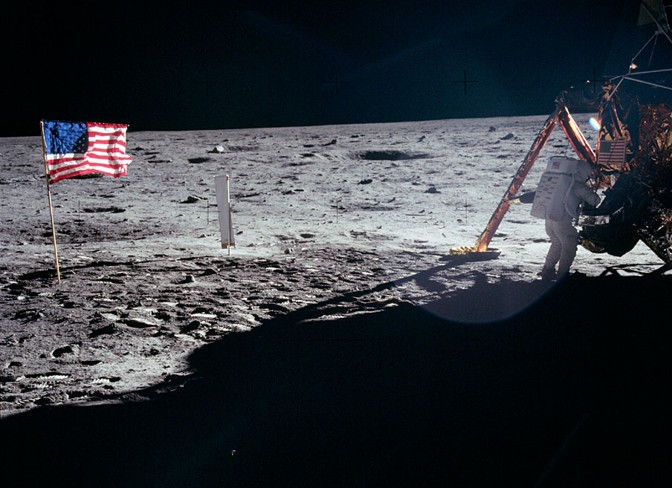
Happy Moon Day everyone
We came in peace for all mankind
73magicians_nephew
Another one from the small press/self published stack (actually I got it at a stall at last years Boston Book Festival.)
The Adventure of the Spook House is a nice piece of fan service and fan fantasy wish fulfillment.
Suppose that the legendary escape artist (and spiritualist debunker) Harry Houdini, and the creator of Sherlock Holmes, Sir Arthur Conan Doyle got drawn into tackling a mystery in the American Southland that may involve spiritualism and ghosts and voices from beyond.
Houdini and Doyle team up with a young female spirit medium who may be a fake (or may not be) but is smart and feisty and good company along the road.
It's a good thumping adventure and the author has done his homework - no real glaring anachronisms and the facts of Houdini's and Doyle's lives are accurately presented.
The problem is i guess that neither Houdini or Doyle come off as as very deep or engaging characters and the writing gets thrown off course showing of the author's research and forgetting about telling a good story. This would be a good script for a graphic novel, as a book it's a little thin.
Don't know if this is going to be a series - in which case maybe the next one will work out better.
But a B+ effort this time around. I enjoyed it - wish it had been better.
The Adventure of the Spook House is a nice piece of fan service and fan fantasy wish fulfillment.
Suppose that the legendary escape artist (and spiritualist debunker) Harry Houdini, and the creator of Sherlock Holmes, Sir Arthur Conan Doyle got drawn into tackling a mystery in the American Southland that may involve spiritualism and ghosts and voices from beyond.
Houdini and Doyle team up with a young female spirit medium who may be a fake (or may not be) but is smart and feisty and good company along the road.
It's a good thumping adventure and the author has done his homework - no real glaring anachronisms and the facts of Houdini's and Doyle's lives are accurately presented.
The problem is i guess that neither Houdini or Doyle come off as as very deep or engaging characters and the writing gets thrown off course showing of the author's research and forgetting about telling a good story. This would be a good script for a graphic novel, as a book it's a little thin.
Don't know if this is going to be a series - in which case maybe the next one will work out better.
But a B+ effort this time around. I enjoyed it - wish it had been better.
75Familyhistorian
Congrats on your recent retirement, Jim.
76PaulCranswick
>72 magicians_nephew: The moon hoax conspiracy theorists do my head in, Jim. Denying that such a landmark event for man even happened. Even the Russkies conceded on that.
77magicians_nephew
My Uptown Book Circle had a look at The Confessions of Nat Turner William Styron's Pullitzer prize book from a while ago. I confess to mixed feelings.
Plus Side : Styron lived in the south (and claimed a relative who had actually owned slaves back in the day) and his depiction of the day to day humiliations and frustrations of slavery ring true and bite deep. Even for a "house slave" or a skilled carpenter the automatic need to show deference leaves a bitter taste in the mouth. And the need to debase yourself before the various species of "white trash" southern menfolk.
We get a clear sense of what people can be like where there are no legal or societal restraints on their behavior - and it's not pretty. Even the "Good Masters" are Masters after all and can do what they like with their "property".
Styron is very good at showing the status of the upper South in the 1830's where planting tobacco and cotton has burnt the soil so that the only thing left to live on is selling slaves to plantations further south.
Styron is also very clear on the plight of the "freed slave". You take a man whose only skill set is cash-crop farming, and "free" him without any land of his own to farm s - and you free him into desperate poverty and hunger and despair. Styron is good about that too.
My problem as always is the character of Nat.
Our narrator is literate and articulate and self aware in a way that seems too much out of his time - too much of the 1960's Civil Rights movement that was taking place when Styron wrote. I don't believe him. He's too much an author's mouthpiece and not enough a living breathing character.
Styron deserves a lot of credit for bringing the Nat Turner "rebellion" out of the dusky history books and into common currency 21st century style. And he has done his research and done it well.
Recommended. Highly recommended. but.
Plus Side : Styron lived in the south (and claimed a relative who had actually owned slaves back in the day) and his depiction of the day to day humiliations and frustrations of slavery ring true and bite deep. Even for a "house slave" or a skilled carpenter the automatic need to show deference leaves a bitter taste in the mouth. And the need to debase yourself before the various species of "white trash" southern menfolk.
We get a clear sense of what people can be like where there are no legal or societal restraints on their behavior - and it's not pretty. Even the "Good Masters" are Masters after all and can do what they like with their "property".
Styron is very good at showing the status of the upper South in the 1830's where planting tobacco and cotton has burnt the soil so that the only thing left to live on is selling slaves to plantations further south.
Styron is also very clear on the plight of the "freed slave". You take a man whose only skill set is cash-crop farming, and "free" him without any land of his own to farm s - and you free him into desperate poverty and hunger and despair. Styron is good about that too.
My problem as always is the character of Nat.
Our narrator is literate and articulate and self aware in a way that seems too much out of his time - too much of the 1960's Civil Rights movement that was taking place when Styron wrote. I don't believe him. He's too much an author's mouthpiece and not enough a living breathing character.
Styron deserves a lot of credit for bringing the Nat Turner "rebellion" out of the dusky history books and into common currency 21st century style. And he has done his research and done it well.
Recommended. Highly recommended. but.
78magicians_nephew
A few years ago everybody on Library Thing was reading and raving about A Gentleman in Moscow. So i got a copy and read a few pages and then put it aside for laters.
An aristocratic Nobleman in the time after the Russian Revolution is sentenced to "house arrest" in a palatial elegant hotel. He lives his life there, for forty years, interacting with guests and staff and reminiscing about people he had known in the outside world. That's the book.
At first i was a little put off by our hero. Though he is kicked out of his spacious suite and made to live in a tiny room in the attic, he never really seems to be in trouble or broke or even muchly distressed by his confinement. Protocol and Good Manners are what seems most important to him and frankly a little of that goes a long way. He's a genial Spinx.
But you know - the book (and the Count) grew on me. You see him interacting with a lonely little girl, and he takes her under his wing with great sensitivity and compassion. I liked that about him.
And in time he meets a young actress who goes up and down in the world, and a seamstress tailor who labors in the bowels of the hotel, and later another little girl who he befriends and adopts and leads to safety at some risk to himself.
The writing is clear and graceful and really makes you feel the world of the hotel at time and the world changes outside its doors. You get a lot of information about the Count's friends and how they were treated in the whirlwind of the Red Revolution.
Some members of my Book Group found the book to be "fluffy" i.e just fluff and not serious writing. I dunno. The writing is lovely the characters are rich and complex, drawn sharply in just a few words, and and the ending of the book I gave a huge cheer and a huge sigh of relief.
Good book. If you have it on your "for laters" shelf now is not a bad time to dig it out and start in reading.
An aristocratic Nobleman in the time after the Russian Revolution is sentenced to "house arrest" in a palatial elegant hotel. He lives his life there, for forty years, interacting with guests and staff and reminiscing about people he had known in the outside world. That's the book.
At first i was a little put off by our hero. Though he is kicked out of his spacious suite and made to live in a tiny room in the attic, he never really seems to be in trouble or broke or even muchly distressed by his confinement. Protocol and Good Manners are what seems most important to him and frankly a little of that goes a long way. He's a genial Spinx.
But you know - the book (and the Count) grew on me. You see him interacting with a lonely little girl, and he takes her under his wing with great sensitivity and compassion. I liked that about him.
And in time he meets a young actress who goes up and down in the world, and a seamstress tailor who labors in the bowels of the hotel, and later another little girl who he befriends and adopts and leads to safety at some risk to himself.
The writing is clear and graceful and really makes you feel the world of the hotel at time and the world changes outside its doors. You get a lot of information about the Count's friends and how they were treated in the whirlwind of the Red Revolution.
Some members of my Book Group found the book to be "fluffy" i.e just fluff and not serious writing. I dunno. The writing is lovely the characters are rich and complex, drawn sharply in just a few words, and and the ending of the book I gave a huge cheer and a huge sigh of relief.
Good book. If you have it on your "for laters" shelf now is not a bad time to dig it out and start in reading.
After all, even in prison, a man can be quite free. His soul can be free. His personality can be untroubled. He can be at peace. He may keep the law, and yet be worthless. He may break the law, and yet be fine. He may be bad, without ever doing anything bad. He may commit a sin against society, and yet realize through that sin his true perfection.”
― Oscar Wilde,
79ronincats
>78 magicians_nephew: I don't read that much mainstream fiction, Jim, but I did really enjoy A Gentleman in Moscow. Congratulations on retirement--I've been retired for nine years now and enjoy it immensely. What are you planning to fill your time with?
80magicians_nephew
Thanks Roni. to be honest Not Sure Yet. But we are fortunate to live in New York City where many diversions beckon and to paraphrase, "If a person is tired of New York City, he is tired of life".
Yes when a book is the Big Thing that Everybody is Reading , I tend to put it aside for "laters".
But I did enjoy my time with the Gentleman and more than I thought I would
Yes when a book is the Big Thing that Everybody is Reading , I tend to put it aside for "laters".
But I did enjoy my time with the Gentleman and more than I thought I would
81magicians_nephew
Judy and I caught up with this lovely little PBS "American Masters" hour on the life and work of Ursula K. LeGuin.
Worlds of Ursula K. Leguin
Had a lot of good things to say about the author and about her battle to have "science fiction" and especially science fiction written by women taken seriously as literature
Worlds of Ursula K. Leguin
Had a lot of good things to say about the author and about her battle to have "science fiction" and especially science fiction written by women taken seriously as literature
82jnwelch
Retirement? That’s great, Jim. I’m one of those who loves it. Yes, I imagine you can find a diversion or two in that city where you hang out. 😄
I get your point about Nat Turner, although it was a good read for me. I’m glad the charm of A Gentleman in Moscow won you over. I’m trying to get Debbi to give it a go.
I get your point about Nat Turner, although it was a good read for me. I’m glad the charm of A Gentleman in Moscow won you over. I’m trying to get Debbi to give it a go.
83magicians_nephew
The Witch of Willow Hall is a lot of things that I like - it's a first novel, a historical novel, a New England Novel and not half bad writing neither.
Three young girls, Lidya. Emmeline and Catherine with their parents leave the Boston of 1812 under a cloud of family scandal. From the bustle and society of Boston they are reduced to the life in a small mill town out up country.
So of course she meets and falls in love with the only half presentable guy in the town, and there are ghosts and visions and whispered secrets and things that go bump in the night. The shy younger sister who likes to read books goes after the hot guy.
And packed along with the romance novel and the suspense novel there is a truly exciting a coming of age story about a girl who may be descended from a line of witches going back before Salem.
AS with a lot of first novels there is both too much plot and too much padding, and the story drags here and there. And some of the characters are very real and engaging and some are just stick figures there to move the plot along
Had the fun of meeting the author and talking New England history at last years Boston Book Festival. If this is first book of a series. I'm in.
Three young girls, Lidya. Emmeline and Catherine with their parents leave the Boston of 1812 under a cloud of family scandal. From the bustle and society of Boston they are reduced to the life in a small mill town out up country.
So of course she meets and falls in love with the only half presentable guy in the town, and there are ghosts and visions and whispered secrets and things that go bump in the night. The shy younger sister who likes to read books goes after the hot guy.
And packed along with the romance novel and the suspense novel there is a truly exciting a coming of age story about a girl who may be descended from a line of witches going back before Salem.
AS with a lot of first novels there is both too much plot and too much padding, and the story drags here and there. And some of the characters are very real and engaging and some are just stick figures there to move the plot along
Had the fun of meeting the author and talking New England history at last years Boston Book Festival. If this is first book of a series. I'm in.
By the pricking of my thumbs
Something wicked this way comes

85magicians_nephew
>24 magicians_nephew:
At least in part in response to revelations about Campbell's racism and general looniness discussed in Alec Nevla-Lee's book Astounding
the John W. Campbell award for new writing in science fiction will no longer bear his name.
John W Campbell award renamed
Looking forward to reading what the winner Jeanette Ng, is writing these days
At least in part in response to revelations about Campbell's racism and general looniness discussed in Alec Nevla-Lee's book Astounding
the John W. Campbell award for new writing in science fiction will no longer bear his name.
John W Campbell award renamed
Looking forward to reading what the winner Jeanette Ng, is writing these days
86magicians_nephew
The Man with the Golden Arm Nelson Algren's masterpiece, is known today mostly for the Frank Sinatra-Kim Novak movie, which got the grit and the despair right but burked the ending.
So my book group decided to take a look at the original novel, which won the FIRST National Book Award for Fiction back in the day. (1950)
We're on Division Street in Chicago, in the back room of a dirty broken down bar where Frankie Machine is dealing cards. He is the Man with the Golden Arm and he deals fast and clean and honestly to the crowd of hustlers and losers at the table.
His friend is Sparrow, a two time (many time) loser, petty thief and grifter who knows one more arrest and conviction will send him up for a long stretch.
And the women who follow them Molly-O and Sophie who drift from dream to failure without ever seeming to ever get their heads above water.
The portrait of poverty and hopelessness is deep and sharply drawn. These people have no way out of this dark cellar - and most of the time they know it. They survive - but there is no joy or love of trust or honesty in the rat's alleys they walk down.
The writing is intense and lyrical and poetic and draws you in. Like Eugene O'Neill, Algren knows and respects these broken down losers and sees them clearly.
He was a Communist and was briefly involved with Simone de Bouvier, to show his range.
Hard to recommend this book - its a tough read. But there are rewards here. Give it a try.
So my book group decided to take a look at the original novel, which won the FIRST National Book Award for Fiction back in the day. (1950)
We're on Division Street in Chicago, in the back room of a dirty broken down bar where Frankie Machine is dealing cards. He is the Man with the Golden Arm and he deals fast and clean and honestly to the crowd of hustlers and losers at the table.
His friend is Sparrow, a two time (many time) loser, petty thief and grifter who knows one more arrest and conviction will send him up for a long stretch.
And the women who follow them Molly-O and Sophie who drift from dream to failure without ever seeming to ever get their heads above water.
The portrait of poverty and hopelessness is deep and sharply drawn. These people have no way out of this dark cellar - and most of the time they know it. They survive - but there is no joy or love of trust or honesty in the rat's alleys they walk down.
The writing is intense and lyrical and poetic and draws you in. Like Eugene O'Neill, Algren knows and respects these broken down losers and sees them clearly.
He was a Communist and was briefly involved with Simone de Bouvier, to show his range.
Hard to recommend this book - its a tough read. But there are rewards here. Give it a try.
In the middle of the journey of our life I came to myself within a dark wood where the straight way was lost.
--Dante Alighieri
87ffortsa
>86 magicians_nephew: I read it for our book group, and then listened to it via an Audible recording that is truly wonderful. I got a lot more out of listening - strongly recommended.
88Familyhistorian
>86 magicians_nephew: Hmm, I've tentatively put The Man with the Golden Arm on my reading list. Will see how that goes. I hope you are finding lots of fun things to do in your retirement, Jim.
89magicians_nephew
Reading - re-reading actually - Timothy Crouse's remarkable book from the 1970's The Boys on the Bus
This is a document of the presidential campaign of 1968 between Richard Nixon and George McGovern, and mostly about the journalists (and journals) who covered it.
Journalists on the campaign trail then - and now too I assume - traveled on big long buses that trailed after the candidate on his "whistle stop" campaign appearances. In the days of Teddy Roosevelt, the reporter was expected to report on the size of the crowd, the weather and what the candidate said. With some honorable exceptions, things haven't changed much since then.
Crouse is good at describing the "pack" mentality of the journalistic crowd, and how easy it is for the pack to be manipulated by the candidate and his press team. If you think it all started with Sean Spicer, you'd be wrong
There is a whole glorious section about the time that Rolling Stone sent Hunter S. Thompson out on the campaign trail. Thompson saw no reason to play nice and filed vibrant, trumpeting copy much much more calling it like it was. (It was Thompson who famously wrote that "Ed Muskie campaigned like a farmer with terminal cancer trying to borrow money for next years crop". Not the kind of thing you'd see in the New York Times.
If Crouse was writing today he might have made note of the rise of the bloggers, who sometimes seem more interested in boosting their own brand than in covering the story, and the rise of Fox News. (Though if you think there was no conservative press in the 1970's Crouse will soon set you straight.)
As we go into a new presidential campaign season, this book is a good one for level setting.
This is a document of the presidential campaign of 1968 between Richard Nixon and George McGovern, and mostly about the journalists (and journals) who covered it.
Journalists on the campaign trail then - and now too I assume - traveled on big long buses that trailed after the candidate on his "whistle stop" campaign appearances. In the days of Teddy Roosevelt, the reporter was expected to report on the size of the crowd, the weather and what the candidate said. With some honorable exceptions, things haven't changed much since then.
Crouse is good at describing the "pack" mentality of the journalistic crowd, and how easy it is for the pack to be manipulated by the candidate and his press team. If you think it all started with Sean Spicer, you'd be wrong
There is a whole glorious section about the time that Rolling Stone sent Hunter S. Thompson out on the campaign trail. Thompson saw no reason to play nice and filed vibrant, trumpeting copy much much more calling it like it was. (It was Thompson who famously wrote that "Ed Muskie campaigned like a farmer with terminal cancer trying to borrow money for next years crop". Not the kind of thing you'd see in the New York Times.
If Crouse was writing today he might have made note of the rise of the bloggers, who sometimes seem more interested in boosting their own brand than in covering the story, and the rise of Fox News. (Though if you think there was no conservative press in the 1970's Crouse will soon set you straight.)
As we go into a new presidential campaign season, this book is a good one for level setting.
In my day a reporter who took an assignment was wholly on his own until he got back to the office, and even then he was little molested until his copy was turned in at the desk; today he tends to become only a homunculus at the end of a telephone wire, and the reduction of his observations to prose is commonly farmed out to literary castrati who never leave the office, and hence never feel the wind of the world in their faces or see anything with their own eyes.
-- H. L. Mencken
90PaulCranswick
>89 magicians_nephew: I must look out for that one Jim; looks absolutely fascinating.
Have a great weekend.
Have a great weekend.
91The_Hibernator
>84 magicians_nephew: yeah, I feel the same way
92ronincats
>85 magicians_nephew: I had nearly forgotten that I picked up Astounding last year when it came out. I had just finished a nonfiction and hadn't decided what one to pick up to replace it, but this is gonna be it!
93Familyhistorian
>89 magicians_nephew: The Boys on the Bus looks like an interesting one, Jim. I wonder if there are comparable books about much later campaigns. Which leads me to the thought that I wonder if there are books about campaigns in Canada that get down to the nitty gritty of life on the campaign trail.
94magicians_nephew
>93 Familyhistorian: Meg, someone wrote a companion piece called The Girls in the Van which was basically about the female reporters who covered Hillary Clinton for her New York State senate run and after.
It's an OK book but not the eye-opening story that Crouse's book was.
I suspect that places like Canada and England with their shorter election cycles and Parliamentary forms of government don't put on such a good circus or have such interesting port-mortems
It's an OK book but not the eye-opening story that Crouse's book was.
I suspect that places like Canada and England with their shorter election cycles and Parliamentary forms of government don't put on such a good circus or have such interesting port-mortems
95Familyhistorian
>94 magicians_nephew: I know what you mean about the shorter election cycles. Can't wrap my head around the US system no matter how hard I try (not that I really try that hard). All I know is that the electoral process there seems to go on for ever! England has some circus-like events though - look at the on going drama that is Brexit. Although that isn't electoral it is still a political extravaganza.
96magicians_nephew
There are some books that everybody "Knows" but nobody has ever actually read.
Such a book is The Picture of Dorian Gray the one and only novel written by the one and only Oscar Wilde
Everyone knows the story -- young beautiful (innocent?) man about town in London has his portrait painted, sees the results and wishes he could remain young and beautiful forever. And through some magic, he gets his wish - while the painting grows old and foul and debauched in his place.
Reading this short book I was struck by the flamboyant, elegant and sometimes florid writing - the meals the clothes the people are velvet and rococo and almost operatic -- and each curl and brushstroke is described in rich and loving detail.
Wilde was born into society but also born Irish (And born gay) so he could be at once the insider and the man outside looking in.
It's a good story that misses being great by inches. I think Wilde didn't know quite what he felt about Dorian - envious? disgusted? and the uncertainty shows. As in many books the devil gets the best lines and there are Wildean epigram's a plenty here. And the veiled homosexuality really isn't veiled much at all.
(Is homosexuality Dorian's sin? Hmmmm.)
(is Hedonism bad?)
The book is slow and languid as a fever dream and the characters struggle to be more than the author's puppets. I have more than a grain of sympathy for Dorian, even as he descends and descends into murder and nightmare.
This is a photo of the painting used in the movie from the 1940's now in the Chicago Art Institute.

Such a book is The Picture of Dorian Gray the one and only novel written by the one and only Oscar Wilde
Everyone knows the story -- young beautiful (innocent?) man about town in London has his portrait painted, sees the results and wishes he could remain young and beautiful forever. And through some magic, he gets his wish - while the painting grows old and foul and debauched in his place.
Reading this short book I was struck by the flamboyant, elegant and sometimes florid writing - the meals the clothes the people are velvet and rococo and almost operatic -- and each curl and brushstroke is described in rich and loving detail.
Wilde was born into society but also born Irish (And born gay) so he could be at once the insider and the man outside looking in.
It's a good story that misses being great by inches. I think Wilde didn't know quite what he felt about Dorian - envious? disgusted? and the uncertainty shows. As in many books the devil gets the best lines and there are Wildean epigram's a plenty here. And the veiled homosexuality really isn't veiled much at all.
(Is homosexuality Dorian's sin? Hmmmm.)
(is Hedonism bad?)
The book is slow and languid as a fever dream and the characters struggle to be more than the author's puppets. I have more than a grain of sympathy for Dorian, even as he descends and descends into murder and nightmare.
This is a photo of the painting used in the movie from the 1940's now in the Chicago Art Institute.

97katiekrug
>96 magicians_nephew: - I read it for the first time a couple of years ago. Agree it's good but misses being great. Nice review!
98jnwelch
>96 magicians_nephew: That painting's even more awful in person, isn't it.
99magicians_nephew
>98 jnwelch: first time I turned the corner at the museum and saw it I was poleaxed.
100magicians_nephew
My 100th posting is a LT Early Reader book and a book with a lot going onl.
Kevin Crossley-Holland is a storyteller and a poet and a scholar of legend and lore. All three spirits strive together in his making of this book, Between Worlds a collection of short retellings of Irish and British folk tale and fairy stories
He tells some oldies but goodies and tells them with a poet's ear and a storyteller's tongue. You may have to look twice to see that "Tom Tit Tot" is our old friend Rumpelstiltskin, but the tale seems fresh and lively all the same. Balance that with a lot of tellings new and wondrous to me, and a hundred thousand welcomes and glad to make your acquaintance. If you enjoy storytelling as performance this is your new favorite source book.
If there's a flaw in this cozy little volume it's that sometimes the scholar and the folklorist elbows in ahead of the poet, and some of the tales are dryer and - well, less memorable -- as a result. (The facts are there but no the magic.) But the bulk of the book is lovely and graceful and good to keep on your bedside table to late night browsing.
Tasty. and a keeper
Kevin Crossley-Holland is a storyteller and a poet and a scholar of legend and lore. All three spirits strive together in his making of this book, Between Worlds a collection of short retellings of Irish and British folk tale and fairy stories
He tells some oldies but goodies and tells them with a poet's ear and a storyteller's tongue. You may have to look twice to see that "Tom Tit Tot" is our old friend Rumpelstiltskin, but the tale seems fresh and lively all the same. Balance that with a lot of tellings new and wondrous to me, and a hundred thousand welcomes and glad to make your acquaintance. If you enjoy storytelling as performance this is your new favorite source book.
If there's a flaw in this cozy little volume it's that sometimes the scholar and the folklorist elbows in ahead of the poet, and some of the tales are dryer and - well, less memorable -- as a result. (The facts are there but no the magic.) But the bulk of the book is lovely and graceful and good to keep on your bedside table to late night browsing.
Tasty. and a keeper
“Stories are for joining the past to the future. Stories are for those late hours in the night when you can't remember how you got from where you were to where you are. Stories are for eternity, when memory is erased, when there is nothing to remember except the story.”
--Tim O'Brien
101magicians_nephew
Having fun with a new book that is just a picnic for word lovers.
Dreyer's English is a sort of memoir and chapbook by a man who was for years the chief copy editor over at Random House.
The first half of the book is the memoir of famous books and authors he worked with and in passing some of the classic "copy editor" gremlins that frequently come up. This is done with a droll and self-deprecating style that is both informative and very fun to read.
The second half of the book is more just "Do this" and "Don't do that" it's useful and the books index is first rate but it's not quite as much fun as the first half.
But a lovely book to have on your night table and dip into here and there. And learn something.
Dreyer's English is a sort of memoir and chapbook by a man who was for years the chief copy editor over at Random House.
The first half of the book is the memoir of famous books and authors he worked with and in passing some of the classic "copy editor" gremlins that frequently come up. This is done with a droll and self-deprecating style that is both informative and very fun to read.
The second half of the book is more just "Do this" and "Don't do that" it's useful and the books index is first rate but it's not quite as much fun as the first half.
But a lovely book to have on your night table and dip into here and there. And learn something.
“The things I like best in T. S. Eliot’s poetry, especially in the Four Quartets, are the semicolons. You cannot hear them, but they are there, laying out the connections between the images and the ideas. Sometimes you get a glimpse of a semicolon coming, a few lines farther on, and it is like climbing a steep path through woods and seeing a wooden bench just at a bend in the road ahead, a place where you can expect to sit for a moment, catching your breath.”-- Benjamin Dreyer
102magicians_nephew
Stephen Ambrose is a distinguished historian and a heck of an interesting speaker.
When his Nothing like it in the world, the story of the making of the Transcontinental Railroad fell into my lap I was looking forward to a crackling good read. And I do love trains.
But this one just - well - never really got up a good head of steam for me. There are a lot of interesting larger than life characters here, and Ambrose somehow makes them - well - smaller than life.
He gets the role of the Chinese immigrants right - at a time when California was trying to limit immigration the railroad people sent a ship at their own expense to bring in more Chinese laborers. And the Chinese knew explosives and how to blast tunnels and probably saved the CP weeks if not months with their expertise and their hard work.
He gets all the little facts right but never gets around to telling the big picture.
Sometimes the rhythm of the engine click clacking along the rails is rich and elegiac - and sometimes the writing in this is too. But mile after mile of it can get to be a bore.
Your mileage may vary.
When his Nothing like it in the world, the story of the making of the Transcontinental Railroad fell into my lap I was looking forward to a crackling good read. And I do love trains.
But this one just - well - never really got up a good head of steam for me. There are a lot of interesting larger than life characters here, and Ambrose somehow makes them - well - smaller than life.
He gets the role of the Chinese immigrants right - at a time when California was trying to limit immigration the railroad people sent a ship at their own expense to bring in more Chinese laborers. And the Chinese knew explosives and how to blast tunnels and probably saved the CP weeks if not months with their expertise and their hard work.
He gets all the little facts right but never gets around to telling the big picture.
Sometimes the rhythm of the engine click clacking along the rails is rich and elegiac - and sometimes the writing in this is too. But mile after mile of it can get to be a bore.
Your mileage may vary.
Rolling, Rolling
On to Promontory Utah we are rolling
Through the prairie grass and the mountain pass
Breaking trail for the rail and the iron wheel.
Tying east to west, with a ribbon of steel
-- Johnny Cash
103The_Hibernator
I've read a few by Ambrose. I'm glad he survived that plagiarism issue many years ago. I feel like he sunk from popularity for a while after that.
104magicians_nephew
Catching up with the books I have been reading in the Month of November.
Joseph Ellis set himself a not very easy task - write a one volume life of George Washington. There is so much material available to the historian that the challenge is what to put in and what you choose to leave out.
So the book His Excellency, starts out compromised. To cover Washington's military career in the revolution in one chapter a LOT of things get left out. Ellis tries to cast Washington's not-so-great generalship as "Fabian" - which is a fancy way of saying that the goal is not to win but to "not lose". Washington lost more battles than he won - but he (with a lot of help) won the war. OK
Half the fun of the Washington papers is going through his public pronouncements and figuring which ones were written by Jefferson and which ones were written by Hamilton. It may have been Washington's genius as president to know when to let Hamilton take the lead and when to let Jefferson run things.
Ellis' credits Washington the farm owner for getting out of "cash crops" that could only be sold to London factors - at their prices - and tries to point to this as the germ of Washington's desire for independence. Maybe. But even Ellis has to report that Mount Vernon, weighed down by the burden of inefficient slave labor, barely made ends meet.
If you haven't read anything much else about The Father of our Country, this is not a bad place to start. But it leaves out a lot!
Joseph Ellis set himself a not very easy task - write a one volume life of George Washington. There is so much material available to the historian that the challenge is what to put in and what you choose to leave out.
So the book His Excellency, starts out compromised. To cover Washington's military career in the revolution in one chapter a LOT of things get left out. Ellis tries to cast Washington's not-so-great generalship as "Fabian" - which is a fancy way of saying that the goal is not to win but to "not lose". Washington lost more battles than he won - but he (with a lot of help) won the war. OK
Half the fun of the Washington papers is going through his public pronouncements and figuring which ones were written by Jefferson and which ones were written by Hamilton. It may have been Washington's genius as president to know when to let Hamilton take the lead and when to let Jefferson run things.
Ellis' credits Washington the farm owner for getting out of "cash crops" that could only be sold to London factors - at their prices - and tries to point to this as the germ of Washington's desire for independence. Maybe. But even Ellis has to report that Mount Vernon, weighed down by the burden of inefficient slave labor, barely made ends meet.
If you haven't read anything much else about The Father of our Country, this is not a bad place to start. But it leaves out a lot!
We should not look back unless it is to derive useful lessons from past errors, and for the purpose of profiting by dearly bought experience.
-- George Washington
105magicians_nephew

Thanksgiving is a time to give thanks - and a time to remember others less fortunate.
This is a Norman Rockwell cover from 1943 called "Refugee Thanksgiving".
Happy Thanksgiving and much love to all my LT friends
106magicians_nephew
As a recently retired computer programmer who learned his trade "back in the day" I was curious to see how kids are being introduced to this strange art called "writing computer programs" nowadays. And this book fell into my lap.
It gives the reader a quick intro to HTML (The language of Internet web sites) and JavaScript (The procedural language behind some Internet web sites). So thats good.
But I dunno. It's far from clear what the age audience for cheerful brightly colored volume is? Would younger kids have the patience to type in all this code? And get it right? Would older kids be interested in these rather simple games?
A kid who read this book and worked the exercises would come out of the other end with some simple working games to show his friends.
And some understanding of how it all works under the covers. And maybe some curiosity sparked to look for more and go forward..
There's not enough here about debugging and solving the problems that come up (inevitably) when you sit down to write computer code. So a lot of kids (unless they have help from some friendly adults) might get frustrated and put the book aside.
But maybe this will be the gateway into computer programming.
I'm not satisfied by this book, but I can't for the life of me think of any way to make it better.
And so it goes.
It gives the reader a quick intro to HTML (The language of Internet web sites) and JavaScript (The procedural language behind some Internet web sites). So thats good.
But I dunno. It's far from clear what the age audience for cheerful brightly colored volume is? Would younger kids have the patience to type in all this code? And get it right? Would older kids be interested in these rather simple games?
A kid who read this book and worked the exercises would come out of the other end with some simple working games to show his friends.
And some understanding of how it all works under the covers. And maybe some curiosity sparked to look for more and go forward..
There's not enough here about debugging and solving the problems that come up (inevitably) when you sit down to write computer code. So a lot of kids (unless they have help from some friendly adults) might get frustrated and put the book aside.
But maybe this will be the gateway into computer programming.
I'm not satisfied by this book, but I can't for the life of me think of any way to make it better.
And so it goes.
107Familyhistorian
>96 magicians_nephew: I've never seen the portrait of Dorian Grey before. Not pretty, is it? Too bad the book about railroad history didn't work for you. It sounded like it would be interesting.
108magicians_nephew
Is Richard reading this?
I don't know why Dickens' "A Christmas Carol" moves me as much as it does. It is a rarity - a angry polemic work of fiction wrapped in a fairy tale. Even the simplest reading or dramatization in a bare church basement can move me almost to tears.
So every year about this time I put on my own little Christmas pageant. For a treat and a glory so many of the wonderful tellings of this complex little tale are available on home DVD.
First there is the charming and joyous "Mister Magoo's Christmas Carol" borne along by Julie Stein and Bob Merrill's Broadway caliber songs and everyone's Broadway caliber performance.
Then a look back to the early days and Alistair Sims in the classic British "Carol" , newly reissued in a crisp sharp black and white and full of lovely subtle performances that move the story gracefully along to its bell joyous jangling conclusion.
So many good versions to choose from. I'm sneakily partial to Bill Murray in his tart modern "Scrooged" mostly for the delights of Carol Kane and David Johansen as the two spirits and Murray himself strong and dark and vibrant until the turning of the ways. I was fortunate to hear the stirring Patrick Stewart do a reading acting one man show of it on Broadway too many years ago.
This year we had the joy of seeing Campbell Scott, George C's son, in a boisterous funny new Music Hall production with songs and dance and many interesting sidelighs into the characters and the story.
My favorite has always been George C. Scott's strong well written production from the 1980's that brings out lovely details of Fred and Belle and other minor characters. After Sim this is probably the most richly British production and a great cast makes the story very rich and very moving.
God Bless us, every one!
I don't know why Dickens' "A Christmas Carol" moves me as much as it does. It is a rarity - a angry polemic work of fiction wrapped in a fairy tale. Even the simplest reading or dramatization in a bare church basement can move me almost to tears.
So every year about this time I put on my own little Christmas pageant. For a treat and a glory so many of the wonderful tellings of this complex little tale are available on home DVD.
First there is the charming and joyous "Mister Magoo's Christmas Carol" borne along by Julie Stein and Bob Merrill's Broadway caliber songs and everyone's Broadway caliber performance.
Then a look back to the early days and Alistair Sims in the classic British "Carol" , newly reissued in a crisp sharp black and white and full of lovely subtle performances that move the story gracefully along to its bell joyous jangling conclusion.
So many good versions to choose from. I'm sneakily partial to Bill Murray in his tart modern "Scrooged" mostly for the delights of Carol Kane and David Johansen as the two spirits and Murray himself strong and dark and vibrant until the turning of the ways. I was fortunate to hear the stirring Patrick Stewart do a reading acting one man show of it on Broadway too many years ago.
This year we had the joy of seeing Campbell Scott, George C's son, in a boisterous funny new Music Hall production with songs and dance and many interesting sidelighs into the characters and the story.
My favorite has always been George C. Scott's strong well written production from the 1980's that brings out lovely details of Fred and Belle and other minor characters. After Sim this is probably the most richly British production and a great cast makes the story very rich and very moving.
God Bless us, every one!
109katiekrug
>108 magicians_nephew: - When I was growing up, my father made us watch the Alastair Sim version every year. It played on the local PBS station late Christmas morning. I usually had my nose buried in a new book...
My favorite version is A Muppet Christmas Carol :)
At boarding school, the Saturday before winter break, the faculty would do a fireside evening reading in the library by candlelight. It's the first time I remember getting really into the story.
My favorite version is A Muppet Christmas Carol :)
At boarding school, the Saturday before winter break, the faculty would do a fireside evening reading in the library by candlelight. It's the first time I remember getting really into the story.
110drneutron
>108 magicians_nephew:, >109 katiekrug: The George C. Scott one is my fave! I try to watch it every year.
111magicians_nephew
Arrrrgh! Just wrote a long piece about Carol Berkin's wonderful book A Brilliant Solution and then i hit the wrong button and the whole thing vanished into the ether. Grump!
In the midst of the current discussion of the powers and privileges of the President, Berkin's book on the Constitutional Convention of 1787 is a useful setting of levels.
The founders had just gotten themselves out from under a monarchy with a king who was arbitrary, indifferent and more than a little mad. They were NOT going to set up a "Chief Magistrate" without having a pretty good idea of what they were getting.
Of course Catherine Drinker Bowen's Miracle at Philadelphia is the ur-text about this event.
But Berkin's chapter about the powers of the presidency and the checks and balances on the office is solid and thoughtful. The electoral college was one of the checks - that we are living with today.
And the brief little article about impeachment - well the debate around how to rein in a rogue president without tying the hands of a decent one is worth listening to even two hundred years later.
The fear of an Imperial presidency - or a corrupt presidency or a foreign influenced presidency -- is not new. This book is a good reminder that good men can disagree and come together and make something, after all.
If only we had some folks like this around today.
In the midst of the current discussion of the powers and privileges of the President, Berkin's book on the Constitutional Convention of 1787 is a useful setting of levels.
The founders had just gotten themselves out from under a monarchy with a king who was arbitrary, indifferent and more than a little mad. They were NOT going to set up a "Chief Magistrate" without having a pretty good idea of what they were getting.
Of course Catherine Drinker Bowen's Miracle at Philadelphia is the ur-text about this event.
But Berkin's chapter about the powers of the presidency and the checks and balances on the office is solid and thoughtful. The electoral college was one of the checks - that we are living with today.
And the brief little article about impeachment - well the debate around how to rein in a rogue president without tying the hands of a decent one is worth listening to even two hundred years later.
The fear of an Imperial presidency - or a corrupt presidency or a foreign influenced presidency -- is not new. This book is a good reminder that good men can disagree and come together and make something, after all.
If only we had some folks like this around today.
112magicians_nephew

The winter solstice is my favorite time of the year. After the long night of darkness the sun returns - the promise is kept.
Wishing all all my LT friends a warm and peaceful Solstice and a New Year filled with joy.
113magicians_nephew

The Tenement Museum is one of the little known wonders of New York City. They got their mitts on an old about to be demolished tenement building on Orchard Street on the lower east side, and did a renovation / restoration job to show what apartments and workplaces were like for the new immigrants around the turn on the century.
The street level is a wonderful bookstore and gift shop.
When we were there last month (to see their "Sweatshop Workers" tour) I picked up this book . Flapper is a solid and fascinating story of the 1920's and the girls who came to the city and re-invented themselves as modern 20th century women.
Of course the book talks about Zelda Fitzgerald, and Clara Bow amd Louise Brooks and the less well know now "Lipstick" who wrote a society column for the new New Yorker magazine.
Interesting things to say about women and America and how we got from there to here.
114magicians_nephew

Gramercy Park is a small private enclave of greenery in New York City usually closed off to all but members of the park community in the neighborhood.
Last night they opened the park briefly to all comers and had people singing Christmas Carols around a tree.
God rest ye Merry, everyone. Let nothing you dismay. And Merry Christmas to all my LT friends!
115ronincats
Whether you celebrate Christmas, Hanukkah, Solstice, some other tradition or none at all, this is what I wish for you!


116PaulCranswick

Thank you for keeping me company in 2019.......onward to 2020.
118The_Hibernator
Hi Jim! Hope you're having a wonderful holiday season! See you in 2020!

120magicians_nephew
Just a couple of books to DNF and to regret.
Nicholas Myers wrote one of my very favorite Sherlock Holmes stories The Seven Per Cent Solution hooking Holmes and Watson up with Sigmund Freud and managing to be true to the spirit and the humor of the original tales.
So when The Adventure of the Peculiar Protocols showed up I had to give it a try. But it's leaden and slow moving built around "The Procotols of the Elders of Zion" and having everybody being shocked - shocked that there is Anti Semitism in England in the 1880's. Mycroft shows up too, but it never really gets going, and I put it down.
Then there is Art in the Blood which takes Holmes and Watson to the Continent and has a surprisingly spritely Mrs. Watson taking an active role in the case. But the writing is flat and the characters are the same old and the same old, and I just couldn't take any more
Back to the original Adventures and Tales for a palate cleanser. The Game's afoot!
Nicholas Myers wrote one of my very favorite Sherlock Holmes stories The Seven Per Cent Solution hooking Holmes and Watson up with Sigmund Freud and managing to be true to the spirit and the humor of the original tales.
So when The Adventure of the Peculiar Protocols showed up I had to give it a try. But it's leaden and slow moving built around "The Procotols of the Elders of Zion" and having everybody being shocked - shocked that there is Anti Semitism in England in the 1880's. Mycroft shows up too, but it never really gets going, and I put it down.
Then there is Art in the Blood which takes Holmes and Watson to the Continent and has a surprisingly spritely Mrs. Watson taking an active role in the case. But the writing is flat and the characters are the same old and the same old, and I just couldn't take any more
Back to the original Adventures and Tales for a palate cleanser. The Game's afoot!
So they still live for all that love them well, in a romantic chamber of the heart, in a nostalgic country of the mind, where it is always 1895
-- Vincert Starret
121magicians_nephew

and reading new books, of course. Happy New Year to all. See you on the flip side

