Beth (BLBera) Reads in 2026 - Part 3
This is a continuation of the topic Beth (BLBera) Reads in 2026 - Part 2.
Talk 75 Books Challenge for 2026
Join LibraryThing to post.
1BLBera

by Winslow Homer – one of my favorite women reading pictures – I love it so much I am using it again.
My name is Beth, and I am a retired English instructor. I love retirement, especially being able to travel during the school year! In 2025 I went Scotland and Iceland to celebrate my 70th birthday. Besides travel and reading, I also like to sew and spend time with my granddaughter Scout -- who is TWELVE. She is almost as tall as I am.
I read eclectically, mostly fiction, but I do tend to have some poetry or nonfiction going as well. I belong to a book club that has been going since 2002, and I sometimes do group reads here on LT. Otherwise I don't plan my reading. I always resolve to read more from my shelves, but those shiny new library books do distract me.
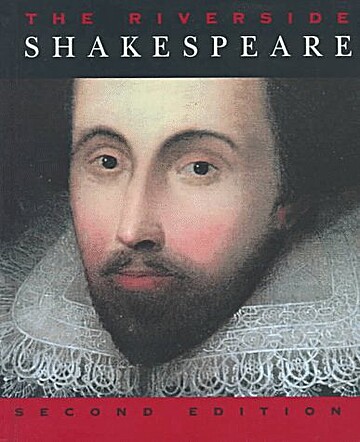
In 2026, my goals are to continue my rereading of Shakespeare's plays and to read books from my shelves.



3BLBera
Read in 2026
Quarter 1

1. Emmeline, The Orphan of the Castle*
2. Wolf Bells*
3. Bog Queen
4. Atavists: Stories
5. Dreams from My Father*🎧
6. Sacrament 💜
7. The Unswept Room*
8. The Fifth Season*
9. Wild Dark Shore 💜
10. Charlotte Smith and the Sonnet
11. The Lark*
January Books
Books read: 11
By women: 10
By men: 1
Novels: 7
Poems: 1
Memoir: 1
Short stories: 1
Nonfiction: 1
Library: 5
From my shelves: 6
Best of the month: Sacrament and Wild Dark Shore

12. Give Unto Others*
13. Mecca 🎧 REREAD 💜
14. At Midnight Comes the Cry
15. One Aladdin Two Lamps 💜
16. Audition
17. The Life of Harriot Stuart Written By Herself
18. Trickster's Point* 🎧
19. Fonseca 💜
20. The House of the Spirits*💜
February Books
Books read: 9
By women: 8
By men: 1
Novels: 8
Essays: 1
Library: 6
From my shelves: 3
It was a good reading month. I loved One Aladdin Two Lamps, Fonseca and The House of the Spirits. Mecca held up well on rereading. The biggest disappointment was Audition. It left me cold.

21. Dirty Thirty 🎧
22. Helm 💜
23. The Last of Earth
24. Dominion
25. The Stone Gods* 💜
26. Kingdom of Olives and Ash*
27. What Darkness Brings*
28. Isola* 💜
29. Sandwich*
30. Gloria Don't Speak*
31. Guilty by Definition*
32. All the Water in the World*
33. A Guardian and a Thief
March Reading
Books read: 13
By women: 12
By couple: 1
Novels: 12
Essays: 1
Library: 5
From my shelves: 8
It was a good reading month. Highlights were Helm, The Stone Gods and Isola.
*From my shelves
💜 Favorite
Quarter 1

1. Emmeline, The Orphan of the Castle*
2. Wolf Bells*
3. Bog Queen
4. Atavists: Stories
5. Dreams from My Father*🎧
6. Sacrament 💜
7. The Unswept Room*
8. The Fifth Season*
9. Wild Dark Shore 💜
10. Charlotte Smith and the Sonnet
11. The Lark*
January Books
Books read: 11
By women: 10
By men: 1
Novels: 7
Poems: 1
Memoir: 1
Short stories: 1
Nonfiction: 1
Library: 5
From my shelves: 6
Best of the month: Sacrament and Wild Dark Shore
12. Give Unto Others*
13. Mecca 🎧 REREAD 💜
14. At Midnight Comes the Cry
15. One Aladdin Two Lamps 💜
16. Audition
17. The Life of Harriot Stuart Written By Herself
18. Trickster's Point* 🎧
19. Fonseca 💜
20. The House of the Spirits*💜
February Books
Books read: 9
By women: 8
By men: 1
Novels: 8
Essays: 1
Library: 6
From my shelves: 3
It was a good reading month. I loved One Aladdin Two Lamps, Fonseca and The House of the Spirits. Mecca held up well on rereading. The biggest disappointment was Audition. It left me cold.

21. Dirty Thirty 🎧
22. Helm 💜
23. The Last of Earth
24. Dominion
25. The Stone Gods* 💜
26. Kingdom of Olives and Ash*
27. What Darkness Brings*
28. Isola* 💜
29. Sandwich*
30. Gloria Don't Speak*
31. Guilty by Definition*
32. All the Water in the World*
33. A Guardian and a Thief
March Reading
Books read: 13
By women: 12
By couple: 1
Novels: 12
Essays: 1
Library: 5
From my shelves: 8
It was a good reading month. Highlights were Helm, The Stone Gods and Isola.
*From my shelves
💜 Favorite
4BLBera
Read in 2026
Quarter 2

34. Hungered*
35. The Life and Death of King John*
36. When the Cranes Fly South*
37. Ship Fever* 💜
38. A Beast Slinks Towards Beijing
39. The Correspondent*
40. The Killing Stones
41. Moderation 💜
42. The Keeper
43. The Unselected Journals of Emma M. Lion 🎧
44. You Glow in the Dark
April Reading
Books read: 11
By women: 10
By men: 1
Novels: 8
Short stories: 2
Play: 1
In translation: 2
Library: 6
From my shelves: 5
Best of the month: Moderation and Ship Fever

45. Lightning Strikes the Silence
46. Butterflies in November*
47. Shakespeare in Bloomsbury*
48. Platform Decay 🎧
49. Revenge Prey
50. The Mercy Step* 💜
51. The Merchant of Venice*
52. So Shall You Reap* 🎧
53. Raising Hare
54. Language as Liberation
May Reading
Books read: 10
By women: 8
By men: 2
Novels: 6
Drama: 1
Memoir: 1
Nonfiction: 2
Translation: 1
Library: 5
From my shelves: 5
Best of the month: The Mercy Step

55. Flashlight*
*From my shelves
💜 Favorite
Quarter 2
34. Hungered*
35. The Life and Death of King John*
36. When the Cranes Fly South*
37. Ship Fever* 💜
38. A Beast Slinks Towards Beijing
39. The Correspondent*
40. The Killing Stones
41. Moderation 💜
42. The Keeper
43. The Unselected Journals of Emma M. Lion 🎧
44. You Glow in the Dark
April Reading
Books read: 11
By women: 10
By men: 1
Novels: 8
Short stories: 2
Play: 1
In translation: 2
Library: 6
From my shelves: 5
Best of the month: Moderation and Ship Fever
45. Lightning Strikes the Silence
46. Butterflies in November*
47. Shakespeare in Bloomsbury*
48. Platform Decay 🎧
49. Revenge Prey
50. The Mercy Step* 💜
51. The Merchant of Venice*
52. So Shall You Reap* 🎧
53. Raising Hare
54. Language as Liberation
May Reading
Books read: 10
By women: 8
By men: 2
Novels: 6
Drama: 1
Memoir: 1
Nonfiction: 2
Translation: 1
Library: 5
From my shelves: 5
Best of the month: The Mercy Step
55. Flashlight*
*From my shelves
💜 Favorite
5BLBera

Plans/Goals
Book Club
January: Because of Winn-Dixie by Kate DiCamillo 📌
February: The Lark by E. Nesbit 📌
March: Kingdom of Olives and Ash ed. Michael Chabon and Ayelet Waldman 📌
April: Ship Fever by Andrea Barrett 📌
May: Butterflies in November by Auður A. Ólafsdóttir 📌
June: Edith Wharton month – read anything you’d like by Wharton
Shared LT reads
January: The Fifth Season 📌
February: The House of Spirits 📌
April: When the Cranes Fly South 📌
March: The Stone Gods 📌
May: Raising Hare 📌
June: The Painted Drum
July: Endling
Wishlisted from others
The Poppy War - Lisa
There Once Lived a Mother Who Loved Her Children Until They Moved Back In - Alison
Coming Up Short - SqueakyChu
The Little White Horse - Joyce
Keats: A Brief Life in Nine Poems - Jennifer
The Sleeping Car Porter - Betty
Cursed Daughters - Vivian
A Flower Traveled in My Blood - Vivian
Written on the Body - Rhonda
Rules for Visiting- Katie
Hagstone - Alison
Another Marvelous Thing - Vivian
Angel Down - Vivian
Indigenous Continent - Jennifer
Some books I eagerly await in 2026:
Ali Smith's companion to Gliff
Maggie O'Farrell's new novel
Exit Party by Emily St. John Mandel
The Last of Earth 📌
The Old Fire
Language as Liberation 📌
Autobiography of Cotton
I Give You My Silence
A Marsh Island
Partita
Ruins
Whistler
Déy
Earth 7
6BLBera
Lists
Walter Scott Prize for Historical Fiction
(Thanks Vivian)
Venetian Vespers John Banville
The Two Roberts Damian Barr
Eden's Shore Oisín Fagan
Helm Sarah Hall 📌
The Pretender Jo Harkin
Boundary Waters Tristan Hughes
The Matchbox Girl Alice Jolly
Edenglassie Melissa Lucashenko
Benbecula Graeme Macrae Burnet
Once the Deed Is Done Rachel Seiffert
The Artist Lucy Steeds
Seascraper Benjamin Wood
Climate Fiction Prize Longlist
Dusk by Robbie Arnott
Every Version of You by Grace Chan
The Tiger’s Share by Keshava Guha
Helm by Sarah Hall 📌
Albion by Anna Hope
Awake in the Floating City by Susanna Kwan
The Price of Everything by Jon McGoran
Hum by Helen Phillips
Endling by Maria Reva
The Book of Records by Madeleine Thien
Juice by Tim Winton
Sunbirth by An Yu
Dublin Literary Award
Gliff 📌
In Late Summer
Live Fast
Perspective(s)
The Emperor of Gladness
What I Know About You
Women's Prize for Nonfiction Longlist
Daughters of the Bamboo Grove: China’s Stolen Children and a Story of Separated Twins by Barbara Demick
The Finest Hotel in Kabul: A People’s History of Afghanistan by Lyse Doucet SL
Don’t Let It Break You, Honey: A Memoir About Saving Yourself by Jenny Evans
Art Cure: The Science of How the Arts Transform Our Health by Daisy Fancourt SL
With the Law on Our Side: How the Law Works for Everyone and How We Can Make It Work Better by Lady Hale
To Be Young, Gifted and Black: Creativity and Race in the 21st Century by Kadiatu Kanneh-Mason
Artists, Siblings, Visionaries: The Lives and Loves of Gwen and Augustus John by Judith Mackrell SL
Ask Me How It Works: Love in an Open Marriage by Deepa Paul
Death of an Ordinary Man by Sarah Perry
The Genius of Trees: How Trees Mastered the Elements and Shaped the World by Harriet Rix
Hotel Exile: Paris in the Shadow of War by Jane Rogoyska SL
Mother Mary Comes to Me by Arundhati Roy (published by Hamish Hamilton, Penguin General, Penguin Random House UK) SL
Finding Albion: Myth, Folklore and the Quest for a Hidden Britain by Zakia Sewell
To Exist As I Am: A Doctor’s Notes on Recovery and Radical Acceptance by Grace Spence Green
Nation of Strangers: Rebuilding Home in the 21st Century by Ece Temelkuran SL
Indignity: A Life Reimagined by Lea Ypi
International Booker Prize Longlist
The Nights Are Quiet in Tehran by Shida Bazyar, translated from German by Ruth Martin SL
We Are Green and Trembling by Gabriela Cabezón Cámara, translated from Spanish by Robin Myers
The Remembered Soldier by Anjet Daanje, translated from Dutch by David McKay
The Deserters by Mathias Énard, translated from French by Charlotte Mandell
Small Comfort by Ia Genberg, translated from Swedish by Kira Josefsson
She Who Remains by Rene Karabash, translated from Bulgarian by Izidora Angel SL
The Director by Daniel Kehlmann, translated from German by Ross Benjamin SL
On Earth As It Is Beneath by Ana Paula Maia, translated from Portuguese by Padma Viswanathan SL
The Duke by Matteo Melchiorre, translated from Italian by Antonella Lettieri
The Witch by Marie NDiaye, translated from French by Jordan Stump SL
Women Without Men by Shahrnush Parsipur, translated from Persian by Faridoun Farrokh
The Wax Child by Olga Ravn, translated from Danish by Martin Aitken
Taiwan Travelogue by Yáng Shuāng-zǐ, translated from Mandarin Chinese by Lin King SL
Women's Prize for Fiction Longlist
Gloria Don't Speak 📌
Paradiso 17
Moderation 📌
Flashlight 📌SL
Dominion 📌SL
The Benefactors
The Correspondent 📌SL
The Mercy Step 📌SL
The Others
Kingfisher SL
Heart the Lover 📌 SL
Audition 📌
A Guardian and a Thief 📌
Wild Dark Shore 📌
The Best of Everything
A Beast Slinks Toward Beijing 📌
Walter Scott Prize for Historical Fiction
(Thanks Vivian)
Venetian Vespers John Banville
The Two Roberts Damian Barr
Eden's Shore Oisín Fagan
Helm Sarah Hall 📌
The Pretender Jo Harkin
Boundary Waters Tristan Hughes
The Matchbox Girl Alice Jolly
Edenglassie Melissa Lucashenko
Benbecula Graeme Macrae Burnet
Once the Deed Is Done Rachel Seiffert
The Artist Lucy Steeds
Seascraper Benjamin Wood
Climate Fiction Prize Longlist
Dusk by Robbie Arnott
Every Version of You by Grace Chan
The Tiger’s Share by Keshava Guha
Helm by Sarah Hall 📌
Albion by Anna Hope
Awake in the Floating City by Susanna Kwan
The Price of Everything by Jon McGoran
Hum by Helen Phillips
Endling by Maria Reva
The Book of Records by Madeleine Thien
Juice by Tim Winton
Sunbirth by An Yu
Dublin Literary Award
Gliff 📌
In Late Summer
Live Fast
Perspective(s)
The Emperor of Gladness
What I Know About You
Women's Prize for Nonfiction Longlist
Daughters of the Bamboo Grove: China’s Stolen Children and a Story of Separated Twins by Barbara Demick
The Finest Hotel in Kabul: A People’s History of Afghanistan by Lyse Doucet SL
Don’t Let It Break You, Honey: A Memoir About Saving Yourself by Jenny Evans
Art Cure: The Science of How the Arts Transform Our Health by Daisy Fancourt SL
With the Law on Our Side: How the Law Works for Everyone and How We Can Make It Work Better by Lady Hale
To Be Young, Gifted and Black: Creativity and Race in the 21st Century by Kadiatu Kanneh-Mason
Artists, Siblings, Visionaries: The Lives and Loves of Gwen and Augustus John by Judith Mackrell SL
Ask Me How It Works: Love in an Open Marriage by Deepa Paul
Death of an Ordinary Man by Sarah Perry
The Genius of Trees: How Trees Mastered the Elements and Shaped the World by Harriet Rix
Hotel Exile: Paris in the Shadow of War by Jane Rogoyska SL
Mother Mary Comes to Me by Arundhati Roy (published by Hamish Hamilton, Penguin General, Penguin Random House UK) SL
Finding Albion: Myth, Folklore and the Quest for a Hidden Britain by Zakia Sewell
To Exist As I Am: A Doctor’s Notes on Recovery and Radical Acceptance by Grace Spence Green
Nation of Strangers: Rebuilding Home in the 21st Century by Ece Temelkuran SL
Indignity: A Life Reimagined by Lea Ypi
International Booker Prize Longlist
The Nights Are Quiet in Tehran by Shida Bazyar, translated from German by Ruth Martin SL
We Are Green and Trembling by Gabriela Cabezón Cámara, translated from Spanish by Robin Myers
The Remembered Soldier by Anjet Daanje, translated from Dutch by David McKay
The Deserters by Mathias Énard, translated from French by Charlotte Mandell
Small Comfort by Ia Genberg, translated from Swedish by Kira Josefsson
She Who Remains by Rene Karabash, translated from Bulgarian by Izidora Angel SL
The Director by Daniel Kehlmann, translated from German by Ross Benjamin SL
On Earth As It Is Beneath by Ana Paula Maia, translated from Portuguese by Padma Viswanathan SL
The Duke by Matteo Melchiorre, translated from Italian by Antonella Lettieri
The Witch by Marie NDiaye, translated from French by Jordan Stump SL
Women Without Men by Shahrnush Parsipur, translated from Persian by Faridoun Farrokh
The Wax Child by Olga Ravn, translated from Danish by Martin Aitken
Taiwan Travelogue by Yáng Shuāng-zǐ, translated from Mandarin Chinese by Lin King SL
Women's Prize for Fiction Longlist
Gloria Don't Speak 📌
Paradiso 17
Moderation 📌
Flashlight 📌SL
Dominion 📌SL
The Benefactors
The Correspondent 📌SL
The Mercy Step 📌SL
The Others
Kingfisher SL
Heart the Lover 📌 SL
Audition 📌
A Guardian and a Thief 📌
Wild Dark Shore 📌
The Best of Everything
A Beast Slinks Toward Beijing 📌
7BLBera
Eighteenth-century women writers from Jane Austen’s Bookshelf:
Fanny Burney
Evelina
Cecilia
Camilla
Ann Radcliffe
The Mysteries of Udolpho 📌
The Romance of the Forest
The Italian
Charlotte Lennox
The Life of Harriot Stuart📌
The Female Quixote
Henrietta
Charlotte Smith
Emmeline 📌
Elegiac Sonnets 📌
The Old Manor House
Desmond
Elizabeth Inchbald
A Simple Story
Maria Edgeworth
Castle Rackrent
Belinda
The Absentee
Shakespeare
King John
The Merchant of Venice
8BLBera
Weeded/Acquired
In an effort to read from my shelves and to keep myself accountable.
Weeded

Acquired
1. The Roof Beneath Their Feet
2. The Loneliness of Sonia and Sunny
3. Sandwich 📌 Weeded
4. We Love You, Bunny
5. Mother Mary Comes to Me
6. The Lion Women of Tehran
7. That Affair Next Door
8. Maggie; or, A Man and a Woman Walk into a Bar
9. The Stone Gods 📌
10. The Mercy Step 📌
11. Gloria Don't Speak 📌 Weeded
12. The Others
13. What Darkness Brings 📌 Weeded
14. The Mires
15. The Last Man
16. The Autobiography of Cotton
17. The Benefactors
18. The Best of Everything
19. Virginia Woolf
20. The Unfinished Clue
21. Why Shoot a Butler?
22. Post After Post-Mortem
23. Glyph
24. Learn Faster, Perform Better
25. The Names
26. Once the Deed Is Done
27. Agent Zo
28. The Illustrated Letters of Virginia Woolf
29. Land
In an effort to read from my shelves and to keep myself accountable.
Weeded

Acquired
1. The Roof Beneath Their Feet
2. The Loneliness of Sonia and Sunny
3. Sandwich 📌 Weeded
4. We Love You, Bunny
5. Mother Mary Comes to Me
6. The Lion Women of Tehran
7. That Affair Next Door
8. Maggie; or, A Man and a Woman Walk into a Bar
9. The Stone Gods 📌
10. The Mercy Step 📌
11. Gloria Don't Speak 📌 Weeded
12. The Others
13. What Darkness Brings 📌 Weeded
14. The Mires
15. The Last Man
16. The Autobiography of Cotton
17. The Benefactors
18. The Best of Everything
19. Virginia Woolf
20. The Unfinished Clue
21. Why Shoot a Butler?
22. Post After Post-Mortem
23. Glyph
24. Learn Faster, Perform Better
25. The Names
26. Once the Deed Is Done
27. Agent Zo
28. The Illustrated Letters of Virginia Woolf
29. Land
9BLBera
You Must Read this

Sacrament
I loved this novel. In it Straight returns to the world of Mecca, yet while immigration was the focus of Mecca, in this new novel, the author takes us back to the summer of 2020 and COVID.
Larette and Charisse are nurses in the ICU, caring for COVID patients. They have moved to trailers a few blocks from the hospital so they don't take COVID home. Straight does such a good job of describing the setting that I was taken aback while standing in line at a store when people didn't keep their distance!
The focus is on the sacrifices of the essential workers. Larette's son and Cherisse's daughter think their mothers have chosen patients over them. The kids are starved for in-person interactions; their lives are being lived on Zoom and social media.
Yet, there is so much generosity in people. Neighbors watch each other's houses and when Cherisse's daughter Raquel is in trouble, a stranger helps her out.
I didn't want this to end. The cover is gorgeous. Straight can return to this world as often as she wants.

Sacrament
I loved this novel. In it Straight returns to the world of Mecca, yet while immigration was the focus of Mecca, in this new novel, the author takes us back to the summer of 2020 and COVID.
Larette and Charisse are nurses in the ICU, caring for COVID patients. They have moved to trailers a few blocks from the hospital so they don't take COVID home. Straight does such a good job of describing the setting that I was taken aback while standing in line at a store when people didn't keep their distance!
The focus is on the sacrifices of the essential workers. Larette's son and Cherisse's daughter think their mothers have chosen patients over them. The kids are starved for in-person interactions; their lives are being lived on Zoom and social media.
Yet, there is so much generosity in people. Neighbors watch each other's houses and when Cherisse's daughter Raquel is in trouble, a stranger helps her out.
I didn't want this to end. The cover is gorgeous. Straight can return to this world as often as she wants.

11RebaRelishesReading
Happy new thread Beth! Love the "welcome" flag and the interesting lists you post!
15EBT1002
Hi Beth! I love your opening picture. I love Winslow's style.
It was good "seeing" you today. And I'm excited that our next book discussion will be in person in Portland! Yay! I need to get my paws on a copy of Endling.
It was good "seeing" you today. And I'm excited that our next book discussion will be in person in Portland! Yay! I need to get my paws on a copy of Endling.
17BLBera
I'm going to be in Portland in July. Check Kim's thread (Berly) for details. We're thinking Saturday, July 11. More about that soon.
20labfs39
>9 BLBera: I have never read Susan Straight's work, but you make me think I need to rectify that asap. Noting both titles.
21rhondak101book
Fantastic new thread! Love your lists!
22msf59
Happy Saturday, Beth. Happy New Thread. I had not heard of that Wharton. I will also watch for your thoughts on Flashlight.
23figsfromthistle
Happy new thread!
24PaulCranswick
Happy new thread, dear Beth.
25Berly
Whoohoo! Thread #3!! : )
Can't wait to see you in July! I made a new OR meetup thread...
https://www.librarything.com/topic/384682
Can't wait to see you in July! I made a new OR meetup thread...
https://www.librarything.com/topic/384682
26BLBera
Yesterday my girls and I attended the play "Little Women" at the Guthrie Theater. It was a lot of fun, and yes, I still cried when Beth dies.
>19 mdoris: Thanks Mary.
>20 labfs39: I loved both Mecca and Sacrament, Lisa. She does such a fine job of revealing the lives of ordinary people with low-paying jobs in Los Angeles.
>21 rhondak101book: Lists are fun, aren't they?
>22 msf59: Hi Mark. I hope to finish Flashlight today.
>23 figsfromthistle: Thanks Anita.
>24 PaulCranswick: Thanks Paul.
>25 Berly: Thanks TwinK! I am really looking forward to my Portland trip.
>19 mdoris: Thanks Mary.
>20 labfs39: I loved both Mecca and Sacrament, Lisa. She does such a fine job of revealing the lives of ordinary people with low-paying jobs in Los Angeles.
>21 rhondak101book: Lists are fun, aren't they?
>22 msf59: Hi Mark. I hope to finish Flashlight today.
>23 figsfromthistle: Thanks Anita.
>24 PaulCranswick: Thanks Paul.
>25 Berly: Thanks TwinK! I am really looking forward to my Portland trip.
27BLBera
The Merchant of Venice
In the play, the titular merchant, Antonio lends money to his friend Bassanio so Bassanio can woo Portia. Antonio's wealth is tied up in ships, so he has to borrow from Shylock.
In Belmont, Portia's home, she has a series of suitors, but she is not allowed to choose. According to her father's will, the suitors are given a choice of three caskets. The one who chooses correctly will win her hand.
The play is problematic, and I can understand why Judi Dench doesn’t like it. Shylock is the problem – he’s supposed to be the villain, a moneylending, greedy Jew, and while there are places where he’s unsympathetic (he seems more upset about losing his diamonds and ducats than his daughter) mostly I see him as a victim. His speech in Act III proclaims his humanity, denied to him by others even when they want something from him:
Hath not a Jew eyes? Hath not a Jew h ands, organs, dimensions, senses, affections, passions; fed with the same food, hurt with the same weapons, subject to the same diseases, heal’d by the same means, warm’d and cool’d by the same winter and summer, as a Christian is? If you prick us, so we not bleed?
Probably Shakespeare’s greatest achievement is in presenting Shylock as human and not a monster.
There are some well-known lines in the play and some wonderful poetry:
Launcelot: “…it is a wise father that knows his own child.” (II.ii.76-77).
Portia: The quality of mercy is not strain’d,
It droppeth as the gentle rain from heaven
Upon the place beneath. It is twice blest:
It blesseth him that gives and him that takes.
‘Tis mightiest in the mightiest, it becomes
The throned monarch better than his crown.
His sceptre shows the force of temporal power,
The attribute to awe and majesty,
Wherein doth sit the dread and fear of kings;
But mercy is above this sceptered sway,
It is enthroned in the hearts of kings,
It is an attribute to God himself;
And earthly power doth then show likest God’s
When mercy seasons justice. Therefore, Jew,
Though justice be thy plea, consider this,
That in the course of justice, none of us
Should see salvation. We do pray for mercy,
And that same prayer doth teach us all to render
The deeds of mercy. (IV.i.184-202)
Portia: That light we see is burning in my hall.
How far that little candle throws his beams!
So shines a good deed in a naughty world.(V.i.89-91)
Act V seems tacked on. Everyone arrives back at Belmont, all is explained, and Gratiano gets the last speech.
The views from various critics gave me more to think about...
W.H. Auden
Auden sees Shylock very differently and claims he is the villain because he is an outsider, not because he is a Jew. Auden points out that in Shakespeare’s time, people didn’t know Jews; they had been expelled from England by Edward I in 1290.
Auden says, “Religious differences in the play are treated frivolously: the question is not one of belief, but of conformity. The important thing about Shylock is not that he is a Jew or a heretic, but that he is an outsider.”
Auden also points out that class structure is not stratified in the play. Gratiano marries Nerissa, Portia’s servant, and is treated as an equal to the others. And Lorenzo’s marriage to Jessica, Shylock’s daughter doesn’t cause any comment.
Auden also comments on the importance of relationships in the play; you are free “to form the personal relationships you choose, but your obligations are then enormous.” Shylock stands apart from the other characters. He’s too serious. Auden claims Shylock is not more acquisitive than other characters, “but he is more possessive, he keeps his possessions to himself, and he does not value personal relationships. He is more concerned about his ducats and diamonds than his daughter, and he cannot imagine making a sacrifice to personal relations.”
Garber Shakespeare After All
Garber mentions the ambivalence and ambiguity of the play several times.
The play is about difference:
• Christian/Jew
• Venice/Belmont
• Man/Woman
At the beginning there are parallels between Portia and Antonio. Both, despite wealth, are weary of the world.
The motif of the three caskets/choices is common in myth and in folk tales. The message of the leaden casket is a crucial theme of the play: “Who chooseth me must give and hazard all he hath”(II.vii.9).
Portia could be seen as allegorical to Elizabeth, a single wealthy woman not allowed to choose a husband.
Shakespeare’s comedies work in terms of inclusion and exclusion, “so that very frequently in these plays we will find one character cut off from communication and social interaction at the close of the play, the fact of his isolation (these excluded figures tend to be men) seeming somehow both to underscore the happiness of the ‘insiders’ and to mark the precariousness of joy.” In Merchant it is Antonio, and, of course, Shylock. This goes along with Auden's claim that Shylock is an outsider.
The BIG question is did Shakespeare hate Jews? It is impossible to answer this. Garber points out that “works of literature and art are living things which grow and change with time.” Merchant’s meaning is different in Shakespeare’s day than in present day, especially post Holocaust.
Shylock is a complex character: “According to Shakespeare’s play, it is not birth or fate alone that makes Shylock who he is. He has moral and ethical choices…He could ‘return a gentle answer.’ That he does not do so is not ascribed – by the play – to his Jewish identity. There is a joylessness to Shylock that he shares with other excluded figures…”
The famous “mercy” speech is actually a legal argument: “Portia…sets forth the terms of an old debate about the competing virtues of justice and mercy, one with roots as far back as Seneca.”
Venice and Belmont are dependent one on the other. The placement of Belmont in the fifth act hanging “off the edge of the play, emphasizes Belmont’s precariousness and its problematic nature, even as it stresses the possibility of salvation through love, beyond the courtroom and the Rialto.”
Merchant is disturbing – a play “whose interpreters over time have sought to purge it of its most dangerous and disturbing energies. It is a play in which the question of intention, of what Shakespeare may have intended, is relevant but not recoverable, and finally not determinative.”
And finally, “The play…is the summ of all its meanings, all its intentions, conscious and unconscious, including some that the author could never have intended. We might say that this is above all what makes a work of literature worth studying, certainly it is one of the things that make it great.”
Garber Shakespeare and Modern Culture
Garber says that we want to know what Shakespeare was like, what he was thinking and that the question of his intentions often come up when discussing The Merchant of Venice.
“Pound of flesh” is the most used phrase from the play.
This play worries us. Some issues /concerns about the play:
• Is the play anti-Semitic?
• Was Shakespeare anti-Semitic?
• Is Portia wise or flawed by prejudice?
• How should we understand Antonio’s love for Bassanio?
The biggest question though is Shakespeare’s attitude toward Shylock, Jews, and Judaism in general.
Christopher Marlowe wrote The Jew of Malta before Shakespeare wrote Merchant and Marlowe’s play was so successful that it is thought its success prompted Shakespeare to write Merchant.
When we ask about Shakespeare’s intention, “the answer would have been to see Shylock as an ambivalent figure, neither the one-dimensional monster of the past nor the humane, tragic victim of modern, post-Holocaust productions. But the play has always intersected somewhat uneasily, with the politics of the times.”
Garber discusses performances and how they exist in context with the times, going back through centuries. She adds though that “it is often outside the theater that the most virulent use of the play, and of Shylock is made.” The most obvious example is Nazi Germany.
Is the play a comedy? It seems to fit uneasily in the genre. However, Garber points out that “in Shakespearean comedy there is always a tragedy embedded…In Merchant of Venice the tragedy often wins out.”
She also discusses how Marx, Freud, and Sartre commented on Merchant in their work.
Yoshino
Yoshino looks at the legal aspects of the play from a lawyer’s perspective: “Merchant’s Venice fails to ensure that those proficient in the law do not abuse it.”
Yoshino maintains that the play contains “a troubling message about the rule of law and the role of lawyers.”
Yoshino claims that Portia gives hints to Bassanio as to the correct choice of caskets, but he doesn’t fault her for doing so because, “As we see throughout Shakespeare, women must use their wiles to again agency.”
Yoshino finds that besides the three caskets, in court Shylock is given three choices, and that there are also three rings in the play.
He also feels that we should take another look at Portia: “I initially admire Portia because only she can stop Shylock. By the play’s end, I wonder who can stop her.”
Next, I will skip ahead to Pericles because I intend to see it this summer.
In the play, the titular merchant, Antonio lends money to his friend Bassanio so Bassanio can woo Portia. Antonio's wealth is tied up in ships, so he has to borrow from Shylock.
In Belmont, Portia's home, she has a series of suitors, but she is not allowed to choose. According to her father's will, the suitors are given a choice of three caskets. The one who chooses correctly will win her hand.
The play is problematic, and I can understand why Judi Dench doesn’t like it. Shylock is the problem – he’s supposed to be the villain, a moneylending, greedy Jew, and while there are places where he’s unsympathetic (he seems more upset about losing his diamonds and ducats than his daughter) mostly I see him as a victim. His speech in Act III proclaims his humanity, denied to him by others even when they want something from him:
Hath not a Jew eyes? Hath not a Jew h ands, organs, dimensions, senses, affections, passions; fed with the same food, hurt with the same weapons, subject to the same diseases, heal’d by the same means, warm’d and cool’d by the same winter and summer, as a Christian is? If you prick us, so we not bleed?
Probably Shakespeare’s greatest achievement is in presenting Shylock as human and not a monster.
There are some well-known lines in the play and some wonderful poetry:
Launcelot: “…it is a wise father that knows his own child.” (II.ii.76-77).
Portia: The quality of mercy is not strain’d,
It droppeth as the gentle rain from heaven
Upon the place beneath. It is twice blest:
It blesseth him that gives and him that takes.
‘Tis mightiest in the mightiest, it becomes
The throned monarch better than his crown.
His sceptre shows the force of temporal power,
The attribute to awe and majesty,
Wherein doth sit the dread and fear of kings;
But mercy is above this sceptered sway,
It is enthroned in the hearts of kings,
It is an attribute to God himself;
And earthly power doth then show likest God’s
When mercy seasons justice. Therefore, Jew,
Though justice be thy plea, consider this,
That in the course of justice, none of us
Should see salvation. We do pray for mercy,
And that same prayer doth teach us all to render
The deeds of mercy. (IV.i.184-202)
Portia: That light we see is burning in my hall.
How far that little candle throws his beams!
So shines a good deed in a naughty world.(V.i.89-91)
Act V seems tacked on. Everyone arrives back at Belmont, all is explained, and Gratiano gets the last speech.
The views from various critics gave me more to think about...
W.H. Auden
Auden sees Shylock very differently and claims he is the villain because he is an outsider, not because he is a Jew. Auden points out that in Shakespeare’s time, people didn’t know Jews; they had been expelled from England by Edward I in 1290.
Auden says, “Religious differences in the play are treated frivolously: the question is not one of belief, but of conformity. The important thing about Shylock is not that he is a Jew or a heretic, but that he is an outsider.”
Auden also points out that class structure is not stratified in the play. Gratiano marries Nerissa, Portia’s servant, and is treated as an equal to the others. And Lorenzo’s marriage to Jessica, Shylock’s daughter doesn’t cause any comment.
Auden also comments on the importance of relationships in the play; you are free “to form the personal relationships you choose, but your obligations are then enormous.” Shylock stands apart from the other characters. He’s too serious. Auden claims Shylock is not more acquisitive than other characters, “but he is more possessive, he keeps his possessions to himself, and he does not value personal relationships. He is more concerned about his ducats and diamonds than his daughter, and he cannot imagine making a sacrifice to personal relations.”
Garber Shakespeare After All
Garber mentions the ambivalence and ambiguity of the play several times.
The play is about difference:
• Christian/Jew
• Venice/Belmont
• Man/Woman
At the beginning there are parallels between Portia and Antonio. Both, despite wealth, are weary of the world.
The motif of the three caskets/choices is common in myth and in folk tales. The message of the leaden casket is a crucial theme of the play: “Who chooseth me must give and hazard all he hath”(II.vii.9).
Portia could be seen as allegorical to Elizabeth, a single wealthy woman not allowed to choose a husband.
Shakespeare’s comedies work in terms of inclusion and exclusion, “so that very frequently in these plays we will find one character cut off from communication and social interaction at the close of the play, the fact of his isolation (these excluded figures tend to be men) seeming somehow both to underscore the happiness of the ‘insiders’ and to mark the precariousness of joy.” In Merchant it is Antonio, and, of course, Shylock. This goes along with Auden's claim that Shylock is an outsider.
The BIG question is did Shakespeare hate Jews? It is impossible to answer this. Garber points out that “works of literature and art are living things which grow and change with time.” Merchant’s meaning is different in Shakespeare’s day than in present day, especially post Holocaust.
Shylock is a complex character: “According to Shakespeare’s play, it is not birth or fate alone that makes Shylock who he is. He has moral and ethical choices…He could ‘return a gentle answer.’ That he does not do so is not ascribed – by the play – to his Jewish identity. There is a joylessness to Shylock that he shares with other excluded figures…”
The famous “mercy” speech is actually a legal argument: “Portia…sets forth the terms of an old debate about the competing virtues of justice and mercy, one with roots as far back as Seneca.”
Venice and Belmont are dependent one on the other. The placement of Belmont in the fifth act hanging “off the edge of the play, emphasizes Belmont’s precariousness and its problematic nature, even as it stresses the possibility of salvation through love, beyond the courtroom and the Rialto.”
Merchant is disturbing – a play “whose interpreters over time have sought to purge it of its most dangerous and disturbing energies. It is a play in which the question of intention, of what Shakespeare may have intended, is relevant but not recoverable, and finally not determinative.”
And finally, “The play…is the summ of all its meanings, all its intentions, conscious and unconscious, including some that the author could never have intended. We might say that this is above all what makes a work of literature worth studying, certainly it is one of the things that make it great.”
Garber Shakespeare and Modern Culture
Garber says that we want to know what Shakespeare was like, what he was thinking and that the question of his intentions often come up when discussing The Merchant of Venice.
“Pound of flesh” is the most used phrase from the play.
This play worries us. Some issues /concerns about the play:
• Is the play anti-Semitic?
• Was Shakespeare anti-Semitic?
• Is Portia wise or flawed by prejudice?
• How should we understand Antonio’s love for Bassanio?
The biggest question though is Shakespeare’s attitude toward Shylock, Jews, and Judaism in general.
Christopher Marlowe wrote The Jew of Malta before Shakespeare wrote Merchant and Marlowe’s play was so successful that it is thought its success prompted Shakespeare to write Merchant.
When we ask about Shakespeare’s intention, “the answer would have been to see Shylock as an ambivalent figure, neither the one-dimensional monster of the past nor the humane, tragic victim of modern, post-Holocaust productions. But the play has always intersected somewhat uneasily, with the politics of the times.”
Garber discusses performances and how they exist in context with the times, going back through centuries. She adds though that “it is often outside the theater that the most virulent use of the play, and of Shylock is made.” The most obvious example is Nazi Germany.
Is the play a comedy? It seems to fit uneasily in the genre. However, Garber points out that “in Shakespearean comedy there is always a tragedy embedded…In Merchant of Venice the tragedy often wins out.”
She also discusses how Marx, Freud, and Sartre commented on Merchant in their work.
Yoshino
Yoshino looks at the legal aspects of the play from a lawyer’s perspective: “Merchant’s Venice fails to ensure that those proficient in the law do not abuse it.”
Yoshino maintains that the play contains “a troubling message about the rule of law and the role of lawyers.”
Yoshino claims that Portia gives hints to Bassanio as to the correct choice of caskets, but he doesn’t fault her for doing so because, “As we see throughout Shakespeare, women must use their wiles to again agency.”
Yoshino finds that besides the three caskets, in court Shylock is given three choices, and that there are also three rings in the play.
He also feels that we should take another look at Portia: “I initially admire Portia because only she can stop Shylock. By the play’s end, I wonder who can stop her.”
Next, I will skip ahead to Pericles because I intend to see it this summer.
28Familyhistorian
>27 BLBera: That's a very thorough look at The Merchant of Venice. I'll have to pay more attention if and when I next see it performed.
Happy new thread, Beth!
Happy new thread, Beth!
30rhondak101book
>27 BLBera: "Pound of flesh." In the last couple of weeks, I either read something pre-Shakespearean that used the "blood was not a part of the deal" argument to save someone, OR I listened to a podcast talking about this in a pre-Shakes text. I wish I could remember where it was. I am going to have to investigate!
Later Edit: I am pretty sure I heard it on a Saga Thing podcast (https://sagathingpodcast.wordpress.com/), but I don't remember which text was being discussed. I have been re-listening to some of the older episodes randomly. (Anyway, just a bit of trivia for your Merchant of Venice re-read.)
Later Edit: I am pretty sure I heard it on a Saga Thing podcast (https://sagathingpodcast.wordpress.com/), but I don't remember which text was being discussed. I have been re-listening to some of the older episodes randomly. (Anyway, just a bit of trivia for your Merchant of Venice re-read.)
31Berly
>27 BLBera: Wow, some deep thoughts there. Not sure I can match that. I'll just have to read without reviews now. : )
32BLBera
>30 rhondak101book: Thanks. I love reading literary criticism and finding out more about work...All of the reading about The Merchant of Venice was fascinating.
>31 Berly: It was fun to read all the commentary. It gave me some new ideas about the play. It's also interesting to see how many ideas overlap.
>31 Berly: It was fun to read all the commentary. It gave me some new ideas about the play. It's also interesting to see how many ideas overlap.
33BLBera
May Reading
Books read: 10
By women: 8
By men: 2
Novels: 6
Drama: 1
Memoir: 1
Nonfiction: 2
Translation: 1
Library: 5
From my shelves: 5
Best of the month: The Mercy Step
Books read: 10
By women: 8
By men: 2
Novels: 6
Drama: 1
Memoir: 1
Nonfiction: 2
Translation: 1
Library: 5
From my shelves: 5
Best of the month: The Mercy Step
34BLBera

Flashlight
Susan Choi does an excellent job of writing her characters in Flashlight. I feel like I know Anne, Serk, Tobias, and Louisa, and I will miss them. Choi describes people so well -- Louisa in a nutshell: "Standing up for oneself making others repent for the harms they had done, was justice. Anything less -- cowardice..." Louisa is full of grievances.
The structure and plot worked less well. The novel begins with nine-year-old Louisa and her father Serk walking on a beach to see the sunset. Then, Louisa wakes up in a hospital. We don't really know what happened. And we don't find out for 150 pages as the narrative goes back to Serk's childhood. I think that was too long.
Then, there's another third of the book, to Part IV, when there is a major plot twist, something that changes the entire focus of the novel.
As I read, I admired the writing and the characters, but I never felt sure that Choi knew what kind of novel she was writing. Is it a mystery? A family saga? There seem to be two novels here.
So, this was good, but flawed.
36BLBera
>35 drneutron: Thanks Jim.
38vivians
>34 BLBera: I'm another fan of Flashlight, Beth, I just thought it could have been edited a bit more tightly. The storyline was fascinating and completely gripping. I'm glad we're on the same page with this one!
I just finished a reread of Station Eleven in anticipation of her new novel this fall Exit Party. It's criminal how much I'd forgotten, but at least I loved it again as much as the first time.
I just finished a reread of Station Eleven in anticipation of her new novel this fall Exit Party. It's criminal how much I'd forgotten, but at least I loved it again as much as the first time.
39BLBera
>37 katiekrug: Happy June to you, Katie.
>38 vivians: Hi Vivian. Yes, I think Flashlight could have been tighter. I LOVE Station Eleven. I used it in a class, so I've read it probably a dozen times, and I loved it every time. That is a good book!
I'm reading Ruins right now, and it seems like it will be a good one as well.
>38 vivians: Hi Vivian. Yes, I think Flashlight could have been tighter. I LOVE Station Eleven. I used it in a class, so I've read it probably a dozen times, and I loved it every time. That is a good book!
I'm reading Ruins right now, and it seems like it will be a good one as well.
40markon
>39 BLBera: Look forward to hearing what you think of Ruins (Llily Brooks-Dalton) Beth.
41vancouverdeb
>34 BLBera: I wasn't too keen on Flashlight, Beth. I think you liked it more than I did.
42banjo123
I keep meaning to read Flashlight; I've liked other things by Choi.
43BLBera
>40 markon: I am about 50 pages in and enjoying it.
>41 vancouverdeb: I liked Flashlight. I think it needs some editing.
>42 banjo123: Do you want my copy of Flashlight, Rhonda? PM me your address and I will send it to you. It is in my give away box...
>41 vancouverdeb: I liked Flashlight. I think it needs some editing.
>42 banjo123: Do you want my copy of Flashlight, Rhonda? PM me your address and I will send it to you. It is in my give away box...
47PaulCranswick
I really like the way that you have set out the Long and Shortlists that you are following above, Beth.
