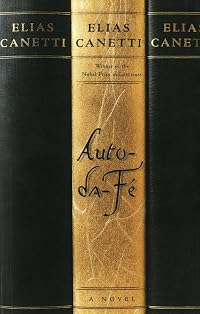
Auto-da-Fe
by Elias Canetti
On This Page
Description
This extraordinary novel, first published in German in 1935, is a COMEDIE HUMAINE of madness. It tells the story of Peter Kien, a distinguished scholar in Germany between the wars. With masterly precision, Canetti build up the elements in Kien himself, and in his personal relationships, which will lead to his destruction. AUTO DA FE explores in fiction the theme of Canetti's other major - non -fiction work, CROWDS AND POWER: the relation of the individual to the mass, an issue especially show more relevant to any survey of fascism. show lessTags
Recommendations


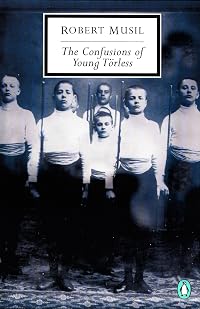
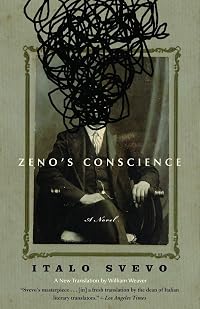
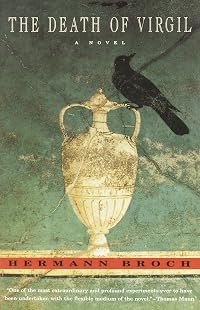

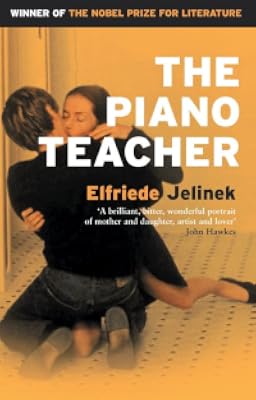














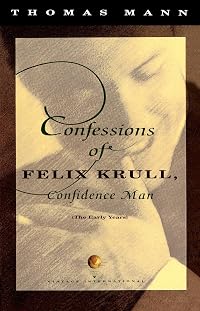

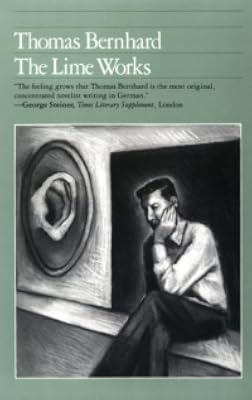
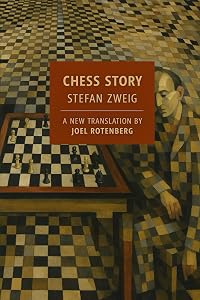
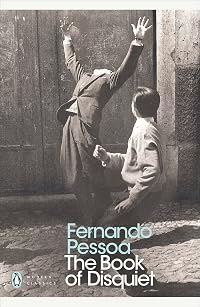

Member Recommendations
slickdpdx Foolish intellectual protagonists and an abundance of entertainingly misanthropic epigrams.
21

Member Reviews
This was Canetti's first novel and his best-known work. It was written around 1931, set in Vienna and with many references to the political violence of the late 20s, especially the burning of the Justizpalast in October 1927, which Canetti witnessed. However, it was obviously also strongly influenced by Canetti's stays in Weimar Republic Berlin. Canetti particularly mentions Grosz, Brecht and Isaac Babel as friends from his time in Berlin; in Vienna, the only writer who really grabbed his attention at this period was the satirist Karl Kraus.
Dr Peter Kien, leading the quiet, settled life of a bachelor bibliophile and amateur scholar of Asian languages, unwisely decides to prevent his reliable housekeeper Therese from leaving by marrying show more her, and as a result finds himself dragged down into a nightmareish low-life world that could have come straight out of Otto Dix or George Grosz. It's a savagely funny book, but also an incredibly bleak one, in which civilised, humanist values and selfish ambitions are trampled indiscriminately into the dirt by the brutish forces of human nature. The only person who seems to be able to pass through the global shitstorm unscathed is Kien's brother, a clinical psychiatrist who is so insulated from reality in his lunatic asylum that he never really perceives the full horror of what is going on around him.
When people finally started to take notice of this book, thirty or forty years after it was written, it's obvious why it caught their attention: Canetti's view of Europe in the early thirties leaves us in no doubt that there is something seriously bad on the way, and with hindsight we can only see it as prescient. But it seems to be more than a book about one particular historical mooment: despite the bleakness, despite the folly of both Kien brothers' attempts to escape from the world into their intellectual pursuits, Canetti is evidently writing from a humanist perspective - rather like Kafka, he wants to show us the importance of our values by showing us what happens when we lose them.
Worth reading, but a very emotionally draining book - especially for those of us who happen to own large libraries. Canetti meant it to be "merciless towards both the writer and the reader", and I think he achieved that... show less
Dr Peter Kien, leading the quiet, settled life of a bachelor bibliophile and amateur scholar of Asian languages, unwisely decides to prevent his reliable housekeeper Therese from leaving by marrying show more her, and as a result finds himself dragged down into a nightmareish low-life world that could have come straight out of Otto Dix or George Grosz. It's a savagely funny book, but also an incredibly bleak one, in which civilised, humanist values and selfish ambitions are trampled indiscriminately into the dirt by the brutish forces of human nature. The only person who seems to be able to pass through the global shitstorm unscathed is Kien's brother, a clinical psychiatrist who is so insulated from reality in his lunatic asylum that he never really perceives the full horror of what is going on around him.
When people finally started to take notice of this book, thirty or forty years after it was written, it's obvious why it caught their attention: Canetti's view of Europe in the early thirties leaves us in no doubt that there is something seriously bad on the way, and with hindsight we can only see it as prescient. But it seems to be more than a book about one particular historical mooment: despite the bleakness, despite the folly of both Kien brothers' attempts to escape from the world into their intellectual pursuits, Canetti is evidently writing from a humanist perspective - rather like Kafka, he wants to show us the importance of our values by showing us what happens when we lose them.
Worth reading, but a very emotionally draining book - especially for those of us who happen to own large libraries. Canetti meant it to be "merciless towards both the writer and the reader", and I think he achieved that... show less
I started with the thought that Canetti was saying something about man's ordeal in an oppressive society that is opposed to his values, but there were discrepancies. Instead of an everyman figure, he makes Peter Kien almost impossible to relate to, which muddies the thematic waters. Granted, Peter Kien is obsessed with books to a ridiculous degree, and perhaps only the most snobbish readers were ever expected to read this through, so sometimes the shoe might fit. It probably works better instead, as some critics point out, to view these peculiar characters as embodying different societies, some totalitarian, some more benign than others, all of them clashing with one another. Finally, Encyclopedia Britannica's entry presented me with a show more merger of both: the fruitlessness of reasoning with or against a fascist regime that only knows the power of the fist. This source also says it was meant to be the first of eight novels that would each explore the theme further.
For the first half of the book or more, I thought Kien moved through a world where only those close to him were absurd while the population at large was at least less so (suggested most by the boy he meets at the start, and the furniture dealers that Therese interacts with.) It later appears that possibly nobody in this novel can be counted on to think or behave rationally. It never becomes quite as absurd as in Kafka, since Kien lands himself a bit of justice from authorities albeit with help and under a false understanding. The essence of the madness in question is that each character remains wedded to their own version of reality and nothing - no evidence, no actions or words of others - can shake them free of it. Kien regards his books as living things, and his wife as dead. She is convinced he's a secret millionaire. Fischerle believes the world chess championship is his for the taking. There doesn't seem to be any basis for these perceptions besides wishful thinking. George offers the most rational (with flaws) perspective, but you won't meet him until the end.
My stubborn takeaway (from reading the characters as the oppressed) is something the opposite of what Herman Hesse was aiming at: rather than exploring what contribution academics ought to make to society, Canetti is more interested in the dangers that society can still impose on those who wish to remain aloof from it all. Taken literally, too little regard for the conflicting realities perceived by others can land you in a heap of trouble if you interact with people to any degree beyond bare necessities. Taken less literally ... Britannica is on to something.
Postscript: this 1930s novel proves weirdly prescient. Fischerle dreams of emigrating to America and becoming known as Mr. Fischer, world chess champion. In 1972, a Mr. Fischer from America became exactly that. show less
For the first half of the book or more, I thought Kien moved through a world where only those close to him were absurd while the population at large was at least less so (suggested most by the boy he meets at the start, and the furniture dealers that Therese interacts with.) It later appears that possibly nobody in this novel can be counted on to think or behave rationally. It never becomes quite as absurd as in Kafka, since Kien lands himself a bit of justice from authorities albeit with help and under a false understanding. The essence of the madness in question is that each character remains wedded to their own version of reality and nothing - no evidence, no actions or words of others - can shake them free of it. Kien regards his books as living things, and his wife as dead. She is convinced he's a secret millionaire. Fischerle believes the world chess championship is his for the taking. There doesn't seem to be any basis for these perceptions besides wishful thinking. George offers the most rational (with flaws) perspective, but you won't meet him until the end.
My stubborn takeaway (from reading the characters as the oppressed) is something the opposite of what Herman Hesse was aiming at: rather than exploring what contribution academics ought to make to society, Canetti is more interested in the dangers that society can still impose on those who wish to remain aloof from it all. Taken literally, too little regard for the conflicting realities perceived by others can land you in a heap of trouble if you interact with people to any degree beyond bare necessities. Taken less literally ... Britannica is on to something.
Postscript: this 1930s novel proves weirdly prescient. Fischerle dreams of emigrating to America and becoming known as Mr. Fischer, world chess champion. In 1972, a Mr. Fischer from America became exactly that. show less
Elias Canetti's Auto-da-Fé, published in German as Die Blendung and translated here by C.V. Wedgwood, is considered a great masterwork of twentieth-century fiction. That reputation, I humbly suggest, is well deserved. While it is certainly one of the more bizarre pieces of writing I've read in quite some time, it was also one of the most provocative and intriguing.
Dr. Peter Kien, a leading sinologist, is the reclusive and introverted protagonist, whose life revolves solely around his great personal library and the work to which use he puts its contents. In a move he sees as crucial to the protection of his books, he marries his housekeeper, a gold-digging harpy who ends up slowly evicting Kien from his own flat and forcing him into the show more streets of Vienna. The plot twists and turns sharply from there, and comes to involve a red-headed and abusive caretaker, a devious hunchback, Kien's psychiatrist brother, and a gang of hapless policemen.
Canetti's fictional world is - to a rational reader - totally ridiculous, with the characters behaving in ways that seem completely strange and incomprehensible. And yet the internal rationales they provide for their actions somehow seem perfectly reasonable. It is a sick, twisted, violent and unpleasant place, filled with misunderstandings and betrayals; everyone, as Salman Rushdie blurbs on the back cover of my copy "get[s] it in the neck." It doesn't seem real, and yet ...
Not a fast read by any stretch, but the language is clear and concise (and excellently translated, I suspect without knowing German). A fascinating, enthralling tale.
http://philobiblos.blogspot.com/2007/01/book-review-auto-da-f.html show less
Dr. Peter Kien, a leading sinologist, is the reclusive and introverted protagonist, whose life revolves solely around his great personal library and the work to which use he puts its contents. In a move he sees as crucial to the protection of his books, he marries his housekeeper, a gold-digging harpy who ends up slowly evicting Kien from his own flat and forcing him into the show more streets of Vienna. The plot twists and turns sharply from there, and comes to involve a red-headed and abusive caretaker, a devious hunchback, Kien's psychiatrist brother, and a gang of hapless policemen.
Canetti's fictional world is - to a rational reader - totally ridiculous, with the characters behaving in ways that seem completely strange and incomprehensible. And yet the internal rationales they provide for their actions somehow seem perfectly reasonable. It is a sick, twisted, violent and unpleasant place, filled with misunderstandings and betrayals; everyone, as Salman Rushdie blurbs on the back cover of my copy "get[s] it in the neck." It doesn't seem real, and yet ...
Not a fast read by any stretch, but the language is clear and concise (and excellently translated, I suspect without knowing German). A fascinating, enthralling tale.
http://philobiblos.blogspot.com/2007/01/book-review-auto-da-f.html show less
Per leggere questo libro di Canetti occorre uno stomaco forte.
Niente sangue a fiumi intendiamoci, ma una discesa nell'orrore del reale.
Non c'è astio, critica, lacrime o disperazione per quel avrebbe potuto essere: c'è solo quello che è.
Molti scrittori parlano del male del mondo ma lo fanno con amarezza, con dolore, con rimpianto per una umanità impossibile. Canetti sembra un entomologo che senza pathos descrive una realtà fisica ineluttabile.
Per leggere questo libro occorre avere nervi saldi: quando l’autore insiste e insiste e insiste nello spingerti da dietro verso il fondo del pozzo ti viene voglia di girarti di scatto e dirgli, “ma vai al diavolo, Elías, datemi un Dumas!”
Vorrei non avere letto questo libro: così potrei show more ancora buttarmici sopra e – angoscia o non angoscia - avrei ancora una magnifica esperienza da fare. show less
Niente sangue a fiumi intendiamoci, ma una discesa nell'orrore del reale.
Non c'è astio, critica, lacrime o disperazione per quel avrebbe potuto essere: c'è solo quello che è.
Molti scrittori parlano del male del mondo ma lo fanno con amarezza, con dolore, con rimpianto per una umanità impossibile. Canetti sembra un entomologo che senza pathos descrive una realtà fisica ineluttabile.
Per leggere questo libro occorre avere nervi saldi: quando l’autore insiste e insiste e insiste nello spingerti da dietro verso il fondo del pozzo ti viene voglia di girarti di scatto e dirgli, “ma vai al diavolo, Elías, datemi un Dumas!”
Vorrei non avere letto questo libro: così potrei show more ancora buttarmici sopra e – angoscia o non angoscia - avrei ancora una magnifica esperienza da fare. show less
Elias Canetti was a philosopher whose non-fiction work won him the Nobel Prize for literature in 1981; auto-da-fe is in fact his only work of fiction. I decided to read it out of curiosity following a visit to Ruse in Bulgaria, where Canetti was born, and reading about him in Claudio Magris’ Danube, in which he describes auto-da-fe as “one of the great books of the century, his only truly great book.” It was written – and is set - in Vienna during the inter-war years, but that is irrelevant; it is both timeless and universal.
Canetti’s novel deals with the world that we all create in our minds, and how everything that happens – or should happen – is filtered through this world view. Taking this to its logical – and show more extreme – conclusion, Canetti’s protagonists are the central figures and righteous heroes of their worlds, in which all their actions are totally justifiable and moral, irrespective of the consequences of those actions, whether – as in the case of the central character, Peter Kien - they are self-destructive, or whether destructive of other people.
Peter Kien is an obsessive misanthrope who lives with and for books – primarily his own library of books on ancient Chinese literature, a subject on which - the reader is led to believe - he is the most eminent and acclaimed authority in the world. He loves books more than anything else, and - to the extent that other people impinge at all on him - he judges them purely on the basis of their relationship to books. Thus it is that, mistakenly interpreting the behavior of his housekeeper as evidence of a love and reverence for books – she wears gloves to dust them in order to keep her hands clean – he impulsively decides to marry her; this is the beginning of his downfall.
The housekeeper, Therese, is equally obsessed, but her obsession is money – her lack of it throughout the whole of her life. In her own eyes, she is a women of extraordinary virtue, which makes her lack of financial security even more unjustifiable. The symbol of her virtue is the long starched blue skirt that she always wears; for her new husband the skirt will become the symbol of all that is evil. The lack of affection shown to her by Kien – he expects nothing at all to change in their relationship; he had married her purely as a reward for her imagined esteem for books – soon leads Therese to see him as the major obstacle to her security. She begins to demand changes in their living arrangements – in the rooms that are “her’s” and in the furnishing of the apartment – which Kien, in order to escape her intrusions into his inner world, accedes to. Her goal in life becomes getting hold of his money; she skims the housekeeping money all the time and banks it, but that is not enough; she makes sure that she is named in his will, but – waiting for him to die is too remote a consummation - eventually resorts to physical violence in order to gain access to his bank account – all totally justifiable in her eyes.
Kien escapes from Therese physically – although, by this time, she has become an indelible part of his mental furniture – when she throws him out of his apartment. He starts living in hotel rooms, having taken his beloved library with him – in his head. Each night, he carefully “unloads” each volume and stacks it carefully with all the others on the floor on paper that he carries with him in his valise. He spends his days visiting book shops where he enquires about books that he already owns and which we – and the bookshop owners – understand that he is never going to buy. He had finally understood that Therese was after his money, and – in order to thwart her – he has emptied his bank account and carries the cash around with him.
Kien encounters a humpbacked dwarf, Fischerle, who lives on the fringes of the criminal underworld and who becomes his living companion and “servant”. Fischerle is obsessed with chess – he plays it all the time in his head against himself – and knows that – if only he can get to America – he will become the world chess champion. He sees in Kien his ticket to America, and devises a scam to exploit Kien’s obsession with books in order to get hold of his money. The dwarf had his hands on Kien’s money a number of times, and could have just stolen it, but – whether out of a warped sense of integrity or fear of getting entangled with the law – he has to do it “legitimately”. He recruits three of his acquaintances in order help him with his scheme. Thus we meet another group of characters each with their own obsessions; the newspaper seller who for some reason adores Fischerle and will do anything for him, even though he despises her; the beggar who poses as a blind man - and who hates buttons, because he has to maintain his disguise and thank people even when they put buttons instead of coins in his bowl - and who dreams of nothing but a world of women whom he can possess; the insomniac salesman who becomes convinced that Fischerle and Kien are dealing in drugs that will give him the sleep he craves. There are many other characters, whose inner worlds - and how these shape their actions - we get a glimpse of. We also see the joint delusions that groups of people and mobs can create, and how easily group think and group action can result from and be justified by very diverse individual delusions.
When Fischerle’s scheme – and Fischerle himself – comes to an end, Kien becomes convinced that Therese has starved to death, as a result of him locking her up in the apartment, but knows that at his trial for her murder he will be totally vindicated and found innocent. Even when she shows up, he refuses to believe that she is more than a figment of his imagination. Kien ends up in the custody of the caretaker of his apartment – a vile character for whom physical violence is both and end and a means – and who involves him in his obsession with spying on people.
Eventually, Peter’s brother George, who is a very successful gynacologist- turned-psychologist in Paris, gets to hears of his brother’s plight and comes to Vienna to help him. George too has his own obsessions; he admires the minds of insane people so much that he feels guilty when he successfully treats them. He rescues his brother from the clutches of the caretaker and via his skill at communicating with the insane, gets to understand that Therese is the root of Peter’s problems. George charms Therese - he became a psychologist to escape the attentions of women, who find him irresistible - out of his brother’s apartment; he reinstalls him there, arranges to support him financially, and returns to Paris, with a sense of satisfaction at having – for the first time in their lives – communicated with his brother, who is by now totally detached from reality.
The totality of the obsession of each protagonist leaves no room for any insight into the minds of others, making each of them vulnerable to becoming instruments of the others’ obsessions; Kien – serially - to Therese, the dwarf, the caretaker, and ultimately his brother; after throwing out her husband, Therese soon succumbs to the violence of the caretaker; the dwarf can only influence the world by the deviousness of his chessboard-honed wits, and eventually becomes a victim of the type of direct action that he is too small and weak to even think of using. Even George, who knows only how to be charming – whether it be with women or the insane – is a slave to both.
There is nothing redeeming in this novel; in vain you keep hoping for a “happy ending” or someone who seems to live in this world, rather than the one inside their head. It is a caricature – but not an unrealistic one - of what it is to be human. It is also a remarkable work of imagination. show less
Canetti’s novel deals with the world that we all create in our minds, and how everything that happens – or should happen – is filtered through this world view. Taking this to its logical – and show more extreme – conclusion, Canetti’s protagonists are the central figures and righteous heroes of their worlds, in which all their actions are totally justifiable and moral, irrespective of the consequences of those actions, whether – as in the case of the central character, Peter Kien - they are self-destructive, or whether destructive of other people.
Peter Kien is an obsessive misanthrope who lives with and for books – primarily his own library of books on ancient Chinese literature, a subject on which - the reader is led to believe - he is the most eminent and acclaimed authority in the world. He loves books more than anything else, and - to the extent that other people impinge at all on him - he judges them purely on the basis of their relationship to books. Thus it is that, mistakenly interpreting the behavior of his housekeeper as evidence of a love and reverence for books – she wears gloves to dust them in order to keep her hands clean – he impulsively decides to marry her; this is the beginning of his downfall.
The housekeeper, Therese, is equally obsessed, but her obsession is money – her lack of it throughout the whole of her life. In her own eyes, she is a women of extraordinary virtue, which makes her lack of financial security even more unjustifiable. The symbol of her virtue is the long starched blue skirt that she always wears; for her new husband the skirt will become the symbol of all that is evil. The lack of affection shown to her by Kien – he expects nothing at all to change in their relationship; he had married her purely as a reward for her imagined esteem for books – soon leads Therese to see him as the major obstacle to her security. She begins to demand changes in their living arrangements – in the rooms that are “her’s” and in the furnishing of the apartment – which Kien, in order to escape her intrusions into his inner world, accedes to. Her goal in life becomes getting hold of his money; she skims the housekeeping money all the time and banks it, but that is not enough; she makes sure that she is named in his will, but – waiting for him to die is too remote a consummation - eventually resorts to physical violence in order to gain access to his bank account – all totally justifiable in her eyes.
Kien escapes from Therese physically – although, by this time, she has become an indelible part of his mental furniture – when she throws him out of his apartment. He starts living in hotel rooms, having taken his beloved library with him – in his head. Each night, he carefully “unloads” each volume and stacks it carefully with all the others on the floor on paper that he carries with him in his valise. He spends his days visiting book shops where he enquires about books that he already owns and which we – and the bookshop owners – understand that he is never going to buy. He had finally understood that Therese was after his money, and – in order to thwart her – he has emptied his bank account and carries the cash around with him.
Kien encounters a humpbacked dwarf, Fischerle, who lives on the fringes of the criminal underworld and who becomes his living companion and “servant”. Fischerle is obsessed with chess – he plays it all the time in his head against himself – and knows that – if only he can get to America – he will become the world chess champion. He sees in Kien his ticket to America, and devises a scam to exploit Kien’s obsession with books in order to get hold of his money. The dwarf had his hands on Kien’s money a number of times, and could have just stolen it, but – whether out of a warped sense of integrity or fear of getting entangled with the law – he has to do it “legitimately”. He recruits three of his acquaintances in order help him with his scheme. Thus we meet another group of characters each with their own obsessions; the newspaper seller who for some reason adores Fischerle and will do anything for him, even though he despises her; the beggar who poses as a blind man - and who hates buttons, because he has to maintain his disguise and thank people even when they put buttons instead of coins in his bowl - and who dreams of nothing but a world of women whom he can possess; the insomniac salesman who becomes convinced that Fischerle and Kien are dealing in drugs that will give him the sleep he craves. There are many other characters, whose inner worlds - and how these shape their actions - we get a glimpse of. We also see the joint delusions that groups of people and mobs can create, and how easily group think and group action can result from and be justified by very diverse individual delusions.
When Fischerle’s scheme – and Fischerle himself – comes to an end, Kien becomes convinced that Therese has starved to death, as a result of him locking her up in the apartment, but knows that at his trial for her murder he will be totally vindicated and found innocent. Even when she shows up, he refuses to believe that she is more than a figment of his imagination. Kien ends up in the custody of the caretaker of his apartment – a vile character for whom physical violence is both and end and a means – and who involves him in his obsession with spying on people.
Eventually, Peter’s brother George, who is a very successful gynacologist- turned-psychologist in Paris, gets to hears of his brother’s plight and comes to Vienna to help him. George too has his own obsessions; he admires the minds of insane people so much that he feels guilty when he successfully treats them. He rescues his brother from the clutches of the caretaker and via his skill at communicating with the insane, gets to understand that Therese is the root of Peter’s problems. George charms Therese - he became a psychologist to escape the attentions of women, who find him irresistible - out of his brother’s apartment; he reinstalls him there, arranges to support him financially, and returns to Paris, with a sense of satisfaction at having – for the first time in their lives – communicated with his brother, who is by now totally detached from reality.
The totality of the obsession of each protagonist leaves no room for any insight into the minds of others, making each of them vulnerable to becoming instruments of the others’ obsessions; Kien – serially - to Therese, the dwarf, the caretaker, and ultimately his brother; after throwing out her husband, Therese soon succumbs to the violence of the caretaker; the dwarf can only influence the world by the deviousness of his chessboard-honed wits, and eventually becomes a victim of the type of direct action that he is too small and weak to even think of using. Even George, who knows only how to be charming – whether it be with women or the insane – is a slave to both.
There is nothing redeeming in this novel; in vain you keep hoping for a “happy ending” or someone who seems to live in this world, rather than the one inside their head. It is a caricature – but not an unrealistic one - of what it is to be human. It is also a remarkable work of imagination. show less
alienation vs. power,individual vs. group,art vs. capitalism,mentally vs.physiclly,etc...Canetti deals with it all,the result is an expressionist,grotesque,anarchistic and extreme novel:
the sort of style that could only be written once,cause afterwards every imitation of it will look like an embarrassing joke.
with it's bleak absurd humour and big,strong (though transparent) symbols on which Canetti manages to exlain the roots for the nazism ,it is written like an avant-garde Kafka to the mainstream.
still unique, it's a must.
the sort of style that could only be written once,cause afterwards every imitation of it will look like an embarrassing joke.
with it's bleak absurd humour and big,strong (though transparent) symbols on which Canetti manages to exlain the roots for the nazism ,it is written like an avant-garde Kafka to the mainstream.
still unique, it's a must.
The author shakes you with the first scene in the book, one of the best openings of any novel that I've ever read. And he continues to challenge you with a riveting account of the travails of a fascinating scholar recluse, Peter Kien. With the hermetic figure of Peter Kien, Canetti created an indelible image of a man with a library in his head. His only novel is both modern in conception and emotionally draining. It is also one of my favorites.
Auto da Fé is a 1935 novel by Elias Canetti; the title of the English translation refers to the burning of heretics by the Inquisition. However, a more literal translation of the German title would be "The Blinding". Not surprisingly, the book was banned by the Nazis. Thus it did not become show more widely known until after the worldwide success of his massive study Crowds and Power (1960). The protagonist is Peter Kien, a middle-aged philologist.
"He himself was the owner of the most important private library in the whole of this great city. He carried a minute portion of it with him wherever he went. His passion for it, the only one which he had permitted himself during a life of austere and exacting study, moved him to take special precautions. Books, even bad ones, tempted him easily into making a purchase. Fortunately, the great number of the book shops did not open until after eight o'clock." (p 11)
Kien is absorbed in his studies of Chinese and fears social and physical contacts, but he is pressured into marrying his ignorant housekeeper, Therese Krummholz, who robs him with the help of Benedikt Pfaff, the proto-fascist apartment manager. More important than the details of the plot are the ideas indicated metaphorically and the resonance with archetypal ideas of humanity. For example, in the opening section of the novel Kien falls from a ladder while in his library and his wife finds him on her return home. Thinking he is dead she summons a neighbor and upon their return they find him injured, but alive. This moment, suggesting a death and rebirth (spiritual in the sense that Kien worships his books and the learning they represent), is a critical juncture in his journey through life just as the mythical story of death and rebirth (cf. Lazarus, Joseph, et. al.) has become central to humanity since the beginning of history.
Kien's journey takes him through the depths of society and beyond as his brother tries in vain to cure him, while he moves inexorably towards an apocalyptic end. show less
Auto da Fé is a 1935 novel by Elias Canetti; the title of the English translation refers to the burning of heretics by the Inquisition. However, a more literal translation of the German title would be "The Blinding". Not surprisingly, the book was banned by the Nazis. Thus it did not become show more widely known until after the worldwide success of his massive study Crowds and Power (1960). The protagonist is Peter Kien, a middle-aged philologist.
"He himself was the owner of the most important private library in the whole of this great city. He carried a minute portion of it with him wherever he went. His passion for it, the only one which he had permitted himself during a life of austere and exacting study, moved him to take special precautions. Books, even bad ones, tempted him easily into making a purchase. Fortunately, the great number of the book shops did not open until after eight o'clock." (p 11)
Kien is absorbed in his studies of Chinese and fears social and physical contacts, but he is pressured into marrying his ignorant housekeeper, Therese Krummholz, who robs him with the help of Benedikt Pfaff, the proto-fascist apartment manager. More important than the details of the plot are the ideas indicated metaphorically and the resonance with archetypal ideas of humanity. For example, in the opening section of the novel Kien falls from a ladder while in his library and his wife finds him on her return home. Thinking he is dead she summons a neighbor and upon their return they find him injured, but alive. This moment, suggesting a death and rebirth (spiritual in the sense that Kien worships his books and the learning they represent), is a critical juncture in his journey through life just as the mythical story of death and rebirth (cf. Lazarus, Joseph, et. al.) has become central to humanity since the beginning of history.
Kien's journey takes him through the depths of society and beyond as his brother tries in vain to cure him, while he moves inexorably towards an apocalyptic end. show less
Members
- Recently Added By
Lists

1001 Books You Must Read Before You Die
1,448 works; 1,133 members

The Guardian's 1000 Novels Everyone Must Read
1,005 works; 551 members
501 Must-Read Books
529 works; 72 members

Best books about books
209 works; 106 members

German Literature
518 works; 56 members

Jewish Books
367 works; 24 members

Canon de la narrativa universal del siglo XX
254 works; 6 members

In or About the 1930s
198 works; 27 members

Nobel Price Winners
222 works; 20 members
Most difficult novels
68 works; 27 members

LibraryThingers' 1001 Books You Must Read Before You Die
442 works; 30 members

1,001 BYMRBYD Concensus
723 works; 27 members
My list of 100 books to read next
100 works; 4 members

Желаемое
5 works; 1 member

1930s
262 works; 5 members
Tablet Magazine's List of 101 Great Jewish Books
103 works; 9 members

My TBR
371 works; 3 members

Books by Jewish Authors
68 works; 5 members
Canon de la narrativa universal del s. XX (cicutadry)
499 works; 3 members

Best of World Literature
435 works; 52 members
Author Information

92+ Works 10,473 Members
Elias Canetti was born in Rustschuk, Bulgaria on July 25, 1905 into a Sephardic Jewish family. He was educated in Germany, Switzerland, and Austria and received a Ph.D. in chemistry from the University of Vienna in 1929. He wrote novels and plays in German. His works explored the emotions of crowds, the psychopathology of power, and the position show more of the individual at odds with the society around him. His novels include Auto-da- Fé and Masse und Macht. His plays include Hochzeit, Komödie der Eitelkeit, and Die Befristeten. He also published excerpts from his notebooks, a book of character sketches, and an autobiography. He received numerous awards including the Vienna Prize in 1966, the Critics Prize (Germany) in 1967, the Great Austrian State Prize in 1967, the Buchner Prize in 1972, the Sachs Prize in 1975, the Hebbel Prize in 1980, and the Nobel Prize for Literature in 1981. He died on August 14, 1994. (Bowker Author Biography) show less
Some Editions
Awards and Honors
Notable Lists
Series
Belongs to Publisher Series
Work Relationships
Contains
Common Knowledge
- Canonical title*
- Het martyrium
- Original title
- Die Blendung
- Alternate titles
- The Tower of Babel (US) (US); Auto-da-Fé
- Original publication date
- 1935
- People/Characters
- Franz Metzger; Peter Kien; Therese Krumbholz; Hubert Beredinger; Siefgried Fischerle; the Capitalist (show all 11); Johann Schwer; Benedikt Pfaff; Anna 'Polly' Pfaff; George Kien; Jean Preval
- Important places
- Vienna, Austria
- Dedication
- To Veza
- First words
- ‘What are you doing here, my little man?’
- Quotations
- You draw closer to truth by shutting yourself off from mankind. Daily life is a superficial clatter of lies. Every passer-by is a liar.
No mind ever grew fat on a diet of novels. The pleasure which they occasionally offer is all too heavily paid for: they undermine the finest characters. They teach us to think ourselves into other men's places. Thus we acquir... (show all)e a taste for change. The personality becomes dissolved in pleasing figments of imagination. The reader learns to understand every point of view. Willingly he yields himself to the pursuit of other people's goals and loses sight of his own. Novels are so many wedges which the novelist, an actor with his pen, inserts into the closed personality of the reader. The better he calculates the size of the wedge and the strength of the resistance, so much the more completely does he crack open the personality of his victim.
Novels should be prohibited by the State.
Almost Kien was tempted to believe in happiness, that contemptible life-goal of illiterates.
Without corporal punishment no one ever got anywhere. The English are a tremendous people. - Last words
- (Click to show. Warning: May contain spoilers.)When the flames reached him at last, he laughed out loud, louder than he had ever laughed in all his life.
- Blurbers
- Rushdie, Salman
- Original language
- German
*Some information comes from Common Knowledge in other languages. Click "Edit" for more information.
Classifications
- Genres
- General Fiction, Fiction and Literature
- DDC/MDS
- 833.912 — Literature & rhetoric German & related literatures German fiction 1900- 1900-1990 1900-1945
- LCC
- PT2605 .A58 .B553 — Language and Literature German, Dutch and Scandinavian literatures German literature Individual authors or works 1860/70-1960
- BISAC
Statistics
- Members
- 2,650
- Popularity
- 7,064
- Reviews
- 31
- Rating
- (3.99)
- Languages
- 22 — Czech, Danish, Dutch, English, Estonian, Finnish, French, German, Greek, Hebrew, Hungarian, Italian, Japanese, Lithuanian, Norwegian (Bokmål), Polish, Portuguese, Romanian, Russian, Spanish, Swedish, Turkish
- Media
- Paper, Audiobook, Ebook
- ISBNs
- 86
- UPCs
- 1
- ASINs
- 28