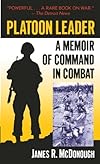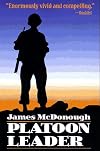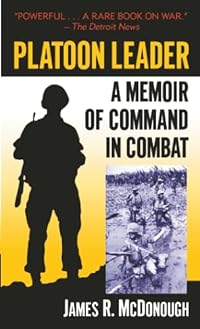
Platoon Leader: A Memoir of Command in Combat
by James R. McDonough
On This Page
Description
Biography & Autobiography. History. Military. Nonfiction. HTML:A remarkable memoir of small-unit leadership and the coming of age of a young soldier in combat in Vietnam.'"Using a lean style and a sense of pacing drawn from the tautest of novels, McDonough has produced a gripping account of his first command, a U.S. platoon taking part in the 'strategic hamlet' program. . . . Rather than present a potpourri of combat yarns. . . McDonough has focused a seasoned storyteller’s eye on the show more details, people, and incidents that best communicate a visceral feel of command under fire. . . . For the author’s honesty and literary craftsmanship, Platoon Leader seems destined to be read for a long time by second lieutenants trying to prepare for the future, veterans trying to remember the past, and civilians trying to understand what the profession of arms is all about.”–Army Times. show less
Tags
Recommendations
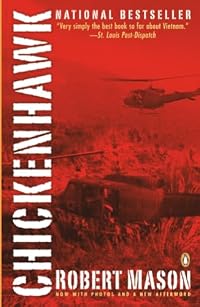
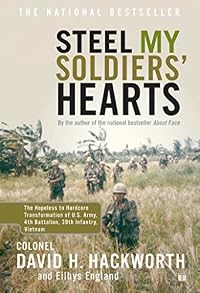
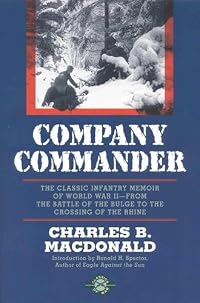
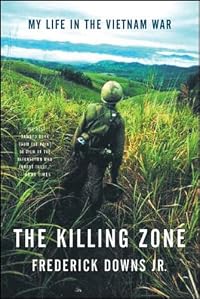






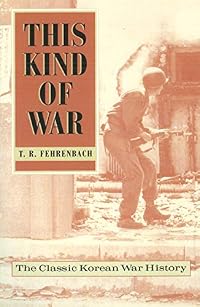


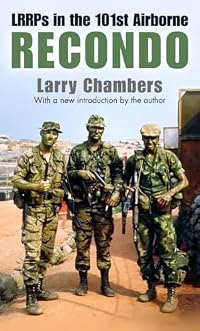
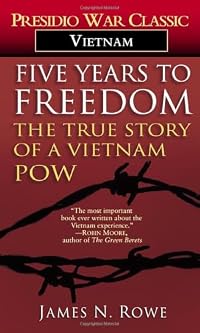
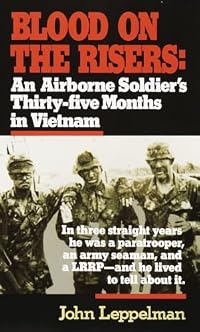

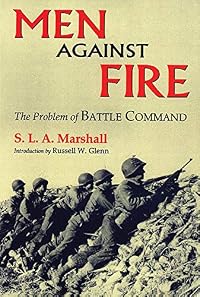
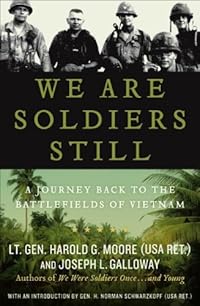
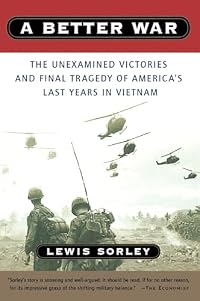


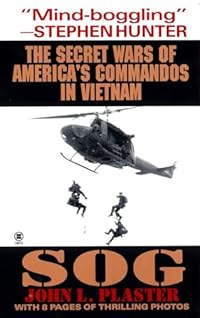



Member Recommendations
by spotlf87
by anonymous user
Member Reviews
Platoon Leader is one of the starker Vietnam War memoirs I've read, with a particular focus on the difficulties of small unit command. McDonough graduated from West Point in 1969 and after Airborne, Ranger, and Jungle Warfare schools, joined the 173d Airborne Infantry Brigade, where his assignment was to defend a strategic hamlet along the South China Sea about halfway between Saigon and Da Nang.
McDonough's first job was to win the respect of his men, which he decided to do by focusing on tactical proficiency and aggressiveness. The platoon, just above half of its nominal strength of 40 soldiers, would patrol aggressively. McDonough would be on at least every third patrol. 20 square kilometers is both not a terribly large area (rough show more estimate, a 2 mile walk in any direction from the platoon outpost), and also a tremendously large place to defend with a platoon. The men were the usual mix of jokers, slackers, newbies, and killers. In one rather tense initial moment, McDonough torched a private's marijuana stash, and the soldier "accidentally" fired his M79 at the McDonough's back. McDonough literally hoisted the man up with the muzzle of an M16 under his chin. McDonough's command, and learning how to use their strengths and mitigate their weaknesses, is the core of the book.
Combat is another major focus. Death is sudden, violent, utterly random. McDonough was wounded early in his tour by a landmine and avoided major injury only by a chance turn to the left at a critical moment. In defensive positions, the platoon could pour out incredible firepower and take little more than shrapnel scratches. But on patrol, a man could die in seconds; cut down by a burst of machine gun fire or a booby trap. Worse was that lingering of mortal wounds, body pulped and heart still beating. War is a bloody business, no management, just killing.
Loneliness in command is a third subject. McDonough had to maintain a distance from his men, to show as little weakness as possible. He had no peers. The Vietnamese Regional Forces commander in the village was useless. His company commander was passive, even cowardly, and the other platoons were separated by miles and barred areas of operation to prevent friendly fire. And yet that distance was vital to keep from becoming a monster, to restrain violence from civilians as much as was possible (not much at all).
The finale of the book is the grim realization of what "political warfare" means. The Viet Cong are deadly shadows who mostly use terror attacks against other Vietnamese. An elderly widow who traded C rations for her ad hoc orphanage is brutally murdered. One of the platoon's Kit Carson scouts, a VC defector, loses his family in an attack. The war cuts through families, with VC and ARVN in the same household. Any illusion that this might restrain the violence is lost in the finale, as the Viet Cong attack the town the platoon is protecting and the strategic hamlet is destroyed in the ensuing battle.
Americans aren't the only people who can destroy a village to save it. show less
McDonough's first job was to win the respect of his men, which he decided to do by focusing on tactical proficiency and aggressiveness. The platoon, just above half of its nominal strength of 40 soldiers, would patrol aggressively. McDonough would be on at least every third patrol. 20 square kilometers is both not a terribly large area (rough show more estimate, a 2 mile walk in any direction from the platoon outpost), and also a tremendously large place to defend with a platoon. The men were the usual mix of jokers, slackers, newbies, and killers. In one rather tense initial moment, McDonough torched a private's marijuana stash, and the soldier "accidentally" fired his M79 at the McDonough's back. McDonough literally hoisted the man up with the muzzle of an M16 under his chin. McDonough's command, and learning how to use their strengths and mitigate their weaknesses, is the core of the book.
Combat is another major focus. Death is sudden, violent, utterly random. McDonough was wounded early in his tour by a landmine and avoided major injury only by a chance turn to the left at a critical moment. In defensive positions, the platoon could pour out incredible firepower and take little more than shrapnel scratches. But on patrol, a man could die in seconds; cut down by a burst of machine gun fire or a booby trap. Worse was that lingering of mortal wounds, body pulped and heart still beating. War is a bloody business, no management, just killing.
Loneliness in command is a third subject. McDonough had to maintain a distance from his men, to show as little weakness as possible. He had no peers. The Vietnamese Regional Forces commander in the village was useless. His company commander was passive, even cowardly, and the other platoons were separated by miles and barred areas of operation to prevent friendly fire. And yet that distance was vital to keep from becoming a monster, to restrain violence from civilians as much as was possible (not much at all).
The finale of the book is the grim realization of what "political warfare" means. The Viet Cong are deadly shadows who mostly use terror attacks against other Vietnamese. An elderly widow who traded C rations for her ad hoc orphanage is brutally murdered. One of the platoon's Kit Carson scouts, a VC defector, loses his family in an attack. The war cuts through families, with VC and ARVN in the same household. Any illusion that this might restrain the violence is lost in the finale, as the Viet Cong attack the town the platoon is protecting and the strategic hamlet is destroyed in the ensuing battle.
Americans aren't the only people who can destroy a village to save it. show less
Careful and respectful memoir of a West Point graduate and Lt. with the 173rd airborne infantry. McDonough had gone to Vietnam in 1970. This was near the end of the US involvement in the war.
This is the second time I've read this book. When I first started reading about Vietnam I wanted to find out what the US was doing there aside from reading about it from historical accounts which I knew to be slanted politically and often unreliable factually. Memoirs became the easiest way to find out what soldiers, marines, airman and sailors were occupied with in their own words. I have learned so much from Vietnam memoirs that some have been the most beautiful reflections I have ever read. War is war and it is never an easy topic to cover but show more books such as this make the sacrifices offered by thousands upon thousands of people somewhat understandable given the heartbreaking circumstances they were put in.
This book goes over the basic elements of military leadership. Care for his soldiers, making tough decisions which others might not agree with, dealing with ranking officers above him who may be incompetent, trying to make sense of a war policy that may not be able to achieve political victory even when a tactical loss is never suffered.
Probably not the most exciting book on the war or even the most profoundly felt one either. It is nevertheless a sincere work by Brooklyn man born of an Irish father and Italian mother and who was so proud of his country that he did not shrink from serving in a war that his newlywed wife must have agonized through. The book is written (1985) to pay homage to the men he served with who never received the rewards of a grateful nation once they returned home. McDonough does not seem to be religious or else deliberately removes those type of recollections from this book. show less
This is the second time I've read this book. When I first started reading about Vietnam I wanted to find out what the US was doing there aside from reading about it from historical accounts which I knew to be slanted politically and often unreliable factually. Memoirs became the easiest way to find out what soldiers, marines, airman and sailors were occupied with in their own words. I have learned so much from Vietnam memoirs that some have been the most beautiful reflections I have ever read. War is war and it is never an easy topic to cover but show more books such as this make the sacrifices offered by thousands upon thousands of people somewhat understandable given the heartbreaking circumstances they were put in.
This book goes over the basic elements of military leadership. Care for his soldiers, making tough decisions which others might not agree with, dealing with ranking officers above him who may be incompetent, trying to make sense of a war policy that may not be able to achieve political victory even when a tactical loss is never suffered.
Probably not the most exciting book on the war or even the most profoundly felt one either. It is nevertheless a sincere work by Brooklyn man born of an Irish father and Italian mother and who was so proud of his country that he did not shrink from serving in a war that his newlywed wife must have agonized through. The book is written (1985) to pay homage to the men he served with who never received the rewards of a grateful nation once they returned home. McDonough does not seem to be religious or else deliberately removes those type of recollections from this book. show less
A very unique inside look at life as an inexperienced young officer being thrown into the most emotionally and phsically challenging experience of his life. This book is a very good "heads up" read for young leaders in both the civilian and military sectors.
Ratings
Members
- Recently Added By
Author Information
4 Works 400 Members
Work Relationships
Common Knowledge
- Original title
- Platoon Leader: A Memoir of Command in Combat
- Original publication date
- 1985
- Blurbers
- Macdonald, Charles B.
- Original language
- English
Classifications
Statistics
- Members
- 285
- Popularity
- 112,448
- Reviews
- 3
- Rating
- (3.98)
- Languages
- Dutch, English
- Media
- Paper, Audiobook, Ebook
- ISBNs
- 9
- ASINs
- 9