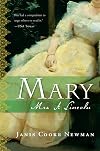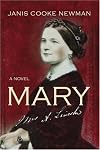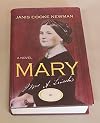
Mary: Mrs. A. Lincoln
by Janis Cooke Newman
On This Page
Description
A novel about the life of Mary Todd Lincoln, narrated by the First Lady herself, a USA Today choice for Best Historical Fiction of the Year.The wife of Abraham Lincoln is one of history's most misunderstood and enigmatic women. She was a political strategist, a supporter of emancipation, and a mother who survived the loss of three children and the assassination of her beloved husband. She also ran her family into debt, held seances in the White House, and was committed to an insane show more asylum—which is where Janis Cooke Newman's debut novel begins.
From her room in Bellevue Place, Mary chronicles her tempestuous childhood in a slaveholding Southern family and takes readers through the years after her husband's death, revealing the ebbs and flows of her passion and depression, her poverty and ridicule, and her ultimate redemption, in a novel that is both a fascinating look at a nineteenth-century woman's experience and "an old-fashioned pleasure to read" (The Plain Dealer).
A Los Angeles Times Book Prize Finalist
. show less
Tags
Recommendations

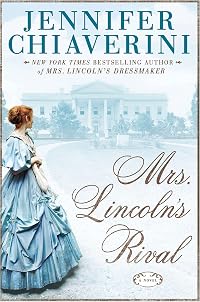
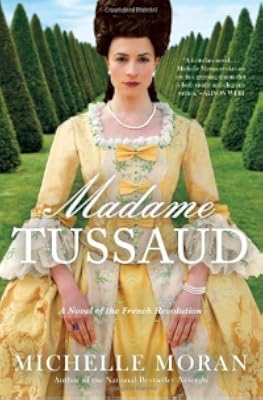
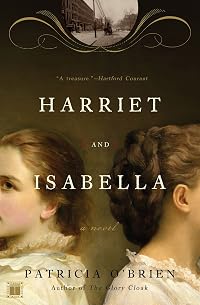
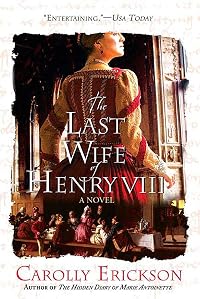

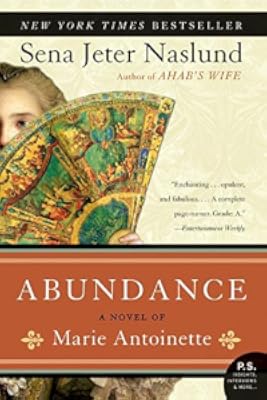
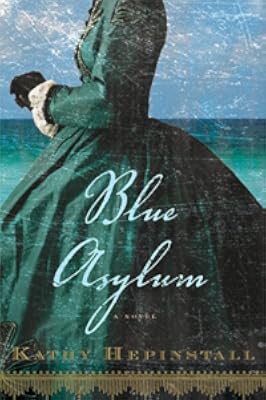
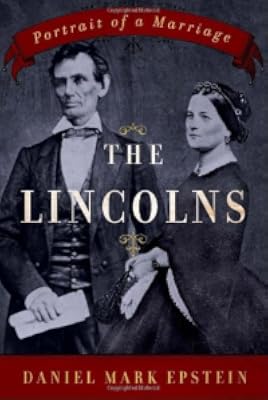
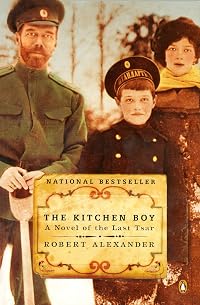
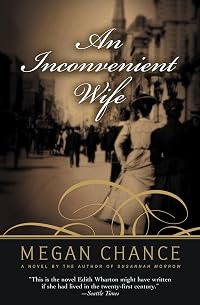

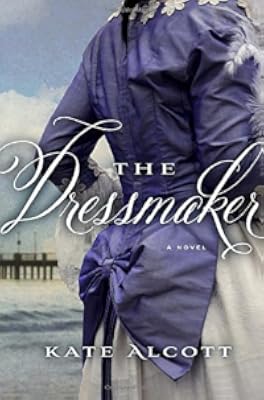
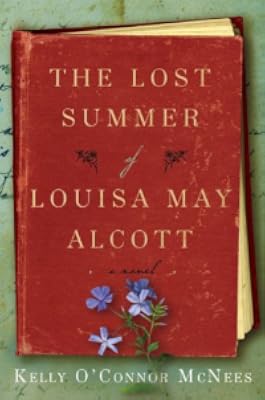
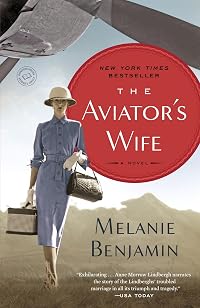
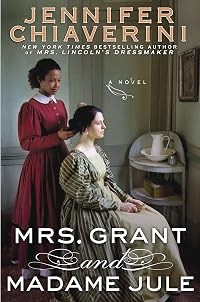
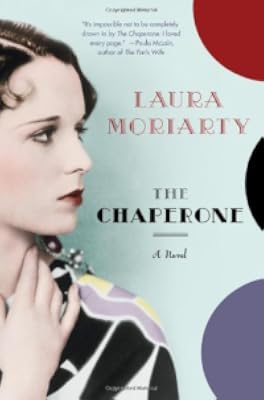
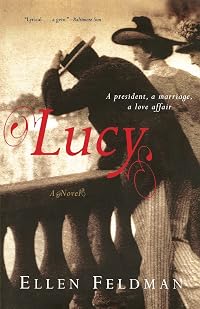
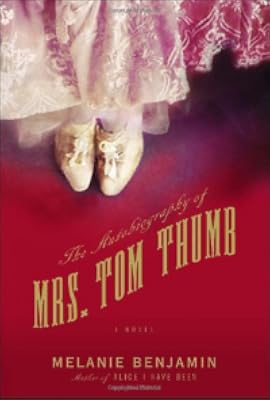
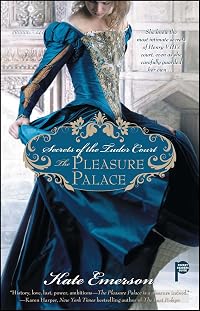
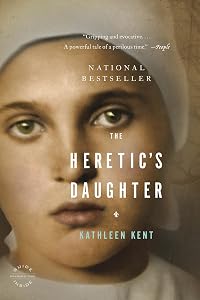
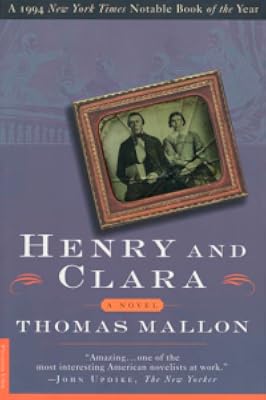
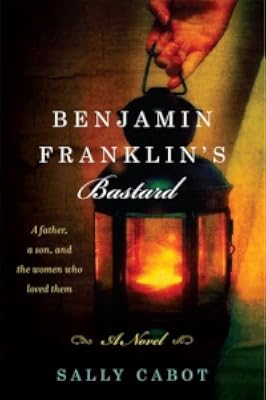

Member Recommendations
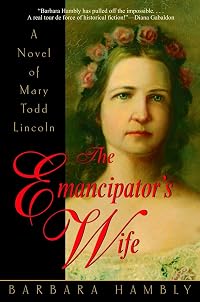
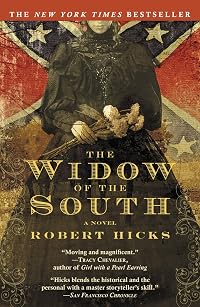
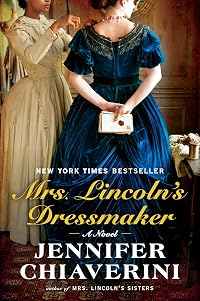
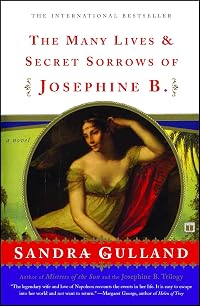
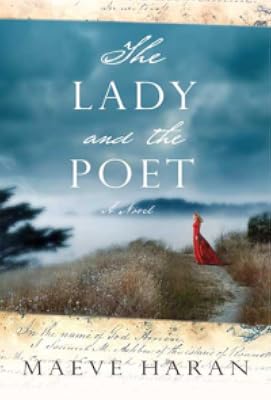
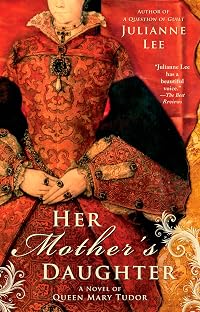
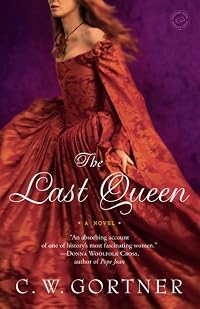
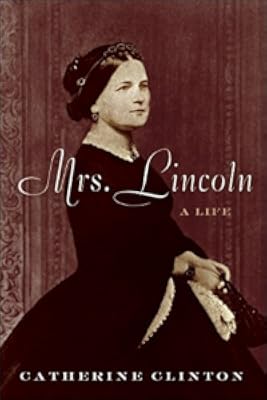
BookshelfMonstrosity These two books are historical fiction and biographical novels in which presidents' wives is a main topic.
Member Reviews
This fictional telling of Mary's life is written using her voice in the form of memoirs written during her stay in the self-termed lunactic asylum to which her son has had her committed. Before I read this book I'd heard little good about Mary. After reading this I'm of two minds. She still seems in many ways a self-absorbed, too-needy woman who never took the time to contemplate the consequences of her actions. That being said, I can't help but think how differently things would have turned out had she not lived in a time when social constraints were so restrictive and medical knowledge so primitive. She was ambitious in an era when women were not only expected to not involve themselves in the outside world, but in fact were to appear show more not remotely interested in anything outside the sphere of their homes and children. She, who was from the beginning intensely interested in her husband's politics, was constantly thrust aside by powerful men throughout her husband's career, and ridiculed by the women of her time. She lost three of her four sons to diseases which may well have been treatable had she lived 100 years later. Finally, she clearly seemed to suffer from some form of mental illness during a period when the slightest deviation from the expected norm was unacceptable for a woman. There were no viable treatments and she self-medicated with shopping and further muddled her thinking by taking the medicines prescribed by her doctors which we now know contained opium and cocaine. While her life was tragic in many respects, it seems only more tragic because much of that tragedy would not have happened had she lived during the current age when women are allowed the freedom of opinion and ambition and there are vastly improved treatments for physical and mental conditions. show less
A novel about the first "First Lady", and her amazing, tragic, heroic life. A woman characterized by her passion, Mary captures the reader's heart. Passionate about politics, freedom and her family, Mary is driven nearly mad by the losses she's suffered. When her one remaining son has her committed to a sanatorium, she looks back on her life to determine where things went wrong.
A touching and passionate tale about history and the practice of restraining inconvenient women. A feminist look at the diagnosis of hysteria and female insanity.
A touching and passionate tale about history and the practice of restraining inconvenient women. A feminist look at the diagnosis of hysteria and female insanity.
Teenage angst applied to Mary Todd Lincoln and wrapped up in flowery phrasings. Though Mrs. Lincoln’s eccentricities are well known, the author writes ludicrous twistings of reasonings behind her actions. She places her characters in pubescent-daydream style contrived situations. Views of the President throughout his wife’s story are painted only in the light of middle school 'social studies', or as an object of sexual fantasies. Masquerading as an intellectual’s historical novel, just because of its title character, it’s nothing more than just another bodice-ripper. Says her Mrs. President Lincoln, “For if Mr. Wood had wished to take me here in Willard’s tearoom, I would have lifted my skirts to render it easier.”
Gag a show more maggot! show less
Gag a show more maggot! show less
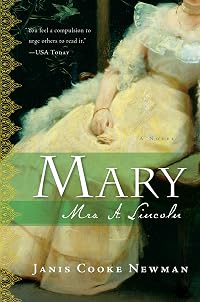
There is a quote on the front of the novel by USA Today, "You feel a compulsion to urge others to read it." Generally I pay no attention to quotes of this nature regardless of where they may appear. HOWEVER, as I closed the novel after reading the last page, it expresses my sentiment precisely.
Every individual interested in history ~ especially women's history in the United States ~ should read this book. Yes, it is fiction but never doubt how much you can learn through the reading of a novel.
It reminded me of feelings that I had after a view of the film, "Iron Jawed Angels." We've come a long way, baby as the tune goes but we've got miles to go for equality. Never forget the strength of the women that have walked the path before you. show more Use their strength, their courage, their passion as the fuel to ignite your dreams and always believe that "I can make a difference!" The women that came before us cared about the future. Let's care about our future and the future for the generations to come. show less
Every individual interested in history ~ especially women's history in the United States ~ should read this book. Yes, it is fiction but never doubt how much you can learn through the reading of a novel.
It reminded me of feelings that I had after a view of the film, "Iron Jawed Angels." We've come a long way, baby as the tune goes but we've got miles to go for equality. Never forget the strength of the women that have walked the path before you. show more Use their strength, their courage, their passion as the fuel to ignite your dreams and always believe that "I can make a difference!" The women that came before us cared about the future. Let's care about our future and the future for the generations to come. show less
3.75 stars
Mary Todd was Abraham Lincoln’s wife. She grew up in a well-off family, but Abraham was poor. They had four sons, but only one, Robert the oldest, made it to adulthood. Although Mary loved her son with all her heart, Robert never returned that love, nor the affection she so craved.
Ten years after Abraham Lincoln was assassinated, Robert had Mary confined to an insane asylum, though she insisted she was sane and didn’t belong there. This book goes back and forth in time from when Mary is confined to the asylum (and her attempts to have Robert have her released) back to when Mary met Abraham, their courtship, marriage and all the way up to what led Robert to confine her.
I quite liked this. I went back and forth, on show more thinking Mary didn’t belong in the asylum to wondering if she did. I can’t say I liked her much, but I certainly felt badly for her, as Robert was awful to her. I took 1/4 star off my rating because there is no historical/author’s note at the end. I know nothing about the real Mary – did these things really happen? show less
Mary Todd was Abraham Lincoln’s wife. She grew up in a well-off family, but Abraham was poor. They had four sons, but only one, Robert the oldest, made it to adulthood. Although Mary loved her son with all her heart, Robert never returned that love, nor the affection she so craved.
Ten years after Abraham Lincoln was assassinated, Robert had Mary confined to an insane asylum, though she insisted she was sane and didn’t belong there. This book goes back and forth in time from when Mary is confined to the asylum (and her attempts to have Robert have her released) back to when Mary met Abraham, their courtship, marriage and all the way up to what led Robert to confine her.
I quite liked this. I went back and forth, on show more thinking Mary didn’t belong in the asylum to wondering if she did. I can’t say I liked her much, but I certainly felt badly for her, as Robert was awful to her. I took 1/4 star off my rating because there is no historical/author’s note at the end. I know nothing about the real Mary – did these things really happen? show less
I always begin a book with such great hope. That I will love it and not be able to put it down. That it exactly what happened with this one. It is a first person account of the life of Mary Todd Lincoln.
This woman had such a tragic life. Her husband was elected president, then vilified throughout most of his first term. His reelection after the Civil War ended was followed only days later by his assassination as Mary sat by his side in Ford's Theater. By this time they had already lost two of their fours sons to illness. Mary would later watch a third son die.
Throughout it all she had to deal with her own demons, what seems to me to have been a form of PTSD, and the drive to shop endlessly. The author attempts to explain Mary's show more compulsive buying habits. Then there is her ongoing grief over her deceased huband and children. The final insult is the emotional disconnect between Mary and her oldest and only surviving child Robert, and his decision to have her declared insane and imprisoned in an asylum.
I could not put this book down, and as a result over the last week I have missed a few hours of sleep! show less
This woman had such a tragic life. Her husband was elected president, then vilified throughout most of his first term. His reelection after the Civil War ended was followed only days later by his assassination as Mary sat by his side in Ford's Theater. By this time they had already lost two of their fours sons to illness. Mary would later watch a third son die.
Throughout it all she had to deal with her own demons, what seems to me to have been a form of PTSD, and the drive to shop endlessly. The author attempts to explain Mary's show more compulsive buying habits. Then there is her ongoing grief over her deceased huband and children. The final insult is the emotional disconnect between Mary and her oldest and only surviving child Robert, and his decision to have her declared insane and imprisoned in an asylum.
I could not put this book down, and as a result over the last week I have missed a few hours of sleep! show less
The story was written as if Mary was writing her memoirs. It told about her young life in a well to-do family, falling in love with a penniless attorney. Her marriage, birth of her sons and their deaths, being First Lady, the war, the assignation of President Lincoln, and finally the betrayal of her only surviving son, who had her committed to a insane asylum. Looking at her life as a outsider, I could see perfectly clear, why she was the way she was. The struggles she had being a lady people expected in those times, her grief over her sons and husbands death, and her drug addiction. She fought to be declared sane, so she could leave the home and live her life in peace, which she did for the last few years of her life, dying at 63. The show more author did a magnificent job portraying Mary Todd Lincoln as intelligent and unconventional. As the quote from USA Today says "You feel a compulsion to urge others to read it", I also encourage others to read it. show less
Members
- Recently Added By
Lists

Five star books
1,767 works; 110 members

Books Read in 2007
326 works; 8 members

Books I have Recommended
207 works; 1 member

Fictional Biographies
17 works; 3 members

Historical Figures in Fiction
51 works; 5 members
Author Information

3+ Works 591 Members
Awards and Honors
Common Knowledge
- Original publication date
- 2007-10-01
- People/Characters
- Mary Todd Lincoln; Abraham Lincoln; Robert Todd Lincoln; Tad Lincoln; Willie Lincoln; John Cabell Breckinridge (show all 12); Myra Bradwell; Stephen A. Douglas; Minnie Judd; Elizabeth "Lizzie" Hobbs Keckly; Richard J. Patterson (Dr.); Leonard Swett
- Important places
- USA; Batavia, Illinois, USA; Bellevue Place, Batavia, Illinois, USA; Illinois, USA; Washington, D.C., USA; Springfield, Illinois, USA
Classifications
Statistics
- Members
- 450
- Popularity
- 67,709
- Reviews
- 18
- Rating
- (4.04)
- Languages
- English, French
- Media
- Paper, Audiobook, Ebook
- ISBNs
- 9
- ASINs
- 6