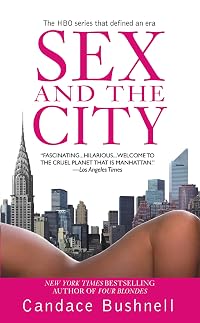
Sex and the City
by Candace Bushnell
On This Page
Description
"Bushnell is a deft writer, possessing a sly sense of humor and sharp insight into human behavior." —PeopleSex and the City is a fantastic and sometimes terrifying foray into the hearts, minds, and mating habits of modern-day New Yorkers. Traveling in packs from lavish parties to high-end clubs, Bushnell's vividly candid characters live out the never-ending search for the perfect relationship. Bushnell's firsthand commentary on the behavior of the rich and famous is by turns witty and show more shocking, and always boldly true. In these pages you will meet "Carrie," the young writer looking for love in all the wrong places; "Samantha Jones," the successful proto-cougar who approaches sex just like a man; and "Mr. Big," the captain of industry who jumps from one bed to the next.
Equal parts soap opera, gossip page, sociological study, and dating manual, Sex and the City, Candace Bushnell's former New York Observer column, has attracted a cult following and been adapted into two major motion pictures and one of the most popular TV series of our time. This is the groundbreaking work that both decoded and shaped a culture and a generation.
. show less
Tags
Recommendations
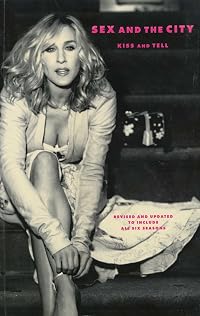
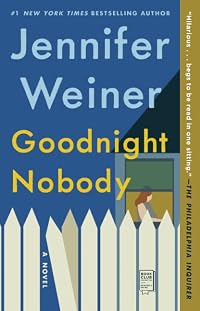
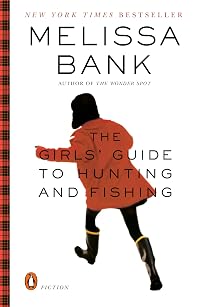
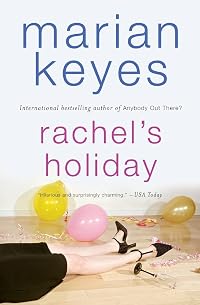
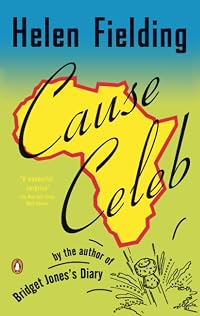
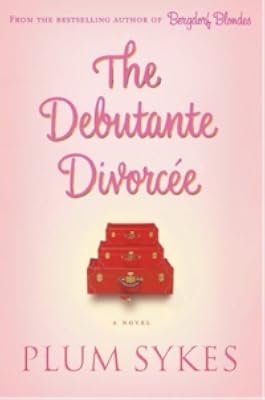
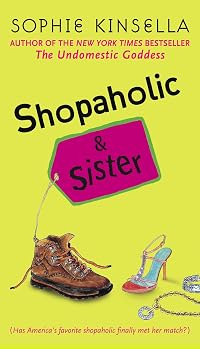
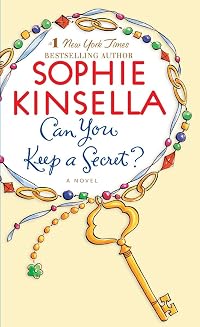
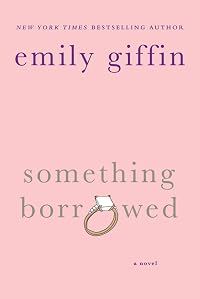
Member Recommendations

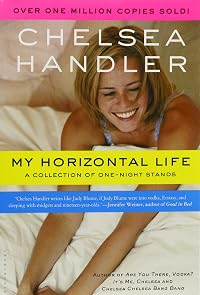
BookshelfMonstrosity If you liked the humorous commentary on single life in My Horizontal Life, you may enjoy Sex and the City. Only slightly less explicit, it also offers commentary on female friendship and designer labels.
Member Reviews
Sex and the City is one of my favourite television shows of all time, and yet every time I read the book I’m left feeling a little bit off kilter. The column is witty in an almost cruel way to the foibles of Manhattan’s dating population, where the show comes off as much more comedic and light, but we can see the seeds of germination for the legendary foursome amongst the book’s large cast. Carrie is the most well-defined, eschewing the author/narrator, if only because she has the most linear relationship which emerges over the course of the book. As in the series, we see her meet the eponymous Mr. Big and go through many relationship ups and downs before finally leaving him for the single life once again. Carrie may have her show more moments of insanity in the series, but the book makes her almost impossible to like as we are given very little context for some of her madcap behaviour. Was Carrie a real person that the author knew, a clever way of hiding her own dating mishaps behind a mask, or a personality who was embellished into fiction? I’m sure an answer is out there somewhere, but I think I’ll stick to the slightly more normal Carrie from the show, who inevitably gets her man. show less
As a watcher of the "Sex and the City" series, movies, etc., I enjoyed the show as the fantasy world it is . Four beautiful, very rich women with dream jobs a` la Cosmo, who wear luxurious (though often ridiculous-looking) designer clothing to go to lunch, brunch, and drinks. They are on the prowl for sex with the aim of finding love--though of course the men must be very rich as well. Their get-togethers are a pretext for their dissection of their last date. That's the show, take it or leave it.
Having a lot of stress in my life at present, I saw the novel at the Library bookstore for 50 cents. I thought it would be a nice distraction. I can honestly say, contrary to my past experience with adaptations of books, the TV shows are much show more better than the novel. The front of the book has a quote from "The Sunday Telegraph" that says 'Jane Austen with a martini'. Hardly. Not only are characters flat and indistinguishable from each other, but the whole vibe of the book is cynical and downright depressing. All the women worry about whether they'll find a suitable man before they are 40, and dish about what's wrong with the men they do date. Despite their blatant hunt for marriage material, they viciously criticize those who did manage to find a husband--even as they sit in these married women's houses for baby showers and the like. Terrible. show less
Having a lot of stress in my life at present, I saw the novel at the Library bookstore for 50 cents. I thought it would be a nice distraction. I can honestly say, contrary to my past experience with adaptations of books, the TV shows are much show more better than the novel. The front of the book has a quote from "The Sunday Telegraph" that says 'Jane Austen with a martini'. Hardly. Not only are characters flat and indistinguishable from each other, but the whole vibe of the book is cynical and downright depressing. All the women worry about whether they'll find a suitable man before they are 40, and dish about what's wrong with the men they do date. Despite their blatant hunt for marriage material, they viciously criticize those who did manage to find a husband--even as they sit in these married women's houses for baby showers and the like. Terrible. show less
Didn’t hate it and actually am baffled as to why so many people did, especially so vehemently.
Let me back up a bit. I have a lukewarm fascination with the show. It’s bubble-gum sweet and draws you in, but at the same time I always found it difficult to relate to such a glorification of capitalism, egotism and selfishness. It was always this weird, nuanced, emotional rollercoaster for me, because it was great to have women be sexually liberated and daring to be free and unlikable and selfish and not sacrificing their everything for the conventional things women are supposed to like and want. But as all feminist-ish friendly shows of the era, and as bubblegum and celebrity feminism itself, the social structures this kind of narrative show more enforces and glorifies are as harmful as the ones we laud it for subverting. So you know, my general feelings remain as “meh” and the show always stays in the realm of “guilty pleasure” and “hate watch” for me. So this is where I come from, unable to actually call myself a fan of the show, despite having watched it more than twice. Both movies included.
When I found this book I thought it would be perfect for the little bad-book-club we have with a friend, where we try to read exclusively bad, and mostly popular, books, so we can vent about them later and bond and have fun and not be petty at all. I thought going to the source of Sex and the City, the fountain of vain, privileged, thin, white, women, would actually fit out book-club vibe perfectly. The myriad one-star reviews, and did-not-finish shelvings promised me so.
Alas,’ twas not meant to be.
The book reads more as a sociological narration of how mating worked in 90s NY than anything else. The narrator doesn’t take sides, nor tries to glorify the women’s lifestyles or sympathize with them. It felt more like she was describing the modern conundrums these women find themselves in, living in a faux-liberated era and being caught between changing gender roles and expectations. They have money, beauty and want to experience everything promised, freedom, good sex, and romance. But they still are chased by old phantoms, most desperately wanting a husband, maybe children, and fidelity. All while men and social conventions judge them with both old and new standards thus rendering them unable to succeed in all they want.
The characters are not made to be likeable. They are presented as people molded by the fast rhythms of the city, by absurd situations, vile men, exceedingly strict beauty standards. They are hardened, cynical, egotistic, opportunistic women, who can’t connect with their true feelings and wants. The glorification of this lifestyle is also absent, a fact that elevates this book so much more from the movie. Absent are the fashion shows, the fawning over manolos, the infatuation with the posh and glam sparkles the tv show thrived on. We don’t have all that jazz to blind us from what is really going on, from the story this book has to say. Instead we get to be a cold observer of their lives, each with its ups and downs, and the most prevalent feeling in all of this, is a kind of sadness. It’s the same kind of sadness I have when I think about my mother’s life, caught between housework and career, being swallowed, tired and overworked by both, because as fast as the economy changed to accommodate women entering the workforce, domestic life remained stuck in the conventions of the previous century. So while these women are not likeable, it’s very hard to be overly critical and judge them harshly. It’s the kind of nuance and complexity real life has, and the book presents that wonderfully. They’re not idols, nor villains; they are what they had to become to survive.
Sure enough, with the cultural obsession and glorification of fashion and its commerce, the tv adaptation strayed from this portrayal, transforming these characters into role models. Women making it, navigating this life and thriving. It was written as most American tv is, with optimism, likeable characters, and a purpose to promote a certain type of lifestyle while attaching positive feelings to it. Maybe this is why so many people hated the book. In comparison it’s gloomy and full of people you really wouldn’t want hanging around you. Gone are the tales of talented Carrie and fearless Samantha. Gone is the girly vibe of sisterhood, good food and shoes. Instead we get something very close to real life, and real people and our sweet escapism comes crashing down. show less
Let me back up a bit. I have a lukewarm fascination with the show. It’s bubble-gum sweet and draws you in, but at the same time I always found it difficult to relate to such a glorification of capitalism, egotism and selfishness. It was always this weird, nuanced, emotional rollercoaster for me, because it was great to have women be sexually liberated and daring to be free and unlikable and selfish and not sacrificing their everything for the conventional things women are supposed to like and want. But as all feminist-ish friendly shows of the era, and as bubblegum and celebrity feminism itself, the social structures this kind of narrative show more enforces and glorifies are as harmful as the ones we laud it for subverting. So you know, my general feelings remain as “meh” and the show always stays in the realm of “guilty pleasure” and “hate watch” for me. So this is where I come from, unable to actually call myself a fan of the show, despite having watched it more than twice. Both movies included.
When I found this book I thought it would be perfect for the little bad-book-club we have with a friend, where we try to read exclusively bad, and mostly popular, books, so we can vent about them later and bond and have fun and not be petty at all. I thought going to the source of Sex and the City, the fountain of vain, privileged, thin, white, women, would actually fit out book-club vibe perfectly. The myriad one-star reviews, and did-not-finish shelvings promised me so.
Alas,’ twas not meant to be.
The book reads more as a sociological narration of how mating worked in 90s NY than anything else. The narrator doesn’t take sides, nor tries to glorify the women’s lifestyles or sympathize with them. It felt more like she was describing the modern conundrums these women find themselves in, living in a faux-liberated era and being caught between changing gender roles and expectations. They have money, beauty and want to experience everything promised, freedom, good sex, and romance. But they still are chased by old phantoms, most desperately wanting a husband, maybe children, and fidelity. All while men and social conventions judge them with both old and new standards thus rendering them unable to succeed in all they want.
The characters are not made to be likeable. They are presented as people molded by the fast rhythms of the city, by absurd situations, vile men, exceedingly strict beauty standards. They are hardened, cynical, egotistic, opportunistic women, who can’t connect with their true feelings and wants. The glorification of this lifestyle is also absent, a fact that elevates this book so much more from the movie. Absent are the fashion shows, the fawning over manolos, the infatuation with the posh and glam sparkles the tv show thrived on. We don’t have all that jazz to blind us from what is really going on, from the story this book has to say. Instead we get to be a cold observer of their lives, each with its ups and downs, and the most prevalent feeling in all of this, is a kind of sadness. It’s the same kind of sadness I have when I think about my mother’s life, caught between housework and career, being swallowed, tired and overworked by both, because as fast as the economy changed to accommodate women entering the workforce, domestic life remained stuck in the conventions of the previous century. So while these women are not likeable, it’s very hard to be overly critical and judge them harshly. It’s the kind of nuance and complexity real life has, and the book presents that wonderfully. They’re not idols, nor villains; they are what they had to become to survive.
Sure enough, with the cultural obsession and glorification of fashion and its commerce, the tv adaptation strayed from this portrayal, transforming these characters into role models. Women making it, navigating this life and thriving. It was written as most American tv is, with optimism, likeable characters, and a purpose to promote a certain type of lifestyle while attaching positive feelings to it. Maybe this is why so many people hated the book. In comparison it’s gloomy and full of people you really wouldn’t want hanging around you. Gone are the tales of talented Carrie and fearless Samantha. Gone is the girly vibe of sisterhood, good food and shoes. Instead we get something very close to real life, and real people and our sweet escapism comes crashing down. show less
Forget everything you’ve ever seen connected to the TV show and movie, for the book Sex and the City is like entering a different world. Sure, all the familiar characters are there at least in name and the show even lifted some of the dialogue word for word (including my favorite moment in the whole show, “Abso-fucking-lutely”), but that is where the similarities end. The characters of Bushnell’s Sex and the City are cynical, jaded, and more fond of cocaine than their HBO counterparts. Unfortunately, this cynicism makes the ladies kind of unlikeable. There isn’t the idea of true love in Bushnell’s columns, just the idea of finding someone you can stand for a while. So while the humor is still there, the optimism related to show more relationships which is so crucial in the TV show, isn’t present, so it makes a lot of the situations in the novel more depressing than funny. The worst element though of the novel is Bushnell’s protrayal of women relationships. There are no true friendships in Bushnell’s world, just surface girlfriends who are more jealous than supportive. Which is a shame, since that’s probably the reason most women watch the HBO show. So while Sex and the City provides a couple of laughs, I can’t really recommend it to anyone except maybe die hard fans of the show who wish to see how it all began (even if it is kind of unrecognizable). show less
So I had this book on my shelf for quite a while and I figured it was time to read it. I had bought it because I was a fan of the tv show and wondered what the book would be like. Boy, was I disappointed. Disappointed but not entirely surprised. I had read "Four Blondes" by Candace Bushnell and found it vapid and obnoxious so why should SATC be any different?
I thought Bushnell treated her characters as paper dolls, dressing them up, moving them around but that was all they would ever be. I also saw none of the city I love inside those pages. I saw a bunch of rich, self-absorbed assholes in a cold, alcohol-numbed environment. That is not how I think of NYC, ever. It might be part of city life but not the whole of it, and to then show more condescend to people who might not want that life, which is how Ms. Bushnell treated several characters in the book, completely turned me off.
I think I will stick with Darren Star's slick, colorful city instead show less
I thought Bushnell treated her characters as paper dolls, dressing them up, moving them around but that was all they would ever be. I also saw none of the city I love inside those pages. I saw a bunch of rich, self-absorbed assholes in a cold, alcohol-numbed environment. That is not how I think of NYC, ever. It might be part of city life but not the whole of it, and to then show more condescend to people who might not want that life, which is how Ms. Bushnell treated several characters in the book, completely turned me off.
I think I will stick with Darren Star's slick, colorful city instead show less
La autora es periodista del New York Observer y escribe artículos sobre mujeres jóvenes en Nueva York. El libro es una colección de estos artículos que se leen como si fuera una novela por entregas. Hay personajes fijos y cada uno tiene sus líos amorosos, problemas etc. Pero este libro no es otra versión de Bridget Jones es mucho más fuerte, duro, ácido, irónico con un aspecto casi sociológico y a la vez el tono dominante del libro es humorístico. BJ habla de sexo y adicciones pero es todo muy lite . Con estas chicas de Nueva York tenemos los detalles sin suavizar, cocaína, sexo oral, sexo por dinero (las exigencias de los que pagan), envidias, odios.La autora escribe sobre estas chicas de una forma novelizada pero estas show more vidas son reales, es una presentación ficticia de la chica, con 30 años más que vive en Nueva York, que busca el hombre de su vida, quiere ir a todos los sitios de moda, estar delgada , etc. Hay muchas situaciones muy divertidas pero también hay un lado duro, triste , casi trágico. show less
Rzadko się zdarza, by "film był lepszy od książki". Najczęściej ustępuje jej pod wieloma względami, zaniedbuje niektóre wątki, spłyca bohaterów. Tak nie jest w tym przypadku: książka wydaje się być nieudolną impresją na temat serialu, mimo, że powstała jako pierwsza. Nie szokuje, nie bawi - aż wstyd powiedzieć, że w większości jest nudna.
Members
- Recently Added By
Lists

Biggest Disappointments
606 works; 168 members

The Complete Rory Gilmore Reading List
506 works; 5 members

el
1,139 works; 1 member
Author Information

48+ Works 10,904 Members
Candace Bushnell was born in Glastonbury, Connecticut on December 1, 1958. She attended Rice University and New York University. She worked as a freelancer and wrote pieces about women, relationships and dating for Mademoiselle, Self Magazine, and Esquire. In 1993, she began writing for the New York Observer and in November 1994, she created the show more column Sex and the City, which ran in the New York Observer for two years. The column was turned into a book in 1996, became a hit television series, and a blockbuster movie. She is also the author of 4 Blondes (2000), Trading Up (2003), Lipstick Jungle (2005), One Fifth Avenue (2008), The Carrie Diaries (2010), Summer and the City (2011), and Killing Monica (2105). She received the 2006 Matrix Award for books and the Albert Einstein Spirit of Achievement Award. (Bowker Author Biography) show less
Awards and Honors
Notable Lists
Work Relationships
Has the adaptation
Has as a commentary on the text
Common Knowledge
- Canonical title
- Sex and the City
- Original title
- Sex and the City
- Original publication date
- 1997
- People/Characters*
- Carrie Bradshaw; Charlotte York; Miranda Hobbes; Samantha Jones; Stanford Blatch
- Important places
- New York, New York, USA; Manhattan, New York, New York, USA
- Related movies
- Sex and the City (1998 | IMDb); Sex and the City (2008 | IMDb); Sex and the City 2 (2010 | IMDb)
- Dedication*
- Für Peter Stevenson und Snippy, der einmal seinen Teddybär biß - und für alle meine Freunde
- First words
- Here's a Valentine's Day tale. Prepare yourself.
Before Sex and the City was a book and a TV series, it was a column in the New York Observer. - Last words
- (Click to show. Warning: May contain spoilers.)Mr. Big is happily married. Carrie is happily single.
- Blurbers*
- Fielding, Helen
- Original language*
- English
- Disambiguation notice
- This is the book upon which the TV show and movie were based. Please do not combine any of the seasons or the film with the book.
*Some information comes from Common Knowledge in other languages. Click "Edit" for more information.
Classifications
- Genre
- Fiction and Literature
- DDC/MDS
- 306.73 — Society, government, & culture Social sciences, sociology & anthropology Social Behavior - Dating, Marriage, Divorce Sexual relations General institutions
- LCC
- HQ801 .B885 — Social sciences The family. Marriage, Women and Sexuality The Family. Marriage. Women The family. Marriage. Home Man-woman relationships. Courtship. Dating
- BISAC
Statistics
- Members
- 2,453
- Popularity
- 7,934
- Reviews
- 45
- Rating
- (2.75)
- Languages
- 20 — Albanian, Czech, Danish, Dutch, English, Estonian, Finnish, French, German, Greek, Hungarian, Italian, Korean, Lithuanian, Norwegian (Bokmål), Polish, Portuguese, Spanish, Swedish, Turkish
- Media
- Paper, Audiobook, Ebook
- ISBNs
- 97
- ASINs
- 12