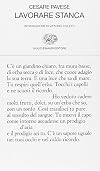
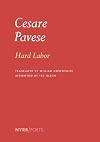
Lavorare stanca
by Cesare Pavese
On This Page
Description
A landmark translation of passionate, fiercely intelligent poetry about coming of age by one of the most influential Italian writers of the twentieth century. In the spring of 1935, the young Cesare Pavese was sentenced, for "antifascist activities," to three years of detention in a small seaside village in Calabria. Far away from his familiar life in the city of Turin and forced to rely on his own resources, he began to write poems of tremendous power, in terse lines and unsentimental show more language, giving voice to country people and hard country lives untainted by the propaganda of Fascism. "When I found my friends, I found my real home-- / land so worthless a man's got a perfect right / to do absolutely nothing." Though Pavese is now most famous for his fiction, he was a poet first of all, and Hard Labor was the work for which he hoped to be remembered. It is a book, he once said, "that might have saved a generation." William Arrowsmith's translations--with their strong lines and bold American diction--marvelously convey the spirit and complex vitality of the original. show lessTags
Recommendations


















Member Reviews
L'anno scorso ho tradotto tanti poesie, ma non tutte, del questo libro. Mi sembra come T.S. Eliot, magari, della solitudine, della citta, etc.
I read Lavorare Stanca in Italian, and translated maybe six of the poems while listening to my wife at her cello lessons in Providence, RI. The heart of the book takes place in a country town; part of its curse seems to be the Italian suspicion of anything but a real city. I found the speaker desolate, modern for sure. "Indisciplina" follows a drunk down a hot street where women don't look at the men, but everybody looks at the drunk, disapproving.
"All seem to fear
In another moment a raucous voice
Will burst into an aria."
"The drunk doesn't sing,
But he keeps to the street and its only show more obstacle,
An air heavy with song."
The title poem ends the section, "Città in campagna." Here the man alone doesn't raise his eyes,
"He feels only the paving stones, that other men set
With calloused hands, like his.
It's not right to stay in an empty square.
Surely that woman will appear in the street,
Give you a hand to her house."
I've also read in Pavese's translation of David Copperfield (did I review that?), and am currently (2021) reading his novel, Prima che il gallo canti. show less
I read Lavorare Stanca in Italian, and translated maybe six of the poems while listening to my wife at her cello lessons in Providence, RI. The heart of the book takes place in a country town; part of its curse seems to be the Italian suspicion of anything but a real city. I found the speaker desolate, modern for sure. "Indisciplina" follows a drunk down a hot street where women don't look at the men, but everybody looks at the drunk, disapproving.
"All seem to fear
In another moment a raucous voice
Will burst into an aria."
"The drunk doesn't sing,
But he keeps to the street and its only show more obstacle,
An air heavy with song."
The title poem ends the section, "Città in campagna." Here the man alone doesn't raise his eyes,
"He feels only the paving stones, that other men set
With calloused hands, like his.
It's not right to stay in an empty square.
Surely that woman will appear in the street,
Give you a hand to her house."
I've also read in Pavese's translation of David Copperfield (did I review that?), and am currently (2021) reading his novel, Prima che il gallo canti. show less
Kind of beautiful, Wallace Stevens meets Conrad Aiken. Kind of beautiful, making of poems from the crucible of historical formality struggling to be free of that burden.
L'anno scorso ho tradotto tanti poesie, ma non tutte, del questo libro. Mi sembra come T.S. Eliot, magari, della solitudine, della citta, etc.
Traversare una strada per scappare di casa
lo fa solo un ragazzo, ma quest’uomo che gira
tutto il giorno le strade, non è più un ragazzo
e non scappa di casa. Ci sono d’estate
pomeriggi che fino le piazze son vuote, distese
sotto il sole che sta per calare, e quest’uomo, che giunge
per un viale d’inutili piante, si ferma.
Val la pena esser solo, per essere sempre più solo?
Solamente girarle, le piazze e le strade
sono vuote. Bisogna fermare una donna
e parlarle e deciderla a vivere insieme.
Altrimenti, uno parla da solo. È per questo che a volte
c’è lo sbronzo notturno che attacca discorsi
e racconta i progetti di tutta la vita. Non è certo attendendo nella piazza deserta
che s’incontra qualcuno, ma chi gira le strade
si show more sofferma ogni tanto. Se fossero in due,
anche andando per strada, la casa sarebbe
dove c’è quella donna e varrebbe la pena.
Nella notte la piazza ritorna deserta
e quest’uomo, che passa, non vede le case
tra le inutili luci, non leva più gli occhi:
sente solo il selciato, che han fatto altri uomini
dalle mani indurite, come sono le sue.
Non è giusto restare sulla piazza deserta.
Ci sarà certamente quella donna per strada
che, pregata, vorrebbe dar mano alla casa. show less
lo fa solo un ragazzo, ma quest’uomo che gira
tutto il giorno le strade, non è più un ragazzo
e non scappa di casa. Ci sono d’estate
pomeriggi che fino le piazze son vuote, distese
sotto il sole che sta per calare, e quest’uomo, che giunge
per un viale d’inutili piante, si ferma.
Val la pena esser solo, per essere sempre più solo?
Solamente girarle, le piazze e le strade
sono vuote. Bisogna fermare una donna
e parlarle e deciderla a vivere insieme.
Altrimenti, uno parla da solo. È per questo che a volte
c’è lo sbronzo notturno che attacca discorsi
e racconta i progetti di tutta la vita. Non è certo attendendo nella piazza deserta
che s’incontra qualcuno, ma chi gira le strade
si show more sofferma ogni tanto. Se fossero in due,
anche andando per strada, la casa sarebbe
dove c’è quella donna e varrebbe la pena.
Nella notte la piazza ritorna deserta
e quest’uomo, che passa, non vede le case
tra le inutili luci, non leva più gli occhi:
sente solo il selciato, che han fatto altri uomini
dalle mani indurite, come sono le sue.
Non è giusto restare sulla piazza deserta.
Ci sarà certamente quella donna per strada
che, pregata, vorrebbe dar mano alla casa. show less
Aug 23, 2013Italian
Lavorare stanca
Traversare una strada per scappare di casa
lo fa solo un ragazzo, ma quest’uomo che gira
tutto il giorno le strade, non è più un ragazzo
e non scappa di casa.
Ci sono d’estate
pomeriggi che fino le piazze son vuote, distese
sotto il sole che sta per calare, e quest’uomo, che giunge
per un viale d’inutili piante, si ferma.
Val la pena esser solo, per essere sempre più solo?
Solamente girarle, le piazze e le strade
sono vuote. Bisogna fermare una donna
e parlarle e deciderla a vivere insieme.
Altrimenti, uno parla da solo. È per questo che a volte
c’è lo sbronzo notturno che attacca discorsi
e racconta i progetti di tutta la vita.
Non è certo attendendo nella piazza deserta
che s’incontra qualcuno, ma chi gira le strade
si show more sofferma ogni tanto. Se fossero in due,
anche andando per strada, la casa sarebbe
dove c’è quella donna e varrebbe la pena.
Nella notte la piazza ritorna deserta
e quest’uomo, che passa, non vede le case
tra le inutili luci, non leva più gli occhi:
sente solo il selciato, che han fatto altri uomini
dalle mani indurite, come sono le sue.
Non è giusto restare sulla piazza deserta.
Ci sarà certamente quella donna per strada
che, pregata, vorrebbe dar mano alla casa. show less
Traversare una strada per scappare di casa
lo fa solo un ragazzo, ma quest’uomo che gira
tutto il giorno le strade, non è più un ragazzo
e non scappa di casa.
Ci sono d’estate
pomeriggi che fino le piazze son vuote, distese
sotto il sole che sta per calare, e quest’uomo, che giunge
per un viale d’inutili piante, si ferma.
Val la pena esser solo, per essere sempre più solo?
Solamente girarle, le piazze e le strade
sono vuote. Bisogna fermare una donna
e parlarle e deciderla a vivere insieme.
Altrimenti, uno parla da solo. È per questo che a volte
c’è lo sbronzo notturno che attacca discorsi
e racconta i progetti di tutta la vita.
Non è certo attendendo nella piazza deserta
che s’incontra qualcuno, ma chi gira le strade
si show more sofferma ogni tanto. Se fossero in due,
anche andando per strada, la casa sarebbe
dove c’è quella donna e varrebbe la pena.
Nella notte la piazza ritorna deserta
e quest’uomo, che passa, non vede le case
tra le inutili luci, non leva più gli occhi:
sente solo il selciato, che han fatto altri uomini
dalle mani indurite, come sono le sue.
Non è giusto restare sulla piazza deserta.
Ci sarà certamente quella donna per strada
che, pregata, vorrebbe dar mano alla casa. show less
Mar 29, 2013 (Edited)Portuguese
Ratings
Members
- Recently Added By
Lists

Harold Bloom - The Western Canon: D. The Chaotic Age
833 works; 24 members

Favourite Books
1,817 works; 316 members

Books Read in 2017
4,249 works; 129 members

Poetry Collections
79 works; 6 members

In or About the 1930s
198 works; 27 members

20th Century Literature
1,161 works; 55 members
Author Information

312+ Works 8,035 Members
In Torino in his native Piedmont, Pavese studied English and American literature and wrote a dissertation on Walt Whitman. He read and translated Defoe, Dickens, Joyce , Dos Passos, Stein and Faulkner and his version of Melville's , Moby Dick is a classic. Except for his book of poems Lavorare stanca (Work Wearies) (1936), Pavese's chief works are show more the novels The Comrade (1948), La Casa in Collina (The House on the Hill) (1949), Prima che il gallo canti (Before the Cock Crows) (1949), La bella estate (The Beautiful Summer) (1949), and his last and best, The Moon and the Bonfire (1952). During World War II, he was head of the Rome office of the publishing house of Einaudi and, with Elio Vittorini, did much to encourage young writers. Although a member of the Communist Party, he had not joined the anti-Fascist resistance. Unhappy in love, unable to believe in Christ, and disappointed with things in postwar Italy, he finally made good on what he had often urged as the finest of "final solutions" for himself, committing suicide after winning the coveted Strega Prize, for La bella estate. (Bowker Author Biography) show less
Awards and Honors
Awards
Series
Belongs to Publisher Series
Work Relationships
Is contained in
Common Knowledge
- Canonical title*
- Lavorare stanca
- Original title
- Lavorare stanca
- Original publication date
- 1943
- Dedication
- For Steve Berg
- Original language*
- Italiano
*Some information comes from Common Knowledge in other languages. Click "Edit" for more information.
Classifications
Statistics
- Members
- 197
- Popularity
- 165,413
- Reviews
- 5
- Rating
- (4.22)
- Languages
- Dutch, English, Italian, Portuguese (Portugal)
- Media
- Paper, Ebook
- ISBNs
- 15
- ASINs
- 4