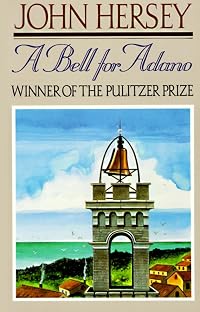
A Bell for Adano
by John Hersey
On This Page
Description
Classic Literature. Fiction. John Hersey grew up in China, studied at Yale and Cambridge, worked as a journalist, and astonished the nation when he won the Pulitzer Prize in 1945 for A Bell for Adano. His first novel, its offbeat blend of patriotism and warm humor immediately captured readers' hearts. In 1943, the American Major Victor Joppolo finds himself the civil affairs officer-the mayor-of a small town in Sicily. Equipped with the rulebook, How to Bring American Democracy to Liberated show more Territories, he sets about bringing choices to a people whose every recent activity had been dictated. Asking them what the town needs most, he is answered: give the town back its spirit-a bell to replace the 700-year-old one that was melted down for bullets. The major soon discovers that he may not be able to guarantee democracy for the ancient town, but he can do something about the bell. His story is one of humanity in the midst of war's cruelty, and conviction in a maze of military bureaucracy. show lessTags
Recommendations























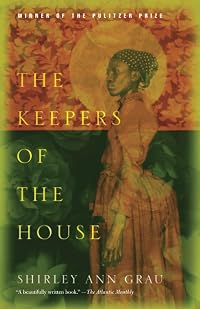

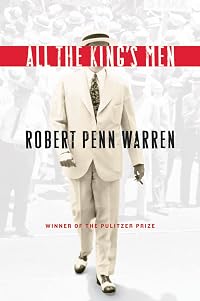
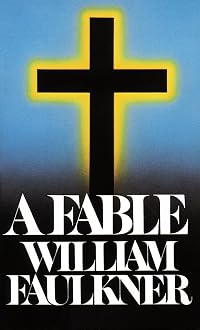


Member Recommendations

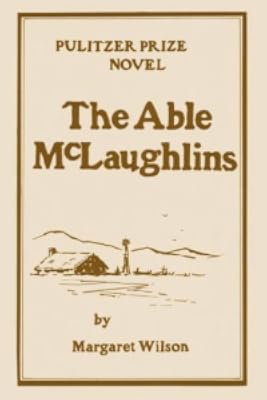
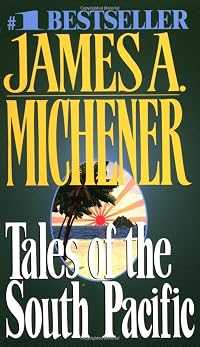
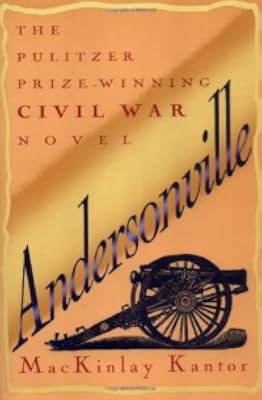
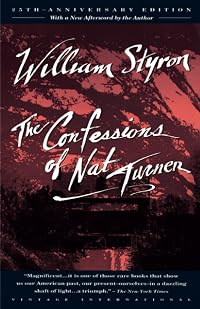
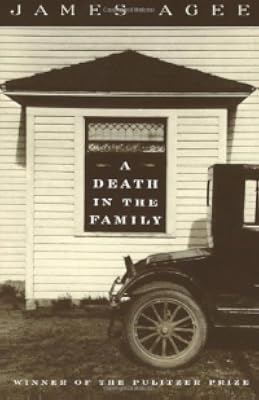
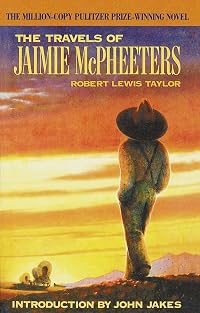
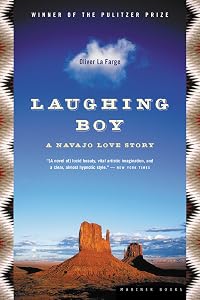
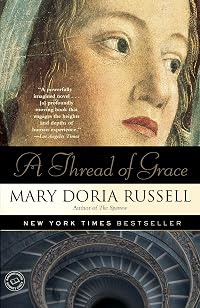
quartzite Another story about an occupied Italian town during WWII
Member Reviews
3.5, rounded up.
Written in 1944, while the war was still in progress, A Bell for Adano is a more positive and humorous read than I had expected. Not to say the angst of war and loss is not there, but the battles are in the background and this is really a story of reconstruction. It is the story of one man, Major Victor Joppolo, an Italian American, who is given the assignment of Civil Affairs Officer; his duties to see to the needs of the Sicilian town of Adano, which has just been freed from Nazi control.
Can you imagine this major job not being interfered with by bureaucrats who cannot get out of the way of what the men on the ground need to do? Neither could Hersey, so he included General Marvin, a character you cannot help but hate, show more and one I am positive was based on a real general Hersey knew, just as Joppolo was based on a real major, Mr. Toscani.
Victor Joppolo is a moral man. He makes mistakes, but he sincerely wishes to restore this town and its people to some semblance of the lives they led before the war, and it takes some moral courage and fortitude to do that. The bell in reference is a 400 year old bell that the Nazi’s seized and melted down for weapons production. For the town, and for Joppolo, this bell represents something more than itself, it is the symbol of their freedom and for all that was lost and cannot be restored. It is Joppolo’s mission to replace the bell.
This is a delightful and sweet read. While I feel it would not get even a nod by the Pulitzer committee today, it was very significant in its time. One of the most vital debates toward the end of the war was how to deal with the areas and the people who were under Nazi rule, particularly in areas like Italy where that might appear to be a choice they made, rather than their being a conquered population. How much assistance, monetary and otherwise, should be given to help rebuild? I like Joppolo’s answer to this question, and I believe most Americans did at the time. I think this explains the Pulitzer, and since the prize is for a specific year and cannot be separated from the historical events of the time, I think it was well bestowed. show less
Written in 1944, while the war was still in progress, A Bell for Adano is a more positive and humorous read than I had expected. Not to say the angst of war and loss is not there, but the battles are in the background and this is really a story of reconstruction. It is the story of one man, Major Victor Joppolo, an Italian American, who is given the assignment of Civil Affairs Officer; his duties to see to the needs of the Sicilian town of Adano, which has just been freed from Nazi control.
Can you imagine this major job not being interfered with by bureaucrats who cannot get out of the way of what the men on the ground need to do? Neither could Hersey, so he included General Marvin, a character you cannot help but hate, show more and one I am positive was based on a real general Hersey knew, just as Joppolo was based on a real major, Mr. Toscani.
Victor Joppolo is a moral man. He makes mistakes, but he sincerely wishes to restore this town and its people to some semblance of the lives they led before the war, and it takes some moral courage and fortitude to do that. The bell in reference is a 400 year old bell that the Nazi’s seized and melted down for weapons production. For the town, and for Joppolo, this bell represents something more than itself, it is the symbol of their freedom and for all that was lost and cannot be restored. It is Joppolo’s mission to replace the bell.
This is a delightful and sweet read. While I feel it would not get even a nod by the Pulitzer committee today, it was very significant in its time. One of the most vital debates toward the end of the war was how to deal with the areas and the people who were under Nazi rule, particularly in areas like Italy where that might appear to be a choice they made, rather than their being a conquered population. How much assistance, monetary and otherwise, should be given to help rebuild? I like Joppolo’s answer to this question, and I believe most Americans did at the time. I think this explains the Pulitzer, and since the prize is for a specific year and cannot be separated from the historical events of the time, I think it was well bestowed. show less
A Bell for Adano reminds me of Catch-22 in its comic vision of the U.S. military in the Mediterranean theater during World War II. Its main character, Major Victor Joppolo, is no Yossarian, but the cast of characters surrounding him are, while far less determined to either defraud or escape from the military, nonetheless just as clownish in their behavior and incompetent in their service as those surrounding Yossarian.
Joppolo is the administrator of the town of Adano, which has been recently liberated from the Fascists. He must figure who among the "American-loving, Fascist-hating" townsmen he can trust to help him restore the town. While his official mission is to see that the town functions, his true mission becomes to make the people show more of the town happy. As part of this, he is determined to find a suitable replacement for the 700-year-old bell which was taken from the town tower by the Italian army and melted for armaments. On his quest, he earns the friendship of the townspeople, the respect of his fellow soldiers, and the love of one of the women of the town.
In simple language, Hersey paints a portrait of simple people negotiating their way from their mistrust and disdain for the mafia and Fascists who ran their lives to acceptance that the Americans are not just substitute despots but truly benevolent overseers. The novel's events are equally funny, tragic, happy and sad, and the bitter-sweet, no-good-deed-goes-unpunished ending feels both true-to-life and appropriate.
A Bell for Adano is a short but enjoyable story told in a manner befitting the characters who people the book. show less
Joppolo is the administrator of the town of Adano, which has been recently liberated from the Fascists. He must figure who among the "American-loving, Fascist-hating" townsmen he can trust to help him restore the town. While his official mission is to see that the town functions, his true mission becomes to make the people show more of the town happy. As part of this, he is determined to find a suitable replacement for the 700-year-old bell which was taken from the town tower by the Italian army and melted for armaments. On his quest, he earns the friendship of the townspeople, the respect of his fellow soldiers, and the love of one of the women of the town.
In simple language, Hersey paints a portrait of simple people negotiating their way from their mistrust and disdain for the mafia and Fascists who ran their lives to acceptance that the Americans are not just substitute despots but truly benevolent overseers. The novel's events are equally funny, tragic, happy and sad, and the bitter-sweet, no-good-deed-goes-unpunished ending feels both true-to-life and appropriate.
A Bell for Adano is a short but enjoyable story told in a manner befitting the characters who people the book. show less
This Pulitzer Prize-winning tale recounts the experiences of Major Victor Joppolo, an Italian-American officer put in charge of administering the American-occupied village of Adano, Italy in the final days of WWII. Joppolo’s ostensible mission is to rebuild the village’s infrastructure in the wake of the war and the toll exacted by decades of facist rule. However, Joppolo understands that he has been charged with a less tangible but even more important duty: to demonstrate the advantages of American governance/justice and win over the hearts/minds of the townspeople. To this end, he devotes himself to locating a replacement for a beloved and deeply-mourned town bell looted by the facists. I admit I quickly fell in love with show more Hersey’s beguiling characters, his courtly prose, and his gentle but penetrating eye for irony.
It is easy – perhaps too easy – to label the author’s depiction of characters in the novel as stereotypical, and his depiction of Joppolo’s attitude towards the citizens of Adano as condescending and paternalistic. At least part of the problem is that the charm of Hersey’s prose tends to mask the extent to which his characters embody both virtue and vice. Joppolo’s aide-de-camp cleverly humiliates a former facist official up to no good, but his intentions towards the women in the town are unabashedly crude. General Martin delights in liberating Italy from wicked facists, but thinks nothing of brutally slaughtering a donkey belonging to a peasant, simply because he has the temerity to get in his way. Even the actions of Joppolo are depicted as a recognizably human balance between idealism (believing in the superiority of the “American Way”) and vanity (wanting to win the love/admiration of the townspeople), loyalty (to his country) and disloyalty (to his wife).
In short, I suspectg that perceived anachronisms in this tale probably represent actual anachronisms that existed at this fascinating moment in U.S. history. It was a time when average villagers in small rural European towns genuinely were unsophisticated, when America genuinely did feel a paternalistic responsibility towards the rest of the world; a time when newly-minted Americans embraced cultural stereotypes as a way of celebrating their country’s diversity, and when American servicemen saw nothing hypocritical in idealizing their wives while simultaneously seeking the physical solace of foreign damsels. Hersey’s gift is helping us to see how these anachronisms have shaped (and continue to shape) the way the world has come to view Americans, and the way we have come to view ourselves. show less
It is easy – perhaps too easy – to label the author’s depiction of characters in the novel as stereotypical, and his depiction of Joppolo’s attitude towards the citizens of Adano as condescending and paternalistic. At least part of the problem is that the charm of Hersey’s prose tends to mask the extent to which his characters embody both virtue and vice. Joppolo’s aide-de-camp cleverly humiliates a former facist official up to no good, but his intentions towards the women in the town are unabashedly crude. General Martin delights in liberating Italy from wicked facists, but thinks nothing of brutally slaughtering a donkey belonging to a peasant, simply because he has the temerity to get in his way. Even the actions of Joppolo are depicted as a recognizably human balance between idealism (believing in the superiority of the “American Way”) and vanity (wanting to win the love/admiration of the townspeople), loyalty (to his country) and disloyalty (to his wife).
In short, I suspectg that perceived anachronisms in this tale probably represent actual anachronisms that existed at this fascinating moment in U.S. history. It was a time when average villagers in small rural European towns genuinely were unsophisticated, when America genuinely did feel a paternalistic responsibility towards the rest of the world; a time when newly-minted Americans embraced cultural stereotypes as a way of celebrating their country’s diversity, and when American servicemen saw nothing hypocritical in idealizing their wives while simultaneously seeking the physical solace of foreign damsels. Hersey’s gift is helping us to see how these anachronisms have shaped (and continue to shape) the way the world has come to view Americans, and the way we have come to view ourselves. show less
When I first read and quite favorably reviewed Hiroshima early last month — followed up by a re-read and a less enthusiastic review of White Lotus — I also mentioned A Bell for Adano as a title I vaguely recalled from my youth, although I was quite certain I’d never read the book.
I now have — and regret to say that I’m quite underwhelmed by it, all of the positive reviews here and at Amazon notwithstanding.
Forgive me. I know that Hersey won the Pulitzer Prize for this book. And although the Pulitzer’s not the Nobel, it’s something.
I just don’t see it. The characters are too pat. The dialogue is at times downright silly. The plot-line, too obvious.
Although it is possible that a Christ-like character in the mold of Major show more Joppolo exists somewhere on the planet, and although it is even more likely that an antichrist-like character (or dozens of them) in the guise of General Marvin populates the military, the timing of their first and only meeting, of General Marvin’s arbitrary and pigheaded order that carts would henceforth not be allowed inside the gates of Adano, and of Joppolo’s recall from Adano (for eventually countermanding that order) the very evening the whole town of Adano is celebrating his “reign” is, well, just a tad too pat. It makes for a warm and fuzzy story, no question; but realistic?
Where I think Hersey does earn accolades is in his portrayal of many of the mediocrities in the military. War is bad enough. But to add to it the stupidity and pigheadedness of officers who govern the conduct and eventual outcome of that war is, well, downright disheartening — to say the very least. As Hersey suggests at one point in his story, the ultimate goal of a soldier is, quite simply, to get home. If possible, in one piece. As we know from history, and as John Hersey makes clear in this fictional account, certain officers can make that simple goal a very real challenge.
RRB
9/03/13
Brooklyn, NY show less
I now have — and regret to say that I’m quite underwhelmed by it, all of the positive reviews here and at Amazon notwithstanding.
Forgive me. I know that Hersey won the Pulitzer Prize for this book. And although the Pulitzer’s not the Nobel, it’s something.
I just don’t see it. The characters are too pat. The dialogue is at times downright silly. The plot-line, too obvious.
Although it is possible that a Christ-like character in the mold of Major show more Joppolo exists somewhere on the planet, and although it is even more likely that an antichrist-like character (or dozens of them) in the guise of General Marvin populates the military, the timing of their first and only meeting, of General Marvin’s arbitrary and pigheaded order that carts would henceforth not be allowed inside the gates of Adano, and of Joppolo’s recall from Adano (for eventually countermanding that order) the very evening the whole town of Adano is celebrating his “reign” is, well, just a tad too pat. It makes for a warm and fuzzy story, no question; but realistic?
Where I think Hersey does earn accolades is in his portrayal of many of the mediocrities in the military. War is bad enough. But to add to it the stupidity and pigheadedness of officers who govern the conduct and eventual outcome of that war is, well, downright disheartening — to say the very least. As Hersey suggests at one point in his story, the ultimate goal of a soldier is, quite simply, to get home. If possible, in one piece. As we know from history, and as John Hersey makes clear in this fictional account, certain officers can make that simple goal a very real challenge.
RRB
9/03/13
Brooklyn, NY show less
This is a very American book. It could not have been written by any other nationality. It also could not have been written in any other era, certainly not in today's (2007) post-Vietnam, Iraq-burdened United States.
In a Bell for Adano, Hersey tells the story of the occupation and administration by Allied forces in 1943 of a recently-liberated Sicilian village. The administrator, Major Victor Joppolo, himself Italian-American, is an idealistic young man who earnestly wishes to help the village for all the "right" reasons-- to see justice done but with compassion, to help the villagers practice and see the benefits of democracy, American style--and a very American desire to be liked. He is, as the Prologue asks us to believe,
"a good show more man".
The village is shattered under the twin effects of over a decade of Fascist rule and the war. Joppolo's desire is to see the town get back on its feet as fast as it can.
So, instead of fast-paced action, we have a series of interwoven vignettes of just how that occurs. Early on, Joppolo discovers that the people of the town are both greiving and outraged over the loss of their 700 year old town bell. During the time just before thre allied invasion, the Fascists had removed the bell to have it melted down to make cannon. The bell was a part of the psyche of the village. It was the one that rang out the hours, it
"told us when to do things, such as eating. It told us when to have the morning egg and when to have pasta and rabbit and when to have wine in the evening."
It was
"the tone that mattered. It soothed all the people of this town. It chided those who were angry, it cheered the unhappy ones, it even laughed with those who were drunk. It was a tone for everybody".
Moved, Joppolo dedicates himself to finding another, suitable bell.
But meantime the bakeries have to reopen, the fishermen must be able to fish again--and food and water must be brought into the village by mule cart.
And there hangs the crisis of the tale. The late 20th century-early 21st century American idolatry of the military does not take into account the common soldier's experience--that most general officers are narrow-minded, rigid egotists who have no business in any sort of position of authority. We meet one such, General Marvin, who bewilders the village by ordering the killing of the mule of a poor carter and forbidding the entry into the village of any carts--all because one cart was in his way as he made his self-important way down the road. Joppolo, in an act of common sense, rescinds the order--and lays the foundation for his own undoing.
And so the story unfolds--of good acts by the major, of whom the village becomes quite fond, of the hard-headed common sense displayed by the cynical Sgt. Borth, of well-intentioned but disastrous acts on the part of 3 drunken M.P.s. Joppolo uses ingenuity and a sound knowledge of the psychology of his countrymen to get things done--while falling in love with one of the beautiful Sicilian young women in the town, who has lost her fiancé in an insane act during the recent invasion.
In the end, Joppolo's common sense is his undoing, and he is removed form the village by order of General Marvin. But not before he sees the replacement bell--a bell for Adano--hung in the bell tower and hears its clear tone ringing out as he makes his way out of the village.
Hersey's simple, direct style conveys beautifully the view that Americans had of themselves at this time--direct, uncomplicated people with common sense values who knew how to get things done. An idealistic people who really believed in democracy and that The American Way as embodied in American values would work for everyone. Yes, there are stupid people such as General Marvin, and the acts of American soldiers were sometimes embarassing but still, overall, the G.I.s behaved well and sincerely.
That was the rock-solid belief. The truth, as in all wars, no doubt was different, but that's what Americans believed.
It's a gentle book about good but far from perfect people struggling to survive in the aftermath of war--both the conquered and the conquerors. People die but accidentally. The truth was no doubt different, but Hersey's book captured the beliefs and ideals of the American people who had just come through a horrendous war but could still feel compassion for the unwitting victims of that war. The Marshal Plan was probably the perfect embodiment of that spirit and generosity.
It is a book that could not be written today. show less
In a Bell for Adano, Hersey tells the story of the occupation and administration by Allied forces in 1943 of a recently-liberated Sicilian village. The administrator, Major Victor Joppolo, himself Italian-American, is an idealistic young man who earnestly wishes to help the village for all the "right" reasons-- to see justice done but with compassion, to help the villagers practice and see the benefits of democracy, American style--and a very American desire to be liked. He is, as the Prologue asks us to believe,
"a good show more man".
The village is shattered under the twin effects of over a decade of Fascist rule and the war. Joppolo's desire is to see the town get back on its feet as fast as it can.
So, instead of fast-paced action, we have a series of interwoven vignettes of just how that occurs. Early on, Joppolo discovers that the people of the town are both greiving and outraged over the loss of their 700 year old town bell. During the time just before thre allied invasion, the Fascists had removed the bell to have it melted down to make cannon. The bell was a part of the psyche of the village. It was the one that rang out the hours, it
"told us when to do things, such as eating. It told us when to have the morning egg and when to have pasta and rabbit and when to have wine in the evening."
It was
"the tone that mattered. It soothed all the people of this town. It chided those who were angry, it cheered the unhappy ones, it even laughed with those who were drunk. It was a tone for everybody".
Moved, Joppolo dedicates himself to finding another, suitable bell.
But meantime the bakeries have to reopen, the fishermen must be able to fish again--and food and water must be brought into the village by mule cart.
And there hangs the crisis of the tale. The late 20th century-early 21st century American idolatry of the military does not take into account the common soldier's experience--that most general officers are narrow-minded, rigid egotists who have no business in any sort of position of authority. We meet one such, General Marvin, who bewilders the village by ordering the killing of the mule of a poor carter and forbidding the entry into the village of any carts--all because one cart was in his way as he made his self-important way down the road. Joppolo, in an act of common sense, rescinds the order--and lays the foundation for his own undoing.
And so the story unfolds--of good acts by the major, of whom the village becomes quite fond, of the hard-headed common sense displayed by the cynical Sgt. Borth, of well-intentioned but disastrous acts on the part of 3 drunken M.P.s. Joppolo uses ingenuity and a sound knowledge of the psychology of his countrymen to get things done--while falling in love with one of the beautiful Sicilian young women in the town, who has lost her fiancé in an insane act during the recent invasion.
In the end, Joppolo's common sense is his undoing, and he is removed form the village by order of General Marvin. But not before he sees the replacement bell--a bell for Adano--hung in the bell tower and hears its clear tone ringing out as he makes his way out of the village.
Hersey's simple, direct style conveys beautifully the view that Americans had of themselves at this time--direct, uncomplicated people with common sense values who knew how to get things done. An idealistic people who really believed in democracy and that The American Way as embodied in American values would work for everyone. Yes, there are stupid people such as General Marvin, and the acts of American soldiers were sometimes embarassing but still, overall, the G.I.s behaved well and sincerely.
That was the rock-solid belief. The truth, as in all wars, no doubt was different, but that's what Americans believed.
It's a gentle book about good but far from perfect people struggling to survive in the aftermath of war--both the conquered and the conquerors. People die but accidentally. The truth was no doubt different, but Hersey's book captured the beliefs and ideals of the American people who had just come through a horrendous war but could still feel compassion for the unwitting victims of that war. The Marshal Plan was probably the perfect embodiment of that spirit and generosity.
It is a book that could not be written today. show less
At first I thought it racist, because the Italians are portrayed as ridiculous, as naive and childish backwards people, and Joppolo as a savior. Then I realized that everyone except Joppolo is denigrated, and he is drawn as just a good guy trying to do a good job and be liked and be not too vulnerable to his foibles. So, I'm getting along on the humorous bits and being moved by some tragic bits. Then I get to the end and find that the horrid American officer who couldn't be troubled to learn the "wop" language gets off free, as if the author thinks he's just another dude who is not quite as wonderful as Joppolo. So, you know what, I didn't particularly like this book. If it were any longer (wordier, less concise) I'd take another star off.
This is a semi-sweet story set in WWII in which an Italian-American Major is assigned charge of a small port town in Sicily as the fascists are being routed by the allied forces. At the start I was unsure how much I would like it. Major Joppollo has a somewhat snarky aide, Seargent Borth. The time for this novel would be the summer of 1943.
As I read I was drawn in to the story and the Major's efforts to improve the infrastructure of this town following the toppling of Mussolini. Among the problems he faces is the loss of the town's 700 year old bell, which Mussolini had ordered to be taken and melted down for the metal for weapons. The bell was the heart of the town it seems.
The story is told in a simple, gentle style, very unlike show more modern novels. It is a very American story, and rather paternalistic. There's also a sort of sub-theme in here that America's strength came from being a nation of immigrants. There are sweet, odd and interesting characters in here that I enjoyed observing and getting to know. A glimpse at a world that no longer exists. I liked it quite a bit. show less
As I read I was drawn in to the story and the Major's efforts to improve the infrastructure of this town following the toppling of Mussolini. Among the problems he faces is the loss of the town's 700 year old bell, which Mussolini had ordered to be taken and melted down for the metal for weapons. The bell was the heart of the town it seems.
The story is told in a simple, gentle style, very unlike show more modern novels. It is a very American story, and rather paternalistic. There's also a sort of sub-theme in here that America's strength came from being a nation of immigrants. There are sweet, odd and interesting characters in here that I enjoyed observing and getting to know. A glimpse at a world that no longer exists. I liked it quite a bit. show less
Members
- Recently Added By
Lists

Pulitzer Prize Winners for Fiction
102 works; 54 members

Publisher's Weekly Bestsellers - Part II - 1940 - 1979
355 works; 5 members

LtGen James Mattis' Reading List
58 works; 2 members

1964 College Preparatory Reading List
202 works; 8 members

THE WAR ROOM
813 works; 24 members
School Made Us Read It
380 works; 196 members

Read For Your Life
157 works; 1 member

Books Featured on Readers' Review of the Diane Rehm Show
161 works; 8 members
Author Information

60+ Works 12,718 Members
Some Editions
Awards and Honors
Awards
Distinctions
Notable Lists
Series
Belongs to Publisher Series
Work Relationships
Is contained in
Has the adaptation
Has as a student's study guide
Common Knowledge
- Canonical title
- A Bell for Adano
- Original publication date
- 1944
- People/Characters
- Major Victor Joppolo; Sergeant Borth; General Marvin; Zito Giovanni; Ribaudo Guiseppe; Father Pensovecchio (show all 13); Mercurio Salvatore; Tomasino; Tina; Lieutenant Livingston; Mayor Nasta; Gargano; Errante Gaetano
- Important places
- Sicily, Italy
- Important events
- Allied Invasion of Sicily
- Related movies
- A Bell for Adano (1945 | IMDb); Hallmark Hall of Fame: A Bell for Adano (1967 | IMDb)
- First words
- Invasion has come to the town of Adano.
- Last words
- (Click to show. Warning: May contain spoilers.)"Yes," he said, "eleven o'Clock."
Classifications
- Genres
- Fiction and Literature, General Fiction, Historical Fiction
- DDC/MDS
- 813.54 — Literature & rhetoric American literature in English American fiction in English 1900-1999 1945-1999
- LCC
- PS3515 .E7715 .B5 — Language and Literature American literature American literature Individual authors 1900-1960
- BISAC
Statistics
- Members
- 1,228
- Popularity
- 20,139
- Reviews
- 33
- Rating
- (3.75)
- Languages
- 5 — English, French, Hungarian, Italian, Swedish
- Media
- Paper, Audiobook, Ebook
- ISBNs
- 22
- ASINs
- 60