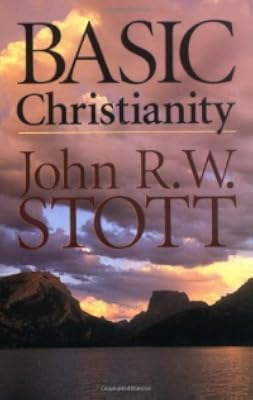
Basic Christianity
by John R. W. Stott
On This Page
Description
John Stott embarks on a compelling course of study that first defends the fundamental claims of Christianity and then defines the proper outworkings of these basic beliefs in the daily lives of believers. Here is a sound, sensible guide for those who are seeking an intellectually satisfying presentation of the Christian faith.Tags
Recommendations


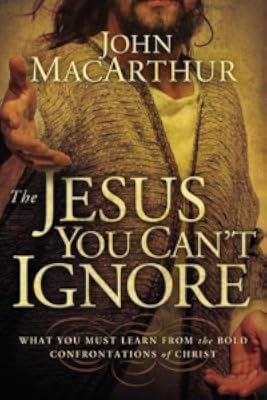
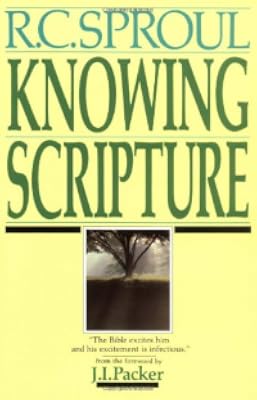
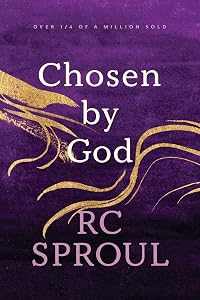
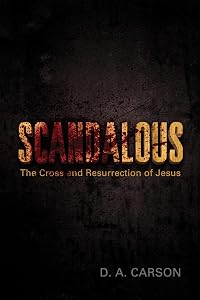


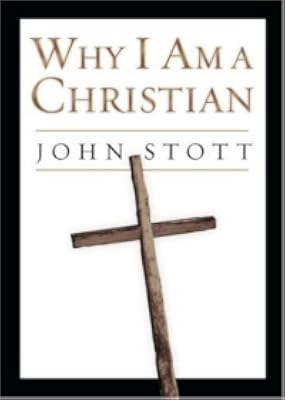
Member Recommendations

lhungsbe My go-to version of the Bible. No additions or deletions. Easy to read.
30
Member Reviews
There seems to be a plethora of books that run upon the theme of this book: a basic outline of the Christian faith with a plea at the end to give one's life to Christ and then what to do once you have made that step. However this book was originally published a lot earlier than I though since I originally though that it was released sometime in the early 70s, though I now notice that this particular book was released back in the late 50s. It sort of undermines my argument a bit, but I think I will still go down that path considering that I will be looking at why so many of these books have been written in the last forty to fifty years when you didn't actually get anywhere near as many published beforehand.
My suspicion is that it is show more because there was a change in society's attitude during the 50s that suddenly exploded in the 60s, that being the realisation that one did not need to go to church every Sunday, and then the general acceptance that one did not need to be a Christian to be a member of society. Okay, there had been debates for the previous 200 years over the truth of Christianity, however many of the loudest opponents of Christianity were still in the minority. This began to change in the 50s and the 60s with the baby boomers beginning to throw off the shackles of society and beginning to embrace their own freedom.
Up until that point, pretty much everybody went to church, and it was only the die hard academics that would be promoting Atheism. This began to change, and the main reason that it began to change was that the idea of separation of church and state began to grow, a separation that basically said that there should be no national church, and that any church could co-exist within the state. This movement began in the United States and slowly spread across the Atlantic to Europe. Once the acceptance of multiple denominations co-existing had been established, it was a small step to take to accept that people not only did not need to belong to specific national denomination, but did not need to be a Christian, or follow the Christian creed, if they did not want to.
Thus the reason we are seeing pretty much every pastor and his dog writing a tract, book, or bible study, on what Christianity is and what it means to be a Christian, and how to be a Christian, is because people are not going to church any more, and because they are not going to church, they are no longer regularly exposed to Christian teaching. Okay, when people did regularly go to church, a lot of them weren't exposed to such teaching either, however things were beginning to change around the time Stott wrote this book.
As for the book itself, I found that it was very basic and there was nothing here that I had not read before. The book begins with evidence supporting the existence of Christ and his divinity, then goes on to his death and resurrection, and finishes off with how one becomes a Christian and then what one does after one becomes a Christian. However there are a few problems.
First of all, he writes as if Jesus is the only God-man in myth that took human form, died, and rose again. That, frankly, is wrong. Okay, the difference is that Jesus' incarnation and resurrection occurred in history as opposed to legend, but once again he is not the only one. As C.S. Lewis once indicated, the only thing that separates Christianity from the other religions is not the incarnation, the virgin birth, or the resurrection, but grace.
Secondly the thing about living a Christian life is very objective and does not seem to recognise that one's relationship with God, like all other relationships, exists on a subjective level. Okay, the ideas of reading the Bible and regularly praying are helpful, but I get the feeling that the evangelical Anglican movement (in fact the entire evangelical movement) has a very problematic attitude towards subjectivism to the point that the idea seems to scare them, and in respose tries to create a robotic, objective, version of Christianity.
Finally, the idea about sin was particularly harsh. Stott's writing suggests that the world is full of monstrous self-centered individuals, and while I don't accept the idea that everybody by nature is good, I feel that he has gone the opposite direction. Granted, in God's eyes we are all monstrous, but the problem with the teaching is it instils such a huge amount of guilt into people that it can be very difficult to escape. My position is that yes, in God's eyes, we are all monsters, but subjectively, people differ and differ a lot. There are a lot of really nice, helpful, and selfless non-Christians out there, and a lot of greedy, arrogant, and tyrannical Christians (or at least call themselves Christians). Somehow we need to find a way to create some sort of balance with these opposing truths. show less
My suspicion is that it is show more because there was a change in society's attitude during the 50s that suddenly exploded in the 60s, that being the realisation that one did not need to go to church every Sunday, and then the general acceptance that one did not need to be a Christian to be a member of society. Okay, there had been debates for the previous 200 years over the truth of Christianity, however many of the loudest opponents of Christianity were still in the minority. This began to change in the 50s and the 60s with the baby boomers beginning to throw off the shackles of society and beginning to embrace their own freedom.
Up until that point, pretty much everybody went to church, and it was only the die hard academics that would be promoting Atheism. This began to change, and the main reason that it began to change was that the idea of separation of church and state began to grow, a separation that basically said that there should be no national church, and that any church could co-exist within the state. This movement began in the United States and slowly spread across the Atlantic to Europe. Once the acceptance of multiple denominations co-existing had been established, it was a small step to take to accept that people not only did not need to belong to specific national denomination, but did not need to be a Christian, or follow the Christian creed, if they did not want to.
Thus the reason we are seeing pretty much every pastor and his dog writing a tract, book, or bible study, on what Christianity is and what it means to be a Christian, and how to be a Christian, is because people are not going to church any more, and because they are not going to church, they are no longer regularly exposed to Christian teaching. Okay, when people did regularly go to church, a lot of them weren't exposed to such teaching either, however things were beginning to change around the time Stott wrote this book.
As for the book itself, I found that it was very basic and there was nothing here that I had not read before. The book begins with evidence supporting the existence of Christ and his divinity, then goes on to his death and resurrection, and finishes off with how one becomes a Christian and then what one does after one becomes a Christian. However there are a few problems.
First of all, he writes as if Jesus is the only God-man in myth that took human form, died, and rose again. That, frankly, is wrong. Okay, the difference is that Jesus' incarnation and resurrection occurred in history as opposed to legend, but once again he is not the only one. As C.S. Lewis once indicated, the only thing that separates Christianity from the other religions is not the incarnation, the virgin birth, or the resurrection, but grace.
Secondly the thing about living a Christian life is very objective and does not seem to recognise that one's relationship with God, like all other relationships, exists on a subjective level. Okay, the ideas of reading the Bible and regularly praying are helpful, but I get the feeling that the evangelical Anglican movement (in fact the entire evangelical movement) has a very problematic attitude towards subjectivism to the point that the idea seems to scare them, and in respose tries to create a robotic, objective, version of Christianity.
Finally, the idea about sin was particularly harsh. Stott's writing suggests that the world is full of monstrous self-centered individuals, and while I don't accept the idea that everybody by nature is good, I feel that he has gone the opposite direction. Granted, in God's eyes we are all monstrous, but the problem with the teaching is it instils such a huge amount of guilt into people that it can be very difficult to escape. My position is that yes, in God's eyes, we are all monsters, but subjectively, people differ and differ a lot. There are a lot of really nice, helpful, and selfless non-Christians out there, and a lot of greedy, arrogant, and tyrannical Christians (or at least call themselves Christians). Somehow we need to find a way to create some sort of balance with these opposing truths. show less
John Stott in this book goes through basics of Christian faith. It's simple, easy read and loved his lucid writing. I would recommend this for new followers of Christ, and skeptics who want to understand what the Christian faith really means.
--Deus Vult
Gottfried
--Deus Vult
Gottfried
In this book Stott walks you through “Basic Christianity” but not on a basic level. This short book is packed full of explanation and examples of how God is reaching out for you. He explains how to come into true relationship with Jesus. I would recommend this book to new believes or long time followers wanting a refresher course.
John Stott in this book goes through basics of Christian faith. It's simple, easy read and loved his lucid writing. I would recommend this for new followers of Christ, and skeptics who want to understand what the Christian faith really means.
--Deus Vult
Gottfried
--Deus Vult
Gottfried
In this book Stott walks you through “Basic Christianity” but not on a basic level. This short book is packed full of explanation and examples of how God is reaching out for you. He explains how to come into true relationship with Jesus. I would recommend this book to new believes or long time followers wanting a refresher course.
A really well written, clear and logical presentation of the foundations of the Christian faith. There were some insights which expressed things that I have believed for some time, but which I don't recall seeing so concisely and clearly summarised anywhere else.
This book investigates who Jesus was, why He was crucified, whether He rose from the dead, and what it really means to be a Christian.
Members
- Recently Added By
Lists

Church Times 100 Best Christian Books
106 works; 26 members

Develop Your Personal Christian Library
101 works; 15 members

Top 50 Books That Have Shaped Evangelical Christians
49 works; 6 members
Sycamore Baptist Church Book Study Reading List
156 works; 5 members
Trinity Norman Recommended Christian Readings
170 works; 5 members

Xenos Christian Fellowship Book Suggestions
102 works; 2 members
Author Information

370+ Works 46,364 Members
John R. W. Stott (1921-2011) has been known worldwide as a preacher, evangelist, and communicator of Scripture. For many years he served as rector of All Souls Church in London, where he carried out an effective urban pastoral ministry. A leader among evangelicals in Britain, the United States, and around the world, Stott was a principal framer of show more the landmark Lausanne Covenant (1974). Stott's many books, including Basic Christianity and The Cross of Christ, have sold millions of copies. In the Bible Speaks Today series, for which he served as New Testament editor, he wrote eight volumes, including The Message of Acts and The Message of Ephesians. show less
Awards and Honors
Series
Belongs to Publisher Series
Work Relationships
Has the adaptation
Common Knowledge
- Canonical title*
- Einführung ins Christentum
- Original title
- Basic Christianity
- Alternate titles
- 真理的尋索 : 基督教是否可信; 真理的尋索 : 基督教是否可信. English; 基督教是否可信. English; 基督教是否可信
- Original publication date
- 1965
- People/Characters
- Jesus Christ
- First words*
- "Am Anfang schuf Gott..." Diese ersten Worte der Bibel sind der Schlüssel zum Verständnis der ganzen Heiligen Schrift.
- Last words*
- (Click to show. Warning: May contain spoilers.)Er erwartet sehnlich das Kommen seines Herrn, der eines Tages wiederkommen wird, um sein ewiges Reich der Gerechtigkeit und des Friedens aufzurichten.
*Some information comes from Common Knowledge in other languages. Click "Edit" for more information.
Classifications
Statistics
- Members
- 4,794
- Popularity
- 2,965
- Reviews
- 17
- Rating
- (4.03)
- Languages
- 12 — Afrikaans, Chinese, Dutch, English, French, German, Farsi/Persian, Polish, Portuguese, Spanish, Swedish, Turkish
- Media
- Paper, Audiobook, Ebook
- ISBNs
- 46
- ASINs
- 42