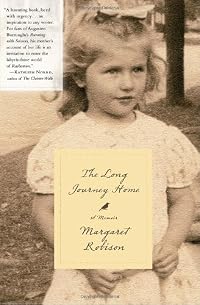
The Long Journey Home: A Memoir
by Margaret Robison
On This Page
Description
The mother of the bestselling memoirists Augusten Burroughs and John Elder Robison finally tells her own heartbreaking story of her Southern Gothic childhood, tormented marriage, motherhood, mental breakdown, and journey back to sanity and contentment, in luminous, evocative prose.Tags
Recommendations
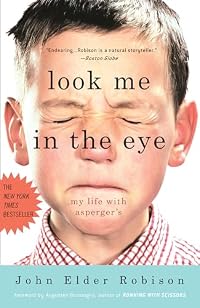
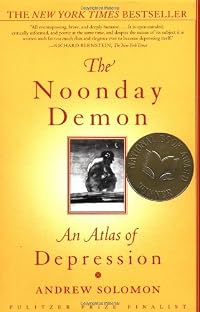
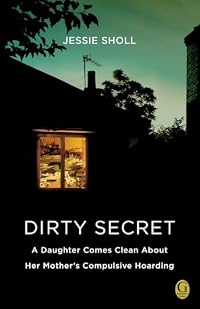
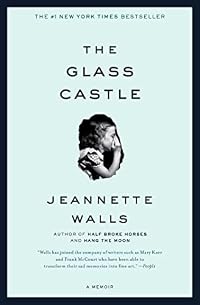
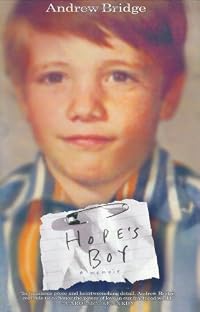

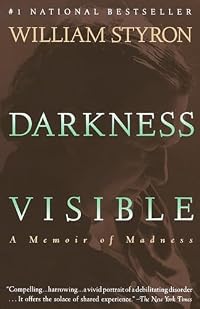
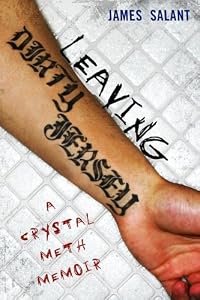

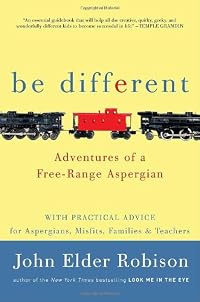



Member Recommendations
Member Reviews
I was really excited when I learned that I was to receive this book for early review. I am a huge fan of Augusten Burroughs multiple works, and was eager to see another side of the story. Unfortunately, Margaret Robison comes off as competitive, petty, and self pitying. From the first page (a letter to readers, and a point to write that Margaret Robison started her memoir FIRST) to multiple negative mentions of her son's life, plus his supposed lying, it's fairly obvious she is still nursing a wound from her sons depiction of her, while not taking any of the blame. This memoir is unbelievable, poorly written, and, at times, quite maddening. It's hard to believe a woman who is in her later years, is still delusional enough to only play show more the role of victim in her life's story. I feel that this work could have been a wonderful insight into her life, why she did the things she did, and an admittance to her mistakes, but instead she comes off as childish throughout every page. It is obvious fairly early on that she is a horrible, self absorbed mother, too caught up in her own "problems" that she can't see how horribly her children need her to save them from their environment. Any person who makes excuses and not amends for her mistakes, especially as a parent, doesn't deserve attention, never mind fame. Even if she hadn't been a famous mother, even if she has just been another unknown author telling her story, this would have been a horrible memoir. I don't know if it's just because the writing is uncorrected (I have never read an early review copy before) but the style is boring, short, and surprisingly unpoetic. It seems like it was written in the style of someone talking. And while she often admits that she lost a lot of memory in her stroke, and that she has a horrible memory in general, she often remembers things while in a state of "psychosis".
I tend to let unlikable characters slide if the writing is enjoyable. Unlikeable characters is a part of life. But even for a memoir the character is self absorbed. She has very few, if any, redeeming qualities. And to top it all off, as I said, the writing is atrocious. I really wanted my first early review to be shining and positive, but I just can't do it. I probably wouldn't have even finished this book if it wasn't for Early Review. This book should never have been published. And I honestly doubt it would have been if it weren't for her sons fame. It sickens me that she is trying to defame his character while riding his coattails. Margaret Robison comes off as a horrible person, a horrible mother, and above all, a horrible writer. show less
I tend to let unlikable characters slide if the writing is enjoyable. Unlikeable characters is a part of life. But even for a memoir the character is self absorbed. She has very few, if any, redeeming qualities. And to top it all off, as I said, the writing is atrocious. I really wanted my first early review to be shining and positive, but I just can't do it. I probably wouldn't have even finished this book if it wasn't for Early Review. This book should never have been published. And I honestly doubt it would have been if it weren't for her sons fame. It sickens me that she is trying to defame his character while riding his coattails. Margaret Robison comes off as a horrible person, a horrible mother, and above all, a horrible writer. show less
 This review was written for LibraryThing Early Reviewers.
I came to this book, THE LONG JOURNEY HOME, with high hopes. That was probably my first mistake, because my eager anticipation was not rewarded. In fact I nearly put the book aside after reading the first fifty pages or so, because the first section about Robison's childhood is stultifyingly slow and not very interesting. But I stayed with the book, and should probably admit that those first rather boring pages with their intimations of the author's own dysfunctional and strange southern family (the Richters) were probably necessary to at least partially explain Margaret Richter Robison's own nearly lifelong struggle with mental illness and psychotic breakdowns that often left her hospitalized.
The pace of the narrative picked up show more considerably when the author left home for college and met her future husband, John Robison, who came from an equally dysfunctional background and was already something of a mental mess when the two met. The fact that he physically and emotionally abused her and threatened suicide even before they married should have been a plain warning to Margaret Richter that this union was not a good idea and doomed to failure. But this was the 1950s, and to her parents, John Robison, who was after all studying for the ministry, was considered a "good catch." And so they married. And the abuse and erratic behavior patterns and threats of suicide continued throughout their marriage of more than twenty years. The obvious question is Why did she stay, and why so long? Once again, the answer to this is deceptively simple: it was the 50s. And back then marriage really was serious business and the American mindset was that the husband was right, and was in charge. And wives were there to support their men and to make the best of whatever the situation was. Try reading Anne Roiphe's recent memoir ART AND MADNESS, about an incredibly abusive relationship and marriage she endured with her first husband for several years - because he was an aspiring writer, a playwright she admired tremendously for his potential, for his talent. Women were not part of the literary crowd back then, so she tried to live her life through him. It didn't work, of course. But it was the 50s, so she tried.
The difference between this book and the Roiphe book is the writing. Anne Roiphe is an incredibly gifted writer. Margaret Robison - despite what she may believe abour her own talent - is not. She's not even a particularly good writer. Spread throughout the narrative she makes frequent references to her writing and her poetry and her writing groups and workshops and MFA in creative writing, but my God, her style is often just excruciatingly boring, dwelling on every minute detail of what she did, thought and felt. A helpful editor would have been nice. She is supposedly, a "published poet," and there are a few lines of her "poetry" noted here and there. If these snippets are characteristic, then she would appear to be of the "butterflies-and-flowers-and tra-la-la-la-la" school of verse.
And yet here I am giving this book a 3-star rating. Well, it's not because of the writing; it's because of the morbidly compelling quantity of all the horrible things that happened to her in her life. The beatings and abuse at the hands of her crazy-but-functional husband; the multiple psychotic episodes and even more abuse perpetrated by her apparently crazy-but-functional psychotherapist, Dr Turcotte; the problems of being a mother in this whole awful home situation, with a couple of very "different" kids to boot. And there was her struggle with her own sexual identity from the time she was a teenager. It never did become clear whether she was a lesbian, bisexual, or what. And she also told of her stroke and the struggle to battle back from that. All of these elements, I must shamefacedly admit, kept me turning the pages, although I often found myself skimming much of the text which was, as I said, badly in need of an astute editor.
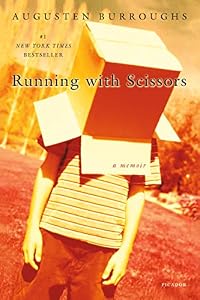
Here's the thing. I looked forward to this memoir because I'd read her sons' books - Augusten Burroughs' RUNNING WITH SCISSORS and A WOLF AT THE TABLE, and John Elder Robison's LOOK ME IN THE EYE. I enjoyed all three of these well-written memoirs, particularly the latter. I mistakenly believed that a book by their mother would be equally good. It was not. It was a compelling story, but the writing was too often exasperatingly self-pitying, self-serving and just plain bad. She felt compelled, toward the end of her book to contradict certain points that Burroughs had made in his memoirs. But given her multiple breakdowns, heavy medications and just generally loopy, self-centered behavior, even in her own words, I'm somewhat skeptical of what she says about the Burroughs books. I found nothing in THE LONG JOURNEY HOME that gives much proof of her sterling mothering skills or instincts. The truth is, this whole family was just a mess in so many ways that reading about them was, as I think I commented on one of the Burroughs books, "like watching a human train wreck."
Having said all this, I still would not be too surprised if this book sells like hotcakes. The writing stinks, but that's true of many bestsellers. Margaret Robison's sons are both pretty talented writers. I'm sad I can't say that about her, and this not-very-literary "rebuttal" to their books. Were it not for their success, I doubt this book would even have been published. I feel sorry for Margaret Robison and the often miserable life she has apparently lived, but as for her writing skills? Nope. show less
The pace of the narrative picked up show more considerably when the author left home for college and met her future husband, John Robison, who came from an equally dysfunctional background and was already something of a mental mess when the two met. The fact that he physically and emotionally abused her and threatened suicide even before they married should have been a plain warning to Margaret Richter that this union was not a good idea and doomed to failure. But this was the 1950s, and to her parents, John Robison, who was after all studying for the ministry, was considered a "good catch." And so they married. And the abuse and erratic behavior patterns and threats of suicide continued throughout their marriage of more than twenty years. The obvious question is Why did she stay, and why so long? Once again, the answer to this is deceptively simple: it was the 50s. And back then marriage really was serious business and the American mindset was that the husband was right, and was in charge. And wives were there to support their men and to make the best of whatever the situation was. Try reading Anne Roiphe's recent memoir ART AND MADNESS, about an incredibly abusive relationship and marriage she endured with her first husband for several years - because he was an aspiring writer, a playwright she admired tremendously for his potential, for his talent. Women were not part of the literary crowd back then, so she tried to live her life through him. It didn't work, of course. But it was the 50s, so she tried.
The difference between this book and the Roiphe book is the writing. Anne Roiphe is an incredibly gifted writer. Margaret Robison - despite what she may believe abour her own talent - is not. She's not even a particularly good writer. Spread throughout the narrative she makes frequent references to her writing and her poetry and her writing groups and workshops and MFA in creative writing, but my God, her style is often just excruciatingly boring, dwelling on every minute detail of what she did, thought and felt. A helpful editor would have been nice. She is supposedly, a "published poet," and there are a few lines of her "poetry" noted here and there. If these snippets are characteristic, then she would appear to be of the "butterflies-and-flowers-and tra-la-la-la-la" school of verse.
And yet here I am giving this book a 3-star rating. Well, it's not because of the writing; it's because of the morbidly compelling quantity of all the horrible things that happened to her in her life. The beatings and abuse at the hands of her crazy-but-functional husband; the multiple psychotic episodes and even more abuse perpetrated by her apparently crazy-but-functional psychotherapist, Dr Turcotte; the problems of being a mother in this whole awful home situation, with a couple of very "different" kids to boot. And there was her struggle with her own sexual identity from the time she was a teenager. It never did become clear whether she was a lesbian, bisexual, or what. And she also told of her stroke and the struggle to battle back from that. All of these elements, I must shamefacedly admit, kept me turning the pages, although I often found myself skimming much of the text which was, as I said, badly in need of an astute editor.
Here's the thing. I looked forward to this memoir because I'd read her sons' books - Augusten Burroughs' RUNNING WITH SCISSORS and A WOLF AT THE TABLE, and John Elder Robison's LOOK ME IN THE EYE. I enjoyed all three of these well-written memoirs, particularly the latter. I mistakenly believed that a book by their mother would be equally good. It was not. It was a compelling story, but the writing was too often exasperatingly self-pitying, self-serving and just plain bad. She felt compelled, toward the end of her book to contradict certain points that Burroughs had made in his memoirs. But given her multiple breakdowns, heavy medications and just generally loopy, self-centered behavior, even in her own words, I'm somewhat skeptical of what she says about the Burroughs books. I found nothing in THE LONG JOURNEY HOME that gives much proof of her sterling mothering skills or instincts. The truth is, this whole family was just a mess in so many ways that reading about them was, as I think I commented on one of the Burroughs books, "like watching a human train wreck."
Having said all this, I still would not be too surprised if this book sells like hotcakes. The writing stinks, but that's true of many bestsellers. Margaret Robison's sons are both pretty talented writers. I'm sad I can't say that about her, and this not-very-literary "rebuttal" to their books. Were it not for their success, I doubt this book would even have been published. I feel sorry for Margaret Robison and the often miserable life she has apparently lived, but as for her writing skills? Nope. show less
This review was written for LibraryThing Early Reviewers.I enjoyed this memoir quite a bit, though at times I felt my attention was not held as much as other times. I enjoyed the writing style and the honesty, though I prefer Augusten Burrough's style and books slightly better. I felt at times, though extremely honest, the author was very self-absorbed. I guess there is little chance of avoiding self-absorption though when writing a memoir about yourself. Overall I was enthralled on her life and interested to the very end.
This review was written for LibraryThing Early Reviewers.I read much (maybe half?) of “Running with Scissors” a number of years ago. I had to put it down because some of the details made me sick to my stomach. True or not, it was too much for me…the details so extreme that I didn’t want to believe those things had happened.
Enough time has passed, apparently, that when I read that Augusten Burroughs’s mother had a memoir as well, I had to pick it up and see where the accounts meshed and what details were up for debate.
While some of the details may be different, the highly toxic and completely dysfunctional home life seems to be a surety…and true back into author Margaret Robison’s childhood as well. Nearly all of her family members (and some family friends) seem to be either show more suicidal, psychotic or emotionally damaged in some way. Her relationship with her mother seems to be the most difficult for her.
“I was in desperate need of help, especially with taking care of Chris, but Mother’s emotional neediness was a constant drain on me. And the relationship that we’d created was one constructed with careful censorship. Clothed in southern manners and restraint, it was like a large and brittle clay container covered cracks. Filled to the brim with all our unspoken feelings, it was bound to break apart.”
Her marriage to John Robison seems doomed from almost the moment it begins, with him threatening suicide should she ever leave him and speaking a gibberish language whenever she tried to address anything he did not want to talk about.
This toxic relationship then leads to further unhappiness and an unhealthy environment for her children. Some days, too depressed to move, she says goodbye to her children from her bed.
“Have a good day at school.” “Bye, Mom.” “He (Chris/Augusten) turned and left my room, walked down the hall and out the front door, to wait at the bottom of the drive for the school bus. (Over thirty years later he will tell me how abandoned he felt, how terribly alone. He will spew out his rage and pain, and I will listen to the man in whom the small boy still hurts.)”
Some scenes made me shake my head, like the one in which 15-year old Chris tells his mother that he is sleeping with an adult friend of Margaret’s therapist. Which, turns out, the therapist had already told her…and also told her that she risked losing her son if she did anything about it. So her reaction is…nothing. Her son has been and will be statutorily raped by an adult, and she does nothing. After that conversation, she says that “Life continued as always…” but that “somehow, nothing was the same after that night.” Which seems more than a slight understatement as she does nothing to protect her child when he tells her, albeit supposedly excitedly, that he is being molested by an adult.
After that, I started to lose patience. True, I have no experience with serious mental illness or deep depression to base my feelings on, but when I read about parents whose children need to become the adults, whatever the reason may be, I tend to get very angry.
Later, she gets police protection from her therapist…which seems a good choice given his treatment of her…but this is while her son is staying/living there and AFTER…”That past October, John and I had signed papers making Dr. Turcotte Chris’s legal guardian in order to make it possible for him to attend school in Northampton, rather than in Amherst, where he felt suicidal. We didn’t expect him to attend school over in Northampton, but we were hoping he would be able to drop out of school when he reached the legal age of 16.”
Robison is seeking police protection from the man whom she has made her son’s legal guardian, does not go get him from there, and is hoping he will drop out of school.
I realize that sounds sarcastic and mean…and as I said, I haven’t experienced anything that either she or her son did, but I can’t help but be angry. Towards whom, it’s almost too hard to say as most of the influences in all of these lives seem to be incredibly negative and damaging. I suppose I feel angry at and empathetic for nearly everyone in these two memoirs. I still have no idea whom or what to believe except that none of the people I’ve now read about had pleasant lives.
There is some beauty in all of this pain and negativity though, and I keep coming back to a passage where Margaret is describing an adult friend from her childhood. To me, it seems more descriptive of Margaret herself, and clarifies much of how the story of her life is told.
“Though she spoke of many hurtful experiences, they had happened to her so long ago that they had shaped themselves into stories, edges smoothed like pieces of broken glass tumbled by the sea. She had a storyteller’s gift, and the forms that she created for holding the stories of her life also enabled me to hold them. No matter how great the loss or deep the grief, her stories satisfied a need in me, and ignited my imagination more than they distressed me.” show less
Enough time has passed, apparently, that when I read that Augusten Burroughs’s mother had a memoir as well, I had to pick it up and see where the accounts meshed and what details were up for debate.
While some of the details may be different, the highly toxic and completely dysfunctional home life seems to be a surety…and true back into author Margaret Robison’s childhood as well. Nearly all of her family members (and some family friends) seem to be either show more suicidal, psychotic or emotionally damaged in some way. Her relationship with her mother seems to be the most difficult for her.
“I was in desperate need of help, especially with taking care of Chris, but Mother’s emotional neediness was a constant drain on me. And the relationship that we’d created was one constructed with careful censorship. Clothed in southern manners and restraint, it was like a large and brittle clay container covered cracks. Filled to the brim with all our unspoken feelings, it was bound to break apart.”
Her marriage to John Robison seems doomed from almost the moment it begins, with him threatening suicide should she ever leave him and speaking a gibberish language whenever she tried to address anything he did not want to talk about.
This toxic relationship then leads to further unhappiness and an unhealthy environment for her children. Some days, too depressed to move, she says goodbye to her children from her bed.
“Have a good day at school.” “Bye, Mom.” “He (Chris/Augusten) turned and left my room, walked down the hall and out the front door, to wait at the bottom of the drive for the school bus. (Over thirty years later he will tell me how abandoned he felt, how terribly alone. He will spew out his rage and pain, and I will listen to the man in whom the small boy still hurts.)”
Some scenes made me shake my head, like the one in which 15-year old Chris tells his mother that he is sleeping with an adult friend of Margaret’s therapist. Which, turns out, the therapist had already told her…and also told her that she risked losing her son if she did anything about it. So her reaction is…nothing. Her son has been and will be statutorily raped by an adult, and she does nothing. After that conversation, she says that “Life continued as always…” but that “somehow, nothing was the same after that night.” Which seems more than a slight understatement as she does nothing to protect her child when he tells her, albeit supposedly excitedly, that he is being molested by an adult.
After that, I started to lose patience. True, I have no experience with serious mental illness or deep depression to base my feelings on, but when I read about parents whose children need to become the adults, whatever the reason may be, I tend to get very angry.
Later, she gets police protection from her therapist…which seems a good choice given his treatment of her…but this is while her son is staying/living there and AFTER…”That past October, John and I had signed papers making Dr. Turcotte Chris’s legal guardian in order to make it possible for him to attend school in Northampton, rather than in Amherst, where he felt suicidal. We didn’t expect him to attend school over in Northampton, but we were hoping he would be able to drop out of school when he reached the legal age of 16.”
Robison is seeking police protection from the man whom she has made her son’s legal guardian, does not go get him from there, and is hoping he will drop out of school.
I realize that sounds sarcastic and mean…and as I said, I haven’t experienced anything that either she or her son did, but I can’t help but be angry. Towards whom, it’s almost too hard to say as most of the influences in all of these lives seem to be incredibly negative and damaging. I suppose I feel angry at and empathetic for nearly everyone in these two memoirs. I still have no idea whom or what to believe except that none of the people I’ve now read about had pleasant lives.
There is some beauty in all of this pain and negativity though, and I keep coming back to a passage where Margaret is describing an adult friend from her childhood. To me, it seems more descriptive of Margaret herself, and clarifies much of how the story of her life is told.
“Though she spoke of many hurtful experiences, they had happened to her so long ago that they had shaped themselves into stories, edges smoothed like pieces of broken glass tumbled by the sea. She had a storyteller’s gift, and the forms that she created for holding the stories of her life also enabled me to hold them. No matter how great the loss or deep the grief, her stories satisfied a need in me, and ignited my imagination more than they distressed me.” show less
This review was written for LibraryThing Early Reviewers.As a fan of both Augusten Burrough’s and John Elder Robison’s books, I was eager to read their mother, Margaret Robison’s memoir, The Long Journey Home. I hoped to gain some understanding of her perspective and some insight into how their lives turned out as they did. Unfortunately, I did not enjoy reading this memoir, and found it both frustrating and sad. I was frustrated by the author’s writing style, which was more a list of recollections rather than the memoir of a poet. Maybe this is a generational problem, but I was constantly infuriated with her inability to stand up for herself against her husband or her father in law, and her failure to defend and protect her children or to find a way out of the messes in her life. I show more only made it halfway through the book before I began to skim through the chapters. But I read with great interest the last chapter, shocked that she could insist that her son’s book was filled with blatant lies, particularly in light of her mental instability. I’m sad to say that the author comes across as very passive and weak willed, confused and self-absorbed. She fails not only to take any responsibility for her part in their crazy lives, but fails to even allow for the possibility that her children suffered from her neglect. It is a terrible thing for a child to grow up abused or neglected, and an even more terrible thing for the adults in their lives to deny that the events took place. This book was not the revelation or the well written memoir I expected, and while I felt some sympathy for the emotional turmoil she suffered, Ms. Robison’s version of her life as victim upset me as both a woman and a mother. show less
This review was written for LibraryThing Early Reviewers.Her son's two memoirs, one about growing up in the absolute definition of a dysfunctional family, and the other about overcoming his alcoholism, took difficult and terrible events and transformed them into art. His mother's book took many of the same events and put them down on a page. It's not artful, not insightful, and not even much of a window into her own feelings.
She's like an automaton in her own life, with no sense of personal agency and, worst of all, her children, both immensely talented, come off as afterthoughts. Where are they? Who are they? Why are you letting this crazy psychologist ruin all of your lives?
No wonder Augusten changed his name. I'm sorry to be so critical, both of her personality and her writing, but this show more book was just infuriating. I'm giving it 3 stars only because it moved along, and because Burrough's books made me curious to see what his mother was like. show less
She's like an automaton in her own life, with no sense of personal agency and, worst of all, her children, both immensely talented, come off as afterthoughts. Where are they? Who are they? Why are you letting this crazy psychologist ruin all of your lives?
No wonder Augusten changed his name. I'm sorry to be so critical, both of her personality and her writing, but this show more book was just infuriating. I'm giving it 3 stars only because it moved along, and because Burrough's books made me curious to see what his mother was like. show less
Having seen some reviews of this book in between the time I won it and the time I received it, I had been getting less excited about it---I had seen some reviewers implying that Margaret Robison had written this book only to grab the spotlight and profit off of the success of her two famous memoirist sons. It's possible that to some extent this is true; certainly I doubt the book would have received as much notice had her sons not been Augusten Burroughs and John Elder Robison. However, that said, the book does hold up on its own as an interesting read. Margaret Robison has a good narrative voice that kept me interested in what she had to say to the extent that I felt compelled to keep reading and had finished the book within 48 hours show more of having received it. Contrary to what some other reviewers said, I found the book NOT to be a "woe is me" story positing that the author's life was more terrible than anyone else's; she takes notice of good experiences and influences in her childhood as well as bad ones. Anyone looking for much "inside info" on Robison's sons will be disappointed by this book; there's not much of that here. But all in all, I found this book to be worth reading on its own merits. show less
This review was written for LibraryThing Early Reviewers.Members
- Recently Added By
Lists

Books recommended by Calgary Public Library staff
1,588 works; 4 members
Author Information

9+ Works 110 Members
Common Knowledge
- Original publication date
- 2011-05-17
- Dedication
- For Pat King
- First words
- 1980 " Why are you here?"
Classifications
- Genres
- Biography & Memoir, Nonfiction, History, Literature Studies and Criticism, Health & Wellness
- DDC/MDS
- 975.8 — History & geography History of North America Southeastern United States (South Atlantic states) Georgia
- LCC
- CT275 .R7435 .A3 — Auxiliary Sciences of History Biography Biography National biography
- BISAC
Statistics
- Members
- 95
- Popularity
- 337,630
- Reviews
- 27
- Rating
- (2.66)
- Languages
- English
- Media
- Paper, Audiobook, Ebook
- ISBNs
- 5
- ASINs
- 1