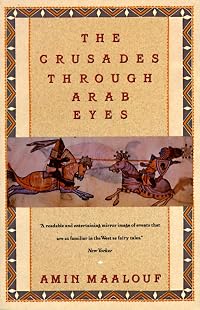
The Crusades through Arab Eyes
by Amin Maalouf
On This Page
Description
History. Nonfiction. European and Arab versions of the Crusades have little in common. For Arabs, the twelfth and thirteenth centuries were years of strenuous efforts to repel a brutal and destructive invasion by barbarian hordes. Under Saladin, an unstoppable Muslim army inspired by prophets and poets finally succeeded in destroying the most powerful Crusader kingdoms. The memory of this greatest and most enduring victory ever won by a non-European society against the West still lives in show more the minds of millions of Arabs today. Amin Maalouf has sifted through the works of a score of contemporary Arab chroniclers of the Crusades, eyewitnesses and often participants in the events. He retells their stories in their own vivacious style, giving us a vivid portrait of a society rent by internal conflicts and shaken by a traumatic encounter with an alien culture. He retraces two critical centuries of Middle Eastern history, and offers fascinating insights into some of the forces that shape Arab and Islamic consciousness today. 'Well-researched and highly readable.' Guardian 'A useful and important analysis adding much to existing western histories ... worth recommending to George Bush.' London Review of Books 'Maalouf tells an inspiring story ... very readable ... warmly recommended.' Times Literary Supplement 'A wide readership should enjoy this vivid narrative of stirring events.' The Bookseller 'Very well done indeed ... Should be put in the hands of anyone who asks what lies behind the Middle East's present conflicts.' Middle East International. show lessTags
Recommendations







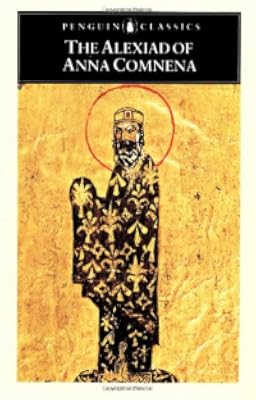
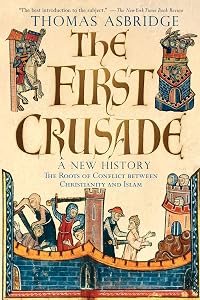
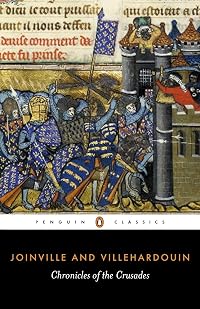
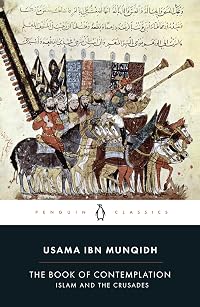









Member Recommendations


nathanm The actual history this story is based on.
Member Reviews
As chamadas Cruzadas ocorreram entre os séculos 11 e 13. Foram grandes expedições religiosas e militares de inspiração cristã que partiram da Europa Ocidental. Sua motivação declarada era resgatar a Terra Santa e a cidade de Jerusalém, na época sob domínio dos muçulmanos, considerados infiéis; o objetivo era conquistar cidades e mantê-las sob controle cristão. A Primeira expedição foi convocada pelo papa Urbano II em 1095, e o termo cruzada surgiu por conta da cruz que os cavaleiros usavam em suas roupas.
Esse é o enfoque mais explorado pelo cinema, por exemplo. Para entender um pouco melhor o quadro que se desenrola nessa região conturbada do planeta, li este livro que já estava na minha estante há tempos: “As show more cruzadas vistas pelos árabes”, do escritor libanês Amin Maalouf.
Interessante nesse livro publicado em 1983 é que o autor não foca exclusivamente em uma análise ideológica ou mesmo das motivações de cunho religioso, mas se ocupa principalmente com o relato dos avanços militares, conquistas e recuos a partir de fontes árabes. Entre os anos de 1095 e 1272, o mapa político do planeta era outro. Nove expedições marcharam para cidades do que hoje são Turquia, Síria, Iraque, Líbano, Palestina, Egito e Israel, entre outros países. A obra revela, também, que a ambição por riqueza andava junto com a causa religiosa. Na tomada de Constantinopla durante a Quarta Cruzada, em 1204, os cruzados destruíram ou roubaram várias obras de arte gregas e romanas. Caso dos quatro cavalos de bronze em tamanho natural, que hoje enfeitam a Basílica de São Marcos em Veneza.
Foi uma longa sucessão de cidades sitiadas, batalhas e banhos de sangue. Quase que invariavelmente, quando uma cidade fortificada caia nas mãos dos cruzados, sua população era massacrada: não-soldados, mulheres e crianças. O livro cita um registro do cronista normando Raoul de Caen, após a conquista da cidade de Maara (hoje Síria) pelos cruzados famintos: “... os nossos faziam ferver os pagãos adultos em caldeira, fincavam as crianças em espetos e as devoravam grelhadas”.
Divisão entre diferentes interesses dos soberanos locais, conflitos entre grupos, mesmo dentro de famílias, facilitaram a dominação dos cruzados, que durante séculos conquistaram cidades, pilharam suas riquezas e mantiveram controle político e militar. Uma anotação de Ibn al-Athir, uma das principais fontes citadas por Maalouf, dá o tom do que foi a frágil defesa frente aos invasores: “Os sultões não se entendiam, e é por isso que os franj puderam apossar-se do país”.
“As cruzadas vistas pelos árabes” é uma leitura com muitos personagens, figuras históricas, nomes e localidades, o que exige atenção. O que me choca é que há quase mil anos decapitavam impiedosamente inocentes, mulheres e crianças levando uma cruz costurada às costas. Quase nove séculos se passaram, e parece que a humanidade não aprendeu nada. show less
Esse é o enfoque mais explorado pelo cinema, por exemplo. Para entender um pouco melhor o quadro que se desenrola nessa região conturbada do planeta, li este livro que já estava na minha estante há tempos: “As show more cruzadas vistas pelos árabes”, do escritor libanês Amin Maalouf.
Interessante nesse livro publicado em 1983 é que o autor não foca exclusivamente em uma análise ideológica ou mesmo das motivações de cunho religioso, mas se ocupa principalmente com o relato dos avanços militares, conquistas e recuos a partir de fontes árabes. Entre os anos de 1095 e 1272, o mapa político do planeta era outro. Nove expedições marcharam para cidades do que hoje são Turquia, Síria, Iraque, Líbano, Palestina, Egito e Israel, entre outros países. A obra revela, também, que a ambição por riqueza andava junto com a causa religiosa. Na tomada de Constantinopla durante a Quarta Cruzada, em 1204, os cruzados destruíram ou roubaram várias obras de arte gregas e romanas. Caso dos quatro cavalos de bronze em tamanho natural, que hoje enfeitam a Basílica de São Marcos em Veneza.
Foi uma longa sucessão de cidades sitiadas, batalhas e banhos de sangue. Quase que invariavelmente, quando uma cidade fortificada caia nas mãos dos cruzados, sua população era massacrada: não-soldados, mulheres e crianças. O livro cita um registro do cronista normando Raoul de Caen, após a conquista da cidade de Maara (hoje Síria) pelos cruzados famintos: “... os nossos faziam ferver os pagãos adultos em caldeira, fincavam as crianças em espetos e as devoravam grelhadas”.
Divisão entre diferentes interesses dos soberanos locais, conflitos entre grupos, mesmo dentro de famílias, facilitaram a dominação dos cruzados, que durante séculos conquistaram cidades, pilharam suas riquezas e mantiveram controle político e militar. Uma anotação de Ibn al-Athir, uma das principais fontes citadas por Maalouf, dá o tom do que foi a frágil defesa frente aos invasores: “Os sultões não se entendiam, e é por isso que os franj puderam apossar-se do país”.
“As cruzadas vistas pelos árabes” é uma leitura com muitos personagens, figuras históricas, nomes e localidades, o que exige atenção. O que me choca é que há quase mil anos decapitavam impiedosamente inocentes, mulheres e crianças levando uma cruz costurada às costas. Quase nove séculos se passaram, e parece que a humanidade não aprendeu nada. show less
The Crusade Through Arab Eyes by Amin Maalouf provides a good introduction for readers who are interested in the Arab perspective of the Crusades. Maalouf allows the Muslim chroniclers to speak for themselves, often quoting them at length throughout the book. He provides plenty of context and factual details to ease the readers understanding; and manages to cover 200 years of history in 250 pages.
The book is divided into five sections, starting in 1096 with the first Franj invasions and concluding in 1291 with the fall of Acre and the expulsion of the last Franj forces from Palestine. Maalouf walks the reader through all the major leaders and events of the 200 year period. The Arab sources are sometimes complimentary of the Franj, but show more more often they denounce the enemies and pray to Allah for support to wipe out the infidels. The Arabs admitted that the Franj had military superiority but thought they were barbaric in other aspects. The Arabs initially did not understand the religious fanaticism of the Crusaders, and they had no way to combat the obsessive, almost insanely singlemindedness of the Crusaders (think First Crusade).
From the sources Maalouf used it seems as if the Arabs completely blamed the Venetians for the diversion of the Fourth Crusade. They held Dandolo responsible and thought that his purpose was to try and gain Venice control of the whole Mediterranean Sea. The chronicler Ibn al-Athir considered the sack of Constantinople to be one of the most reprehensible acts in history.
One of the themes in the book is the number of times that newly arrived Westerners ignored the political environment of the Levant. The new Crusaders had goals to accomplish and they didn’t care about any treaties or truces. One example of this was during the Second Crusade when the decision was made to attack Damascus, in direct violation of the treaty that the city had signed with the King of Jerusalem. According to the Arab chroniclers, the Crusaders attacked their only real ally just because the kings wanted fame and glory. Another example was Reynald of Chatillon, who is portrayed as a power hungry mercenary. Though he lived in the Levant for many years, he never listened to anyone; he only sought his own gain. He broke truces and treaties with no regard for the consequences. He single-handedly united the Muslim world against the Franj and was killed personally by Saladin when he was finally captured.
Reading this book will help readers correct some of their preconceived notions and Western prejudices. People may be surprised by what they discover. Discovering the Arabs views on the Crusades allows the reader to get a glimpse of the Muslim world and to begin understanding the complicated and often volatile times in which these event occurred. The Arab political scene was completely unsettled and their disunity was one reason why the Crusaders were successful in gaining a foothold in Palestine. The Crusades Through Arab Eyes provides readers with new insight into the Crusades by focusing on the Arab side of the story, which is often neglected by Westerners. Everyone has prejudices and their own versions of history, sometimes it is good to move beyond our comfort zone and see things in a new light. Maalouf alerted me to some of my own misunderstandingns and helped me gain a broader view of history. show less
The book is divided into five sections, starting in 1096 with the first Franj invasions and concluding in 1291 with the fall of Acre and the expulsion of the last Franj forces from Palestine. Maalouf walks the reader through all the major leaders and events of the 200 year period. The Arab sources are sometimes complimentary of the Franj, but show more more often they denounce the enemies and pray to Allah for support to wipe out the infidels. The Arabs admitted that the Franj had military superiority but thought they were barbaric in other aspects. The Arabs initially did not understand the religious fanaticism of the Crusaders, and they had no way to combat the obsessive, almost insanely singlemindedness of the Crusaders (think First Crusade).
From the sources Maalouf used it seems as if the Arabs completely blamed the Venetians for the diversion of the Fourth Crusade. They held Dandolo responsible and thought that his purpose was to try and gain Venice control of the whole Mediterranean Sea. The chronicler Ibn al-Athir considered the sack of Constantinople to be one of the most reprehensible acts in history.
One of the themes in the book is the number of times that newly arrived Westerners ignored the political environment of the Levant. The new Crusaders had goals to accomplish and they didn’t care about any treaties or truces. One example of this was during the Second Crusade when the decision was made to attack Damascus, in direct violation of the treaty that the city had signed with the King of Jerusalem. According to the Arab chroniclers, the Crusaders attacked their only real ally just because the kings wanted fame and glory. Another example was Reynald of Chatillon, who is portrayed as a power hungry mercenary. Though he lived in the Levant for many years, he never listened to anyone; he only sought his own gain. He broke truces and treaties with no regard for the consequences. He single-handedly united the Muslim world against the Franj and was killed personally by Saladin when he was finally captured.
Reading this book will help readers correct some of their preconceived notions and Western prejudices. People may be surprised by what they discover. Discovering the Arabs views on the Crusades allows the reader to get a glimpse of the Muslim world and to begin understanding the complicated and often volatile times in which these event occurred. The Arab political scene was completely unsettled and their disunity was one reason why the Crusaders were successful in gaining a foothold in Palestine. The Crusades Through Arab Eyes provides readers with new insight into the Crusades by focusing on the Arab side of the story, which is often neglected by Westerners. Everyone has prejudices and their own versions of history, sometimes it is good to move beyond our comfort zone and see things in a new light. Maalouf alerted me to some of my own misunderstandingns and helped me gain a broader view of history. show less
It's always interesting to view history through the eyes of those we view as 'the other'. I found Amin's book to be very interesting indeed. Having read a number of other books by 'western' authors Amin's complimented my understanding of this fascinating stage of world history.
Perhaps it's me but maybe I detected a slight bias. This is something I've noticed when reading other tests - the Crusading era is reported by a self-flagellation or the other extreme the survival of Western Christianity. Amin's book comes across as being very negative to the Franks (Franj), often exposing their brutality and lack of culture whilst praising their courage.
An excellent book and one I'd recommend for anyone interested in this era.
Perhaps it's me but maybe I detected a slight bias. This is something I've noticed when reading other tests - the Crusading era is reported by a self-flagellation or the other extreme the survival of Western Christianity. Amin's book comes across as being very negative to the Franks (Franj), often exposing their brutality and lack of culture whilst praising their courage.
An excellent book and one I'd recommend for anyone interested in this era.
For those in the West, the Crusades were a series of military expeditions that Western Christians launch against Muslims to reclaim the Holy Land, however for the Arabs and the rest of the Muslim world, the Crusades were a shocking event. “The Crusades through Arab Eyes” is a narrative history by Amin Maalouf to give Westerners a glimpse of how the Muslim world in general saw the Crusades as they were happening over two hundred year span.
Maalouf starts his narrative in Anatolia with the beginning of the First Crusade from the perspective of the Seljuk Turk Kilij Arslan defending his kingdom against his neighbors then against what he believed to be “Franj” troops fighting for the Byzantine Empire. However as the Turk sultan was show more to learn as well as others, these Franj had different plans. Maalouf’s follows the progress of the First Crusade and the subsequent 200 years through the historical writings of Muslim chroniclers and how the Muslim world reacted throughout that period. The vast majority of the book is the history of the Muslim political and religious currents that interacted and reacted with the Franj, who were themselves divided into permanent residents and military adventurers that came and went.
In the Epilogue besides looking at the long-term effects of the Crusaders on the Middle East, Maalouf highlights something that readers will noticed quickly and what I have already alluded to in this review. While the chroniclers were Arabs, the political and military leadership throughout the Crusader era were Turks or Kurds. During the roughly 200 years that the Crusades took place, the native Arabs watched and experienced the forces of two “foreigners” ruling over them which is a very impactful thought to keep in mind while reading this book.
I first read sections of “The Crusades through Arab Eyes” in 2003 for a Middle East history class. Having now read it in full, I can say that seeing it without the Western romantic veneer or viewpoint brings the period into better focus. While not in-depth as some other books might be, this book gives the reader an easy to follow narrative overview of The Crusades “from the other side”. show less
Maalouf starts his narrative in Anatolia with the beginning of the First Crusade from the perspective of the Seljuk Turk Kilij Arslan defending his kingdom against his neighbors then against what he believed to be “Franj” troops fighting for the Byzantine Empire. However as the Turk sultan was show more to learn as well as others, these Franj had different plans. Maalouf’s follows the progress of the First Crusade and the subsequent 200 years through the historical writings of Muslim chroniclers and how the Muslim world reacted throughout that period. The vast majority of the book is the history of the Muslim political and religious currents that interacted and reacted with the Franj, who were themselves divided into permanent residents and military adventurers that came and went.
In the Epilogue besides looking at the long-term effects of the Crusaders on the Middle East, Maalouf highlights something that readers will noticed quickly and what I have already alluded to in this review. While the chroniclers were Arabs, the political and military leadership throughout the Crusader era were Turks or Kurds. During the roughly 200 years that the Crusades took place, the native Arabs watched and experienced the forces of two “foreigners” ruling over them which is a very impactful thought to keep in mind while reading this book.
I first read sections of “The Crusades through Arab Eyes” in 2003 for a Middle East history class. Having now read it in full, I can say that seeing it without the Western romantic veneer or viewpoint brings the period into better focus. While not in-depth as some other books might be, this book gives the reader an easy to follow narrative overview of The Crusades “from the other side”. show less
Excellent, quick-reading book with action and color. The author brings the characters to life while being fair.
Surprisingly, there were no real surprises, except for the epilogue. Anyone reading Crusader history by a Western author with an open mind should not be surprised with the reactions and emotions stirred in the Islamic populations of the times. Although the perspective and sources are predominantly Islamic, most of the better general histories cite many of the same sources. Unlike the general histories which strive for balance but dilute the passion, this book, focusing on a narrower perspective, brings more life to the events and people. The epilogue contains a harsh, if fair, analysis of Arab society before, during, and after show more the Crusades.
The bibliography and notes cites several good sources to look into. The text was fine, with only a couple of minor typos toward the book's end. As an indication of its value, this book is referenced in at least 3 other Crusade histories I have read recently. show less
Surprisingly, there were no real surprises, except for the epilogue. Anyone reading Crusader history by a Western author with an open mind should not be surprised with the reactions and emotions stirred in the Islamic populations of the times. Although the perspective and sources are predominantly Islamic, most of the better general histories cite many of the same sources. Unlike the general histories which strive for balance but dilute the passion, this book, focusing on a narrower perspective, brings more life to the events and people. The epilogue contains a harsh, if fair, analysis of Arab society before, during, and after show more the Crusades.
The bibliography and notes cites several good sources to look into. The text was fine, with only a couple of minor typos toward the book's end. As an indication of its value, this book is referenced in at least 3 other Crusade histories I have read recently. show less
Maalouf describes the Crusades as seen from an Arab perspective. It is a brutal description of the crusades that contrasts with the Richard the Lionheart crusader stories we grew up with which never mentioned the canibalism and genocide practied by the crusaders.
The book is particularly valuable for showing the lack of unity in the Arab world as it confronted the challenges from the invasion. As such it can help understand current events in the middle east since many of the cities discussed in this book are the sites of battles today.
This is the 4th book I have read from Mallouf and the second non-fictional work. His best work remains his novel "The Garden of Earthly Delight"
The book is particularly valuable for showing the lack of unity in the Arab world as it confronted the challenges from the invasion. As such it can help understand current events in the middle east since many of the cities discussed in this book are the sites of battles today.
This is the 4th book I have read from Mallouf and the second non-fictional work. His best work remains his novel "The Garden of Earthly Delight"
Good, if not very detailed account of the crusades as seen by Arab historians. There could have been more about the attitudes of Muslims towards the crusaders though.
Members
- Recently Added By
Published Reviews
Istovremeno opčinjen i prestrašen tim Franđima koje je doživeo kao varvare, koje je pobedio, ali koji su, u međuvremenu, uspeli da zavladaju kuglom zemaljskom, arapski svet se ne može odlučiti da na krstaške pohode jednostavno gleda kao na epizodu iz nepovratne prošlosti. Često smo iznenađeni kad otkrijemo u kojoj je meri držanje Arapa prema Zapadu, i uopšte muslimana, i dan-danas show more pod uticajem događaja za koje se smatra da su okončani pre sedam vekova.
Ova knjiga pripoveda o krstaškim ratovima, od 1096. do 1291, onako kako su ih doživeli i opisali u „drugom taboru“, to jest na arapskoj strani. Zasniva se na svedočenjima savremenika, arapskih istoričara i hroničara, koji ne govore o krstaškim pohodima, već o franačkim najezdama. Pratimo epopeju slavnih sultana Nurudina, Saladina i Bajbarsa, krstaška pustošenja Jerusalima i Carigrada, samoubilačke atentate sekte asasina, ali i brojne političke igre koje su dovodile do neobičnih sporazuma i čudnovatih bitaka, gde u obe suprotstavljene vojske ratuju rame uz rame Arapi, Turci, Franci, Vizantinci... Autor čarobnih romana, Maluf nam otkriva nepoznate stranice istorije u želji da napiše „istinit roman“ o dva burna veka koji su oblikovali odnose Istoka i Zapada. show less
Ova knjiga pripoveda o krstaškim ratovima, od 1096. do 1291, onako kako su ih doživeli i opisali u „drugom taboru“, to jest na arapskoj strani. Zasniva se na svedočenjima savremenika, arapskih istoričara i hroničara, koji ne govore o krstaškim pohodima, već o franačkim najezdama. Pratimo epopeju slavnih sultana Nurudina, Saladina i Bajbarsa, krstaška pustošenja Jerusalima i Carigrada, samoubilačke atentate sekte asasina, ali i brojne političke igre koje su dovodile do neobičnih sporazuma i čudnovatih bitaka, gde u obe suprotstavljene vojske ratuju rame uz rame Arapi, Turci, Franci, Vizantinci... Autor čarobnih romana, Maluf nam otkriva nepoznate stranice istorije u želji da napiše „istinit roman“ o dva burna veka koji su oblikovali odnose Istoka i Zapada. show less
added by Sensei-CRS
Istovremeno opčinjen i prestrašen tim Franđima koje je doživeo kao varvare, koje je pobedio, ali koji su, u međuvremenu, uspeli da zavladaju kuglom zemaljskom, arapski svet se ne može odlučiti da na krstaške pohode jednostavno gleda kao na epizodu iz nepovratne prošlosti. Često smo iznenađeni kad otkrijemo u kojoj je meri držanje Arapa prema Zapadu, i uopšte muslimana, i dan-danas show more pod uticajem događaja za koje se smatra da su okončani pre sedam vekova.
Ova knjiga pripoveda o krstaškim ratovima, od 1096. do 1291, onako kako su ih doživeli i opisali u „drugom taboru“, to jest na arapskoj strani. Zasniva se na svedočenjima savremenika, arapskih istoričara i hroničara, koji ne govore o krstaškim pohodima, već o franačkim najezdama. Pratimo epopeju slavnih sultana Nurudina, Saladina i Bajbarsa, krstaška pustošenja Jerusalima i Carigrada, samoubilačke atentate sekte asasina, ali i brojne političke igre koje su dovodile do neobičnih sporazuma i čudnovatih bitaka, gde u obe suprotstavljene vojske ratuju rame uz rame Arapi, Turci, Franci, Vizantinci... Autor čarobnih romana, Maluf nam otkriva nepoznate stranice istorije u želji da napiše „istinit roman“ o dva burna veka koji su oblikovali odnose Istoka i Zapada. show less
Ova knjiga pripoveda o krstaškim ratovima, od 1096. do 1291, onako kako su ih doživeli i opisali u „drugom taboru“, to jest na arapskoj strani. Zasniva se na svedočenjima savremenika, arapskih istoričara i hroničara, koji ne govore o krstaškim pohodima, već o franačkim najezdama. Pratimo epopeju slavnih sultana Nurudina, Saladina i Bajbarsa, krstaška pustošenja Jerusalima i Carigrada, samoubilačke atentate sekte asasina, ali i brojne političke igre koje su dovodile do neobičnih sporazuma i čudnovatih bitaka, gde u obe suprotstavljene vojske ratuju rame uz rame Arapi, Turci, Franci, Vizantinci... Autor čarobnih romana, Maluf nam otkriva nepoznate stranice istorije u želji da napiše „istinit roman“ o dva burna veka koji su oblikovali odnose Istoka i Zapada. show less
added by Sensei-CRS
Lists

501 Must-Read Books
529 works; 72 members

Authors from Lebanon
1 work; 1 member

LtGen James Mattis' Reading List
58 works; 2 members

Middle Eastern Literature & Non-Fiction
99 works; 3 members

Books translated from Romance Languages into English
102 works; 7 members

Read These Too
458 works; 9 members

r/History Recommended Reading List
603 works; 12 members
Author Information

Amin Maalouf was formerly director of the leading Beirut daily, an-Nahar, and editor of Jeune Afrique.
Some Editions
Awards and Honors
Notable Lists
Series
Belongs to Publisher Series
Work Relationships
Common Knowledge
- Canonical title
- The Crusades through Arab Eyes
- Original title
- Les Croisades, vue par les Arabes
- Original publication date
- 1984
- People/Characters
- Saladin; Richard I, King of England; Knights Templar
- Important places
- Palestine; Damascus, Syria; Jerusalem; Tyre; Antioch; Tripoli, Libya (show all 7); Egypt
- Important events
- First Crusade (1096 | 1099); Second Crusade; Third Crusade
- Original language
- French
Classifications
Statistics
- Members
- 2,652
- Popularity
- 7,048
- Reviews
- 39
- Rating
- (3.94)
- Languages
- 21 — Arabic, Bosnian, Catalan, Danish, Dutch, English, French, German, Greek, Hungarian, Italian, Japanese, Norwegian (Bokmål), Norwegian, Polish, Portuguese, Romanian, Serbian, Spanish, Swedish, Turkish
- Media
- Paper, Audiobook, Ebook
- ISBNs
- 67
- ASINs
- 18