The Unabomber Manifesto: Industrial Society and Its Future
by Theodore Kaczynski
On This Page
Description
The Industrial Revolution and its consequences have been a disaster for the human race. They have greatly increased the life-expectancy of those of us who live in "advanced" countries, but they have destabilized society, have made life unfulfilling, have subjected human beings to indignities, have led to widespread psychological suffering (in the Third World to physical suffering as well) and have inflicted severe damage on the natural world. The continued development of technology will show more worsen the situation. It will certainly subject human beings to greater indignities and inflict greater damage on the natural world, it will probably lead to greater social disruption and psychological suffering, and it may lead to increased physical suffering even in "advanced" countries. show lessTags
Recommendations








Member Recommendations

by anonymous user
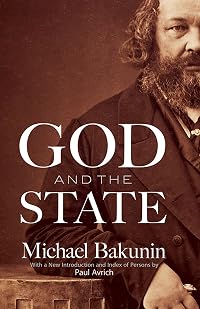
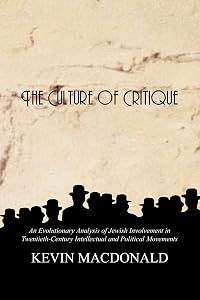
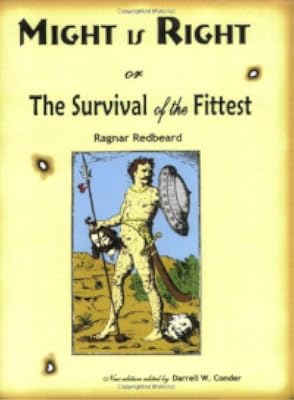
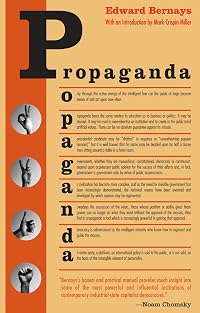
P_S_Patrick Two different works on the damage that industrialisation and technology have on human society. Many of the same themes are found in both works, though each work has a very different style, format, and voice.
P_S_Patrick Criticism of similar problems in industrial societies, taken from different angles.

P_S_Patrick Highlights many common problems with current industrial society.
Member Reviews
Un libro esplosivo.
Scherzi a parte, quest'ultima lettura che ho fatto del manifesto (ed è la terza) mi ha fatto ragionare su quanto sia incorretto posizionare il caro Teddy insieme con gli anarcoprimitivisti più blasonati: primo perche questo manifesto analizza il mondo con la lente della psicologia più che della sociologia o dell'antropologia, cosa che già lo differenzia dagli altri, ma soprattutto perché la posizione di Kaczynski è veramente più vicina ad un ecofascismo tinto di anarchismo -ecofascismo volontario o meno- che, ok se proprio dovessimo inquadrarlo nel contesto anarco-neoluddista delle sue azioni lascerebbe intendere un egoanarchismo o un anarcoindividualismo, ma prendendo il testo a sé stante sembra di leggere un show more misto tra Peterson e Evola: conservatorismo radicale, giustificato dalla psicologia. Evviva l'uomo forte perché la sinistra è debole e non vuole la forza, e nella vita la supremazia sugli altri è l'unica cosa che conta... Dove l'ho già sentita questa al di fuori del manifesto?
Ah si, da un fascio.
A parte questo il testo è gradevole, a patto di leggerlo in lingua originale. show less
Scherzi a parte, quest'ultima lettura che ho fatto del manifesto (ed è la terza) mi ha fatto ragionare su quanto sia incorretto posizionare il caro Teddy insieme con gli anarcoprimitivisti più blasonati: primo perche questo manifesto analizza il mondo con la lente della psicologia più che della sociologia o dell'antropologia, cosa che già lo differenzia dagli altri, ma soprattutto perché la posizione di Kaczynski è veramente più vicina ad un ecofascismo tinto di anarchismo -ecofascismo volontario o meno- che, ok se proprio dovessimo inquadrarlo nel contesto anarco-neoluddista delle sue azioni lascerebbe intendere un egoanarchismo o un anarcoindividualismo, ma prendendo il testo a sé stante sembra di leggere un show more misto tra Peterson e Evola: conservatorismo radicale, giustificato dalla psicologia. Evviva l'uomo forte perché la sinistra è debole e non vuole la forza, e nella vita la supremazia sugli altri è l'unica cosa che conta... Dove l'ho già sentita questa al di fuori del manifesto?
Ah si, da un fascio.
A parte questo il testo è gradevole, a patto di leggerlo in lingua originale. show less
"Uncle Ted", as he is sometimes referred to in certain parts of the web, came to my attention because of his earnest letters, handwritten in meticulous script, in reply to various youths who had entered into unbidden correspondence with him at his prison address. These letters were uploaded and shared to various forums and can be easily searched. Whatever his opinions, they revealed a tidy and fastidious mind which - despite its forced seclusion from the world - had strong opinions on it, and yet did not seek to control or to coerce or brag or deceive, but to instruct. A mind like that is rare indeed, and discovery of its existence made it inevitable that I should read this book, or manifesto, as it is titled.
I was surprised to learn show more that the book was written while its author was still at liberty. It really reads like a prison book. I thought the author's incarceration explained its ack of citations and cross-referencing. In fairness, the author is open about the book's evident shortcomings: concepts are often mentioned only as general observations, lengthy expositions are undesirable or impractical, the reader must use his own judgement. Etc. Again, one does at times cynically wonder if the author may have welcomed these limitations, which make his task as a writer easier.
The book's strength is the power of its observations. Yes, the industrial revolution has been disastrous for humanity as we know it; things are getting worse; the people ("leftists") who proclaim to make things betters are making it worse; and nothing we could do to change this overall trajectory will have a reasonable prospect of success, or even any predictable result. Perhaps we all know that, deep down. It is another thing to see it plainly and persuasively stated by a convicted murderer who has killed for these beliefs (or so he claims).
Another weakness lies in the book's lack of any plausible solution or alternative to the "industrial technological system". There is none. Most people like it, or think they do. The author's tendency to refer to himself always as "we", or as a member of the "FC" (later said to stand for Freedom Club), when he was probably never anything more than a lone wolf, rings a little of desperation, of subterfuge, and of conceit. Yet these failings are human and the book is not, on balance, grandiose or deluded but intellectual and sane.
It is disjointed but, in certain areas, surprisingly insightful on a psychological level. His descriptions of leftism, and of the power process, are especially perceptive for their time.
A man killed because he wanted his book to be read. I have read his book. The dead lie still. The deed is done. The book offered no solutions but contained some hard truth. Despite his crimes I will remember him, and I may yet read him again: I suspect prison has not diminished him, hence the absence of parole. Possibly he may have matured. The truth may be spoken by a murderer as well as by anyone else. Perhaps even better than some. show less
I was surprised to learn show more that the book was written while its author was still at liberty. It really reads like a prison book. I thought the author's incarceration explained its ack of citations and cross-referencing. In fairness, the author is open about the book's evident shortcomings: concepts are often mentioned only as general observations, lengthy expositions are undesirable or impractical, the reader must use his own judgement. Etc. Again, one does at times cynically wonder if the author may have welcomed these limitations, which make his task as a writer easier.
The book's strength is the power of its observations. Yes, the industrial revolution has been disastrous for humanity as we know it; things are getting worse; the people ("leftists") who proclaim to make things betters are making it worse; and nothing we could do to change this overall trajectory will have a reasonable prospect of success, or even any predictable result. Perhaps we all know that, deep down. It is another thing to see it plainly and persuasively stated by a convicted murderer who has killed for these beliefs (or so he claims).
Another weakness lies in the book's lack of any plausible solution or alternative to the "industrial technological system". There is none. Most people like it, or think they do. The author's tendency to refer to himself always as "we", or as a member of the "FC" (later said to stand for Freedom Club), when he was probably never anything more than a lone wolf, rings a little of desperation, of subterfuge, and of conceit. Yet these failings are human and the book is not, on balance, grandiose or deluded but intellectual and sane.
It is disjointed but, in certain areas, surprisingly insightful on a psychological level. His descriptions of leftism, and of the power process, are especially perceptive for their time.
A man killed because he wanted his book to be read. I have read his book. The dead lie still. The deed is done. The book offered no solutions but contained some hard truth. Despite his crimes I will remember him, and I may yet read him again: I suspect prison has not diminished him, hence the absence of parole. Possibly he may have matured. The truth may be spoken by a murderer as well as by anyone else. Perhaps even better than some. show less
This manifesto consists of a stuctured argument in 232 parts across ~ 80 pages, with a few extra footnotes at the end. This is mostly a clear, logical, and well-reasoned attack on the social problems caused by industry and technology, and in support of reversion to a more primitive and small scale subsistence society. However, a number of moral and practical caveats remain, and what we are left with does not achieve its purpose of justifying the violent means of destroying the modern technological and industrial society that we currently find in developed countries.
This work is still important for a number of reasons though. Despite being over 20 years old now, it was prescient in touching on a lot of the topical dangers and ethical show more issues related to advances in technology and restriction of human freedom that we now face more than ever. These include: artificial intelligence (AI) and its future dangers, nuclear threat from rogue states (North Korea et al), genetic modification and "designer babies" etc, the mechanisation of labour and workforce displacement, the increasing control over human behaviour via technological monitoring (1984 style), the existential meaningless of modern consumer culture and exploitation via advertising, and the lack of psycholigically satisfying jobs for the majority of the populace which results in frustration and lack of fullfillment. In summary: “The system does not and cannot exist to satisfy human needs. Instead, it is human behavior that has to be modified to fit the needs of the system.”
Despite working in a scientific profession myself (which he specifically attacks in this book), and not being a luddite who has moved to a cabin in the wilderness like the author, it was possible for me to find a lot of common ground in his arguments. Most of his points carry a lot of weight, are well thought out, rational, and based on evidence. Yet where it falls down, the call to violent revolution, is that it all comes down to personal preference. Do we prefer – industrial/technological society, or living in huts in small communities, catching and growing our own food, and living without the resources and time saving devices that technology affords us. He makes the case for why technology and industry are bad, but he doesn't propose an alternative system that is as likely to function as well on a practical level as the one we currently have. And many people would not willingly give up the benefits of technology and industry, and would not want to live in a hut without electricity and running water.
In all, a thought provoking book which raises a whole raft of important social issues relating to technology and industrialisation (many of which are even more important now than when the book was written). However it fails in its goal of convincing the reader that the current system needs to be destroyed, firstly because it is diffucult to justify the violence of a revolution, and secondly as the consequences and practicalities of the proposed replacement system are not well enough thought through, and unlikely to outweigh the current system in their benefits. show less
This work is still important for a number of reasons though. Despite being over 20 years old now, it was prescient in touching on a lot of the topical dangers and ethical show more issues related to advances in technology and restriction of human freedom that we now face more than ever. These include: artificial intelligence (AI) and its future dangers, nuclear threat from rogue states (North Korea et al), genetic modification and "designer babies" etc, the mechanisation of labour and workforce displacement, the increasing control over human behaviour via technological monitoring (1984 style), the existential meaningless of modern consumer culture and exploitation via advertising, and the lack of psycholigically satisfying jobs for the majority of the populace which results in frustration and lack of fullfillment. In summary: “The system does not and cannot exist to satisfy human needs. Instead, it is human behavior that has to be modified to fit the needs of the system.”
Despite working in a scientific profession myself (which he specifically attacks in this book), and not being a luddite who has moved to a cabin in the wilderness like the author, it was possible for me to find a lot of common ground in his arguments. Most of his points carry a lot of weight, are well thought out, rational, and based on evidence. Yet where it falls down, the call to violent revolution, is that it all comes down to personal preference. Do we prefer – industrial/technological society, or living in huts in small communities, catching and growing our own food, and living without the resources and time saving devices that technology affords us. He makes the case for why technology and industry are bad, but he doesn't propose an alternative system that is as likely to function as well on a practical level as the one we currently have. And many people would not willingly give up the benefits of technology and industry, and would not want to live in a hut without electricity and running water.
In all, a thought provoking book which raises a whole raft of important social issues relating to technology and industrialisation (many of which are even more important now than when the book was written). However it fails in its goal of convincing the reader that the current system needs to be destroyed, firstly because it is diffucult to justify the violence of a revolution, and secondly as the consequences and practicalities of the proposed replacement system are not well enough thought through, and unlikely to outweigh the current system in their benefits. show less
The people taking the contrarian position to praise him as a hero are just as concerning as the ones who outright ridicule all he says (like one top review here that just admits "I hate what conservatives believe")
Some of Ted Kaczynski's insights are completely true, and his frequent concessions throughout the book suggest a weirdly reasonable mind, in surreal contrast to the acknowledgement of his reprehensible actions. The ideas are indeed half-baked and intuitively vague, and he's sort-of constantly admitting that, and you can probably counter a lot of what he says if you go into it with that orientation. Still, he presents important points that aren't easily forgotten.
The problem is, just as he says of violent radicals who ruin show more their own cause by being so abhorrent, his decisions were too anti-social to be reasonable or attractive. Immediately with his murdering and mutilation of only arbitrarily-related peoples that he calls "representational targets", he has alienated and disgusted peoples that may have otherwise fought for a cause such as an "Anti-Tech revolution". Here his displaced rage is revealed, as even the actor Paul Bettany who played Ted in the dramatized Unabomber series said: "Why [target/bomb] [some small business owner], who's a nerd, who's into computers, why do that, why not take down the national grid with all of your brilliance. I think that something else was happening [inside Ted]."
The similar but much more realistic criticisms of technocracy by Ivan Illich are infinitely more appealing, as are (from what I hear) those of Murray Bookchin and Jacques Ellul.
A read of this book is an inadvertent psychological portrait of an isolated, alienated, obliviously traumatized genius who also happened to terrorize the USA with bombs. His mental power became so fixated on his convictions that he took his primitivist (as some have said, eco-fascist(?)) philosophy to its conclusion with violence. It's a harrowing story, something very dark and depressing, acts of evil and supposed reasons behind it to contend with, not to be taken lightly at all. show less
Some of Ted Kaczynski's insights are completely true, and his frequent concessions throughout the book suggest a weirdly reasonable mind, in surreal contrast to the acknowledgement of his reprehensible actions. The ideas are indeed half-baked and intuitively vague, and he's sort-of constantly admitting that, and you can probably counter a lot of what he says if you go into it with that orientation. Still, he presents important points that aren't easily forgotten.
The problem is, just as he says of violent radicals who ruin show more their own cause by being so abhorrent, his decisions were too anti-social to be reasonable or attractive. Immediately with his murdering and mutilation of only arbitrarily-related peoples that he calls "representational targets", he has alienated and disgusted peoples that may have otherwise fought for a cause such as an "Anti-Tech revolution". Here his displaced rage is revealed, as even the actor Paul Bettany who played Ted in the dramatized Unabomber series said: "Why [target/bomb] [some small business owner], who's a nerd, who's into computers, why do that, why not take down the national grid with all of your brilliance. I think that something else was happening [inside Ted]."
The similar but much more realistic criticisms of technocracy by Ivan Illich are infinitely more appealing, as are (from what I hear) those of Murray Bookchin and Jacques Ellul.
A read of this book is an inadvertent psychological portrait of an isolated, alienated, obliviously traumatized genius who also happened to terrorize the USA with bombs. His mental power became so fixated on his convictions that he took his primitivist (as some have said, eco-fascist(?)) philosophy to its conclusion with violence. It's a harrowing story, something very dark and depressing, acts of evil and supposed reasons behind it to contend with, not to be taken lightly at all. show less
Когато почнах да чета Моята борба на Хитлер останах върло разочарован от това колко е наивна, елементарна и клиширана. С манифестът на известният терорист Юнабомбър стана точно обратното - очаквах побъркани бълнувания, а се оказа доста смислена и остра критика на съвременния свят и западна цивилизация.
Мисля няма смисъл да казвам, че едва ли е добра идея да живеете в горите и да пращате писма-бомби, като show more авторът на манифеста. Но също така няма нужда да умрете от депресия като видите как някой бие кон, като Ницше, нито да се самоубиете като Сократ, за да видите мъдростта в написаното от тях.
Критиката на съвременното западно общество, на капитализма и на либерализма, която прави Качински е интелигентна, много безпардонна и от доста интересна перспектива. Четейки я днес, почти трийсет години след публикуването на документа, оставаме удивени от почти пророческата точност, с която той предсказва развитието на процеси в обществото, които тогава са още в зачатъка си - политическата коректност, избухването на "джендър" идеологията, моралният провал на университетите, бунтовете на малцинствата, цялостното израждане на лявото и идеологическото му сливане с едрия капитал и т.н.
Същевременно обаче, Качински наподобява твърде много Маркс по не особено хвалебствен начин - също като него, той прави брилянтна критика на това, което критикува, но е като дете в пясъчник, опитващо се да построи небостъргач в аргументите си как да се приложат на практика идеите му и каква всъщност е алтернативата на това, което критикува.
Представите му за живота в миналото, както на хората в пред-индустриалната, така и на тези в пред-земеделската епоха са толкова наивни, че правят дори Русо с неговия "благороден дивак" да изглежда като реалист. Един вид като разрушим индустриалното общество, ще живеем мирно и щастливо като преди, без депресии, убийства и притеснения. Грънци.
Не само прединдустриалните хора, ами даже маймуните страдат от стрес и психични заболявания, породени от социален натиск и тормоз от останалите членове на групата. Първобитните общества са много по-жестоки към психиката на човек отколкото сегашните, да не говорим пък за физиката му.
Тъй че, както казах, четете с едно на ум и не пращайте писма - бомби. Самият манифест може да се намери на български тук: https://voinaimir.info/2023/05/industrial-society-future-kaczynski/ show less
Мисля няма смисъл да казвам, че едва ли е добра идея да живеете в горите и да пращате писма-бомби, като show more авторът на манифеста. Но също така няма нужда да умрете от депресия като видите как някой бие кон, като Ницше, нито да се самоубиете като Сократ, за да видите мъдростта в написаното от тях.
Критиката на съвременното западно общество, на капитализма и на либерализма, която прави Качински е интелигентна, много безпардонна и от доста интересна перспектива. Четейки я днес, почти трийсет години след публикуването на документа, оставаме удивени от почти пророческата точност, с която той предсказва развитието на процеси в обществото, които тогава са още в зачатъка си - политическата коректност, избухването на "джендър" идеологията, моралният провал на университетите, бунтовете на малцинствата, цялостното израждане на лявото и идеологическото му сливане с едрия капитал и т.н.
Същевременно обаче, Качински наподобява твърде много Маркс по не особено хвалебствен начин - също като него, той прави брилянтна критика на това, което критикува, но е като дете в пясъчник, опитващо се да построи небостъргач в аргументите си как да се приложат на практика идеите му и каква всъщност е алтернативата на това, което критикува.
Представите му за живота в миналото, както на хората в пред-индустриалната, така и на тези в пред-земеделската епоха са толкова наивни, че правят дори Русо с неговия "благороден дивак" да изглежда като реалист. Един вид като разрушим индустриалното общество, ще живеем мирно и щастливо като преди, без депресии, убийства и притеснения. Грънци.
Не само прединдустриалните хора, ами даже маймуните страдат от стрес и психични заболявания, породени от социален натиск и тормоз от останалите членове на групата. Първобитните общества са много по-жестоки към психиката на човек отколкото сегашните, да не говорим пък за физиката му.
Тъй че, както казах, четете с едно на ум и не пращайте писма - бомби. Самият манифест може да се намери на български тук: https://voinaimir.info/2023/05/industrial-society-future-kaczynski/ show less
Amazingly revealing analysis. Opened my eyes to displacement activities. The ideas about technology that can exist independently vs that that requires an existing complex system in place to support it are something that I'd now like to explore more.
The biggest flaw, aside from brevity incompatible with the breadth of ideas discussed, is that the book doesn't describe the alternative and only shows what is to be destroyed but not what is to be built.
I also happen to quite like the industrial society.
The biggest flaw, aside from brevity incompatible with the breadth of ideas discussed, is that the book doesn't describe the alternative and only shows what is to be destroyed but not what is to be built.
I also happen to quite like the industrial society.
Just because a person is a violent crazy technophobic misanthrope doesn't mean they're completely stupid. Interesting read from Ted Kaczynski aka the unabomber. He has some cutting and astute sociopolitical observations that are still relevant today and may be unsettling to some but it also shows how environmentalism combined with not getting laid can make you a nut case.
Members
- Recently Added By
Lists

Stuff from Bard
70 works; 1 member
Author Information

49 Works 1,092 Members
Some Editions
Common Knowledge
Classifications
Statistics
- Members
- 588
- Popularity
- 50,033
- Reviews
- 12
- Rating
- (3.55)
- Languages
- 8 — English, Finnish, French, German, Italian, Portuguese, Spanish, Swedish
- Media
- Paper, Audiobook, Ebook
- ISBNs
- 25
- ASINs
- 14