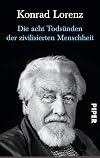
Civilized Man's Eight Deadly Sins
by Konrad Lorenz
On This Page
Description
Essays on destructive influences of the modern environment on human behavior.Tags
Recommendations













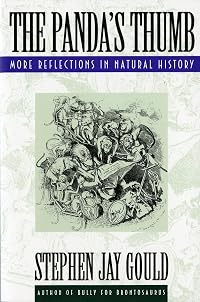
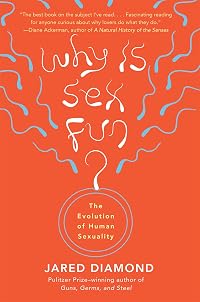
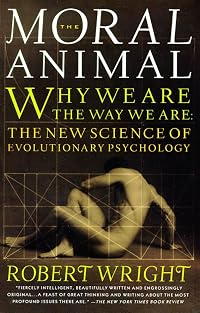
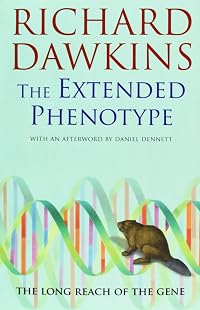


















Member Recommendations

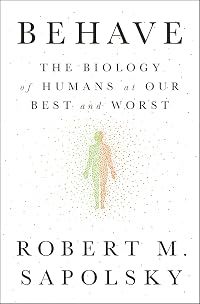
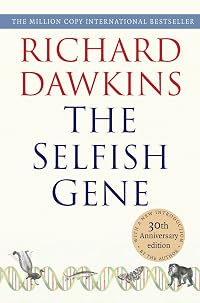
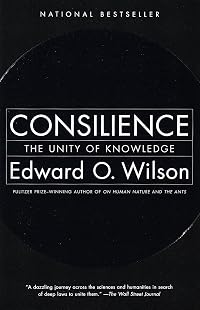
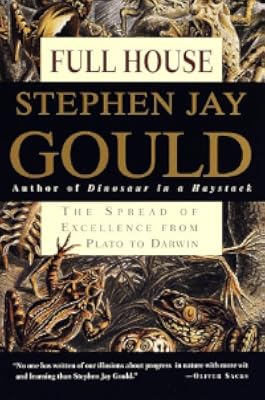
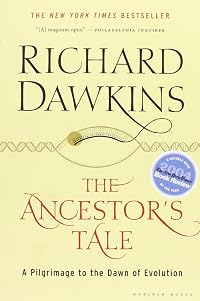
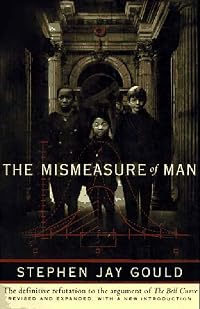
P_S_Patrick Two different works on the damage that industrialisation and technology have on human society. Many of the same themes are found in both works, though each work has a very different style, format, and voice.
Member Reviews
Konrad Lorenz was a pioneer of the study of animal behaviour, and received the Nobel prize in Physiology or Medicine 1973. This short book of 78 pages was published the same year, describing how the behaviour of humans in modern civilised societies is harmful both to the individual and collectively to present and future generations. Eight major problems are identified here, and how much they resonate with the reader is likely to correspond to how much time they spend in large urban environments where the effects of these trends are most intense.
Written by an expert in animal behaviour, each section details why human behaviour has evolved to be how it is, and how once useful behaviours are now maladapted to contemporary show more technological/industrial society, resulting in a loss of collective species fitness, psychological well being, and social cohesion.
This is a concise work that explains societal issues through the science of evolution and ethology, while remaining suitable both for the scientist and the layman. As this is such a short and to-the-point book, and presents such a powerful message that is relevant to all members of human-kind, it is difficult not to recommend. A few recommendations on how to deal with the problems would have been interesting, however that would probably have made this a more politically divisive work. show less
Written by an expert in animal behaviour, each section details why human behaviour has evolved to be how it is, and how once useful behaviours are now maladapted to contemporary show more technological/industrial society, resulting in a loss of collective species fitness, psychological well being, and social cohesion.
This is a concise work that explains societal issues through the science of evolution and ethology, while remaining suitable both for the scientist and the layman. As this is such a short and to-the-point book, and presents such a powerful message that is relevant to all members of human-kind, it is difficult not to recommend. A few recommendations on how to deal with the problems would have been interesting, however that would probably have made this a more politically divisive work. show less
Konrad Lorenz created a list of the eight most important issues in the world and sent them to his friend. His friend was so impressed that he insisted Lorenz should publish the list. It was too good to be kept for themselves. The world needed this. So, reluctantly, Lorenz decided to humour the old fart and published this book. According to the author, that's how the book came to be.
If this sounds like a rant one would have after enjoying some beverages with one's friends, then you shouldn't be surprised that this is exactly what the book reads like. There's the list of sins and for every sin there are 5 pages of vague reasoning. This isn't meant to be an argumentative essay because the arguments are mostly "Am I wrong? No. OK. This is show more also true, trust me." and it is not meant to be an essay, but rather a rant. When you have a rant, you don't provide solutions - and Lorenz doesn't bother with that.
Could not finish. show less
If this sounds like a rant one would have after enjoying some beverages with one's friends, then you shouldn't be surprised that this is exactly what the book reads like. There's the list of sins and for every sin there are 5 pages of vague reasoning. This isn't meant to be an argumentative essay because the arguments are mostly "Am I wrong? No. OK. This is show more also true, trust me." and it is not meant to be an essay, but rather a rant. When you have a rant, you don't provide solutions - and Lorenz doesn't bother with that.
Could not finish. show less
Auch nach all den Jahren muss dieses Buch immer noch an erster Stelle stehen, wenn man aktuelle Probleme analysiert und einer Lösung zuführen möchte. Jede einzelne der von Lorenz aufgeführten Todsünden steht im Grunde wie unten aufgelistet für sich alleine und assoziiert mit wenigen Worten in uns eine klare Richtung der Probleme, deren Lösungen heute dringender denn je sind.
1. Überbevölkerung
2. Verwüstung des Lebensraums
3. Der Wettlauf mit sich selbst
4. Wärmetod des Gefühls
5. Genetischer Verfall
6. Abreißen der Tradition
7. Indoktrinierbarkeit
8. Die Kernwaffen
Ich möchte hier kurz auf folgende Punkte eingehen:
3.) Durch immer schneller werdenden technischen Fortschritt werden wir zu Sklaven der Modernität, die Menschen blind show more macht für alle natürlichen Werte und ihr die Zeit nimmt, die wahrhaft menschliche Tätigkeit der Reflexion zu er-leben.
4.) Es ist die Verweichlichung, die Lorenz meint, entstanden durch fortschreitende Technologie, die eine zunehmende Intoleranz gegenüber allem im geringsten Unlust Erregende fördert. Welch ein Satz: 'Der naturgewollte Bogengang der Kontraste von Leid und Freude verebbt in unmerklichen Oszillationen namenloser Langeweile.'
6.) Der mangelnde Kontakt zwischen Eltern und Kindern (Mutter geht verloren) führt dazu, dass viele Kinder der Elterngeneration mit Hass begegnen, die Altvorderen sind wie eine fremde ethnische Gruppe. Die Traditionen reißen ab. Die Folge oft: totale Infantilismen wie z.B. der Glaube, dass, wenn sich alle lieb haben (Multikulti), alles wieder gut wird.
7.) Lorenz geht von einer Zunahme der Indoktrinierbarkeit von Menschen durch wachsende technische Kommunikations-Möglichkeiten aus. Es führt seiner Ansicht nach zu einer Uniformierung der Ansichten. Dazu kommt, dass die suggestive Wirkung einer fest geglaubten Doktrin mit der Zahl ihrer Anhänger wächst, vielleicht sogar in geometrischer Proportion. show less
1. Überbevölkerung
2. Verwüstung des Lebensraums
3. Der Wettlauf mit sich selbst
4. Wärmetod des Gefühls
5. Genetischer Verfall
6. Abreißen der Tradition
7. Indoktrinierbarkeit
8. Die Kernwaffen
Ich möchte hier kurz auf folgende Punkte eingehen:
3.) Durch immer schneller werdenden technischen Fortschritt werden wir zu Sklaven der Modernität, die Menschen blind show more macht für alle natürlichen Werte und ihr die Zeit nimmt, die wahrhaft menschliche Tätigkeit der Reflexion zu er-leben.
4.) Es ist die Verweichlichung, die Lorenz meint, entstanden durch fortschreitende Technologie, die eine zunehmende Intoleranz gegenüber allem im geringsten Unlust Erregende fördert. Welch ein Satz: 'Der naturgewollte Bogengang der Kontraste von Leid und Freude verebbt in unmerklichen Oszillationen namenloser Langeweile.'
6.) Der mangelnde Kontakt zwischen Eltern und Kindern (Mutter geht verloren) führt dazu, dass viele Kinder der Elterngeneration mit Hass begegnen, die Altvorderen sind wie eine fremde ethnische Gruppe. Die Traditionen reißen ab. Die Folge oft: totale Infantilismen wie z.B. der Glaube, dass, wenn sich alle lieb haben (Multikulti), alles wieder gut wird.
7.) Lorenz geht von einer Zunahme der Indoktrinierbarkeit von Menschen durch wachsende technische Kommunikations-Möglichkeiten aus. Es führt seiner Ansicht nach zu einer Uniformierung der Ansichten. Dazu kommt, dass die suggestive Wirkung einer fest geglaubten Doktrin mit der Zahl ihrer Anhänger wächst, vielleicht sogar in geometrischer Proportion. show less
Mar 2, 2023German
"A szerző olyan folyamatokat és jelenségeket mutat be, melyek nemcsak kultúránkat fenyegetik bukással, hanem magát az emberi fajt is. A technológia fejlődése és túlracionalizált életmódunk egyik következményként eltorzul érzelmi világunk. Az emberiség egyre fogékonyabb az egyéniséget romboló hatásokra, gondolkodásunk ijesztően uniformizálódik.
Konrad Lorenz 35 évvel ezelőtt megfogalmazott gondolatai napjainkban is időtállóak, s az általa megfogalmazott kételyek és állítások érvényesebbek mint valaha."
"…Miközben az emberiség az őt körülvevő természetet vandál módon pusztítja, saját magát is ökológiai katasztrófával fenyegeti. Ha már a gazdasági vonzatait is érzi, talán show more elismeri hibáit, de akkor valószínűleg már túl késő lesz. De arra legalább rá fog jönni, hogy ez a barbár Folyamat az ő lelkében micsoda károkat okozott. A természettől való általános, egyre fokozódó elidegenedés nagymértékben okolható a civilizált emberiség esztétikai és etikai eldurvulásáért. Túlnépesedés A természetes élettér elpusztítása Önmagunkkal való versenyfutás Elpuhulás Genetikai hanyatlás A tradíciók lerombolása A társadalom dogmatizálhatósága Atomfegyverkezés E nyolc bűnre figyelmeztetett mindenkit az etológus Konrad Lorenz 1973-ban. Azóta eltelt több mint negyven év, de az általa megfogalmazott veszedelmek ma aktuálisabbak, mint valaha." show less
Konrad Lorenz 35 évvel ezelőtt megfogalmazott gondolatai napjainkban is időtállóak, s az általa megfogalmazott kételyek és állítások érvényesebbek mint valaha."
"…Miközben az emberiség az őt körülvevő természetet vandál módon pusztítja, saját magát is ökológiai katasztrófával fenyegeti. Ha már a gazdasági vonzatait is érzi, talán show more elismeri hibáit, de akkor valószínűleg már túl késő lesz. De arra legalább rá fog jönni, hogy ez a barbár Folyamat az ő lelkében micsoda károkat okozott. A természettől való általános, egyre fokozódó elidegenedés nagymértékben okolható a civilizált emberiség esztétikai és etikai eldurvulásáért. Túlnépesedés A természetes élettér elpusztítása Önmagunkkal való versenyfutás Elpuhulás Genetikai hanyatlás A tradíciók lerombolása A társadalom dogmatizálhatósága Atomfegyverkezés E nyolc bűnre figyelmeztetett mindenkit az etológus Konrad Lorenz 1973-ban. Azóta eltelt több mint negyven év, de az általa megfogalmazott veszedelmek ma aktuálisabbak, mint valaha." show less
Jan 24, 2022Hungarian
> Babelio : https://www.babelio.com/livres/Lorenz-Les-huit-peches-capitaux-de-notre-civilisa...
> Petites phrases. — « Quand l’électricité devient la fille du nucléaire, c’est-à-dire la sœur des déchets mortels qui dureront des milliers d’années, l’intellectuel, héritier des Lumières, peut-il encore se protéger des accusations délétères d’obscurantisme en fuyant l’arène ? »
—Jacques Testard, Libération, 18 novembre 2002.
> LES HUIT PÊCHÉS CAPITAUX DE NOTRE CIVILISATION, par Lorenz Konrad. — À la fin des années soixante, quand mon père François a vu construire les premiers condos, il appelait çà des « cages à poules ». Il ajoutait : « les poules ne pondent pas dans des espaces aussi show more restreints. » Nous continuons à construire de ces habitats, et en plus, nous érigeons un muret entre chaque galerie pour isoler le résident de ses congénères. le taux de natalité a diminué. On dit que les spermatozoïdes sont moins nombreux et moins forts. Même les personnes âgées sont confinées dans ces « cages à poules » empêchant les traditions de se passer d'une génération à l'autre. Quand on voit ce qui se passe aux Etats-Unis, et autres pays, on comprend tout le sens de : La contagion de l'endoctrinement et les armes nucléaires.
—Jeanine Dion, Berthier-sur-Mer (ICI.Radio-Canada.ca)
> LES HUIT PÊCHÉS CAPITAUX DE NOTRE CIVILISATION, par Lorenz Konrad. — Bien content de constater que je ne suis pas le seul à avoir cité cet essai et à mon avis, il devrait nettement se retrouver dans le palmarès des 25 premiers, du moins si on désire effectivement mieux comprendre notre époque… Nous (les humains) avons en un siècle plus que tout autre animal en un milliard d'années modifié notre environnement, notre climat et l'équilibre planétaire qui en découle, au risque et péril de notre propre développement futur. L'étude du comportement animal et en particulier celui des Hommes telle que réalisée par Lorenz dans son ouvrage est sans doute l'une des fenêtres les plus instructives sur le pourquoi et comment de nos bavures collectives, mais encore faut-il les reconnaître (dégradation de l'environnement, clivage social et économique grandissant, génocides répétitifs, etc.)
—Éric Fortin, Chénéville (Outaouais) (ICI.Radio-Canada.ca) show less
> Petites phrases. — « Quand l’électricité devient la fille du nucléaire, c’est-à-dire la sœur des déchets mortels qui dureront des milliers d’années, l’intellectuel, héritier des Lumières, peut-il encore se protéger des accusations délétères d’obscurantisme en fuyant l’arène ? »
—Jacques Testard, Libération, 18 novembre 2002.
> LES HUIT PÊCHÉS CAPITAUX DE NOTRE CIVILISATION, par Lorenz Konrad. — À la fin des années soixante, quand mon père François a vu construire les premiers condos, il appelait çà des « cages à poules ». Il ajoutait : « les poules ne pondent pas dans des espaces aussi show more restreints. » Nous continuons à construire de ces habitats, et en plus, nous érigeons un muret entre chaque galerie pour isoler le résident de ses congénères. le taux de natalité a diminué. On dit que les spermatozoïdes sont moins nombreux et moins forts. Même les personnes âgées sont confinées dans ces « cages à poules » empêchant les traditions de se passer d'une génération à l'autre. Quand on voit ce qui se passe aux Etats-Unis, et autres pays, on comprend tout le sens de : La contagion de l'endoctrinement et les armes nucléaires.
—Jeanine Dion, Berthier-sur-Mer (ICI.Radio-Canada.ca)
> LES HUIT PÊCHÉS CAPITAUX DE NOTRE CIVILISATION, par Lorenz Konrad. — Bien content de constater que je ne suis pas le seul à avoir cité cet essai et à mon avis, il devrait nettement se retrouver dans le palmarès des 25 premiers, du moins si on désire effectivement mieux comprendre notre époque… Nous (les humains) avons en un siècle plus que tout autre animal en un milliard d'années modifié notre environnement, notre climat et l'équilibre planétaire qui en découle, au risque et péril de notre propre développement futur. L'étude du comportement animal et en particulier celui des Hommes telle que réalisée par Lorenz dans son ouvrage est sans doute l'une des fenêtres les plus instructives sur le pourquoi et comment de nos bavures collectives, mais encore faut-il les reconnaître (dégradation de l'environnement, clivage social et économique grandissant, génocides répétitifs, etc.)
—Éric Fortin, Chénéville (Outaouais) (ICI.Radio-Canada.ca) show less
Jan 24, 2019 (Edited)French
Traster 4 - caixa 1
Mar 30, 2020Spanish
Members
- Recently Added By
Lists

Best Science Books for Non-Scientists
113 works; 57 members
Author Information

67+ Works 4,956 Members
Konrad Lorenz was an Austrian zoologist whose specialty, the biological origins of social behavior, is of major interest to psychologists. Lorenz pioneered in the direct study of animal behavior and was the founder of modern ethology (the study of animals in their natural surroundings). He received the Nobel Prize for physiology in 1973 for his show more research on instinctive behavior patterns and on imprinting---the process through which an animal very early in life acquires a social bond, usually with its parents, that enables it to become attached to other members of its own species. His major book, "On Aggression" (1963), was attacked by many anthropologists, psychologists, and sociologists, who maintained that Lorenz's claim that aggression is inborn means that it cannot be controlled. His supporters countered that Lorenz never stated that inborn traits could not be changed. Lorenz's work continues to play a key role in this contemporary version of the nature-nurture debate. (Bowker Author Biography) show less
Series
Belongs to Publisher Series
Common Knowledge
- Canonical title
- Civilized Man's Eight Deadly Sins
- Original title
- Die acht Todsünden der zivilisierten Menschheit
- Original publication date
- 1973
- Original language
- German
Classifications
- Genres
- Anthropology, Science & Nature, Nonfiction, Sociology, General Nonfiction, Philosophy
- DDC/MDS
- 301.31 — Society, government, & culture Social sciences, sociology & anthropology Sociology and anthropology Formerly: Ecology and community Sociology of the environment
- LCC
- GF41 .L6713 — Geography, Anthropology and Recreation Human ecology. Anthropogeography Human ecology. Anthropogeography
Statistics
- Members
- 302
- Popularity
- 106,551
- Reviews
- 7
- Rating
- (3.51)
- Languages
- 13 — Czech, Dutch, English, Finnish, French, German, Greek, Hungarian, Italian, Japanese, Portuguese, Spanish, Swedish
- Media
- Paper
- ISBNs
- 33
- ASINs
- 16