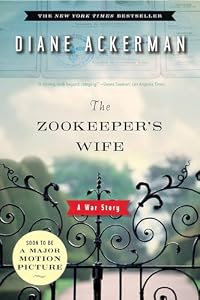
The Zookeeper's Wife: A War Story
by Diane Ackerman
On This Page
Description
When Germany invaded Poland, bombers devastated Warsaw--and the city's zoo along with it. With most of their animals dead, zookeepers Jan and Antonina Zabinski began smuggling Jews into the empty cages. Another dozen "guests" hid inside the Zabinskis' villa, emerging after dark for dinner, socializing and, during rare moments of calm, piano concerts. Jan, active in the Polish resistance, kept ammunition buried in the elephant enclosure and stashed explosives in the animal hospital. show more Meanwhile, Antonina kept her unusual household afloat, caring for both its human and its animal inhabitants and refusing to give in to the penetrating fear of discovery, even as Europe crumbled around her. show lessTags
Recommendations

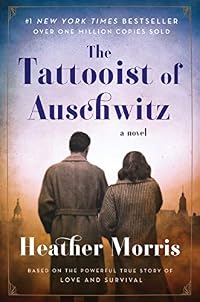
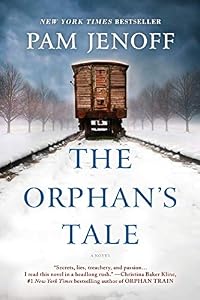
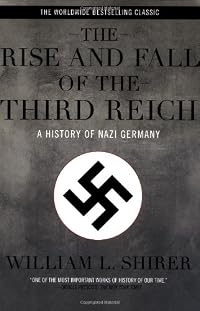

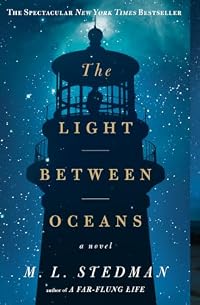



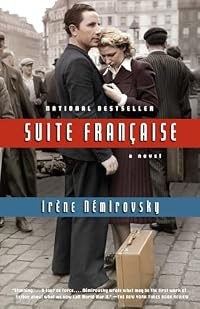
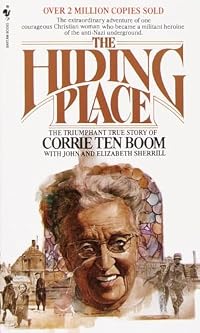
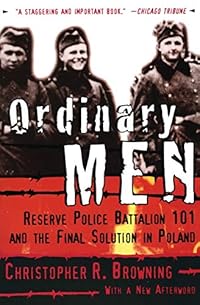
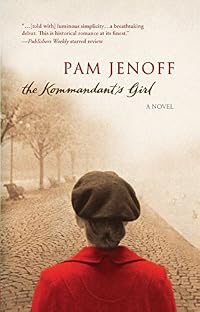
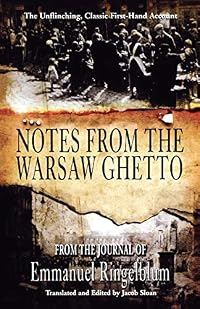

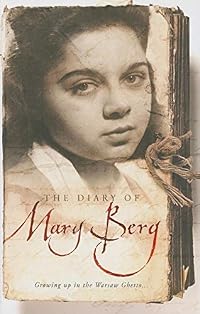
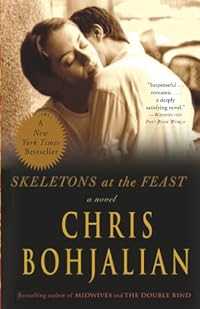
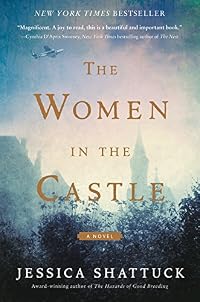

Member Recommendations
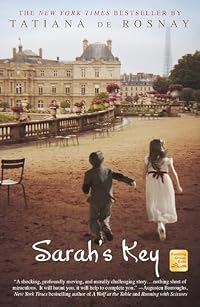
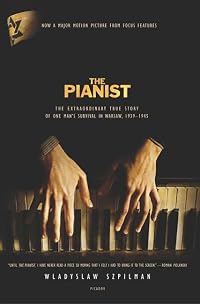
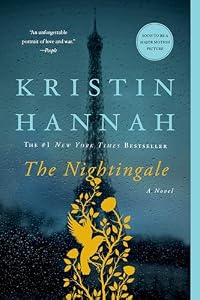
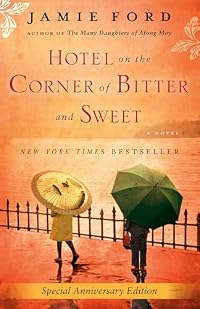
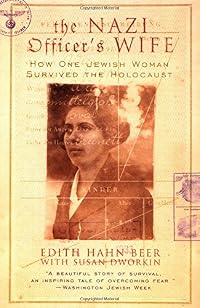
sweetbug Sarah's Key is a work of fiction based on an actual event that took place in France. Both books deal with little-known stories of women/girls trying to keep others safe during the Holocaust; both examine the terrible physical and emotional toll this action takes on the female protagonist.
22
sweetbug Both are about women living in German occupied territory during WWII.
Member Reviews
Jan and Antonina were the proprietors of the Warsaw Zoo when the invasion by Germany in 1939 and the subsequent outbreak of World War 2 changed their lives forever. Jan worked for the Polish Underground and Antonina, a woman who had a way with animals and loved nurturing, headed up the villa when friends of theirs and Jews escaping the Ghetto needed a safe place to stay. This is her story, one of everyday courage and outstanding acts of kindness.
Diane Ackerman is known for her nature books, but she also is a writer of poetry, and treats Antonina's story with care. It's not a history, but a personal look at the life of one family who did what they could when the Nazis invaded and turned Warsaw inside out. The author especially shines show more when she talks about animal behavior in the zoo and Antonina's various pets, but her understated descriptions of war and atrocities makes some events all the more heartbreaking. Interspersed with these are gentler stories of everyday life and humorous anecdotes, but the war is always in the background. Intriguing details on the Nazi program to re-engineer extinct species even while decimating others put a horrifying perspective on what they were doing to humans as well. show less
Diane Ackerman is known for her nature books, but she also is a writer of poetry, and treats Antonina's story with care. It's not a history, but a personal look at the life of one family who did what they could when the Nazis invaded and turned Warsaw inside out. The author especially shines show more when she talks about animal behavior in the zoo and Antonina's various pets, but her understated descriptions of war and atrocities makes some events all the more heartbreaking. Interspersed with these are gentler stories of everyday life and humorous anecdotes, but the war is always in the background. Intriguing details on the Nazi program to re-engineer extinct species even while decimating others put a horrifying perspective on what they were doing to humans as well. show less
In the 1930s the Warsaw Zoo was run by Jan Zabinski, supported by his wife Antonina and their adolescent son Rys. In 1939 Nazi Germany invaded Poland and all of the Jewish citizens of Warsaw were locked into a few blocks of ghetto, sent to concentration camps, or killed. While all Poles were oppressed, the Zabinskis were Christian and used what little freedom that afforded them, and the zoo facilities at their disposal, to help shelter refugees and pass messages. The Nazis were as obsessive about the genetic “purity” of native animal species as they were about human eugenics, and they confiscated any genetically valuable European animals from the Warsaw Zoo and held shooting parties to hunt the rest. The Zabinskis transitioned their show more zoo to a pig farm and later a fur farm to keep up the levels of chaos that provided cover for their clandestine activities, and stayed true to their love of animals by hosting a small menagerie in their home and safehouse.
I really loved this story and want to know more about it, but I did not care for the writing. The narrative felt disjointed and contained way too much detail on irrelevant matters (e.g. a list of lampshades that Antonina might have seen while hiding in a lamp store) while skimming over the more fascinating logistics of the Polish Underground. The perspective constantly shifts between a close narrative style from Antonina’s diaries and a researcher’s detachment. Either would have worked fine, but together the story is hard to follow.
Despite all that, I must appreciate that Ackerman did a lot of original research for the book, interviewing Rys and others who knew the Zabinskis and traveled through their Underground, and the story is undeniably incredible. show less
I really loved this story and want to know more about it, but I did not care for the writing. The narrative felt disjointed and contained way too much detail on irrelevant matters (e.g. a list of lampshades that Antonina might have seen while hiding in a lamp store) while skimming over the more fascinating logistics of the Polish Underground. The perspective constantly shifts between a close narrative style from Antonina’s diaries and a researcher’s detachment. Either would have worked fine, but together the story is hard to follow.
Despite all that, I must appreciate that Ackerman did a lot of original research for the book, interviewing Rys and others who knew the Zabinskis and traveled through their Underground, and the story is undeniably incredible. show less
This is an absorbing book about Warsaw during WWII. Its focus is on zookeepers Jan and Antonia Zabinski, members of the Polish Underground, which fought against Nazi occupation and helped Jews escape. Much of the information comes from her memoirs, so anecdotes are told from her point of view, as the more house bound of the couple, caring for two young children as well as, by the end of the war, some 300 people who stayed at the zoo for long and short durations, living with false identities in the house, or hidden in the cages. The zoo itself was destroyed during the war, most of the animals killed or taken to other zoos, and what remained was an assortment of small animals kept as pets, and others raised for fur or food -- per Nazi show more command, or as a useful cover for surreptitious activities (collecting scraps to feed the pigs was an excuse to transport food (pork -- who would guess) into the Ghetto). The strength of the book is its details of daily life -- the variety of people (a sculptor, a collector of insects) who passed through the house or remained in the Ghetto, observations of animal behavior, negotiations with officials and visitors who might be friend or enemy, small rebellions (the signal for house guests to hide was a piano tune by a Jewish composer) and acts of courage.
(read 8 Feb 2009) show less
(read 8 Feb 2009) show less
When Germany invaded Poland, Stuka bombers devastated Warsaw—and the city's zoo along with it. With most of their animals dead, zookeepers Jan and Antonina Zabinski began smuggling Jews into empty cages. Another dozen "guests" hid inside the Zabinskis' villa, emerging after dark for dinner, socializing, and, during rare moments of calm, piano concerts. Jan, active in the Polish resistance, kept ammunition buried in the elephant enclosure and stashed explosives in the animal hospital. Meanwhile, Antonina kept her unusual household afloat, caring for both its human and its animal inhabitants—otters, a badger, hyena pups, lynxes.With her exuberant prose and exquisite sensitivity to the natural world, Diane Ackerman engages us show more viscerally in the lives of the zoo animals, their keepers, and their hidden visitors. She shows us how Antonina refused to give in to the penetrating fear of discovery, keeping alive an atmosphere of play and innocence even as Europe crumbled around her. show less
The Zookeeper's Wife is the story of the Zabinski family. It is less about a zoo, and more about the Nazi occupation of Poland during WWII. The zoo animals disappear very quickly and the rest of the story is the survival of the family and how they helped their Jewish friends. There are many real-life personages in the book, for which I was grateful. (Irene Sendler) However, the book only received 3.5 stars from me because I think it lacked depth. The depth I was looking for was in the people, how they felt, their own personal trials, etc. Even at the end, when the author interviewed Rys, the child now all grown up, there was literally no information about him. A great history of suffering and courage, but little human emotion provocation.
I saw [The Zookeeper's Wife] several times at the local library before I decided to read it. This year I am trying to read books from my bookshelf with a new one thrown in every 2 weeks or so. This allows me not to fall too far behind on what others are reading also. The reason I hesitated on this book is the fact that I am always reluctant to read about the Holocaust. I am horrified, no matter how often I read about it, and empathetic and sympathetic to the point that I often can't appreciate anything else about the book beyond the horror and criminality of the acts of otherwise "rational" people. As an animal lover, it interested me that the Warsaw Zoo provided not only shelter but a safe place to sleep and eat for any victim. But the show more details of a zoo, and especially that zoo during wartime was something I never considered as a casualty of war. What Ackerman does so well is compare the infrastructure of the zoo with the men of the Nazi war machine. She takes the zoo as a microcosm and compares for the reader the lives of animals and insects with the way the Guests (Jews in hiding) and the Nazis interacted and co-existed. She does it brilliantly.
In Chapter 18 she compares the migration of "flocks of bullfinches, red crossbills and waxwings began streaming south from Siberia and Northern Europe along sky corridors older than the Silk Road," and the movement of the Jews hidden at the Zoo. At the Villa, Guests and visitors migrated in late Autumn to warmer rooms or more durable hideouts.
Throughout the book Ackerman compares the habits of the zoo inhabitants with the behavior of the Nazis and the population of the Ghetto and those who became the "Guests" of the zoo. She has clearly done a great deal of research on the various animals that live at the Zoo. For each person that threatens the existence of those hiding at the Zoo, there are others who put their own lives at risk to ensure the continued safety of those inhabitants. But it is here that the book gets bogged down with details. Some scenes that deserved more attention get short shrift, such as the killing and eating of the Zabinski's son's pet pig. Two pages however, are spent on the description of beetles. And the book does not unfold in linear fashion. With all the information given, it proves difficult to take in. More effort could have been spent on the editing. Overall, the book was interesting and compelling. It needed some devoted editing. It is one of the few books I have read regarding the Holocaust, as I mentioned previously, the subject matter is so difficult for me that I often avoid it but the novelty of the use of the Warsaw Zoo by the compassionate and brave people involved made it more enticing to look into, for me. I would recommend giving it a try despite the jumping around of the time line and the overabundant information the author provides. show less
In Chapter 18 she compares the migration of "flocks of bullfinches, red crossbills and waxwings began streaming south from Siberia and Northern Europe along sky corridors older than the Silk Road," and the movement of the Jews hidden at the Zoo. At the Villa, Guests and visitors migrated in late Autumn to warmer rooms or more durable hideouts.
Throughout the book Ackerman compares the habits of the zoo inhabitants with the behavior of the Nazis and the population of the Ghetto and those who became the "Guests" of the zoo. She has clearly done a great deal of research on the various animals that live at the Zoo. For each person that threatens the existence of those hiding at the Zoo, there are others who put their own lives at risk to ensure the continued safety of those inhabitants. But it is here that the book gets bogged down with details. Some scenes that deserved more attention get short shrift, such as the killing and eating of the Zabinski's son's pet pig. Two pages however, are spent on the description of beetles. And the book does not unfold in linear fashion. With all the information given, it proves difficult to take in. More effort could have been spent on the editing. Overall, the book was interesting and compelling. It needed some devoted editing. It is one of the few books I have read regarding the Holocaust, as I mentioned previously, the subject matter is so difficult for me that I often avoid it but the novelty of the use of the Warsaw Zoo by the compassionate and brave people involved made it more enticing to look into, for me. I would recommend giving it a try despite the jumping around of the time line and the overabundant information the author provides. show less
This book tells the true story of a brave couple - Jan and Antonina Zabinski - who use their home at the Warsaw zoo as a waystation to hide Polish resistance fighters and Jewish refugees (both friends and strangers) during the Nazi occupation of Poland. Throughout the war, Jan and Antonina are besieged by fears real and imagined, from bombings to enlistments to SS soldiers encamping nearby. Their efforts to hide others means risking their own lives and that of their young son. Nevertheless, they feel it is their duty to help save a life when they can, and they continue to find inventive ways to smuggle Jews out of the Warsaw ghetto and move them onwards to safer locations.
Ackerman uses the story of the Zabinskis as a baseline and then show more sometimes meanders from there to explore other aspects of the war or of Nazi ideology. In this way, this historical time period and place are brought to life, often through personal stories. While it appears some readers did not enjoy these "tangents," I felt they were really interesting and I learned a lot more about certain aspects of World War II that I didn't previously know. The main story of the Zabinskis and their resistance work is fascinating and full of interesting people and moments. In all parts, the book is obviously well researched and is constructed from past biographies, Antonina's journal, interviews, etc.
For the audiobook listener, Suzanne Toren does an excellent job presenting this book. Nonfiction can be a bit dull when read aloud, but Toren does her best to make the narration interesting. In particular, she's very good at doing the number of accents required and adding emotion as needed. show less
Ackerman uses the story of the Zabinskis as a baseline and then show more sometimes meanders from there to explore other aspects of the war or of Nazi ideology. In this way, this historical time period and place are brought to life, often through personal stories. While it appears some readers did not enjoy these "tangents," I felt they were really interesting and I learned a lot more about certain aspects of World War II that I didn't previously know. The main story of the Zabinskis and their resistance work is fascinating and full of interesting people and moments. In all parts, the book is obviously well researched and is constructed from past biographies, Antonina's journal, interviews, etc.
For the audiobook listener, Suzanne Toren does an excellent job presenting this book. Nonfiction can be a bit dull when read aloud, but Toren does her best to make the narration interesting. In particular, she's very good at doing the number of accents required and adding emotion as needed. show less
Members
- Recently Added By
Lists

Holocaust
100 works; 13 members

Books about World War II
241 works; 22 members

Books Read in 2010
631 works; 10 members

2008-2012 Notable Books for Adults
127 works; 10 members

KayStJ's to-read list
1,616 works; 11 members

To Read
617 works; 7 members

Fiction Books Worthy of Reading Again
37 works; 1 member

THE WAR ROOM
813 works; 24 members
Talk Discussions
Past Discussions
The Zookeeper's Wife in Book talk (March 2010)
Author Information

39+ Works 13,444 Members
Diane Ackerman was born on October 7, 1948 in Waukegan, Illinois. She received a B.A. in English from Pennsylvania State University and her M.A., M.F.A., and Ph.D. in English from Cornell University. Poet, author, educator, adventurer, and naturalist, she tries to bridge science and art in her writing, exploring questions of who we are, where we show more come from, and how we fit into the fabric of the world. She has written many books of poetry including The Planets: A Cosmic Pastoral; Wife of Light; Jaguar of Sweet Laughter: New and Selected Poems; Origami Bridges: Poems of Psychoanalysis and Fire; and I Praise My Destroyer. Her nonfiction works include A Natural History of the Senses; A Natural History of Love; The Moon by Whale Light: And Other Adventures Among Bats, Crocodilians, Penguins, and Whales; An Alchemy of Mind; and On Extended Wings. She also writes nature books for children including Animal Sense; Monk Seal Hideaway; and Bats: Shadows in the Night. She is coeditor of a Norton anthology, The Book of Love. Her essays about nature and human nature have appeared in Parade, National Geographic, The New York Times, and The New Yorker magazines. She hosted a five-hour PBS television series inspired by A Natural History of the Senses. She received the Orion Book Award for The Zookeepers Wife. Her other awards include the Abbie Copps Poetry Prize, Black Warrior Poetry Prize, Pushcart Prize, Peter I. B. Lavan award, and the Wordsmith award. She has taught at a variety of universities, including Columbia and Cornell. (Bowker Author Biography) show less
Some Editions
Awards and Honors
Awards
Distinctions
Notable Lists
Work Relationships
Has the adaptation
Common Knowledge
- Canonical title*
- Antonina's dierentuin : een oorlogsverhaal in Warschau
- Original title
- The Zookeeper's wife
- Original publication date
- 2007-09-04
- People/Characters
- Antonina Zabinski (Antonina Żabińska); Jan Zabinski (Jan Żabiński); Ryszard Zabinski (Ryszard Żabiński); Szymon Tenenbaum; Lonia Tenenbaum; Heinz Heck (show all 9); Lutz Heck; Magdalena Gross; Maurycy Fraenkel
- Important places
- Warsaw Zoo, Warsaw, Poland; Warsaw Ghetto, Warsaw, Poland
- Important events
- Holocaust; World War II
- Related movies
- The Zookeeper's Wife (2017 | IMDb)
- Dedication
- For Antonina and her family, human and animal
- First words
- At dawn in an outlying district of Warsaw, sunlight swarmed around the trunks of blooming linden trees and crept up the white walls of a 1930s stucco and glass villa where the zoo director and his wife slept in a bed crafted ... (show all)from white birch, a pale wood used in canoes, tongue depressors, and Windsor chairs.
- Last words
- (Click to show. Warning: May contain spoilers.)On both sides of the pillar, a bearded god spills water from his mouth, and it's easy to picture Antonina setting down her basket, angling a jug under a spout, and waiting as life gurgled up from the earth.
- Blurbers
- Diamond, Jared; Foer, Jonathan Safran; Sobel, Dava
- Original language
- English
*Some information comes from Common Knowledge in other languages. Click "Edit" for more information.
Classifications
- Genres
- Biography & Memoir, Nonfiction
- DDC/MDS
- 940.5318350943841 — History & geography History of Europe History of Europe 1918- World War II, 1939-1945 Social, political, economic history; Holocaust Holocaust
- LCC
- D804.66 .Z33 .A25 — History of Europe, Asia, Africa and Oceania History (General) World War II (1939-1945)
- BISAC
Statistics
- Members
- 5,402
- Popularity
- 2,478
- Reviews
- 215
- Rating
- (3.53)
- Languages
- 10 — Danish, Dutch, English, French, German, Italian, Norwegian (Bokmål), Polish, Spanish, Portuguese (Portugal)
- Media
- Paper, Audiobook, Ebook
- ISBNs
- 51
- UPCs
- 1
- ASINs
- 24