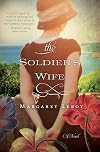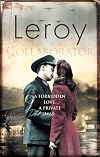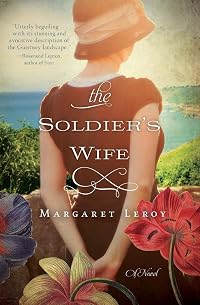
The Soldier's Wife
by Margaret Leroy
On This Page
Description
As World War II draws closer and closer to Guernsey, Vivienne de la Mare knows that there will be sacrifices to be made. Not just for herself, but for her two young daughters and for her mother-in-law, for whom she cares while her husband is away fighting. What she does not expect is that she will fall in love with one of the enigmatic German soldiers who take up residence in the house next door to her home. As their relationship intensifies, so do the pressures on Vivienne. Food and show more resources grow scant, and the restrictions placed upon the residents of the island grow with each passing week. Though Vivienne knows the perils of her love affair with Gunther, she believes that she can keep their relationship- and her family- safe. But when she becomes aware of the full brutality of the Occupation, she must decide if she is willing to risk her personal happiness for the life of a stranger--From book cover. show lessTags
Recommendations






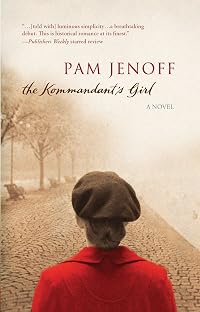



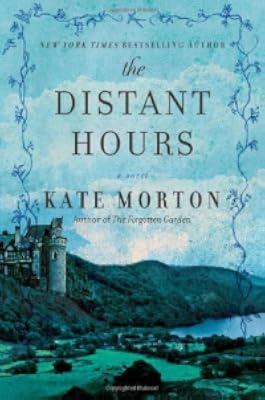


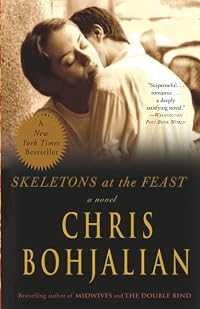
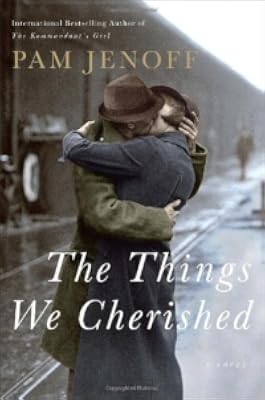





















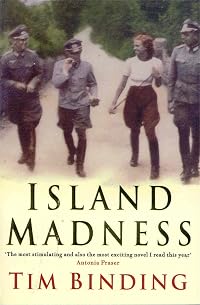
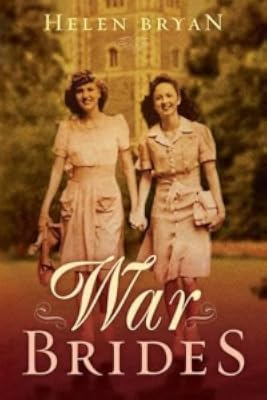
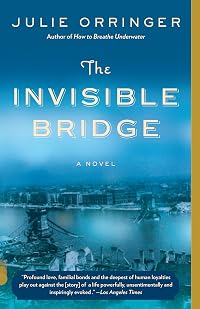
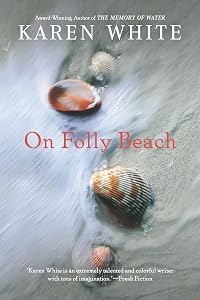
Member Recommendations
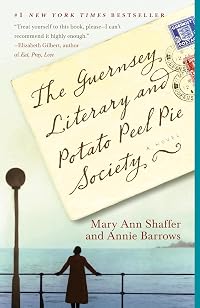
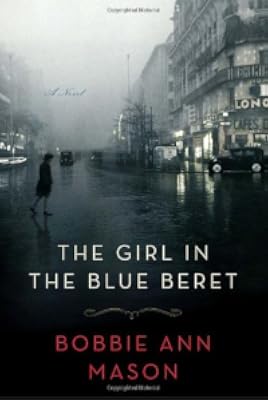
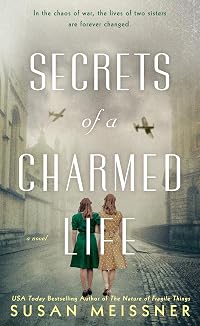
arielfl Another historical fiction book centered on the Guernsey Islands during World War I.
Also recommended by kehs, BookshelfMonstrosity
50
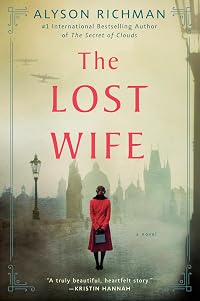
Yervant Both works focus on German occupation during World War II, one in France, the other in Guernsey. The storyline of a local woman falling in love with a German occupier is also a common thread, (though more successful and believable in my opinion in Nemirovsky's work than in Leroy's.)
Member Reviews
This is an absorbing story written in beautiful, evocative prose with characters that are occasionally frustrating but all the more realistic for it. Set during World War II, the story takes us from the last day that Guernsey Islanders can evacuate for London before the arrival of the Germans in June, 1940, through all of the war, to an epilogue in 1946.
Vivienne de la Mare lives with her two children, Blanche, 14, and Millie, 4, in a lovely isolated home on the island. Her widowed mother-in-law Evelyn lives with them also. Vivienne’s husband Eugene has gone to war, but he had been gone in most senses before that; they had never truly been in love, and in any event had not had any sexual relations since Millie was conceived. Vivienne show more knows that Eugene has had a mistress.
When the Germans come, four German soldiers move into the deserted house next door. After a long struggle against her needs and her obvious attraction, Vivienne begins a relationship with one of them, Gunther Lehmann. Gunther too has a marriage back home in Germany that is inadequate in many ways, and Vivienne can sense his loneliness before they even speak. Gunther finds in Vivienne the love he never expected to have, and releases in her a passion that she only dreamed about. But it is an awkward situation. Vivienne feels like a traitor, and comes to loathe the behavior of the Germans wearing Nazi uniforms who supervise the slave laborers on the island. She never knows how much Gunther participates or knows about it; he prefers to leave all talk of the war outside of her door. She doesn’t understand how so much good and evil can coexist in the same universe.
Somewhat by accident and reluctantly, Vivienne becomes involved in the underground resistance on the island. She does this during the day, and makes love to a German at night. It is tearing Vivienne apart, and something has to give. It finally does, in the senseless way that so often happens in wartime.
Discussion: Complex issues raised by this story dilute the black and white of war with shades of gray that muddy any obvious judgments. The most salient issue is the tendency to lump all persons from an enemy nation into one category, refusing to consider that individuals vary, even in wartime. Part of the tragedy in this story is not only what war does to both the victims and the perpetrators, but that it leads to classifying all sorts of human beings with different interests and pasts and presents into only either victims or perpetrators.
The inability to communicate is another big problem for Vivienne and Gunther, and it is compounded by the fact that they are on two different sides of the war. Does love supplant loyalty to one’s country when under occupation? Is love even real in such circumstances, or is it a response to the fear and adrenaline and heightened senses of wartime?
But the biggest issue has nothing really to do with war at all, although the war affects it, and it is about trusting someone you love. Vivienne found she could not trust the love of her mother, who died when she was three, nor that of her husband, and she never learned how to give that trust to anyone else. Trust, trust is harder for Vivienne than questions of war and peace, or of good and evil. Ultimately, she must decide if she can take a chance on love. Her decision will haunt you long after you close the last page of this memorable book.
Evaluation: This book is really an excellent exposé of both the overt, obvious horrors of war, and the little everyday ones, that can rip up peoples’ hearts and lives, or make them stronger from the unexpected dawns that always come even after the darkest nights. show less
Vivienne de la Mare lives with her two children, Blanche, 14, and Millie, 4, in a lovely isolated home on the island. Her widowed mother-in-law Evelyn lives with them also. Vivienne’s husband Eugene has gone to war, but he had been gone in most senses before that; they had never truly been in love, and in any event had not had any sexual relations since Millie was conceived. Vivienne show more knows that Eugene has had a mistress.
When the Germans come, four German soldiers move into the deserted house next door. After a long struggle against her needs and her obvious attraction, Vivienne begins a relationship with one of them, Gunther Lehmann. Gunther too has a marriage back home in Germany that is inadequate in many ways, and Vivienne can sense his loneliness before they even speak. Gunther finds in Vivienne the love he never expected to have, and releases in her a passion that she only dreamed about. But it is an awkward situation. Vivienne feels like a traitor, and comes to loathe the behavior of the Germans wearing Nazi uniforms who supervise the slave laborers on the island. She never knows how much Gunther participates or knows about it; he prefers to leave all talk of the war outside of her door. She doesn’t understand how so much good and evil can coexist in the same universe.
Somewhat by accident and reluctantly, Vivienne becomes involved in the underground resistance on the island. She does this during the day, and makes love to a German at night. It is tearing Vivienne apart, and something has to give. It finally does, in the senseless way that so often happens in wartime.
Discussion: Complex issues raised by this story dilute the black and white of war with shades of gray that muddy any obvious judgments. The most salient issue is the tendency to lump all persons from an enemy nation into one category, refusing to consider that individuals vary, even in wartime. Part of the tragedy in this story is not only what war does to both the victims and the perpetrators, but that it leads to classifying all sorts of human beings with different interests and pasts and presents into only either victims or perpetrators.
The inability to communicate is another big problem for Vivienne and Gunther, and it is compounded by the fact that they are on two different sides of the war. Does love supplant loyalty to one’s country when under occupation? Is love even real in such circumstances, or is it a response to the fear and adrenaline and heightened senses of wartime?
But the biggest issue has nothing really to do with war at all, although the war affects it, and it is about trusting someone you love. Vivienne found she could not trust the love of her mother, who died when she was three, nor that of her husband, and she never learned how to give that trust to anyone else. Trust, trust is harder for Vivienne than questions of war and peace, or of good and evil. Ultimately, she must decide if she can take a chance on love. Her decision will haunt you long after you close the last page of this memorable book.
Evaluation: This book is really an excellent exposé of both the overt, obvious horrors of war, and the little everyday ones, that can rip up peoples’ hearts and lives, or make them stronger from the unexpected dawns that always come even after the darkest nights. show less
Some novels are written in such a way that every sentence fills the reader with a sense of peace ad profound delight. The language may not be poetic per se, but the impression left upon the reader is one of simple beauty. Every word needs to be savored and every scene to be absorbed. The entire novel benefits from the melodious language, as does the reader. Margaret Leroy's The Soldier's Wife is one such novel.
Another story about the occupation of Guernsey during World War II, the topic could be construed as redundant and just a copy of The Guernsey Literary and Potato Peel Pie Society. The Soldier's Wife is anything but a copy. Rather than an outsider looking in, Ms. Leroy focuses her novel around Vivienne, mother and wife of a soldier show more and caretaker for her failing mother-in-law. The reader is able to get an intimate look at how islanders were able to survive with the severe rations, surrounded by enemies. More importantly, Vivienne's experiences showcase just how easily the line between duty and morality, black and white, can blur during the confusion surrounding war.
Vivienne stands in as the symbol for anyone living in an occupied country. Even though the individual experiences may be different, the same conflicts continue to arise. At what point in time does friendliness towards the enemy become treason and a betrayal of one’s country? Is it as black and white as the enemy as the bad guy? Is the enemy to be afforded no civility because of the uniform he wears? As Vivienne gets drawn further and further in the gray areas of occupation, her struggles really begin. Is one to ignore all happiness for the sake of one’s duty to his or her country? Does someone have a moral obligation to fight against repression and barbarism once made aware of it? The questions are endless but handled with the utmost care and respect.
There is a depth to the novel that is not apparent on the surface. Combine that with the lush descriptions of the island and Vivienne’s hidden valley, and it is enough to entice the reader to sink down and just be swept under by the beautiful prose and thought-provoking story. Ms. Leroy balances the more melodramatic moments with gut-wrenchingly honest scenes that remind the reader all too brutally that war is not love and kindness. It is harsh and unfair; it is a scramble for survival.
The Soldier's Wife is a welcome addition to the World War II canon, as it shares with the reader a relatively new perspective on occupation and the ambiguity that comes with it. Vivienne and the entire island of Guernsey simply come alive under Ms. Leroy’s pen. Beautifully written, it is worth reading as much for its descriptions as it is for the picture it presents and lessons shared about the difference between duty and morality.
Thank you to Bryan Christian from Hyperion Books for my review copy! show less
Another story about the occupation of Guernsey during World War II, the topic could be construed as redundant and just a copy of The Guernsey Literary and Potato Peel Pie Society. The Soldier's Wife is anything but a copy. Rather than an outsider looking in, Ms. Leroy focuses her novel around Vivienne, mother and wife of a soldier show more and caretaker for her failing mother-in-law. The reader is able to get an intimate look at how islanders were able to survive with the severe rations, surrounded by enemies. More importantly, Vivienne's experiences showcase just how easily the line between duty and morality, black and white, can blur during the confusion surrounding war.
Vivienne stands in as the symbol for anyone living in an occupied country. Even though the individual experiences may be different, the same conflicts continue to arise. At what point in time does friendliness towards the enemy become treason and a betrayal of one’s country? Is it as black and white as the enemy as the bad guy? Is the enemy to be afforded no civility because of the uniform he wears? As Vivienne gets drawn further and further in the gray areas of occupation, her struggles really begin. Is one to ignore all happiness for the sake of one’s duty to his or her country? Does someone have a moral obligation to fight against repression and barbarism once made aware of it? The questions are endless but handled with the utmost care and respect.
There is a depth to the novel that is not apparent on the surface. Combine that with the lush descriptions of the island and Vivienne’s hidden valley, and it is enough to entice the reader to sink down and just be swept under by the beautiful prose and thought-provoking story. Ms. Leroy balances the more melodramatic moments with gut-wrenchingly honest scenes that remind the reader all too brutally that war is not love and kindness. It is harsh and unfair; it is a scramble for survival.
The Soldier's Wife is a welcome addition to the World War II canon, as it shares with the reader a relatively new perspective on occupation and the ambiguity that comes with it. Vivienne and the entire island of Guernsey simply come alive under Ms. Leroy’s pen. Beautifully written, it is worth reading as much for its descriptions as it is for the picture it presents and lessons shared about the difference between duty and morality.
Thank you to Bryan Christian from Hyperion Books for my review copy! show less
Vivienne de la Mare is from London, but now lives on Guernsey, after marrying an islander. Eugene is away fighting in the war and so Vivienne is alone with her two daughters, and her mother-in-law. When Guernsey is occupied by the Germans in 1940, she finds herself living next door to them and having to make a decision about whether to make them her enemy, or to try to live alongside them.
She becomes particularly close to one of the officers, Captain Lehmann, and the story of forbidden love between them is absolutely beautiful.
The story is told in the present tense by Vivienne. This doesn't always work well, but in this book it is exactly right as it gives the opportunity for the reader to really feel the love, the tension, the show more anxiety, and all the other feelings that she has.
Margaret Leroy's writing is so elegant. I found myself not wanting to rush this book at all. Even near the end, when normally I find myself speeding up, I was reading slowly to savour every word. And when I did get to the end I found it so sad and moving that I cried.
This book is definitely a candidate for my book of the year, and I'm looking forward to reading more of this author's work. show less
She becomes particularly close to one of the officers, Captain Lehmann, and the story of forbidden love between them is absolutely beautiful.
The story is told in the present tense by Vivienne. This doesn't always work well, but in this book it is exactly right as it gives the opportunity for the reader to really feel the love, the tension, the show more anxiety, and all the other feelings that she has.
Margaret Leroy's writing is so elegant. I found myself not wanting to rush this book at all. Even near the end, when normally I find myself speeding up, I was reading slowly to savour every word. And when I did get to the end I found it so sad and moving that I cried.
This book is definitely a candidate for my book of the year, and I'm looking forward to reading more of this author's work. show less
Although I was reading several books at the time I began this one, I put them all aside to finish The Soldier’s Wife. I didn’t expect it to have so profound an effect on me. With tremendous insight into the conflicting emotions one must experience when under the heel of an invading army, a captive in one’s own homeland, not knowing exactly how to react to please the invader and yet not wanting to displease your neighbors, Leroy explored the depth of depravity and the height of nobility from the most unexpected sources. She did all this without creating maudlin, hackneyed scenes, too trite to read about. Although the subject matter is not new, the story felt as if it had never been told before, in quite this way.
The time is 1940, show more and on one of the Channel Islands, Guernsey, with the Germans literally at their gate, many Guernsians scramble to escape or send their children to safety. Vivienne de la Mare, after agonizing over her decision, decides it is time to leave the island with her children. This is her husband’s home, not hers and he is away fighting for Britain. She has a sister in London and they are welcome there. Her children, Blanche, who is 14, and Millie, who is 9, are meant to leave with her on a boat to England. Her husband’s mother is taken to a friend’s home, along with their beloved cat, but when they arrive at the pier, there are too many people waiting for the tiny boat at the dock, and shocked that they are expected to leave in that tiny vessel, Vivienne impulsively leaves the queue and goes back home. There she finds, although the war has yet to reach the shores of Guernsey, it has already begun because someone has ransacked the house, robbed them and destroyed her heirlooms, just for the sake of it, a random act of vandalism by some thug taking advantage of the war situation. From this point, the story grows into a tale of love and betrayal, violence and compassion, survival and death. It is at once a war story and a love story, but also a story of how ordinary people simply try to survive in the most trying of times.
It is a tender novel which touches on all human emotions; it is about despair, loneliness, courage and hope. Eugene, Vivienne’s husband, has long been absent in their marriage, not only because of the war, and Vivienne’s hunger soon causes her to begin a secret love affair with one of the occupying Germans, Gunther, a sensitive, lonely man, apart and aside from him being the enemy soldier that he is, who fills a need within her that has been unfulfilled for too long. During one of their trysts, he makes a simple but profound statement which explains the behavior of many during wartime, which may seem like cowardice, but is really simply an act of survival. It is simple statements like these, which appear throughout the book, that explore human nature more fully and make this something other than a typical love story or war story.
When Gunther describes how he felt watching his father beating his brother, knowing that instead of hiding he could interfere and help him, we learn that he knows a simple truth. While he is beating his brother, he is safe, he isn’t beating him. That statement may indeed be the reason why so many in wartime, or in peacetime, witnessing a crime, remain silent and do nothing. If the person committing evil is hurting someone else, than they are safe, and they never think of what comes next…that they may be next, when there are no other victims. We feel the simple truth of what Millie says when she replies to her mother about not being too friendly to the enemy, the Germans, that Max, is not a German, he is simply Max. In another time, after the war, he is, indeed, simply Max. When Max treats Millie when she is ill, we see the humanity that resides within him as well as the depravity that allows him to bear witness to such inhuman behavior towards other human beings without an outcry in their defense.
The story never becomes too maudlin or too unbearable to read about, for although as the novel unfolds with simple clarity, and the confusion and contradictions experienced by the characters, during wartime on an occupied island, explode in front of you with every scene, not one syllable is wasted as human emotion and loyalty are explored from every angle, and not one word is overused or hackneyed.
With compassion and empathy, we watch the character’s different efforts to survive. The author’s uncanny ability to express all that went on without judgment or undue harshness for the errors in judgment made by the characters, and the circumstances that existed then, is truly a gift to the reader. The conflict and horror of war are apparent, and yet the Holocaust is not mentioned by name.
We learn that within each of us may reside a hero, as when Vivienne hides and feeds Kirill trying to save him, as well as a coward as when others turn away, fearing for their own well being, turning others in to save themselves. Both traits may be lurking within the same person, and only the right circumstances will draw either of them to the forefront.
How do we know how we will act in similar situations. I think the author makes us think about that? I think she makes us question our own capacity for heroism or cowardice. Will we turn away because they aren’t coming for us or rise to the occasion because we know it is only a matter of time before we are next.
Is it true that soldiers merely follow orders and are not responsible for the degradation and depravity of wartime circumstances, not really responsible for their actions? Or are we guilty of turning a blind eye to the ugliness to save ourselves? When the scene with Captain Max Richter and the butterfly, unfolds…I was reminded of a famous poem written by a Holocaust victim “ I Never Saw Another Butterfly”. The captain is remarking, to Millie, about the beauty and abundance of the butterflies on the island of Guernsey while the victims of Hitler's demonic mind were lamenting the loss of even seeing a butterfly around them in Thereisenstadt. I wondered whether or not the author was aware of the poignancy of that scene, of how that butterfly was a symbol of so much for so many, in completely different circumstances, when she wrote those lines.
Pavel Freidmann, born on 1/7/21, in Prague, deported to Thereisenstadt on 4/26/42, died in Aushchwitz 9/29/44, authored this poem.
http://en.wikipedia.org/wiki/Pavel_Friedman
The Butterfly
The last, the very last,
So richly, brightly, dazzlingly yellow.
Perhaps if the sun's tears would sing
against a white stone. . . .
Such, such a yellow
Is carried lightly 'way up high.
It went away I'm sure because it wished to
kiss the world good-bye.
For seven weeks I've lived in here,
Penned up inside this ghetto.
But I have found what I love here.
The dandelions call to me
And the white chestnut branches in the court.
Only I never saw another butterfly.
That butterfly was the last one.
Butterflies don't live in here,
in the ghetto. show less
The time is 1940, show more and on one of the Channel Islands, Guernsey, with the Germans literally at their gate, many Guernsians scramble to escape or send their children to safety. Vivienne de la Mare, after agonizing over her decision, decides it is time to leave the island with her children. This is her husband’s home, not hers and he is away fighting for Britain. She has a sister in London and they are welcome there. Her children, Blanche, who is 14, and Millie, who is 9, are meant to leave with her on a boat to England. Her husband’s mother is taken to a friend’s home, along with their beloved cat, but when they arrive at the pier, there are too many people waiting for the tiny boat at the dock, and shocked that they are expected to leave in that tiny vessel, Vivienne impulsively leaves the queue and goes back home. There she finds, although the war has yet to reach the shores of Guernsey, it has already begun because someone has ransacked the house, robbed them and destroyed her heirlooms, just for the sake of it, a random act of vandalism by some thug taking advantage of the war situation. From this point, the story grows into a tale of love and betrayal, violence and compassion, survival and death. It is at once a war story and a love story, but also a story of how ordinary people simply try to survive in the most trying of times.
It is a tender novel which touches on all human emotions; it is about despair, loneliness, courage and hope. Eugene, Vivienne’s husband, has long been absent in their marriage, not only because of the war, and Vivienne’s hunger soon causes her to begin a secret love affair with one of the occupying Germans, Gunther, a sensitive, lonely man, apart and aside from him being the enemy soldier that he is, who fills a need within her that has been unfulfilled for too long. During one of their trysts, he makes a simple but profound statement which explains the behavior of many during wartime, which may seem like cowardice, but is really simply an act of survival. It is simple statements like these, which appear throughout the book, that explore human nature more fully and make this something other than a typical love story or war story.
When Gunther describes how he felt watching his father beating his brother, knowing that instead of hiding he could interfere and help him, we learn that he knows a simple truth. While he is beating his brother, he is safe, he isn’t beating him. That statement may indeed be the reason why so many in wartime, or in peacetime, witnessing a crime, remain silent and do nothing. If the person committing evil is hurting someone else, than they are safe, and they never think of what comes next…that they may be next, when there are no other victims. We feel the simple truth of what Millie says when she replies to her mother about not being too friendly to the enemy, the Germans, that Max, is not a German, he is simply Max. In another time, after the war, he is, indeed, simply Max. When Max treats Millie when she is ill, we see the humanity that resides within him as well as the depravity that allows him to bear witness to such inhuman behavior towards other human beings without an outcry in their defense.
The story never becomes too maudlin or too unbearable to read about, for although as the novel unfolds with simple clarity, and the confusion and contradictions experienced by the characters, during wartime on an occupied island, explode in front of you with every scene, not one syllable is wasted as human emotion and loyalty are explored from every angle, and not one word is overused or hackneyed.
With compassion and empathy, we watch the character’s different efforts to survive. The author’s uncanny ability to express all that went on without judgment or undue harshness for the errors in judgment made by the characters, and the circumstances that existed then, is truly a gift to the reader. The conflict and horror of war are apparent, and yet the Holocaust is not mentioned by name.
We learn that within each of us may reside a hero, as when Vivienne hides and feeds Kirill trying to save him, as well as a coward as when others turn away, fearing for their own well being, turning others in to save themselves. Both traits may be lurking within the same person, and only the right circumstances will draw either of them to the forefront.
How do we know how we will act in similar situations. I think the author makes us think about that? I think she makes us question our own capacity for heroism or cowardice. Will we turn away because they aren’t coming for us or rise to the occasion because we know it is only a matter of time before we are next.
Is it true that soldiers merely follow orders and are not responsible for the degradation and depravity of wartime circumstances, not really responsible for their actions? Or are we guilty of turning a blind eye to the ugliness to save ourselves? When the scene with Captain Max Richter and the butterfly, unfolds…I was reminded of a famous poem written by a Holocaust victim “ I Never Saw Another Butterfly”. The captain is remarking, to Millie, about the beauty and abundance of the butterflies on the island of Guernsey while the victims of Hitler's demonic mind were lamenting the loss of even seeing a butterfly around them in Thereisenstadt. I wondered whether or not the author was aware of the poignancy of that scene, of how that butterfly was a symbol of so much for so many, in completely different circumstances, when she wrote those lines.
Pavel Freidmann, born on 1/7/21, in Prague, deported to Thereisenstadt on 4/26/42, died in Aushchwitz 9/29/44, authored this poem.
http://en.wikipedia.org/wiki/Pavel_Friedman
The Butterfly
The last, the very last,
So richly, brightly, dazzlingly yellow.
Perhaps if the sun's tears would sing
against a white stone. . . .
Such, such a yellow
Is carried lightly 'way up high.
It went away I'm sure because it wished to
kiss the world good-bye.
For seven weeks I've lived in here,
Penned up inside this ghetto.
But I have found what I love here.
The dandelions call to me
And the white chestnut branches in the court.
Only I never saw another butterfly.
That butterfly was the last one.
Butterflies don't live in here,
in the ghetto. show less
Nazi occupation on Guernsey during WWII. Doesn't really conjure up images of a lovely romance for me but I think this is considered Historical Romance. The only thing I found romantic about it was the language and the setting but I did enjoy it. While reading it the star rating swung from 4 to 2 to 4 and finally settled on 3 but then just at the last page jumped it back to 4 again, at the last second. I didn't like the ending particularly but I didn't see it coming so it got an extra star for the shock factor.
Vivienne, a soldier's wife, is living on Guernsey with her 2 daughters and her mother-in-law while her husband is away fighting for his country. When the German army come to occupy the island she learns to come to terms with show more restricted living. When a few Nazi soldiers commandeer her empty neighbour's house she's drawn to one of them in particular (Gunther), and so begins the 'romance'. Vivienne's marriage is an unhappy one and I get the impression that her marriage was over a long time before her husband left to fight but to be honest I still have no clue what she ever saw in Gunther. He didn't strike me as romance material but I think Viv was just miserably unhappy and lonely and whichever of the Nazi's had shown an interest in her would have had just as much chance to get with her.
I didn't feel that the romance was actually the focal point of the story for me. It was always there in the background but I was more interested in the Historical aspects. The Resistance from the Islanders, the Prisoners of War, the shortages and rationing...in general the results of the Occupation on the island. There were some really touching moments and some harrowing moments, as you'd expect from a war-time drama and all the characters were really well written and I really cared what happened to them.
I was frustrated with the ending though. I was all set to give it 3 stars overall and file it under 'a good read' but then I got to the end and I lost my footing. I'm still not sure how to deal with it. Not sure if I liked the ending, neither am I sure I disliked it. It took me by surprise and when I read it I wanted to know more and was annoyed that I'd never find out...then back pedalled and thought the shock ending was the right way to deal with it. Argh! I don't know. I'll just say it was a surprising end to a good book. Not sure if it was good or bad ending but it was surprising.
It's a nice gentle read, despite the war theme and the occupation and I'd maybe read more by this author. show less
Vivienne, a soldier's wife, is living on Guernsey with her 2 daughters and her mother-in-law while her husband is away fighting for his country. When the German army come to occupy the island she learns to come to terms with show more restricted living. When a few Nazi soldiers commandeer her empty neighbour's house she's drawn to one of them in particular (Gunther), and so begins the 'romance'. Vivienne's marriage is an unhappy one and I get the impression that her marriage was over a long time before her husband left to fight but to be honest I still have no clue what she ever saw in Gunther. He didn't strike me as romance material but I think Viv was just miserably unhappy and lonely and whichever of the Nazi's had shown an interest in her would have had just as much chance to get with her.
I didn't feel that the romance was actually the focal point of the story for me. It was always there in the background but I was more interested in the Historical aspects. The Resistance from the Islanders, the Prisoners of War, the shortages and rationing...in general the results of the Occupation on the island. There were some really touching moments and some harrowing moments, as you'd expect from a war-time drama and all the characters were really well written and I really cared what happened to them.
I was frustrated with the ending though. I was all set to give it 3 stars overall and file it under 'a good read' but then I got to the end and I lost my footing. I'm still not sure how to deal with it. Not sure if I liked the ending, neither am I sure I disliked it. It took me by surprise and when I read it I wanted to know more and was annoyed that I'd never find out...then back pedalled and thought the shock ending was the right way to deal with it. Argh! I don't know. I'll just say it was a surprising end to a good book. Not sure if it was good or bad ending but it was surprising.
It's a nice gentle read, despite the war theme and the occupation and I'd maybe read more by this author. show less
**Review of Advanced Reading Edition**
Husband off to war, caring for two girls and an addled mother-in-law, our heroine, Vivienne must quickly decide if she must evacuate to the mainland from Guernsey and the Channel Islands. Each choice is fraught with potential problems. It’s early in World War II and England herself is being bombed. London, where Vivienne has connections, is perilous. An impending invasion by the Nazis carries unknown risks, but rumors are rife. Surely the War won’t last long? At the last, she packs up her daughters and trundles granny to a neighbor. Waiting to board the last boat out, she belatedly opts for perceived safety once she sees the tiny boat and the numbers of refugees queuing to board her. And this show more only takes us through the first 25 pages!
Vivenne must live with this decision, despite bombings, deprivation and the stationing of Nazi officers at the house next door. Where does compromise to survive bleed into complicity with the enemy? How does one raise teenagers in wartime? How far does one go to protect a stranger?
I truly enjoyed this book. The description of the bombing of the harbor was particularly harrowing. Leroy’s portrayal of the daughters, one in grade school, the other a teenager were spot on. So believable. Also ringing true was the relationship with the mother-in-law whose mind is starting to wander. These are true, fleshed out characterizations. The story is fast paced – the pages just kept on turning. I wish the love story with Gunther was equally compelling. Yes, it is forbidden, yes, it was fraught with danger, but no, it didn’t work for me. Because the other story lines were so involving, I kept with it to the end, although I would have been quite happy without the epilogue. show less
Husband off to war, caring for two girls and an addled mother-in-law, our heroine, Vivienne must quickly decide if she must evacuate to the mainland from Guernsey and the Channel Islands. Each choice is fraught with potential problems. It’s early in World War II and England herself is being bombed. London, where Vivienne has connections, is perilous. An impending invasion by the Nazis carries unknown risks, but rumors are rife. Surely the War won’t last long? At the last, she packs up her daughters and trundles granny to a neighbor. Waiting to board the last boat out, she belatedly opts for perceived safety once she sees the tiny boat and the numbers of refugees queuing to board her. And this show more only takes us through the first 25 pages!
Vivenne must live with this decision, despite bombings, deprivation and the stationing of Nazi officers at the house next door. Where does compromise to survive bleed into complicity with the enemy? How does one raise teenagers in wartime? How far does one go to protect a stranger?
I truly enjoyed this book. The description of the bombing of the harbor was particularly harrowing. Leroy’s portrayal of the daughters, one in grade school, the other a teenager were spot on. So believable. Also ringing true was the relationship with the mother-in-law whose mind is starting to wander. These are true, fleshed out characterizations. The story is fast paced – the pages just kept on turning. I wish the love story with Gunther was equally compelling. Yes, it is forbidden, yes, it was fraught with danger, but no, it didn’t work for me. Because the other story lines were so involving, I kept with it to the end, although I would have been quite happy without the epilogue. show less
War has come to Guernsey and to the home of Vivienne de la Mare and her two daughters. Her husband-- with whom she has a poor relationship-- is away, fighting, and she is left alone with the children and her difficult mother-in-law . . . and the occupying Germans. All around, the island flowers in beauty, while life as it is lived day to day becomes increasingly meager and more restricted.
Vivienne finds herself in a relationship with one of the Germans living next door, Gunther. Needless to say, this is far from an acceptable wartime action. But Leroy leaves us to ask, what is an acceptable action? Are boundaries moral, national, military? Vivienne and Gunther first bond through art, through drawing and poetry: what does this have to do show more with the war raging around them? Is it possible for two people to exist apart from the chaos of a world in tumult? Leroy's novel raises all these questions and more. Above all, it seems that she wants to point out that we can't be so simplistic as to brand a person like Vivienne-- who will take very courageous actions later on in the novel-- a collaborator or a traitor. The wartime world is not back and white; it's many shades of gray. Humans are loney and needy, no matter what the external circumstances. Whether love can conquer all is a question you'll have to read to the end of the novel and answer for yourself, based on what happens and your interpretation of those events.
This book raises important questions about the genre of a historical novel that is a "war novel" implicitly in its title, "The Soldier's Wife." It evokes the idea of war immediately, but that soldier of the title is absent throughout the whole novel. Instead, we see what it is like to be on the homefront and to live through a war, in the circumstances less well-publicized than those brave people who lived through the Battle of Britian but who were victims of an invading force in a different way. We see it in minute detail, from questions of how to make a dress to how to dredge up food for the next day. Leroy is adept at dramatizing the fine details of living in this way, capturing moments in a crystal-clear way and holding them up for the reader to examine in all their tragic beauty. The language of the novel is beautiful, lyric, descriptive.
If one thing seems to simple, it's Vivienne's falling in love with Gunther. This seems to happen too easily, too simply, too quickly. Yes, Vivienne is lonely, but, regardless, there's very little build-up to their romance. The trajectory of their romance might also seem predictable, but, given what we know of history, that might be an inevitability. Gunther's own story, as it plays out, might, again, seem a bit predictable-- but again, this might simply be because history has already laid down certain constraints for the way things were likely to play out, and Leroy is following them. Vivienne's courageous act toward the end of the novel seems a bit unprecedented, a bit out of character, but it might also show her drawing on a strength of character we didn't know she possessed. These are all minor things and do not detract from the overall arc of the story and the major questions that it raises or the beautiful way it is written.
Recommended as a glimpse into an often-forgotten glimpse into a wartime event that history often overlooks, from a perspective that history often ignores. show less
Vivienne finds herself in a relationship with one of the Germans living next door, Gunther. Needless to say, this is far from an acceptable wartime action. But Leroy leaves us to ask, what is an acceptable action? Are boundaries moral, national, military? Vivienne and Gunther first bond through art, through drawing and poetry: what does this have to do show more with the war raging around them? Is it possible for two people to exist apart from the chaos of a world in tumult? Leroy's novel raises all these questions and more. Above all, it seems that she wants to point out that we can't be so simplistic as to brand a person like Vivienne-- who will take very courageous actions later on in the novel-- a collaborator or a traitor. The wartime world is not back and white; it's many shades of gray. Humans are loney and needy, no matter what the external circumstances. Whether love can conquer all is a question you'll have to read to the end of the novel and answer for yourself, based on what happens and your interpretation of those events.
This book raises important questions about the genre of a historical novel that is a "war novel" implicitly in its title, "The Soldier's Wife." It evokes the idea of war immediately, but that soldier of the title is absent throughout the whole novel. Instead, we see what it is like to be on the homefront and to live through a war, in the circumstances less well-publicized than those brave people who lived through the Battle of Britian but who were victims of an invading force in a different way. We see it in minute detail, from questions of how to make a dress to how to dredge up food for the next day. Leroy is adept at dramatizing the fine details of living in this way, capturing moments in a crystal-clear way and holding them up for the reader to examine in all their tragic beauty. The language of the novel is beautiful, lyric, descriptive.
If one thing seems to simple, it's Vivienne's falling in love with Gunther. This seems to happen too easily, too simply, too quickly. Yes, Vivienne is lonely, but, regardless, there's very little build-up to their romance. The trajectory of their romance might also seem predictable, but, given what we know of history, that might be an inevitability. Gunther's own story, as it plays out, might, again, seem a bit predictable-- but again, this might simply be because history has already laid down certain constraints for the way things were likely to play out, and Leroy is following them. Vivienne's courageous act toward the end of the novel seems a bit unprecedented, a bit out of character, but it might also show her drawing on a strength of character we didn't know she possessed. These are all minor things and do not detract from the overall arc of the story and the major questions that it raises or the beautiful way it is written.
Recommended as a glimpse into an often-forgotten glimpse into a wartime event that history often overlooks, from a perspective that history often ignores. show less
Members
- Recently Added By
Lists

Books Read in 2017
4,249 works; 130 members
Author Information

15 Works 1,219 Members
Awards and Honors
Distinctions
Common Knowledge
- Canonical title
- The Soldier's Wife
- Original title
- The Collaborator
- Original publication date
- 2011
- People/Characters
- Vivienne de la Mare; Captain Richter; Gunther; Evelyn
- Important places
- Guernsey, Channel Islands; Channel Islands
- Epigraph
- Qui veurt apprendre a priair, qu'il aouche en noir.
He who wishes to learn to pray, let him go out to sea.
--Guernsey Proverb - First words
- "Once upon a time there were twelve princesses..."
- Last words
- (Click to show. Warning: May contain spoilers.)Going home to Millie; and the little boy who I know will rush into my arms when I get there, whose gray eyes will shine when he looks at me, who will smile with Gunther's smile.
Classifications
Statistics
- Members
- 725
- Popularity
- 39,314
- Reviews
- 64
- Rating
- (3.88)
- Languages
- Dutch, English, German
- Media
- Paper, Audiobook, Ebook
- ISBNs
- 21
- ASINs
- 3