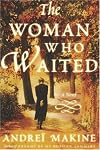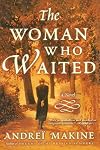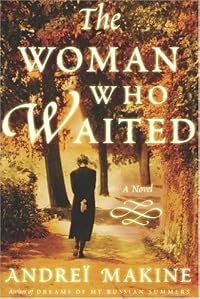
The Woman Who Waited
by Andreï Makine
On This Page
Description
A moving, utterly captivating love story: Romeo and Juliet as if told by Chekhov or Dostoevsky. In a remote Russian village a woman waits, as she has waited for almost three decades, for the man she loves to return. Near the end of World War II, nineteen-year-old Boris Koptek left the village to join the Russian army, swearing to the sixteen-year-old love of his life, Vera, that as soon as he returned they would marry. Young Boris, who with his engineering battalion fought his way almost to show more Berlin, was reported killed in action crossing the Spree River. But Vera refuses to believe he is dead, and each day, all these years later, faithfully awaits his return. Then one day the narrator arrives in the village, a twenty-six-year-old native of Leningrad, who is fascinated both by the still-beautiful woman and her exemplary story, and little by little he falls madly in love with her. But how can he compete with a ghost that will not die? Beautifully, delicately, but always powerfully, Andreï Makine delineates in masterly prose the movements and madness that constitute the dance of pure love.Skyhorse Publishing, as well as our Arcade, Yucca, and Good Books imprints, are proud to publish a broad range of books for readers interested in fiction—novels, novellas, political and medical thrillers, comedy, satire, historical fiction, romance, erotic and love stories, mystery, classic literature, folklore and mythology, literary classics including Shakespeare, Dumas, Wilde, Cather, and much more. While not every title we publish becomes a New York Times bestseller or a national bestseller, we are committed to books on subjects that are sometimes overlooked and to authors whose work might not otherwise find a home.
. show less
Tags
Recommendations















Member Reviews
A.M.’s re-telling of Balzac’s Colonel Chabert story is set in post-war Soviet society that is slowly disintegrating. It is a story about faithfulness and betrayal, about love and sexual desire, about human freedom to act and respond or not, but nothing is quite as it first seems to the protagonist.
It is a story about reading the other’s and one’s own emotions and desires in their complexities and contradictions and about failure to do so.
It is a wonderful book, apart from one place that is - for me - tainted by the protagonist’s bumbling speculation about the etymology of the word “holm” (p.93). He is young, in his 20s, but occasionally he seems to me drawn slightly simplistic, so in this, his reply, unworthy of an show more aspiring writer! Also slightly out of character seems to me that Vera puts herself down by calling her own thoughts ‘pedantic’ and ‘etymological humbug’ in the same discussion. Or is it? Perhaps it is deliberate on her part? To hide her intellectual superiority? Nothing is quite as it seems…
Après le livre, ne pas d’avant, lisez le commentaire de Patryck Froissart sur site amazon.fr
(IX-10) show less
It is a story about reading the other’s and one’s own emotions and desires in their complexities and contradictions and about failure to do so.
It is a wonderful book, apart from one place that is - for me - tainted by the protagonist’s bumbling speculation about the etymology of the word “holm” (p.93). He is young, in his 20s, but occasionally he seems to me drawn slightly simplistic, so in this, his reply, unworthy of an show more aspiring writer! Also slightly out of character seems to me that Vera puts herself down by calling her own thoughts ‘pedantic’ and ‘etymological humbug’ in the same discussion. Or is it? Perhaps it is deliberate on her part? To hide her intellectual superiority? Nothing is quite as it seems…
Après le livre, ne pas d’avant, lisez le commentaire de Patryck Froissart sur site amazon.fr
(IX-10) show less
At the risk of appearing too abstract, I feel like I want to compare this small novel to a piece of music, with two distinct movements - melancholic ruminations of an ex-dissident of a crumbled Soviet empire and puzzlement over a woman's unending wait for a soldier who is not coming back. And though the movements repeat themselves in different forms, they never actually feel "repetitive". The merciless, self-deprecating frankness of the protagonist, the culmination of the story that is so unexpected and predictable at the same time... A very good read.
To some extent I know what to expect when reading Makine - he has a distinctive style which blends memory and imagination, and (like me) overuses the ellipsis... This is another fine short novel but probably not the best starting point for a newcomer - the story is set in the 70s, and the narrator is naive, rather narcissistic and not very likeable. A member of a Leningrad group of dissident-leaning students, he travels to the White Sea coast to seek out local folklore.
The forest village he arrives in is largely populated by widows in their 80s. The exception is the 40-something Vera, who has spent 30 years waiting for her fiancé to return from the war, choosing to stay in the village and look after the old ladies. The narrator show more concocts his own ideas of what this means, most of which fail to survive as he gets to know her better. show less
The forest village he arrives in is largely populated by widows in their 80s. The exception is the 40-something Vera, who has spent 30 years waiting for her fiancé to return from the war, choosing to stay in the village and look after the old ladies. The narrator show more concocts his own ideas of what this means, most of which fail to survive as he gets to know her better. show less
Sentimentale? Oh sì!
Fiabesco? Pure!
Realistico? Sì.
Perché c'è molto spazio nella vita vissuta per l'inverosimile, ed è proprio quello spazio in cui si muove Makine, aiutato dalla latitudine (la città di Arcangelo), dalla storia grande e tragica del suo Paese (l'URSS) e, soprattutto, dalla sua sensibilità MAI strabordante, MAI irragionevole, SEMPRE sottile.
Perla.
Fiabesco? Pure!
Realistico? Sì.
Perché c'è molto spazio nella vita vissuta per l'inverosimile, ed è proprio quello spazio in cui si muove Makine, aiutato dalla latitudine (la città di Arcangelo), dalla storia grande e tragica del suo Paese (l'URSS) e, soprattutto, dalla sua sensibilità MAI strabordante, MAI irragionevole, SEMPRE sottile.
Perla.
L’homme se fait voyeur, épie la femme, et, vite, convoite son corps, la considère, en tant que mâle, comme une proie à saisir, en tant que romancier, comme un personnage dont il faut changer le destin, et veut remplacer l’amant attendu fidèlement depuis trente ans.
Il croit être arrivé à ses fins lorsque Véra devient sa maîtresse. Il savoure secrètement la fierté du conquérant et s’en emplit du sentiment orgueilleux de la toute-puissance de l’écrivain et, le charme se rompant une fois que l’objet du désir est atteint, décide qu’il ne peut rester plus longtemps dans ce bout du monde, et qu’il a mieux à faire ailleurs, et qu’il est temps d’écrire le mot « fin ».
Il quitte Véra, lâchement.
Mais il part, show more avec la gênante impression, soudaine, que la réalité de l’histoire est autre. Et le lecteur se demande avec lui, quand finit le roman, s’il ne faut pas inverser les rôles : n’est-ce pas Véra qui attendait le prétendu prédateur, tapie dans son bled reculé ?
N’est-ce pas la femme qui est l’affût de l’homme qui passe, et qui le renvoie une fois son désir assouvi ?
L’ambiguïté est confirmée, a posteriori, par le titre, et par la découverte que fait le narrateur du véritable niveau intellectuel de Véra, bien supérieur au sien…
Un roman qui se boit comme du petit lait… show less
Il croit être arrivé à ses fins lorsque Véra devient sa maîtresse. Il savoure secrètement la fierté du conquérant et s’en emplit du sentiment orgueilleux de la toute-puissance de l’écrivain et, le charme se rompant une fois que l’objet du désir est atteint, décide qu’il ne peut rester plus longtemps dans ce bout du monde, et qu’il a mieux à faire ailleurs, et qu’il est temps d’écrire le mot « fin ».
Il quitte Véra, lâchement.
Mais il part, show more avec la gênante impression, soudaine, que la réalité de l’histoire est autre. Et le lecteur se demande avec lui, quand finit le roman, s’il ne faut pas inverser les rôles : n’est-ce pas Véra qui attendait le prétendu prédateur, tapie dans son bled reculé ?
N’est-ce pas la femme qui est l’affût de l’homme qui passe, et qui le renvoie une fois son désir assouvi ?
L’ambiguïté est confirmée, a posteriori, par le titre, et par la découverte que fait le narrateur du véritable niveau intellectuel de Véra, bien supérieur au sien…
Un roman qui se boit comme du petit lait… show less
Mar 7, 2023French
En un pequeño pueblo situado junto al mar Blanco, al norte de la Unión Soviética, Vera todavía espera, treinta años después, al hombre al que ama y que en 1945 partió al frente. El narrador de esta historia, un joven escritor de veintiséis años, queda fascinado con esta mujer cuando, en otoño de 1975, acude desde Leningrado a la remota región de Arjánguelsk con el encargo de escribir un informe sobre las costumbres y tradiciones de las gentes que allí viven, un informe que él pretende convertir en sátira antisoviética. Sin embargo, a medida que pasan las semanas, al narrador cada vez le resulta más difícil contemplar con sarcasmo esos pueblos, en su mayoría abandonados, pobres, habitados por ancianas que únicamente show more hablan de los hijos y los maridos que perdieron en la devastadora segunda guerra mundial. Así, se siente más y más atraído por Vera, con quien se encuentra en diversas ocasiones. La mujer le cuenta al narrador pasajes de su vida que aumentan su admiración por ella. Pero todo da un giro inesperado desde el momento en que la anciana Zoïe le desvela la verdadera historia del soldado a quien aguarda Vera. show less
Jul 7, 2015Spanish
Het is midden jaren zeventig, maar in Mirnoe, een dorpje in het noorden van de Sovjet-Unie aan de Witte Zee, lijkt het alsof de tijd stil is blijven staan in 1945. Er wonen bijna alleen nog vrouwen van in de tachtig, weduwes van soldaten die niet of zwaar gewond uit de Tweede Wereldoorlog terugkeerden. Er is één jongere vrouw, de mooie, sensuele Vera, die op 16-jarige leeftijd haar geliefde uitgeleide deed naar het front, hem verzekerde dat ze op hem zou wachten en dat nu, na 30 jaar, nog steeds doet en voor de oude weduwes zorgt. In dit afgelegen dorp arriveert een jonge schrijver uit Leningrad, die uit liefdesverdriet over zijn trouweloze vriendin naar het noorden is gevlucht om er oude huwelijkse- en begrafenisrites vast te leggen show more voor het nageslacht. In plaats daarvan raakt hij gefascineerd door Vera.
In Leningrad verkeerde hij in dissidente vrijgevochten kunstenaarskringen waar veel drank vergoten werd en iedereen het met iedereen deed in naam van de vrijheid. In Mirnoe komt hij in een volstrekt andere wereld terecht. Dissidenten zijn er niet, want zelfs de Sovjets zijn het dorp vergeten. Het bestaan is karig en monotoon. Kunstenaars zijn er niet, alleen een Georgische vrachtwagenchauffeur die hier naartoe is verbannen en vindt dat je het vrouwen het best als gebruiksvoorwerp kunt behandelen (later wordt duidelijk waarom). Maar het grootste contrast met zijn leven in Leningrad is wel Vera, de vrouw die al een half mensenleven lang trouw is aan haar geliefde en daarmee het tegenovergestelde is van zijn eigen vriendin, die tijdens een feestje achter de onafgemaakte schilderijen hoorbaar de liefde bedrijft met een andere man.
Hij leert Vera beter kennen, ontdekt onverwachte aspecten van haar, maar steeds als hij denkt dat hij haar doorgrond heeft, blijkt dat hij er weer naast zat. Ze blijft een raadsel voor hem. Ik vind het erg mooi zoals Makine deze vrouw schildert, door steeds suggestieve, ogenschijnlijk tegenstrijdige stukjes van haar te laten zien, zonder haar bloot te leggen. Ook mooi weergegeven is de sfeer van het dorp en de omringende bossen waar de winter nadert.
Dit boek is net als Vera: moeilijk om helemaal vat op te krijgen, maar erg mooi en fascinerend. Er is symboliek, maar die ligt vooral onder de oppervlakte. Er is lyriek, maar van de bedekte, niet meest in het oog springende soort. Makine, van origine een Siberiër die naar Frankrijk uitweek en in Parijs een tijdlang het leven van een dakloze leidde, is in zijn nieuwe vaderland inmiddels een gevierd en gelauwerd schrijver. Ik zie hem geen bestsellerauteur worden, daarvoor zijn zijn boeken te subtiel, maar hij is wel al enige tijd één van mijn favoriete eigentijdse schrijvers en heeft die status met dit boek weer bevestigd.
http://annavangelderen.blogspot.com show less
In Leningrad verkeerde hij in dissidente vrijgevochten kunstenaarskringen waar veel drank vergoten werd en iedereen het met iedereen deed in naam van de vrijheid. In Mirnoe komt hij in een volstrekt andere wereld terecht. Dissidenten zijn er niet, want zelfs de Sovjets zijn het dorp vergeten. Het bestaan is karig en monotoon. Kunstenaars zijn er niet, alleen een Georgische vrachtwagenchauffeur die hier naartoe is verbannen en vindt dat je het vrouwen het best als gebruiksvoorwerp kunt behandelen (later wordt duidelijk waarom). Maar het grootste contrast met zijn leven in Leningrad is wel Vera, de vrouw die al een half mensenleven lang trouw is aan haar geliefde en daarmee het tegenovergestelde is van zijn eigen vriendin, die tijdens een feestje achter de onafgemaakte schilderijen hoorbaar de liefde bedrijft met een andere man.
Hij leert Vera beter kennen, ontdekt onverwachte aspecten van haar, maar steeds als hij denkt dat hij haar doorgrond heeft, blijkt dat hij er weer naast zat. Ze blijft een raadsel voor hem. Ik vind het erg mooi zoals Makine deze vrouw schildert, door steeds suggestieve, ogenschijnlijk tegenstrijdige stukjes van haar te laten zien, zonder haar bloot te leggen. Ook mooi weergegeven is de sfeer van het dorp en de omringende bossen waar de winter nadert.
In this remote corner of the Russian North I had expected to discover a microcosm of the Soviet age, a caricature of this simultaneously messianic and stagnant time. But time was quite simply absent from these villages, which seemed as if they were living on after the disappearance of the regime, after the collapse of the empire. What I was passing through was, in effect, a kind of premonition of the future. The vestiges of History had been eradicated. What remained were the gilded slivers of the willow leaves on the dark surface of the lake, the first snows that generally came at night, the silence of the White Sea, looming beyond the forests. What remained was this woman in a long military greatcoat, following the shoreline, stopping at the mailbox where the roads met. What remained was the essence of things. (p. 42-43 van de Engelse vertaling)
Dit boek is net als Vera: moeilijk om helemaal vat op te krijgen, maar erg mooi en fascinerend. Er is symboliek, maar die ligt vooral onder de oppervlakte. Er is lyriek, maar van de bedekte, niet meest in het oog springende soort. Makine, van origine een Siberiër die naar Frankrijk uitweek en in Parijs een tijdlang het leven van een dakloze leidde, is in zijn nieuwe vaderland inmiddels een gevierd en gelauwerd schrijver. Ik zie hem geen bestsellerauteur worden, daarvoor zijn zijn boeken te subtiel, maar hij is wel al enige tijd één van mijn favoriete eigentijdse schrijvers en heeft die status met dit boek weer bevestigd.
http://annavangelderen.blogspot.com show less
Nov 27, 2010Dutch
Members
- Recently Added By
Published Reviews
ThingScore 75
Makine is a storyteller whose native territory is the unrecoverable past. What I find most compelling about his writing is the way he works in a nostalgic mode while dissecting the limits of that nostalgia—resulting in books that are lyrical, analytical, and tremendously sad, all at the same time.
added by paradoxosalpha
Lists

International IMPAC Dublin Literary Award
179 works; 6 members

Llibres que he llegit el 2007
24 works; 1 member
Author Information

32+ Works 4,451 Members
Andrei Makine was born in Siberia in 1957. Although raised in the Soviet Union, he learned about France and came to love that country through the stories told by his French grandmother. He now lives in Paris himself, having been granted political asylum by France in 1987, and writes in French. His grandmother figures prominently in the show more autobiographical novel, "Dreams of My Russian Summers," for which Makine received both the Goncourt Prize and the Medicis Prize, becoming the first author to simultaneously receive both of these prestigious French awards. In the U.S., the English translation of "Dreams of My Russian Summers" has also received recognition, including the Boston Book Review Fiction Prize and the Los Angeles Times Best Book of the Year award. Andrei Makine is also the author of "Once Upon the River Love" and "The Crime of Olga Arbelina." (Bowker Author Biography) show less
Some Editions
Awards and Honors
Common Knowledge
- Canonical title
- The Woman Who Waited
- Original title
- La femme qui attendait
- Original publication date
- 2004 (French ed.) (French ed.); 2004 (Dutch ed.) (Dutch ed.); 2004-01-01
- Important places
- Russia
- First words
- « Une femme si intensément destinée au bonheur (ne serait-ce qu'à un bohneur purement physique, oui, à un banal bien-être charnel) et qui choisit, on dirait avec insouciance, la solitude, la fidélité envers un absent,... (show all) le refus d'aimer... »
- Original language
- French
Classifications
- Genres
- Fiction and Literature, General Fiction, Romance
- DDC/MDS
- 843.914 — Literature & rhetoric French Literature French fiction 1900- 20th Century 1945-1999
- LCC
- PQ2673 .A38416 .F4613 — Language and Literature French, Italian, Spanish and Portuguese literatures French literature Modern literature 1961-2000
- BISAC
Statistics
- Members
- 269
- Popularity
- 119,693
- Reviews
- 8
- Rating
- (3.52)
- Languages
- 11 — Bulgarian, Dutch, English, Finnish, French, German, Hungarian, Italian, Lithuanian, Romanian, Spanish
- Media
- Paper, Ebook
- ISBNs
- 21
- ASINs
- 3