On This Page
Description
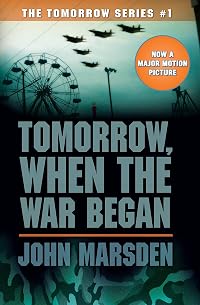
When Ellie and six of her friends return home from a camping trip deep in the bush, they find things hideously wrong — their families gone, houses empty and abandoned, pets and stock dead. Gradually they begin to comprehend that their country has been invaded and everyone in the town has been taken prisoner. As the horrible reality of the situation becomes evident they have to make a life-and-death decision: to run back into the bush and hide, to give themselves up to be with their show more families, or to stay and try to fight. This reveting, tautly-drawn novel seems at times to be only a step away from today's headlines.. show less
Tags
Recommendations
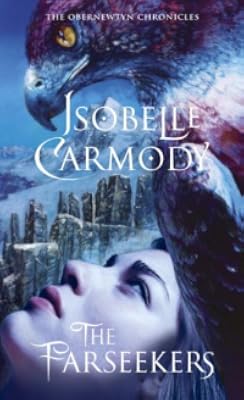
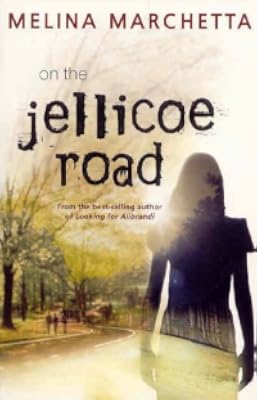
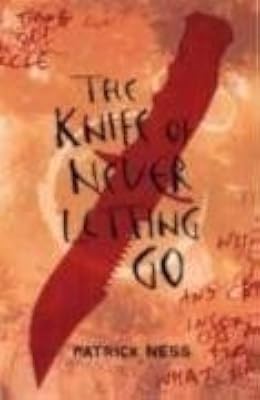
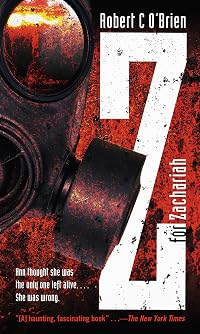



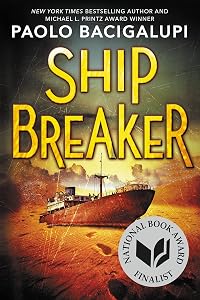
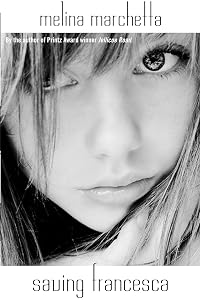
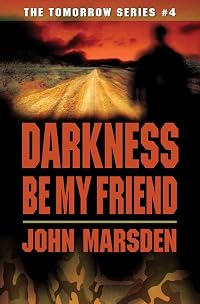

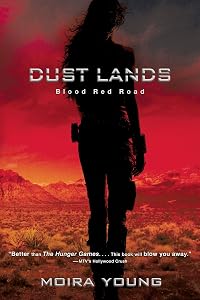





Member Recommendations
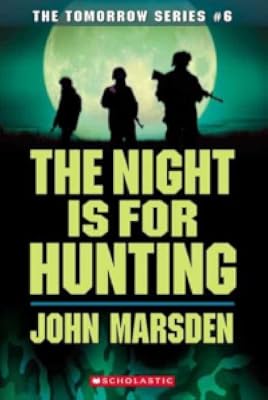
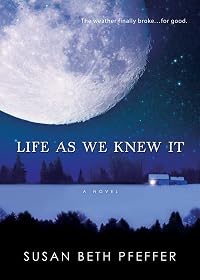
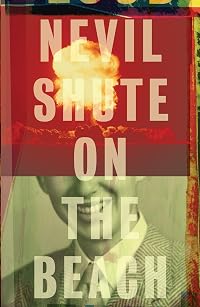
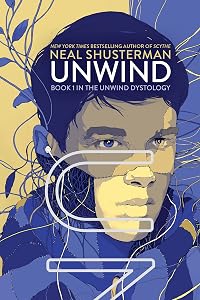
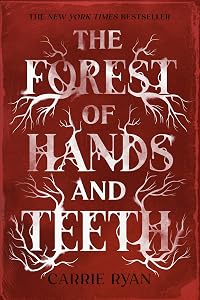
BookLizard The Hunger Games and Tomorrow, When the War Began have the same kind of feel - technically they're Science Fiction novels, but they feel more like survival stories with a bit of romance mixed in. I highly recommend both series.
70
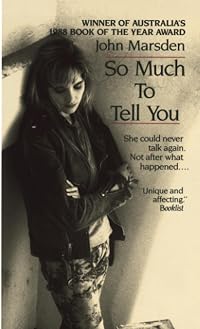
mybookshelf How acts of war / terrorism impact on young people, and how they react.
20
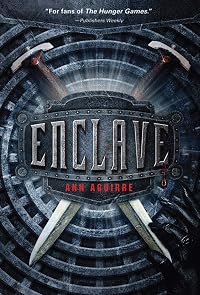
selkie_girl Teenagers are caught in the middle of a war and decide to fight back.
Also recommended by meggyweg
10

Member Reviews
It all begins with a camping trip, to a place called Hell. Ellie and her friends have a fantastic lazy time, but when they come back, everything has changed. Their pets are dead, their homes deserted. Their tiny town has been invaded by hostile forces, and most of its inhabitants are being held prisoner. This is the story of how seven teenagers react to the unthinkable, and how they survive, and learn to fight back, as the war takes hold.
Perhaps the greatest feature of this amazing adventure is how plausible it is- everything that happens could, quite realistically, happen. The young people do not react to their situation with immediate ruthless efficiency; they cry, they yell at each other, they go into denial, they make mistakes. They show more deliberate a great deal about what is the right thing to do, and the reader becomes caught up in the decision-making process. The whole story is pervaded with a sense of “what would you have done, if the choice were up to you?”
Throughout the story, Ellie’s narration maintains a sense of both the seriousness of their situation, and also of the need for optimism. She relates many examples of humour and affection amongst the terror and disbelief. In part this is what helps to maintain the characters’ realism for the reader… as long as there are sarcastic teenagers, we can’t be too far removed from real life!
When they first assemble for the camping trip, the main characters don’t all know each other very well. There are three guys and four girls, including Corrie and Kevin, who are already dating. Over the course of the story, relationships within the group develop and change, as people begin to feel attracted to one or other of their companions, and these feelings may or may not be returned. Also, with their family members in custody, the young people begin to respond to one another with the same mix of loyalty and frustration that might more typically be applied to siblings or parents.
An interesting sub-plot to the war story is the legend of the Hermit from Hell: a murderer who was supposed to have escaped authorities and made his home in this seemingly inaccessible piece of bush. Gradually Ellie and her friends uncover evidence to support this theory, and begin to piece together a somewhat different version of events. The Hermit’s story ties in with their main adventure, by raising again the question ‘is it ever OK to kill another person?’
This is an excellent and compelling read for anyone from age 12 through to adulthood. It is equally appealing either as an independent read, or a serial to read aloud. show less
Perhaps the greatest feature of this amazing adventure is how plausible it is- everything that happens could, quite realistically, happen. The young people do not react to their situation with immediate ruthless efficiency; they cry, they yell at each other, they go into denial, they make mistakes. They show more deliberate a great deal about what is the right thing to do, and the reader becomes caught up in the decision-making process. The whole story is pervaded with a sense of “what would you have done, if the choice were up to you?”
Throughout the story, Ellie’s narration maintains a sense of both the seriousness of their situation, and also of the need for optimism. She relates many examples of humour and affection amongst the terror and disbelief. In part this is what helps to maintain the characters’ realism for the reader… as long as there are sarcastic teenagers, we can’t be too far removed from real life!
When they first assemble for the camping trip, the main characters don’t all know each other very well. There are three guys and four girls, including Corrie and Kevin, who are already dating. Over the course of the story, relationships within the group develop and change, as people begin to feel attracted to one or other of their companions, and these feelings may or may not be returned. Also, with their family members in custody, the young people begin to respond to one another with the same mix of loyalty and frustration that might more typically be applied to siblings or parents.
An interesting sub-plot to the war story is the legend of the Hermit from Hell: a murderer who was supposed to have escaped authorities and made his home in this seemingly inaccessible piece of bush. Gradually Ellie and her friends uncover evidence to support this theory, and begin to piece together a somewhat different version of events. The Hermit’s story ties in with their main adventure, by raising again the question ‘is it ever OK to kill another person?’
This is an excellent and compelling read for anyone from age 12 through to adulthood. It is equally appealing either as an independent read, or a serial to read aloud. show less
Fieldnotes:
1 Secret Camp in the Outback
1 Week of Lazy Teenaged Squabbling
1 Mysterious Invasion by Soldiers of Unknown Origin
1 Cunning Plan for Deliberate Sabotage
2 Gunshot Wounds
2 Kick-ass Explosions
1 Hidden Cache of Historical Documents
1 Very Confused Love Triangle
The Short Version:
This proceeded quite slowly through the layer of teenaged squabbling until the invasion and adventure finally came to light. At that point, things became much more interesting, what with the pilfering of heavy machinery and the shooting and the exploding of things. While I'm not terribly enamored of any of the characters (or Ellie's tendency to ponder in print the hotness of buddies Homer and Lee), I'm sticking with it for the fireballs - because who hasn't show more wanted to blow up a riding lawnmower?
The Long Version:
I love a good survival story - and survival stories with added sabotage and guerilla warfare? Sign me up, please! Which is why I'm a bit mad at myself for having taken this long to cotton on to the fact that John Marsden's Tomorrow, When the War Began offers me all those things. Shooting, pilfering of heavy machinery, explosions - plus Australia and a hidden cache of historical documents of questionable relevance that lead to some soul-searching and serious smooching? WHY did I not read this before now? WHY?
Suffice it to say that once we got through the first fifty pages of the group camping, this book takes off with a vengeance. There are some serious action scenes, but perhaps the best part about it is that Ellie and her friends are conflicted.
They're not sure whether to fight back, whether to surrender, whether to hide. They're scared and angry and they just want to know whether their families are ok, but they have no real way of finding out. They're quick-thinking and resourceful in ways they never thought possible when everything is on the line, and I love their transitions from thinking like school kids to thinking about tactics, strategies, supply lines, cover (and back again). It's a world of tough choices and makeshift family and little room for sentimentality. And I'm really interested in seeing what happens next.
The one thing I found a bit off-putting was Ellie's descriptions of her love triangle. While the triangle itself didn't actually bother me because it was a messy tangled whirl and therefore realistic rather than the typical two-hot-dudes-both-want-me-woe-is-me-nice-guy-or-bad-boy dilemma, the fact that Ellie was acting as a scribe for the group irritated me. I mean, you KNOW your friends are going to read it, this isn't your personal diary, OMG WHY ARE YOU WRITING ABOUT THIS?! show less
1 Secret Camp in the Outback
1 Week of Lazy Teenaged Squabbling
1 Mysterious Invasion by Soldiers of Unknown Origin
1 Cunning Plan for Deliberate Sabotage
2 Gunshot Wounds
2 Kick-ass Explosions
1 Hidden Cache of Historical Documents
1 Very Confused Love Triangle
The Short Version:
This proceeded quite slowly through the layer of teenaged squabbling until the invasion and adventure finally came to light. At that point, things became much more interesting, what with the pilfering of heavy machinery and the shooting and the exploding of things. While I'm not terribly enamored of any of the characters (or Ellie's tendency to ponder in print the hotness of buddies Homer and Lee), I'm sticking with it for the fireballs - because who hasn't show more wanted to blow up a riding lawnmower?
The Long Version:
I love a good survival story - and survival stories with added sabotage and guerilla warfare? Sign me up, please! Which is why I'm a bit mad at myself for having taken this long to cotton on to the fact that John Marsden's Tomorrow, When the War Began offers me all those things. Shooting, pilfering of heavy machinery, explosions - plus Australia and a hidden cache of historical documents of questionable relevance that lead to some soul-searching and serious smooching? WHY did I not read this before now? WHY?
Suffice it to say that once we got through the first fifty pages of the group camping, this book takes off with a vengeance. There are some serious action scenes, but perhaps the best part about it is that Ellie and her friends are conflicted.
They're not sure whether to fight back, whether to surrender, whether to hide. They're scared and angry and they just want to know whether their families are ok, but they have no real way of finding out. They're quick-thinking and resourceful in ways they never thought possible when everything is on the line, and I love their transitions from thinking like school kids to thinking about tactics, strategies, supply lines, cover (and back again). It's a world of tough choices and makeshift family and little room for sentimentality. And I'm really interested in seeing what happens next.
The one thing I found a bit off-putting was Ellie's descriptions of her love triangle. While the triangle itself didn't actually bother me because it was a messy tangled whirl and therefore realistic rather than the typical two-hot-dudes-both-want-me-woe-is-me-nice-guy-or-bad-boy dilemma, the fact that Ellie was acting as a scribe for the group irritated me. I mean, you KNOW your friends are going to read it, this isn't your personal diary, OMG WHY ARE YOU WRITING ABOUT THIS?! show less
This is such a fun start to a series. I feel weird writing "fun" when the story deals with a foreign invasion of one's country and home grown gorilla groups responding to the invasion. But .... it is fun. Tomorrow is told from the point of view of a high school girl Ellie, she is one of 8 kids hiding out in the wild and unpopulated area outside of their hometown. The theme is somewhat similar to Red Dawn if Red Dawn had been done better, told from the point of view of a girl and set in beautiful Australia. Now Red Dawn fans, please do not be offended -- for a movie it was done decently. But the character and scenario development is so much better fleshed out in Tomorrow, When the War Began. While the book deals with survivalist topics, show more it also centers around the relationships of 8 teenagers so it has some sweet and fun light moments.
Fans of the apocalpyse or survivalist genre, young adult books and Australian authors will enjoy this book. show less
Fans of the apocalpyse or survivalist genre, young adult books and Australian authors will enjoy this book. show less
This gripping first installment of John Marsden's seven-volume series about a group of Australian teenagers who begin a campaign of guerilla warfare, when their country in invaded and occupied by foreign troops - it was apparently made into a film last year (can you get on that, American distributors? because I want to see it!) - sucked me right in, and never let go. I haven't been as engrossed as this in a reading experience since picking up Suzanne Collins' Hunger Games Trilogy!
Narrated by Ellie, who is ostensibly recording the extraordinary events through which she and her friends are living, Tomorrow, When the War Began opens mundanely enough, as a group of teens decide to "go feral," and camp out in the bush for a week, before show more school begins again. Choosing as their destination a locale known as "Hell" - a small, mostly hidden, difficult-to-reach hollow, nestled amongst the cliffs of the nearby mountain range, and accessible only be descending "Satan's Steps" - the friends pass a mostly idyllic week, emerging to find that their world has changed forever. Finding their homes abandoned, and their animals - pets, working animals, livestock - dead or dying, they discover that an unnamed enemy has occupied their hometown of Wirrawee, which they are using as a springboard for a larger invasion of the country, and are keeping the entire population (including their families) in a makeshift prison camp in the town center. Focused on staying hidden (and free) at first, the group of seven (and then eight) teens eventually turns to the question of what to do: try to stay out of sight, and go on living in Hell? Or strike back, and try to do some damage to the invading force...?
An author who can make improbable events seem, not just possible, but matter-of-factly realistic, Marsden spins an exciting tale, one with plenty of breathtaking suspense and heart-pounding action. But this is more than that, more than just an action-adventure extravaganza. It is also an incredibly astute character study, of Ellie herself, and of her friends. At times humorous, at times poignant, it doesn't neglect those aspects of adolescent life that are so important, dystopian environment or no. The romances that form - and the growing awareness of sexuality and sexual tension, with teenage boys and girls living together, off on their own in the wild - the shifting patterns of leadership, as everyone proves that they're more than first appeared, are all captured here. These characters felt very real to me, and I appreciated the fact that their creator never reduced them to types. Homer, the erstwhile bad-boy troublemaker, emerges as a leader, with a heart no one suspected he had; Kevin, the eldest member of the group, who had hitherto seemed very tough, has hidden moments of fear; Fi (Fiona), the 'delicate' townie with less knowledge of the bush than the others, proves tougher than she seems; Robyn, the sincere and thoughtful Christian, turns out to have a hidden aggressive streak.
It was fascinating to see these aspects of the characters emerge, under the pressure of unimaginable events, just as it was interesting to see the more philosophical discussions that ensue, as the kids try to figure out what the right thing to do is. Textually immediate, with its first-person narration, emotionally resonant, and intensely involving, Tomorrow, When the War Began is a brilliant book! I had no sooner finished it, than I was hunting down the next installment, The Dead Of Night. I think I need to invest in my own copies of this series... show less
Narrated by Ellie, who is ostensibly recording the extraordinary events through which she and her friends are living, Tomorrow, When the War Began opens mundanely enough, as a group of teens decide to "go feral," and camp out in the bush for a week, before show more school begins again. Choosing as their destination a locale known as "Hell" - a small, mostly hidden, difficult-to-reach hollow, nestled amongst the cliffs of the nearby mountain range, and accessible only be descending "Satan's Steps" - the friends pass a mostly idyllic week, emerging to find that their world has changed forever. Finding their homes abandoned, and their animals - pets, working animals, livestock - dead or dying, they discover that an unnamed enemy has occupied their hometown of Wirrawee, which they are using as a springboard for a larger invasion of the country, and are keeping the entire population (including their families) in a makeshift prison camp in the town center. Focused on staying hidden (and free) at first, the group of seven (and then eight) teens eventually turns to the question of what to do: try to stay out of sight, and go on living in Hell? Or strike back, and try to do some damage to the invading force...?
An author who can make improbable events seem, not just possible, but matter-of-factly realistic, Marsden spins an exciting tale, one with plenty of breathtaking suspense and heart-pounding action. But this is more than that, more than just an action-adventure extravaganza. It is also an incredibly astute character study, of Ellie herself, and of her friends. At times humorous, at times poignant, it doesn't neglect those aspects of adolescent life that are so important, dystopian environment or no. The romances that form - and the growing awareness of sexuality and sexual tension, with teenage boys and girls living together, off on their own in the wild - the shifting patterns of leadership, as everyone proves that they're more than first appeared, are all captured here. These characters felt very real to me, and I appreciated the fact that their creator never reduced them to types. Homer, the erstwhile bad-boy troublemaker, emerges as a leader, with a heart no one suspected he had; Kevin, the eldest member of the group, who had hitherto seemed very tough, has hidden moments of fear; Fi (Fiona), the 'delicate' townie with less knowledge of the bush than the others, proves tougher than she seems; Robyn, the sincere and thoughtful Christian, turns out to have a hidden aggressive streak.
It was fascinating to see these aspects of the characters emerge, under the pressure of unimaginable events, just as it was interesting to see the more philosophical discussions that ensue, as the kids try to figure out what the right thing to do is. Textually immediate, with its first-person narration, emotionally resonant, and intensely involving, Tomorrow, When the War Began is a brilliant book! I had no sooner finished it, than I was hunting down the next installment, The Dead Of Night. I think I need to invest in my own copies of this series... show less
Tomorrow When the War Began by Australian author John Marsden is the story of a group of Australian teenagers who go into the bush for a few days of camping and return to find their country invaded, their town captured and their families held as prisoners. They have a choice to either surrender, or flee back into the hills.
I felt that the author was able to capture the bewilderment, suspense and adventure of this situation as we read of how these teenagers cope. As a group they work through the stress, terror and desperation. While there is plenty of action to be had, Tomorrow When the War Began strikes me as more of a character study. The author develops his characters throughout the book, and by the end, these are very different show more people then they were when they first started out on their camping trip.
The book is presented as a journal written by the main character, Ellie. We see the events through her eyes, and the author never lets us forget these are teenagers, as her written account gives as much attention to the age old teen questions of “Who is interested in who”, and “Does he/she like me?”. As the account is written by Ellie, what we hear about is strictly what Ellie sees and knows. As she openly admits, she didn’t take any interest in current affairs so we never learn why the country is invaded or even who the invaders are.
By the end of the book, these eight teens have come to realize that their lives have changed, probably forever and they must make a final decision, do they hide or do they fight? As this is the first book in the series, everything is not neatly wrapped up but the author gives us a powerful, poignant ending. I am looking forward to the next book and continuing on with this adventure. show less
I felt that the author was able to capture the bewilderment, suspense and adventure of this situation as we read of how these teenagers cope. As a group they work through the stress, terror and desperation. While there is plenty of action to be had, Tomorrow When the War Began strikes me as more of a character study. The author develops his characters throughout the book, and by the end, these are very different show more people then they were when they first started out on their camping trip.
The book is presented as a journal written by the main character, Ellie. We see the events through her eyes, and the author never lets us forget these are teenagers, as her written account gives as much attention to the age old teen questions of “Who is interested in who”, and “Does he/she like me?”. As the account is written by Ellie, what we hear about is strictly what Ellie sees and knows. As she openly admits, she didn’t take any interest in current affairs so we never learn why the country is invaded or even who the invaders are.
By the end of the book, these eight teens have come to realize that their lives have changed, probably forever and they must make a final decision, do they hide or do they fight? As this is the first book in the series, everything is not neatly wrapped up but the author gives us a powerful, poignant ending. I am looking forward to the next book and continuing on with this adventure. show less
Ecco che gli uomini tornano all'attacco! Dopo l'arrivo in Italia del fantastico Sandman Slim di Richard Kadrey, eccoci con John Marsdene, scrittore e sceneggiatore, con la sua serie “The Tomorrow” (di sette libri più una potenziale trilogia a seguire) che già sta per approdare nelle sale cinematografiche. Se non è la riscossa degli autori maschi nel settore young adult, non saprei proprio come chiamarlo!
“Il domani che verrà” rappresenta una bella e piacevole novità in ambito di young adult e, soprattutto, nonostante sia scritto da un uomo, non è indirizzato ad un pubblico esclusivamente maschile, come accade spesso con le loro colleghe. È un romanzo fresco, riflessivo, innovativo e adrenalinico che, benché si legga nel show more giro di un pomeriggio (e questo non è necessariamente un fattone negativo), ha comunque tutte le carte in tavola per appassionare giovani, adulti e di entrambi i sessi, soprattutto.
Come punto di forza possiamo ritrovare uno stile diretto, semplice ma ben strutturato che cattura subito l’attenzione del lettore e lo trascina, letteralmente!, per tutto l’arco delle 250 pagine del romanzo. Gli argomenti sono molti e le vicende numerose e quindi possiamo attribuire all’autore anche un ottimo “equilibrio” e “capacità di sintesi” che gli permette di non perdersi mai nei meandri di approfondimenti inutili o, viceversa, in frettolose e insipide descrizioni.
Altro elemento molto importante è il tema. Un’ipotetica Terza Guerra Mondiale e una terra che, fino ad ora, non è mai stata troppo sfruttata in ambito narrativo: l’Australia. Ci sono un gruppo di ragazzi che decidono, per una volta, di saltare la festa annuale cittadina e di recarsi a fare una bella gita all’Inferno, zona di montagna delle Alpi Australiane che ci vengono descritte con rara maestria. Veramente incantevoli!
Nell’occasione conosciamo tutti i personaggi principali. Ellie, Robyn, Kevin, Homar, Lee, Fi e Corrie sono amici da tempo ma sono anche molto diversi e, altro a favore, nonostante l’amicizia presentano comunque dei tratti “maturi” di reciproche compatibilità e incompatibilità che rendono il gruppo unito ma non falso e illusorio.
Una settimana di pura pace, nascosti nelle montagne Australiane e completamente immersi nel verde fino a quando, al loro ritorno, non scoprono che qualcuno ha approfittato della festa del paese ed ha fatto prigioniere le loro famiglie e occupato la loro città. Hanno perso tutto, le loro case sono state saccheggiate e la loro vita è completamente sconvolta.
A questo punto, possiamo dire che il romanzo ha un immediato picco, dal punto di vista narrativo ed emotivo e ci ritroviamo a soffrire con questi ragazzi che, improvvisamente, si ritrovano completamente soli a dove sfuggire dai colpi di fucile e dalle rappresaglie dei militari.
Quello che, però, fa un po’ storcere la bocca al lettore è che, in effetti, la reazione alla “Rambo” è decisamente troppo immediata. Benché l’adrenalina possa essere una scusante logica e accettabile, vedere che dei normalissimi ragazzi di 17 anni improvvisamente si mettono a tuffarsi qua e la per evitare colpi di fucile, sfuggono ai soldati, si appostano e si mimetizzano come professionisti è un tantino allucinante. Se non vogliamo contare Ellie che sembra in grado di guidare qualunque cosa e, credeteci, se vi diciamo “qualunque cosa”.
Superata la perplessità iniziale di fronte a questa piccola resistenza a dir poco spietata e organizzata non possiamo che finire per amare, letteralmente, questi ragazzi che, spinti dall’amore e dal patriottismo, decidono di rendere la vita impossibile agli invasori, a rischio della vita.
Altro aspetto che stride un po’ nel contesto è l’elemento “sentimentale”. A parte il rapporto fra Kevin e Corrie, il lettore troverà abbastanza strano che Ellie (narratore principale) alla fine di un evento tragico come quello di un invasione trovi il tempo (convivenza forzata a parte) di farsi continuamente mille problemi mentali nei confronti di Homar (suo migliore amico e infatuato di un’altra ragazza) e Lee (con il quale non è mai entrata realmente in confidenza e che ricambia la sua attrazione).
A parte questo, il romanzo presenta innegabili punti di forza, se escludiamo che, purtroppo!!!, è il primo di sette romanzi e si legge in un baleno. Non vediamo l’ora di poter aver fra le mani il seguito di questo romanzo, anche se il terribile sentore che ci vogliano sette anni per veder completata questa serie ci attanaglia l’anima. show less
“Il domani che verrà” rappresenta una bella e piacevole novità in ambito di young adult e, soprattutto, nonostante sia scritto da un uomo, non è indirizzato ad un pubblico esclusivamente maschile, come accade spesso con le loro colleghe. È un romanzo fresco, riflessivo, innovativo e adrenalinico che, benché si legga nel show more giro di un pomeriggio (e questo non è necessariamente un fattone negativo), ha comunque tutte le carte in tavola per appassionare giovani, adulti e di entrambi i sessi, soprattutto.
Come punto di forza possiamo ritrovare uno stile diretto, semplice ma ben strutturato che cattura subito l’attenzione del lettore e lo trascina, letteralmente!, per tutto l’arco delle 250 pagine del romanzo. Gli argomenti sono molti e le vicende numerose e quindi possiamo attribuire all’autore anche un ottimo “equilibrio” e “capacità di sintesi” che gli permette di non perdersi mai nei meandri di approfondimenti inutili o, viceversa, in frettolose e insipide descrizioni.
Altro elemento molto importante è il tema. Un’ipotetica Terza Guerra Mondiale e una terra che, fino ad ora, non è mai stata troppo sfruttata in ambito narrativo: l’Australia. Ci sono un gruppo di ragazzi che decidono, per una volta, di saltare la festa annuale cittadina e di recarsi a fare una bella gita all’Inferno, zona di montagna delle Alpi Australiane che ci vengono descritte con rara maestria. Veramente incantevoli!
Nell’occasione conosciamo tutti i personaggi principali. Ellie, Robyn, Kevin, Homar, Lee, Fi e Corrie sono amici da tempo ma sono anche molto diversi e, altro a favore, nonostante l’amicizia presentano comunque dei tratti “maturi” di reciproche compatibilità e incompatibilità che rendono il gruppo unito ma non falso e illusorio.
Una settimana di pura pace, nascosti nelle montagne Australiane e completamente immersi nel verde fino a quando, al loro ritorno, non scoprono che qualcuno ha approfittato della festa del paese ed ha fatto prigioniere le loro famiglie e occupato la loro città. Hanno perso tutto, le loro case sono state saccheggiate e la loro vita è completamente sconvolta.
A questo punto, possiamo dire che il romanzo ha un immediato picco, dal punto di vista narrativo ed emotivo e ci ritroviamo a soffrire con questi ragazzi che, improvvisamente, si ritrovano completamente soli a dove sfuggire dai colpi di fucile e dalle rappresaglie dei militari.
Quello che, però, fa un po’ storcere la bocca al lettore è che, in effetti, la reazione alla “Rambo” è decisamente troppo immediata. Benché l’adrenalina possa essere una scusante logica e accettabile, vedere che dei normalissimi ragazzi di 17 anni improvvisamente si mettono a tuffarsi qua e la per evitare colpi di fucile, sfuggono ai soldati, si appostano e si mimetizzano come professionisti è un tantino allucinante. Se non vogliamo contare Ellie che sembra in grado di guidare qualunque cosa e, credeteci, se vi diciamo “qualunque cosa”.
Superata la perplessità iniziale di fronte a questa piccola resistenza a dir poco spietata e organizzata non possiamo che finire per amare, letteralmente, questi ragazzi che, spinti dall’amore e dal patriottismo, decidono di rendere la vita impossibile agli invasori, a rischio della vita.
Altro aspetto che stride un po’ nel contesto è l’elemento “sentimentale”. A parte il rapporto fra Kevin e Corrie, il lettore troverà abbastanza strano che Ellie (narratore principale) alla fine di un evento tragico come quello di un invasione trovi il tempo (convivenza forzata a parte) di farsi continuamente mille problemi mentali nei confronti di Homar (suo migliore amico e infatuato di un’altra ragazza) e Lee (con il quale non è mai entrata realmente in confidenza e che ricambia la sua attrazione).
A parte questo, il romanzo presenta innegabili punti di forza, se escludiamo che, purtroppo!!!, è il primo di sette romanzi e si legge in un baleno. Non vediamo l’ora di poter aver fra le mani il seguito di questo romanzo, anche se il terribile sentore che ci vogliano sette anni per veder completata questa serie ci attanaglia l’anima. show less
Uffda, apparently I'm choosing books to read lately that surprise me. This book went from mediocre to fantastic within a matter of chapters.
Book content warnings:
slut shaming (one part, mostly)
ableist language
Tomorrow, When the War Began is a book about seven high school teenagers in Wirrawee, Australia, and told from Ellie's PoV. It's supposed to be told in diary style, but it doesn't always seem that way (only a couple times do I remember she's actually writing this down from their camp several weeks later; otherwise it seems like what she knows/feels in the moment is impossible writing it from a later time, if that makes sense).
Basically, these teens decide to go on a camping trip ("going bush") to Hell, a deep hollow in the show more Australian Mountains, where they spend nearly a week lazing around and enjoying each other's company. But during this time, their country is invaded (and it isn't clear by whom), and when they return, they return to empty homes, dead pets, and armed patrols. Instead of just hiding out till whatever's happening blows over, they decide to fight back.
In the beginning, I was so unimpressed with the dialogue that I almost screamed and put the book down. I'm glad I didn't, though, because the dialogue did improve, even if sometimes I did roll my eyes at the exchanges. "OK, yeah." "Yeah, OK." etc.
Once the characters came back from their little camping trip, the book improved, and the book became tense and hard to put down. I've read actual books labeled "horror" that weren't as frightening as this. (Those dogs . . . I swear, I hate dog deaths in fiction but here . . . so much worse. So much worse.)
Though I really enjoyed the middle & latter part of the book, I really . . . really could've done without that awful love triangle. It just was so unnecessary and ridiculous. And took up so much time that could've been spent on other things? But this series is seven books long; there's gotta be something to fill scene space.
I'm being mean. I did enjoy this book a ton (re: 4 stars), but there were things I didn't enjoy that much, and things that could've been improved. And I'm just not one for first books that don't really have an actual ending. show less
Book content warnings:
slut shaming (one part, mostly)
ableist language
Tomorrow, When the War Began is a book about seven high school teenagers in Wirrawee, Australia, and told from Ellie's PoV. It's supposed to be told in diary style, but it doesn't always seem that way (only a couple times do I remember she's actually writing this down from their camp several weeks later; otherwise it seems like what she knows/feels in the moment is impossible writing it from a later time, if that makes sense).
Basically, these teens decide to go on a camping trip ("going bush") to Hell, a deep hollow in the show more Australian Mountains, where they spend nearly a week lazing around and enjoying each other's company. But during this time, their country is invaded (and it isn't clear by whom), and when they return, they return to empty homes, dead pets, and armed patrols. Instead of just hiding out till whatever's happening blows over, they decide to fight back.
In the beginning, I was so unimpressed with the dialogue that I almost screamed and put the book down. I'm glad I didn't, though, because the dialogue did improve, even if sometimes I did roll my eyes at the exchanges. "OK, yeah." "Yeah, OK." etc.
Once the characters came back from their little camping trip, the book improved, and the book became tense and hard to put down. I've read actual books labeled "horror" that weren't as frightening as this. (Those dogs . . . I swear, I hate dog deaths in fiction but here . . . so much worse. So much worse.)
Though I really enjoyed the middle & latter part of the book, I really . . . really could've done without that awful love triangle. It just was so unnecessary and ridiculous. And took up so much time that could've been spent on other things? But this series is seven books long; there's gotta be something to fill scene space.
I'm being mean. I did enjoy this book a ton (re: 4 stars), but there were things I didn't enjoy that much, and things that could've been improved. And I'm just not one for first books that don't really have an actual ending. show less
Members
- Recently Added By
Lists

Best Young Adult
399 works; 101 members

Books for Reluctant Readers
18 works; 3 members

Read the book and saw the movie
1,170 works; 195 members

1001 Children's Books You Must Read Before You Grow Up
774 works; 101 members

Best Friendship Stories
205 works; 16 members

Young Adult - Books come to Life on the Big Screen!
20 works; 1 member

An End of the World Reading List
63 works; 4 members

Australia, New Zealand and Oceania
88 works; 20 members

Unshelved Book Clubs
579 works; 5 members

Most Popular Books Tagged Australia
35 works; 5 members

Books Read in 2021
5,361 works; 113 members

Books Set in Australia
41 works; 9 members
Books With the Most Memorable Titles
478 works; 158 members

Requests
19 works; 1 member

Post Apocalyptic Novels
41 works; 1 member

Books With Complete Sentence Titles
500 works; 17 members
Author Information

65+ Works 18,166 Members
John Marsden was born in Victoria, Australia in 1950. He was working as a teacher when his first book, So Much to Tell You, was published in 1987. His other works include the Tomorrow series and Ellie chronicles. He bought an 850-acre property just outside Melbourne, Australia where he ran writers' courses and camps for eight years. In 2006, he show more opened a school there called Candlebark. (Bowker Author Biography) show less
Some Editions
Awards and Honors
Awards
Distinctions
Series

Work Relationships
Is contained in
Has as a commentary on the text
Common Knowledge
- Canonical title
- Tomorrow, When the War Began
- Original title
- Tomorrow, When the War Began
- Original publication date
- 1993
- People/Characters
- Ellie Linton; Homer Yannos; Lee Takkampurazhat; Kevin Holmes; Corrie Mackenzie; Robyn Mathers (show all 8); Fiona "Fi" Maxwell; Chris Lang
- Important places
- Wirrawee, Australia; Tailor's Stitch, Australia; Mt Martin, Australia; Hell, Australia
- Important events
- 1993 1st Guerrilla action - Wirrawee Bridge
- Related movies
- Tomorrow, When the War Began (2010 | IMDb)
- Dedication
- To my dear sister Robin Farran:
so much admired. - First words
- It's only half an hour since someone - Robyn I think - said we should write everything down, and it's only twenty-nine minutes since I got chosen, and for those twenty-nine minutes I've had everyone crowded around me gazing a... (show all)t the blank page and yelling ideas and advice.
- Quotations
- The dogs were dead. That was my first thought. They didn't jump around and bark when we drove in, or moan with joy when I ran over to them, like they always had done.
- Last words
- (Click to show. Warning: May contain spoilers.)I just hope we can survive.
- Original language
- English
- Canonical DDC/MDS
- 823.914
- Canonical LCC
- PZ7.M35147
Classifications
- Genres
- Fiction and Literature, Teen, Young Adult
- DDC/MDS
- 823.914 — Literature & rhetoric English & Old English literatures English fiction 1900- 1901-1999 1945-1999
- LCC
- PZ7 .M35147 — Language and Literature Fiction and juvenile belles lettres Fiction and juvenile belles lettres Juvenile belles lettres
- BISAC
Statistics
- Members
- 3,745
- Popularity
- 4,278
- Reviews
- 130
- Rating
- (4.02)
- Languages
- 11 — Danish, Dutch, English, French, German, Italian, Norwegian (Bokmål), Polish, Portuguese, Spanish, Swedish
- Media
- Paper, Audiobook, Ebook
- ISBNs
- 84
- UPCs
- 1
- ASINs
- 13