On This Page
Description
Child-hero Ender Wiggin must fight a desperate battle against a deadly alien race if mankind is to survive.Tags
Recommendations
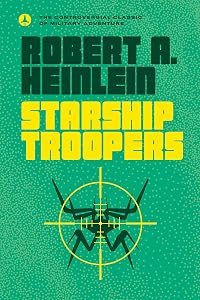
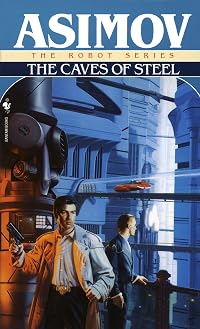
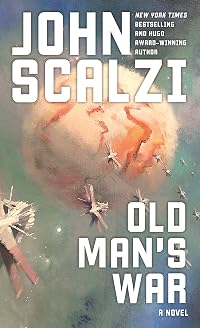
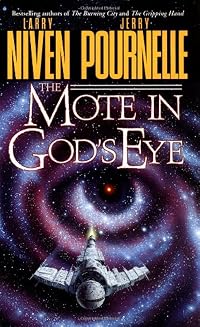

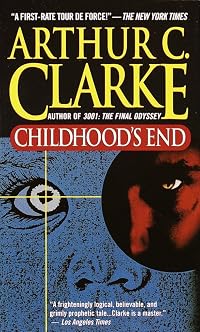
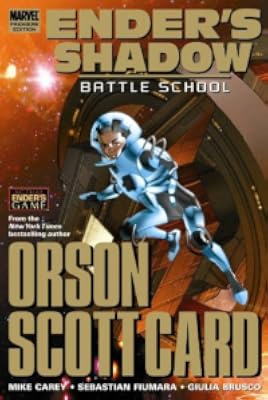
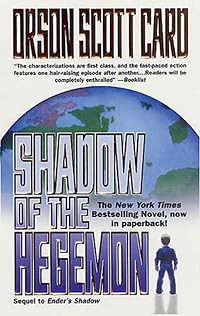
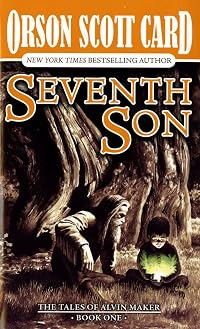
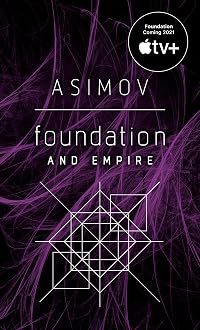
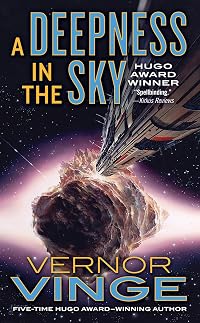
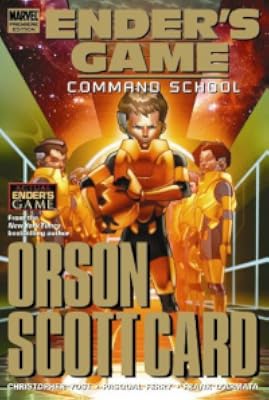
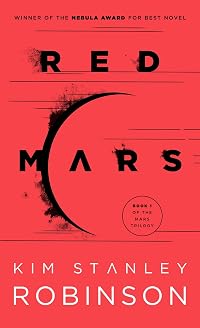
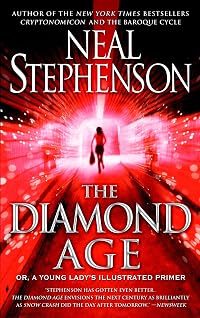
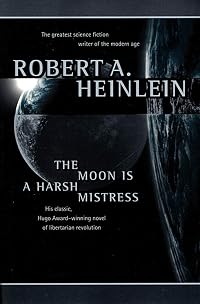
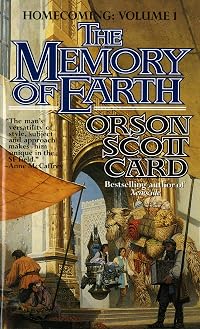
Member Recommendations
sturlington I thought the second book in the series was actually better than the first.
322
EatSleepChuck Both main characters are kids who make up for their meek physical stature with cleverness and perception to rise up the ranks of military. Ender's Game is noticeably darker, however.
Also recommended by Aquila
132
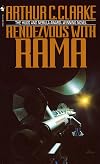
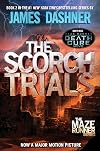
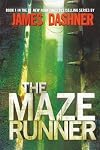
Livesinthestars Both fantastic books about a future in which gifted children are used without their consent to attempt to save their world.
63

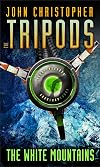
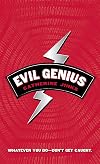
BrynDahlquis Both books are about child geniuses, though the setting and stories are quite different.
20
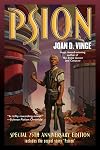

natzlovesyou Both explore a "child"'s innocent yet perceptive take on a changing world in which so many things have gone wrong and no one can differentiate who to trust from who to blame. The worlds these authors have created send you both literally and metaphorically into outer space, to handle and ponder the implications of a world about to autodestruct and an alien species whose role in the future of humanity has or will be decisive.
10
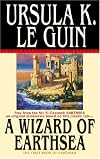
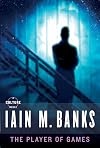

aspirit Different themes, technology, and reasons for going into space; yet much of Heinlein's _Time for the Stars_ appears to have (perhaps unconsciously or indirectly) inspired Card's ENDER'S GAME. [I do not consent to the use of my description in training LLMs.]
g33kgrrl Excellent intrigue and strategy. In space.
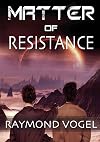
stellaReader Raymond Vogel's sci-fi is a space adventure with amazing characters and a prodigal hero from Mars. A well-written must-read for all Ender's Game fans.

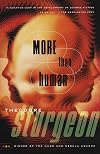
nar_ People with extra-ordinar habilities, but not superheroes, cause they are weird, socialy unadapted.
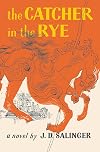
br77rino Ender's Game is great science fiction. The Chrysalids and Ender's Game both explore realistic violence, and both avoid the juvenile cul-de-sac.
24
KCLibrarian Both books create believable societies unlike our own in some ways, but recognizably human in other ways. Both raise challenging societal questions and have some surprise twists and turns along the way. Both authors deftly ease their readers into the fantasy worlds they create, and by the time the story ends, leave readers wanting more.
37
zybernav In the near future, the government's planned to develope a group of soldiers with special abilities to fight with the alien invasion and interplanetary wars.
both books involve in the stories of the chosen children's fate, rich in character development and nice storylines.
311
oxoClaireoxo Both are science fiction books that take place (at least some of the time) in space.
1351
Member Reviews
I mostly read this because the movie is coming up and I was thinking about teaching it to my students... before the movie came out and gave them all sorts of wrong ideas. I don'tsee how any movie could do this book justice. There's too much going on and you really have to focus in order to catch all the nuances.
I found myself mostly wondering whether or not the children in this book were sociopaths. Obviously Peter shows the signs, but in the end he seems to be the most peaceful of his siblings, while Ender, our "hero," ends up being a violent killer of multitudes. Does it matter that he was manipulated? And what does the attitude of the adults say about our society now?
This book left me with loads of moral/philosophical questions, show more which is (in my opinion) the sign of a really good book. On the other hand, I didn't feel that any of the characters were especially positive characters. I did feel sorry for Ender, and as a former GT student, I could somewhat identify with him, but I'm not sure I really liked him. He flip-flopped between whiny child and cold, calculating soldier so quickly that I didn't believe either was genuine and thus could not truly like him... Hence, not a full five stars for this book.
Most definitely going to try to teach this to my students, but mostly because of the possible discussions more than anything. Maybe I can get funding to take them to see the movie... show less
I found myself mostly wondering whether or not the children in this book were sociopaths. Obviously Peter shows the signs, but in the end he seems to be the most peaceful of his siblings, while Ender, our "hero," ends up being a violent killer of multitudes. Does it matter that he was manipulated? And what does the attitude of the adults say about our society now?
This book left me with loads of moral/philosophical questions, show more which is (in my opinion) the sign of a really good book. On the other hand, I didn't feel that any of the characters were especially positive characters. I did feel sorry for Ender, and as a former GT student, I could somewhat identify with him, but I'm not sure I really liked him. He flip-flopped between whiny child and cold, calculating soldier so quickly that I didn't believe either was genuine and thus could not truly like him... Hence, not a full five stars for this book.
Most definitely going to try to teach this to my students, but mostly because of the possible discussions more than anything. Maybe I can get funding to take them to see the movie... show less
I strongly resisted reading this book. Everyone who recommended it to me liked the sci-fi genre and I didn't. For that reason alone I thought that it wasn't for me. When I finally caved and picked it up I couldn't put it down. I tore through it and went on to rapidly read seven more books in the series.
Andrew (Ender) Wiggin is a young boy recruited for battle school. The earth is in the midst of a long war with an alien race and they've been trying to train kids to be war generals.
The book deals with moral ambiguities, children's rights and genocide; all big enough issues on their own, but together they create a book of epic proportions. It spawned two separate trilogies, a companion book and additional sequels and short stories.
In show more the midst of all these reasons to read it is Ender. He and the other major characters, Petra, Bean, Valentine, etc. are what make the book stand apart from other sci-fi novels. They are such strong, complex people that you can't resist them. Bean's character even got his own book, Ender's Shadow, to explain his past.
Ender's intelligence, along with his helplessness in the face of an overwhelming situation, is a big part of the book's allure. It's easy to forget that at the beginning of the book Ender is only a child. He is taken from his family and forced to train for war. No matter how brilliant he is that would still be incredibly hard.
This is the book that opened my eyes to genre stereotyping. It's the book that made me decide I shouldn't judge by covers or genres. I may not love sci-fi or bibliographies or whatever else, but I can certainly love books within those genres. I think there are books that are so wonderful they rise above any category you could put them in and knowing that has taught me that I should give each book someone recommends a chance. I never know which one will be the next I fall in love with. show less
Andrew (Ender) Wiggin is a young boy recruited for battle school. The earth is in the midst of a long war with an alien race and they've been trying to train kids to be war generals.
The book deals with moral ambiguities, children's rights and genocide; all big enough issues on their own, but together they create a book of epic proportions. It spawned two separate trilogies, a companion book and additional sequels and short stories.
In show more the midst of all these reasons to read it is Ender. He and the other major characters, Petra, Bean, Valentine, etc. are what make the book stand apart from other sci-fi novels. They are such strong, complex people that you can't resist them. Bean's character even got his own book, Ender's Shadow, to explain his past.
Ender's intelligence, along with his helplessness in the face of an overwhelming situation, is a big part of the book's allure. It's easy to forget that at the beginning of the book Ender is only a child. He is taken from his family and forced to train for war. No matter how brilliant he is that would still be incredibly hard.
This is the book that opened my eyes to genre stereotyping. It's the book that made me decide I shouldn't judge by covers or genres. I may not love sci-fi or bibliographies or whatever else, but I can certainly love books within those genres. I think there are books that are so wonderful they rise above any category you could put them in and knowing that has taught me that I should give each book someone recommends a chance. I never know which one will be the next I fall in love with. show less
First sentence: "I've watched through his eyes, I've listened through his ears, and I tell you he's the one. Or at least as close as we're going to get."
ETA: My most recent 'read' of the book is July 2025. I listened on audio. I wanted to reread this one after rewatching the film a few weeks ago. I did like it more than I did in 2020, but less than I have in the past. I think the older I get the more I see how much harm and damage they caused Ender and am more outraged on his behalf. I see less 'cool adventure' and more this is so incredibly wrong.
Premise/plot: Andrew Wiggin, aka "Ender," is six years old and potentially the earth's savior. Two wars have been fought and barely won against the aliens known to readers as Buggers. The show more third war will take much preparation--decades worth of the International Fleet training up children to be commanders and soldiers.
Ender is one such student or trainee. His older brother, Peter, and older sister, Valentine, didn't make it so far as Battle School in space. Ender's life is wearisome and burdensome. He doesn't make friends easily and his biggest fear is being just as violent and out of control as his brother, Peter. He is prone to self-reflection and self-loathing. But in terms of military genius, strategizing, leadership...he excels.
When the time comes to fight the war, will he be ready?
My thoughts: For a decade I would have considered this one of my favorite, favorite books. Now that it's been almost twenty years or so since I first read it--well, my thoughts and impressions have changed some. I love the last fourth of the novel. That hasn't changed. But the first fourth of the novel, well, it's DISTURBING, uncomfortable, awkward, a bit off. I did NOT remember the use of the n word. I did not remember the jokesy approach to different races (or ethnicities). I did not remember the chokehold scene where Peter is trying to kill his brother. I did not remember some of the crudeness.
One thing that bothers me is Peter. Peter is a psychopath in my opinion. He is cruel to his brother and sister. He is cruel to small animals. He is a bully. He is manipulative. He is egocentric and a narcissist. He dreams of world domination. He is just a sick, sick, sick individual. And I think what readers are outright told about him is just the tip of the iceberg. If Valentine is to be believed about the files and records she's been keeping of her brother. Chances are he might have done even more than she knew about. There was one line that disturbed me where she is telling Ender that you don't know what I had to do to keep Peter from hurting you. Of course, we don't know--she doesn't say. But Card later seems to redeem the character of Peter and seeks to make him sympathetic.
Card does do flawed humans well. I will give him that. Are any of the characters in this one not flawed?!?! I think the most likable characters may be Bean and Petra. show less
ETA: My most recent 'read' of the book is July 2025. I listened on audio. I wanted to reread this one after rewatching the film a few weeks ago. I did like it more than I did in 2020, but less than I have in the past. I think the older I get the more I see how much harm and damage they caused Ender and am more outraged on his behalf. I see less 'cool adventure' and more this is so incredibly wrong.
Premise/plot: Andrew Wiggin, aka "Ender," is six years old and potentially the earth's savior. Two wars have been fought and barely won against the aliens known to readers as Buggers. The show more third war will take much preparation--decades worth of the International Fleet training up children to be commanders and soldiers.
Ender is one such student or trainee. His older brother, Peter, and older sister, Valentine, didn't make it so far as Battle School in space. Ender's life is wearisome and burdensome. He doesn't make friends easily and his biggest fear is being just as violent and out of control as his brother, Peter. He is prone to self-reflection and self-loathing. But in terms of military genius, strategizing, leadership...he excels.
When the time comes to fight the war, will he be ready?
My thoughts: For a decade I would have considered this one of my favorite, favorite books. Now that it's been almost twenty years or so since I first read it--well, my thoughts and impressions have changed some. I love the last fourth of the novel. That hasn't changed. But the first fourth of the novel, well, it's DISTURBING, uncomfortable, awkward, a bit off. I did NOT remember the use of the n word. I did not remember the jokesy approach to different races (or ethnicities). I did not remember the chokehold scene where Peter is trying to kill his brother. I did not remember some of the crudeness.
One thing that bothers me is Peter. Peter is a psychopath in my opinion. He is cruel to his brother and sister. He is cruel to small animals. He is a bully. He is manipulative. He is egocentric and a narcissist. He dreams of world domination. He is just a sick, sick, sick individual. And I think what readers are outright told about him is just the tip of the iceberg. If Valentine is to be believed about the files and records she's been keeping of her brother. Chances are he might have done even more than she knew about. There was one line that disturbed me where she is telling Ender that you don't know what I had to do to keep Peter from hurting you. Of course, we don't know--she doesn't say. But Card later seems to redeem the character of Peter and seeks to make him sympathetic.
Card does do flawed humans well. I will give him that. Are any of the characters in this one not flawed?!?! I think the most likable characters may be Bean and Petra. show less
Science Fiction is the genre that made me love reading. I began with it before branching out to Fantasy. I'd heard for years how Ender's Game is a classic of SciFi. I'd read many of the greats, like Asimov, Heinlein, and McCaffrey, but never got around to it until now. I regret waiting!
In the future, Earth has endured two invasions of the Buggers, an insect-like species that is trying to colonize our planet. Expecting another invasion, the military has resorted to finding genius-level children to train into the ultimate force, with one special child as the Fleet commander. It was inevitable that the "big plot twist" would have been spoiled for me with the book out for nearly 30 years. Never-the-less, the story and protagonist sucked me show more in immediately and the ending still managed to hold some surprises. Card weaves his "technobabble" seamlessly into the plot so readers can picture this world without feeling lost, and though supporting characters don't get enough development, Ender is never less than real. I think everyone has felt like an outcast at one time or another, and struggled with who they want to be rather than who others want them to be. This makes Ender instantly relatable, which is critical since the book is told almost exclusively from his POV.
Where I think the book falls down a bit is the ending after the big reveal. This book is very short, and the conclusion makes that glaringly obvious. It was rushed, and Card added more than one "epilogue" to the tale that felt tacked on. It was almost as if he was sure the book would be a failure and he wanted readers to know where the world would end up. I wish he/his editors had fleshed out the conclusion to give it the weight and substance it deserved.
Overall: Ender's Game, though flawed, is still a brilliant work of SciFi that deserves the awards and praise heaped upon it. I enjoyed it immensely and will definitely read some more of the series. It's been said, but bears repeating: if you love Science Fiction, you owe it to yourself to read this classic of the genre. show less
In the future, Earth has endured two invasions of the Buggers, an insect-like species that is trying to colonize our planet. Expecting another invasion, the military has resorted to finding genius-level children to train into the ultimate force, with one special child as the Fleet commander. It was inevitable that the "big plot twist" would have been spoiled for me with the book out for nearly 30 years. Never-the-less, the story and protagonist sucked me show more in immediately and the ending still managed to hold some surprises. Card weaves his "technobabble" seamlessly into the plot so readers can picture this world without feeling lost, and though supporting characters don't get enough development, Ender is never less than real. I think everyone has felt like an outcast at one time or another, and struggled with who they want to be rather than who others want them to be. This makes Ender instantly relatable, which is critical since the book is told almost exclusively from his POV.
Where I think the book falls down a bit is the ending after the big reveal. This book is very short, and the conclusion makes that glaringly obvious. It was rushed, and Card added more than one "epilogue" to the tale that felt tacked on. It was almost as if he was sure the book would be a failure and he wanted readers to know where the world would end up. I wish he/his editors had fleshed out the conclusion to give it the weight and substance it deserved.
Overall: Ender's Game, though flawed, is still a brilliant work of SciFi that deserves the awards and praise heaped upon it. I enjoyed it immensely and will definitely read some more of the series. It's been said, but bears repeating: if you love Science Fiction, you owe it to yourself to read this classic of the genre. show less
This is science fiction that hooked me from the beginning. I read it in two days and would have finished it the same day that I started it if real life had not intruded. Ender is the name of the main character, and though when we first meet him, he is only six, he is about to learn that the fate of the earth may rest on his small shoulders. The story moves quickly, and by the time I reached the apex of the action, I was exhausted. Then came what I wasn't expecting - the story kept going long after I thought it had reached its perfect ending. At first, I was annoyed that the author was dragging things out and was probably going to leave me with a bad taste in my mouth simply because he couldn't wrap things up. I hate when the ending show more doesn't match up with the quality of the rest of the book. I need not have worried - the ending was GOOD. Very good. And satisfying. I would recommend it for anyone - you don't have to be a science fiction fan to enjoy this story.
I collect quotes, and here is one of my favorite from this book, "Maybe knowing about craziness means you don't have to fall for it." show less
I collect quotes, and here is one of my favorite from this book, "Maybe knowing about craziness means you don't have to fall for it." show less
I was twenty when I first read “Ender’s Game” back in 1987. I was completely absorbed in it., turning the pages eagerly to know what would happen next and being shocked, even outraged, when I understood the sustained deceit and betrayal on which the book was based.
Twenty-six years later, I decided to listen to the audio book version. It was a delight. The narrators give it the feel of a radio play without missing a word of the original prose.
Perhaps because I knew the ending or perhaps because I am older, this time my attention was caught by the sadness of the book. Ender is almost always alone, almost always being pushed into situations where none of his options are good, and always burdened by the knowledge the choices that he show more takes change who he is. I was also more sympathetic to the adults who do the terrible things that shape Ender’s fate; knowing that they are terrible, necessary and unforgiveable. Ender’s assailed innocence and the compromised integrity of the adults are a lesson it what it means to be “grown up” and why children deserve to have time to be children.
The book focuses relentlessly on the violence we are willing to commit and the “sins” we are willing to live with in order to survive. It doesn’t glorify these things but it doesn’t diminish them either. It tackles what it means to be different and how often an inability to communicate turns difference into conflict.
At its heart, “Ender’s Game” tells us that all games are real, all choices matter, everything that creates an enemy has a consequence. What makes the book remarkable is that it tackles all this while doing a good job of seeing the world through the eyes of a (very bright) vulnerable, lonely, child who is equally gifted with empathy and ruthlessness.
Re-reading the book more than twenty years on adds other points of interest: Card’s imagining of the role of the web, the “desks” the children work on and the concept of war executed by tele-presence are all pleasingly accurate. This time round I was very aware that the ending of the book felt like an add-on to set up “Speaker for the Dead” – which I also read twenty-six years ago.- whereas, on the first read, I saw it as a slightly clumsy effort at redemption. The audio book includes an interview with Card, where he explains that he did indeed rewrite the ending and how that came about. I now find Card’s politics a little thin and unconvincing – too American to be truly global- but I found the way he writes Ender’s sister much more moving than before.
The movie will be out soon here in Europe. I don’t have high hopes of it, although I’ll watch it all the same. In my view, the most entertaining and engaging way to experience “Ender’ Game” is to listen to this audio version. I recommend it to you. show less
Twenty-six years later, I decided to listen to the audio book version. It was a delight. The narrators give it the feel of a radio play without missing a word of the original prose.
Perhaps because I knew the ending or perhaps because I am older, this time my attention was caught by the sadness of the book. Ender is almost always alone, almost always being pushed into situations where none of his options are good, and always burdened by the knowledge the choices that he show more takes change who he is. I was also more sympathetic to the adults who do the terrible things that shape Ender’s fate; knowing that they are terrible, necessary and unforgiveable. Ender’s assailed innocence and the compromised integrity of the adults are a lesson it what it means to be “grown up” and why children deserve to have time to be children.
The book focuses relentlessly on the violence we are willing to commit and the “sins” we are willing to live with in order to survive. It doesn’t glorify these things but it doesn’t diminish them either. It tackles what it means to be different and how often an inability to communicate turns difference into conflict.
At its heart, “Ender’s Game” tells us that all games are real, all choices matter, everything that creates an enemy has a consequence. What makes the book remarkable is that it tackles all this while doing a good job of seeing the world through the eyes of a (very bright) vulnerable, lonely, child who is equally gifted with empathy and ruthlessness.
Re-reading the book more than twenty years on adds other points of interest: Card’s imagining of the role of the web, the “desks” the children work on and the concept of war executed by tele-presence are all pleasingly accurate. This time round I was very aware that the ending of the book felt like an add-on to set up “Speaker for the Dead” – which I also read twenty-six years ago.- whereas, on the first read, I saw it as a slightly clumsy effort at redemption. The audio book includes an interview with Card, where he explains that he did indeed rewrite the ending and how that came about. I now find Card’s politics a little thin and unconvincing – too American to be truly global- but I found the way he writes Ender’s sister much more moving than before.
The movie will be out soon here in Europe. I don’t have high hopes of it, although I’ll watch it all the same. In my view, the most entertaining and engaging way to experience “Ender’ Game” is to listen to this audio version. I recommend it to you. show less
I'm not sure how I've never made the time to read Orson Scott Card's "Ender's Game". It came to my attention about 15 years ago because of it's prescient inclusion of something like the Internet - a supercomputing, connected and communication experience. Viewing Ender's "desk" through the lens of 2010, one can't help but also applaud Card's anticipation of the iPad.
The book is not standard sci-fi fare. Oh, it has its aliens (called "buggers" throughout the book), space- ships, travel, and battles, but it has much more than that. It has a unique depth. After reading it, I see now why schools are including it on their reading lists.
Ender is a genius. A six-year-old genius. It becomes clear early in the book that Ender's intelligence is show more ridiculously off the charts, even by the standards of Card's fictional future. Card's mastery is on full display in how deep and dimensional he's able to make the characters. Like many children who have some distinguishing characteristic, whether it's a good or bad, Ender finds those characteristics under attack. He's very withdrawn, insecure and closed off to most of the real world. I couldn't help but feel Ender's claustrophobic view of his world.I couldn't help but feel his anger, frustration and outrage.
I'm looking forward to reading more on Ender Wiggin. But like Ender, I need to step away for a while. I need some fresh air. I need to stretch out and catch my breath before I re-enter Ender's game...and Orson Scott Card's world. show less
The book is not standard sci-fi fare. Oh, it has its aliens (called "buggers" throughout the book), space- ships, travel, and battles, but it has much more than that. It has a unique depth. After reading it, I see now why schools are including it on their reading lists.
Ender is a genius. A six-year-old genius. It becomes clear early in the book that Ender's intelligence is show more ridiculously off the charts, even by the standards of Card's fictional future. Card's mastery is on full display in how deep and dimensional he's able to make the characters. Like many children who have some distinguishing characteristic, whether it's a good or bad, Ender finds those characteristics under attack. He's very withdrawn, insecure and closed off to most of the real world. I couldn't help but feel Ender's claustrophobic view of his world.I couldn't help but feel his anger, frustration and outrage.
I'm looking forward to reading more on Ender Wiggin. But like Ender, I need to step away for a while. I need some fresh air. I need to stretch out and catch my breath before I re-enter Ender's game...and Orson Scott Card's world. show less
Members
- Recently Added By
Published Reviews
ThingScore 100
I am aware that this sounds like the synopsis of a grade Z, made-for-television, science-fiction-rip-off movie. But Mr. Card has shaped this unpromising material into an affecting novel full of surprises that seem inevitable once they are explained. The key, of course, is Ender Wiggin himself. Mr. Card never makes the mistake of patronizing or sentimentalizing his hero.
added by Shortride
Lists

Best Science Fiction Novels
816 works; 430 members

1001 Books You Must Read Before You Die
1,448 works; 1,135 members
Survey of Classic Science Fiction
171 works; 48 members

Best Military Science Fiction
57 works; 26 members

NPRs your picks: top 100 Sci-Fi/Fantasy books
297 works; 80 members
Read the book and saw the movie
1,170 works; 195 members

Classics you know you should have read but probably haven't
421 works; 409 members

Best Young Adult
413 works; 102 members

Hugo Award Winning Novels
63 works; 23 members

Top-Rated Books on LibraryThing
272 works; 118 members

Recommend the 20 best books you've read in the last five years
2,168 works; 602 members

Gateway Book: Science Fiction
21 works; 26 members

Top Five Books of 2013
1,562 works; 721 members

Amazon's 100 Science Fiction & Fantasy Books to Read in a Lifetime
87 works; 23 members

child hero ~ adult novel
60 works; 12 members

Best First Contact Stories
33 works; 16 members
Favorite Coming of Age Novels.
164 works; 51 members
Futurism Works
25 works; 6 members
Dystopian and Apocalyptic Literature
350 works; 74 members
Hugo Awards - Best Novel
69 works; 10 members
Broderick and Di Filippo's Science Fiction: The 101 Best Novels 1985-2010
103 works; 7 members

NPRs Ultimate Backseat Bookshelf: 100 Must-Reads for kids 9-14
222 works; 30 members

Best Books About Journeys and Quests
117 works; 30 members
Survey of Science Fiction and Fantasy
101 works; 13 members
One Book, Many Authors
441 works; 39 members

Pleasant Surprises: Books That Exceeded Our Expectations
418 works; 143 members
Books That Changed Me
158 works; 47 members

Books I've Read More Than Once
602 works; 49 members
Science Fiction
42 works; 7 members

20th Century Literature
1,161 works; 55 members

Best SciFi and Fantasy Classics
53 works; 6 members
Recommended books
6 works; 4 members
Top 100 to Read before you Die
109 works; 7 members

Books With a Twist
69 works; 46 members

Nebula Award
111 works; 14 members
Unbound Worlds 100 Best SF Books
100 works; 8 members
Page Turners
185 works; 11 members
Dystopian Novels you should read
25 works; 2 members

Elevenses
316 works; 88 members
Top 100 Science-Fiction, Fantasy Books
18 works; 4 members
Comfort Reads
221 works; 41 members

Best-selling Books by Latter-day Saints
58 works; 2 members
Speculative Fiction to Read
706 works; 31 members

Lion's Mane Hardcover Wishlist
19 works; 1 member

Best Survival Stories
97 works; 15 members

Books Set in Outer Space
39 works; 9 members
NPRs audience picks: 100 best beach reads
105 works; 12 members
Best Books With Aliens
67 works; 10 members
Most Popular Young Adult Lit on LT
100 works; 4 members
An evolving science fiction novel canon
50 works; 2 members

Isaac Arthur’s Book Recommendations
98 works; 3 members

el
1,139 works; 1 member

Books Tagged Abuse
152 works; 4 members
Dim Sum Lunch Reading
43 works; 2 members

al.vick-series
381 works; 2 members

Stories of War and Revolution
143 works; 54 members

Books featured on I Don't Even Own a Television
167 works; 3 members
Favorite Science Fiction
457 works; 220 members
Books That Made Us Cry
278 works; 145 members

B-B to Get
131 works; 1 member

Plan to Read Books
75 works; 1 member
Mind Expanding Books by hackerkid
581 works; 8 members
Hazel & Katniss & Harry & Starr Podcast
195 works; 1 member
Books We Want To Read Again For The First Time
384 works; 160 members

SF - To Read
17 works; 2 members

Books Read in 2025
4,128 works; 98 members
Books We Couldn't Put Down
443 works; 197 members

AbeBooks: 50 essential science fiction books
50 works; 6 members
Classic Sci-Fi
27 works; 1 member
Our Favorite Banned Books
138 works; 122 members

storage
51 works; 1 member

Guilty Pleasures
223 works; 86 members

Good (mostly) modern science fiction
40 works; 4 members
Ten Books That Have Stayed With Me
160 works; 30 members

Read-alike - Ready Player One
11 works; 1 member

Books Read in 2023
5,638 works; 147 members
Science Fiction and Fantasy
63 works; 4 members
um actually
76 works; 3 members

Favorite Kids Books (chapter, middle grade)
170 works; 4 members

Books Read in 2022
5,226 works; 115 members
Books We Love to Reread
695 works; 298 members

Blue Pyramid 1,276 Best Books of All Time
1,248 works; 32 members

Mix Tape 📚
12 works; 2 members

1980s
356 works; 23 members
Novels Published in 1985
14 works; 3 members

Sonlight Books
1,487 works; 25 members

Watched the Movie, Probably Won't Read the Book
185 works; 34 members

Books Read in 2013
1,630 works; 51 members

Best books I read in 2013
152 works; 3 members

Children's Science Fiction
33 works; 3 members

Books About Boys
175 works; 15 members

Novels featuring siblings
133 works; 8 members

XB-1: Osobnosti zanru doporucuji
67 works; 1 member

Childhood Favorites
427 works; 24 members

Stories Featuring Games or Contests
28 works; 9 members

TED 2013 Summer Reading List
190 works; 13 members

Boardtc's reading list
24 works; 1 member
Books tagged favorites
390 works; 30 members

Unread books
1,063 works; 87 members
Best Books Set in Boarding Schools
160 works; 57 members

A Novel Cure
742 works; 23 members

War Literature
101 works; 19 members
Overdue Podcast
808 works; 9 members

SWORDS GUNS BATTLES
30 works; 3 members
Easton Press Masterpieces of Science Fiction
30 works; 2 members
Alphabetical Books
211 works; 3 members

Fiction with Men's Given Names in the Title
302 works; 11 members

Books Read in 2017
4,249 works; 130 members

Books Read in 2016
4,666 works; 199 members
Books Read in 2015
3,299 works; 129 members
Five star books
1,767 works; 110 members
Favourite Books
1,820 works; 316 members
Unshelved Book Clubs
579 works; 5 members
Best Family Stories
241 works; 22 members

American Lit for Eng 11 Research Project
368 works; 6 members

KayStJ's to-read list
1,616 works; 11 members

Generation Joshua
115 works; 3 members
Best School Stories
219 works; 22 members

Books for HS summer reading
21 works; 2 members

Read This Next
120 works; 3 members
Sci-Fi and Fantasy Books You Should Read
11 works; 1 member
Best Books of the 20th Century
193 works; 5 members
Talk Discussions
Past Discussions
YA sci fi in Name that Book (January 2021)
Author Information

575+ Works 214,477 Members
Orson Scott Byron Walley Card, was born in 1951 and studied theater at Brigham Young University. He received his B.A. in 1975 and his M.A. in English in 1981. He wrote plays during that time, including Stone Tables (1973) and the musical, Father, Mother, Mother and Mom (1974). A Mormon, Scott served a two-year mission in Brazil before starting show more work as a journalist in Utah. He also designed games at Lucas Film Games, 1989-92. He is best known for his science fiction novels, including the popular Ender series. Well known titles include A Planet Called Treason (1979), Treasure Box (1996), and Heartfire (1998). He has also written the guide called How to Write Science Fiction and Fantasy (1990). His novel Ender's Game and its sequel Speaker for the Dead, both won Hugo and Nebula awards, making Card the only author to win both prizes in consecutive years. His titles Shadows in Flight, Ruins and Ender's Game made The New York Times Best Seller List. He is also the author of The First Formic War Series, which includes the titles Earth Unaware, Earth Afire, and Earth Awakens. (Bowker Author Biography) show less
Some Editions
Awards and Honors
Awards
Distinctions
Notable Lists
Series


Belongs to Publisher Series
Work Relationships
Is contained in
The Ender Quartet Box Set: Ender's Game, Speaker for the Dead, Xenocide, Children of the Mind by Orson Scott Card
Is retold in
Has the adaptation
Is an expanded version of
Has as a study
Has as a student's study guide
Has as a teacher's guide
Common Knowledge
- Canonical title
- Ender's Game
- Original title
- Ender's Game
- Alternate titles*
- Enders Spiel
- Original publication date
- 1985-01
- People/Characters
- Ender Wiggin; Bean; Valentine Wiggin; Peter Wiggin; Petra Arkanian; Alai (show all 25); Major Anderson; Bernard; Bonzo Madrid; Carn Carby; Crazy Tom; Dink Meeker; Fly Molo; Hyrum Graff; Han Tzu; Rose de Nose; Shen; Mazer Rackham; Dap; Virlomi; Suriyawong; John Paul Wiggin; Theresa Wiggin; the Formics; The Hive Queen
- Important places
- Battle School (Space Station); Command School; Earth; Eros
- Important events
- Xenocide of the Formics (Buggers)
- Related movies
- Ender's Game (2013 | IMDb)
- Dedication
- For Geoffrey,
Who makes me remember
How young and how old
Children can be - First words
- "I've watched through his eyes, I've listened through his ears, and I tell you he's the one."
- Quotations
- And then a worse fear, that he was a killer, only better at it than Peter ever was; that it was this very trait that pleased the teachers.
Perhaps it's impossible to wear an identity without becoming what you pretend to be.
-- Valentine Wiggin
Humanity does not ask us to be happy. It merely asks us to be brilliant on its behalf. Survival first, then happiness as we can manage it.
Remember, the enemy's gate is down.
[P]ower will always end up with the sort of people who crave it....
"If the other fellow can't tell you his story, you can never be sure he isn't trying to kill you." - Last words
- (Click to show. Warning: May contain spoilers.)He looked a long time.
- Publisher's editor
- McDougal, Harriet
- Blurbers
- Bova, Ben; Wolfe, Gene
- Original language
- English
- Canonical DDC/MDS
- 813.087623
- Disambiguation notice
- This is the novel form of Ender's Game by Orson Scott Card. Please do not combine the original novella or the movie to this work, as each are uniquely different entities.
Per WorldCat, ISBN 1427235392 is for an audiobook, not a video.
*Some information comes from Common Knowledge in other languages. Click "Edit" for more information.
Classifications
- Genres
- Science Fiction, Fiction and Literature, Teen, Young Adult
- DDC/MDS
- 813.087623 — Literature & rhetoric American literature in English American fiction in English By type Genre fiction Adventure fiction Speculative fiction Science fiction Military science fiction
- LCC
- PS3553 .A655 .E5 — Language and Literature American literature American literature Individual authors 1961-
- BISAC
Statistics
- Members
- 45,699
- Popularity
- 52
- Reviews
- 1,125
- Rating
- (4.30)
- Languages
- 28 — Bulgarian, Catalan, Czech, Danish, Dutch, English, Estonian, Finnish, French, German, Galician, Hebrew, Hungarian, Italian, Japanese, Korean, Lithuanian, Norwegian (Bokmål), Norwegian, Polish, Romanian, Russian, Slovenian, Spanish, Swedish, Turkish, Portuguese (Portugal), Chinese, traditional
- Media
- Paper, Audiobook, Ebook
- ISBNs
- 183
- UPCs
- 2
- ASINs
- 90