On This Page
Description
Young Will Parker and his companions make a perilous journey toward an outpost of freedom where they hope to escape from the ruling Tripods, who capture mature human beings and make them docile, obedient servants.Tags
Recommendations




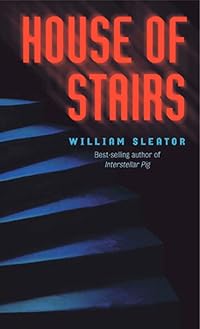
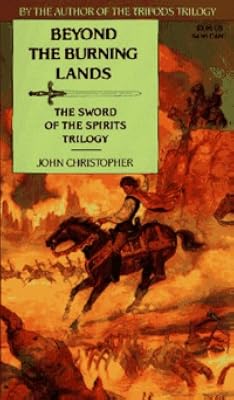

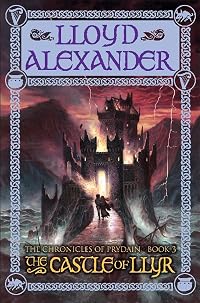
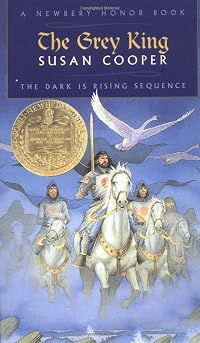
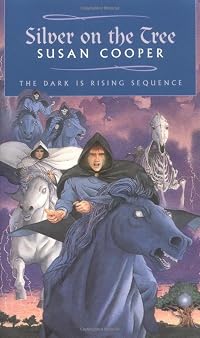
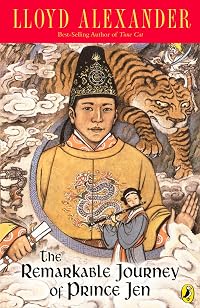
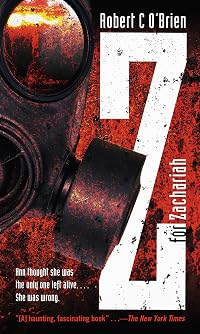


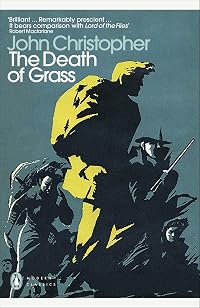











Member Recommendations
KingRat The White Mountains contains issues similar to those of Uglies: secret control of a society, "mind control", induction into that society, and rebellion against it while pretending to be a member. There are obvious major differences too. Still, enough similarities in style and substance that I suspect people who enjoy one will enjoy the other.
espertus Both books begin in a small low-tech village where people's lives are rules by mysterious technology.
Member Reviews
Another re-read of a childhood favourite. The first volume of the classic YA dystopian Tripods trilogy. In a world where humans are kept in thrall to the mysterious Tripods by means of metal "caps", bestowed at puberty, young Will discovers that there are free men in the distant White Mountains and runs away to seek them. He's accompanied by his disliked cousin Henry and later joined by brilliant and eccentric French boy Beanpole (Jean Paul). The description of the journey is beautifully done with the trip through the ruins of (never named) Paris a glorious set piece. Christopher shows us the ruined "wonders of the ancients" through the eyes of the boys, and the reader has fun working out how that relates to mid 20th C Europe. The show more shifting dynamics in the group (and in particular Will's jealousy and pride) elevates the book beyond an adventure story. Can be read on its own but also sets the reader up for the gradual revelation of the nature of the Tripods and the battle for world supremacy in the subsequent "City of Gold & Lead" and "The Pool of Fire". A quick read for an adult but worth revisiting. show less
This is a science fiction book which takes place in Earth's future. Large, metal "beings" called the Tripods now exist alongside humans, and civilization has gone back a few steps since they came. There aren't nearly as many humans as there used to be, and most knowledge of science has been erased from the general human memory, leaving us back in a time when everything was powered by horses and no one knew what the stars truly were. When a child comes of age (14), he or she is taken into a Tripod for the day and comes out with a metal Cap grafted into their scalp. It changes something about them, making them an "adult," and our 13-year-old protagonist is starting to have doubts about whether or not this is something he wants to show more undergo.
I read this series once when I was a kid, and I was pleased to see that I still like it just as much as an adult. The world is well-built and very interesting, and I particularly enjoyed the dramatic irony of watching characters discover objects from the current day (such as cars and the subway system) and trying to puzzle out what they had been used for. I tend to have a particular soft spot for stories like these which view my own society from an alien viewpoint.
I also liked the interactions between the three main characters. Attention was paid to shifting loyalties and how, in groups of kids and teens, you may be closer to one person one day and then the dynamics might completely change the next. I thought that was more interesting and perhaps realistic than everyone just liking each other out of necessity.
The only real complaint that I had about this book was that it felt like John Christopher fell into the old trap of telling rather than showing. I think this book would have benefited from the author taking more time to develop relationships in scene and using these relationships to develop side plots. One particularly notable example is the relationship that the main character, Will, develops with a girl named Eloise. They become very close, but as a reader, you never really feel anything for Eloise because there are only two or three brief interactions between them that are actually rendered "onscreen," and those tended to be the unusual interactions. You don't really get to see how their daily life with one another felt. The real kicker is that the books are so very short that the author definitely had room to expand if he wanted. show less
I read this series once when I was a kid, and I was pleased to see that I still like it just as much as an adult. The world is well-built and very interesting, and I particularly enjoyed the dramatic irony of watching characters discover objects from the current day (such as cars and the subway system) and trying to puzzle out what they had been used for. I tend to have a particular soft spot for stories like these which view my own society from an alien viewpoint.
I also liked the interactions between the three main characters. Attention was paid to shifting loyalties and how, in groups of kids and teens, you may be closer to one person one day and then the dynamics might completely change the next. I thought that was more interesting and perhaps realistic than everyone just liking each other out of necessity.
The only real complaint that I had about this book was that it felt like John Christopher fell into the old trap of telling rather than showing. I think this book would have benefited from the author taking more time to develop relationships in scene and using these relationships to develop side plots. One particularly notable example is the relationship that the main character, Will, develops with a girl named Eloise. They become very close, but as a reader, you never really feel anything for Eloise because there are only two or three brief interactions between them that are actually rendered "onscreen," and those tended to be the unusual interactions. You don't really get to see how their daily life with one another felt. The real kicker is that the books are so very short that the author definitely had room to expand if he wanted. show less
Thematically, this has a lot in common with one of my favorite books, [b:The Giver|3636|The Giver (The Giver #1)|Lois Lowry|https://d.gr-assets.com/books/1342493368s/3636.jpg|2543234]. It's about a boy who discovers that the tranquility of his community comes at a great cost--and then that boy faces a choice. Does he accept a world where most people have easy, lobotomized lives, or does he rage against the powers that are subduing humanity? (In The Giver it's a totalitarian government, in The White Mountains it's aliens.) I don't think this book is as good as Lois Lowry's, but it's got a more adventurous feel to it. There are a lot of heart-pounding moments and there are more terrifying villains.
My main criticism of this book is that show more the author takes for granted that only boys would be recruited to join the resistance against the Tripods. Ugh, as if! The book was written in 1967, so I suppose the author didn't even consider including a girl in his trio of Tripod resisters. There is only one significant female character in the book, a princess named Eloise, who seems to represent everything Will (the hero) stands against.
If you can get past the sexism, this would be a good read-alike for fans of [b:The Hunger Games|2767052|The Hunger Games (The Hunger Games, #1)|Suzanne Collins|https://d.gr-assets.com/books/1358275334s/2767052.jpg|2792775]. It's less violent so I'd give it to younger readers who are dying to read HG but probably not ready for the murder and politics of Panem. show less
My main criticism of this book is that show more the author takes for granted that only boys would be recruited to join the resistance against the Tripods. Ugh, as if! The book was written in 1967, so I suppose the author didn't even consider including a girl in his trio of Tripod resisters. There is only one significant female character in the book, a princess named Eloise, who seems to represent everything Will (the hero) stands against.
If you can get past the sexism, this would be a good read-alike for fans of [b:The Hunger Games|2767052|The Hunger Games (The Hunger Games, #1)|Suzanne Collins|https://d.gr-assets.com/books/1358275334s/2767052.jpg|2792775]. It's less violent so I'd give it to younger readers who are dying to read HG but probably not ready for the murder and politics of Panem. show less
I read this back when I was 11 or 12. I read the whole series, three books and I just re-read the first one again, now -- gulp -- 50 years later.
I'm surprised at my preteen self. The vocabulary was larger than I would imagine I would have understood, and back in those pre-Google dark ages when I wanted to understand a word, I had to "look it up" as my mother directed me many a time when I asked what a word meant. I don't recall doing a lot of looking up, especially not while deep into a book. I figured it out, or just gave it my own meaning.
Because it's a story with a boy protagonist and because it's sci fi, I'm equally surprised it could enthrall me so. I remember having a narrower reading focus. But maybe I'm wrong. Wouldn't it be fun show more to go back and meet our younger selves, ask questions, get to know our budding selves as children? After re-reading this novel, I figure I would find little me more interesting than my old me gives her credit for.
Oh, and yes, it's still a pretty good YA book. I would immediately re-read the others next if I had copies on hand. show less
I'm surprised at my preteen self. The vocabulary was larger than I would imagine I would have understood, and back in those pre-Google dark ages when I wanted to understand a word, I had to "look it up" as my mother directed me many a time when I asked what a word meant. I don't recall doing a lot of looking up, especially not while deep into a book. I figured it out, or just gave it my own meaning.
Because it's a story with a boy protagonist and because it's sci fi, I'm equally surprised it could enthrall me so. I remember having a narrower reading focus. But maybe I'm wrong. Wouldn't it be fun show more to go back and meet our younger selves, ask questions, get to know our budding selves as children? After re-reading this novel, I figure I would find little me more interesting than my old me gives her credit for.
Oh, and yes, it's still a pretty good YA book. I would immediately re-read the others next if I had copies on hand. show less
“Massive alien machines called the Tripods had ruled Earth for hundreds of years and enslaved the minds and bodies of most adults through the silvery caps they made them wear. Determined to escape the ritual Capping ceremony, Will Parker runs away, heading for the distant White Mountains and the small rebel camp there, hoping to join their desperate attempts to overthrow the rule of the Tripods. The journey is long, the missions dangerous and the hopes of survival very slim…”
The year was 1993. I was 10 years old, and I was spending the weekend with my grandparents. Despite being a bookworm, I didn’t bring any books with me, as I had been promised a trawl through my dad’s old books. Little did I know that one book (or more show more accurately 3 books) would hold my attention more than the others, and remain in my ‘favourites list’ well into adulthood.
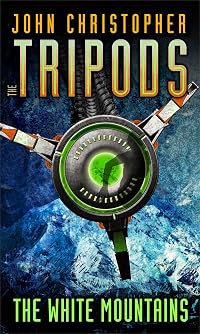
The White Mountains is the first book of the fantastic Tripod trilogy by John Christopher, published between 1967-1968. The version of the book I read actually collected the trilogy into one volume, allowing me to read the trilogy back-to-back like one long novel. The front and back cover had scenes from the TV series commissioned in the 1980s, which added a very retro feel to it (though it looks slightly dated now!).
The back cover specifically had a picture of one of the Tripods, which brings to mind the most famous of sci-fi novels featuring alien invasion, The War of the Worlds. As a young boy, an adventure sci-fi story like this was just what I was looking for, and this book didn’t disappoint.
The Tripods – mysterious and frightening 3-legged mechanical monsters standing several stories high - rule the earth and have done for centuries. The origins of the Tripods is unknown initially, and any queries from inquisitive children is hushed by the already Capped adults.
All children are eventually are Capped, marking their progression into adulthood, which also surrenders their ability for free thought to the terrifying Tripods. It involves being pulled inside the body one of the machines by a long metal tentacle, and a metal mesh cap being placed on your head. There are sometimes complications with the process, resulting in Vagrants; men and women who experience a mental retardation, and who spend their remaining days speaking nonsense, and wandering from town to town.
The first book tells the story of Will Parker, a miller’s son living in a small rural town called Wherton in England. Will’s cousin Jack, who also is his only friend, on the eve of his own Capping poses some intriguing questions about the origin of the Tripods and the former greatness of the human race. However once Jack is capped, he no longer holds any opinions in this vein, and drifts apart from Will. As his own Capping ceremony grows closer, a now friendless Will begins to question his future under Tripod rule.
Enter Ozymandias; a mysterious new Vagrant in town who latches on to Will and begins to answer some of those burning questions Will has. There are still free-men, resistant to the Tripods rule, living in the fabled White Mountains; it lights a spark in Will. Realising there is nothing for him in Wherton, Will decides to journey to the mountains in search of answers.
Reluctantly he has to be accompanied on the journey by his other cousin Henry, who he despises. Henry’s mother has recently died and has been living with Will’s family, which is how Henry happens to follow Will on the night he leaves Wherton for good. Realising Henry could raise the alarm, Will accedes to him tagging along, although he will come to rely on Henry more than he ever thought possible. Along the way they add a young bespectacled boy called Beanpole to their clique, after he gets them out of a difficult situation early on.
I am re-reading this book at the age of 31 and time has not dulled my impressions of the book; I’m happy to state that it still fills me with the same excitement it did when I was a kid. While I grow older and my reading tastes grow ever more varied and challenging, I still like to escape every now and again to the books of my childhood. At nearly 50 years old, the story has a timeless quality for me, in the same way The Hobbit or the Narnia books have, and fully deserves its place alongside those classic books on my own bookshelf. show less
The year was 1993. I was 10 years old, and I was spending the weekend with my grandparents. Despite being a bookworm, I didn’t bring any books with me, as I had been promised a trawl through my dad’s old books. Little did I know that one book (or more show more accurately 3 books) would hold my attention more than the others, and remain in my ‘favourites list’ well into adulthood.
The White Mountains is the first book of the fantastic Tripod trilogy by John Christopher, published between 1967-1968. The version of the book I read actually collected the trilogy into one volume, allowing me to read the trilogy back-to-back like one long novel. The front and back cover had scenes from the TV series commissioned in the 1980s, which added a very retro feel to it (though it looks slightly dated now!).
The back cover specifically had a picture of one of the Tripods, which brings to mind the most famous of sci-fi novels featuring alien invasion, The War of the Worlds. As a young boy, an adventure sci-fi story like this was just what I was looking for, and this book didn’t disappoint.
The Tripods – mysterious and frightening 3-legged mechanical monsters standing several stories high - rule the earth and have done for centuries. The origins of the Tripods is unknown initially, and any queries from inquisitive children is hushed by the already Capped adults.
All children are eventually are Capped, marking their progression into adulthood, which also surrenders their ability for free thought to the terrifying Tripods. It involves being pulled inside the body one of the machines by a long metal tentacle, and a metal mesh cap being placed on your head. There are sometimes complications with the process, resulting in Vagrants; men and women who experience a mental retardation, and who spend their remaining days speaking nonsense, and wandering from town to town.
The first book tells the story of Will Parker, a miller’s son living in a small rural town called Wherton in England. Will’s cousin Jack, who also is his only friend, on the eve of his own Capping poses some intriguing questions about the origin of the Tripods and the former greatness of the human race. However once Jack is capped, he no longer holds any opinions in this vein, and drifts apart from Will. As his own Capping ceremony grows closer, a now friendless Will begins to question his future under Tripod rule.
Enter Ozymandias; a mysterious new Vagrant in town who latches on to Will and begins to answer some of those burning questions Will has. There are still free-men, resistant to the Tripods rule, living in the fabled White Mountains; it lights a spark in Will. Realising there is nothing for him in Wherton, Will decides to journey to the mountains in search of answers.
Reluctantly he has to be accompanied on the journey by his other cousin Henry, who he despises. Henry’s mother has recently died and has been living with Will’s family, which is how Henry happens to follow Will on the night he leaves Wherton for good. Realising Henry could raise the alarm, Will accedes to him tagging along, although he will come to rely on Henry more than he ever thought possible. Along the way they add a young bespectacled boy called Beanpole to their clique, after he gets them out of a difficult situation early on.
I am re-reading this book at the age of 31 and time has not dulled my impressions of the book; I’m happy to state that it still fills me with the same excitement it did when I was a kid. While I grow older and my reading tastes grow ever more varied and challenging, I still like to escape every now and again to the books of my childhood. At nearly 50 years old, the story has a timeless quality for me, in the same way The Hobbit or the Narnia books have, and fully deserves its place alongside those classic books on my own bookshelf. show less
When revisiting a memorable book from childhood, it's interesting to go back and see what age it was recommended for. Scholastic says this series is for 6-8th grade, which seems a bit late. The 'great man' theory permeates this (absolutely fine, engaging) series, and I think it does a disservice to the reader's intelligence if they are really reading this in 8th grade (I mean, they are 13-14 years old at that point!). You have the normal issue with most book protagonists - everything important happens to them or near them or with their help, and layered on top of this is a coda where humanity goes back to it's warring ways because they couldn't trust one great man to lead them. I think this series is a fine introduction to science show more fiction for a young reader, with the understanding that it may reinforce weird beliefs about 'great men of history.'
I give books in a series, with a few exceptions, the same review. show less
I give books in a series, with a few exceptions, the same review. show less
It's been a long time since I read this book, and recently I've run out of books and needed a physical book (not a book saved on my iPad) that wasn't related to work or flying to read. This was one of my few options, so I decided to pick it up and read it.
While I can't deny the impact this book had on my life when I first read it 25 years ago, it's hard to read it now and come to the same conclusion, and not just because I'm older now. Other than Will's mom, there is one female character in this book, and she is notable for not being able to catch Will's watch, which subsequently falls into a lake. That's it. When I was a kid I remember picturing myself as a female version of Beanpole and daydreaming about having adventures like the show more kids in this book, and that was OK with me then. It's not OK with me any more.
That said, the pace of the book is still engaging, and the plot was interesting enough. Even though I knew what the outcome would be, I didn't remember the details, and found the book to be relatively diverting. show less
While I can't deny the impact this book had on my life when I first read it 25 years ago, it's hard to read it now and come to the same conclusion, and not just because I'm older now. Other than Will's mom, there is one female character in this book, and she is notable for not being able to catch Will's watch, which subsequently falls into a lake. That's it. When I was a kid I remember picturing myself as a female version of Beanpole and daydreaming about having adventures like the show more kids in this book, and that was OK with me then. It's not OK with me any more.
That said, the pace of the book is still engaging, and the plot was interesting enough. Even though I knew what the outcome would be, I didn't remember the details, and found the book to be relatively diverting. show less
Members
- Recently Added By
Lists

Gateway Book: Science Fiction
21 works; 26 members

Read the book and saw the movie
1,170 works; 195 members

Mensa for Kids Excellence in Reading Award Program (Grades 7-8)
62 works; 3 members

Main Character is aged 10-19
363 works; 6 members

Best Post-Apocalyptic Stories
143 works; 88 members

Best First Lines
133 works; 8 members
Read For Your Life
157 works; 1 member

Books We Loved As Children
610 works; 254 members

Ambleside Year 7
69 works; 1 member

La Bibliothèque idéale de la SF (Éditions Albin Michel, 1988)
52 works; 1 member

infjsarah's wishlist
408 works; 2 members
Books I've Read More Than Once
602 works; 49 members

Books Read in 2015
3,299 works; 126 members

Alternate Englands
34 works; 7 members

Ambleside Books
459 works; 18 members
1960s
281 works; 16 members

Children's Science Fiction
33 works; 3 members

Mensa for Kids Excellence in Reading Award Program (Grades 7-8)
62 works; 1 member

Books Read in 2017
4,249 works; 130 members

Books with Colourful Titles
171 works; 8 members

Children's and YA Dystopias
123 works; 11 members
Honey For a Child's Heart
1,152 works; 25 members

Favorite Science Fiction
458 works; 224 members
Author Information

55+ Works 13,337 Members
Some Editions
Awards and Honors
Series

Belongs to Publisher Series
Tiikerit (10)
Work Relationships
Is contained in
Has the adaptation
Common Knowledge
- Canonical title
- The White Mountains
- Original title
- The White Mountains
- Original publication date
- 1967
- People/Characters
- Will Parker; Henry Parker; Jean-Paul Deliet (Beanpole)
- Important places
- Paris, France
- Related movies
- The Tripods (1984 | IMDb)
- Dedication
- To Jessica : this, and the rest, with love
- First words
- Apart from the one in the church tower, there were five clocks in the village that kept reasonable time, and my father owned one of them.
- Last words
- (Click to show. Warning: May contain spoilers.)And another thing is certain, too: in the end we shall destroy the Tripods, and free men will enjoy the goodness of the earth.
Classifications
- Genres
- Fiction and Literature, Kids, Tween, Young Adult
- DDC/MDS
- 823.914 — Literature & rhetoric English & Old English literatures English fiction 1900- 1901-1999 1945-1999
- LCC
- PZ7 .C457 .W — Language and Literature Fiction and juvenile belles lettres Fiction and juvenile belles lettres Juvenile belles lettres
- BISAC
Statistics
- Members
- 2,837
- Popularity
- 6,432
- Reviews
- 49
- Rating
- (3.92)
- Languages
- 7 — Danish, Dutch, English, Finnish, French, German, Spanish
- Media
- Paper, Audiobook, Ebook
- ISBNs
- 52
- ASINs
- 20