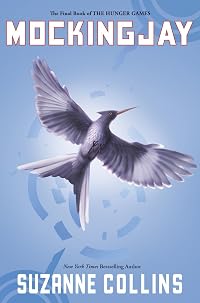
On This Page
Description
Katniss Everdeen's having survived the Hunger games twice makes her a target of the Capitol and President Snow, as well as a hero to the rebels who will succeed only if Katniss is willing to put aside her personal feelings and serve as their pawn.Tags
Recommendations
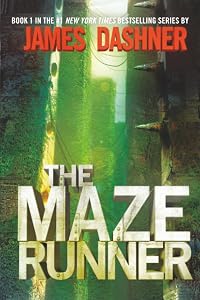
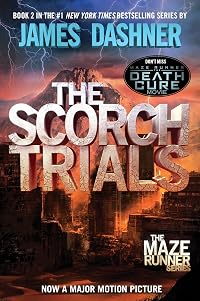
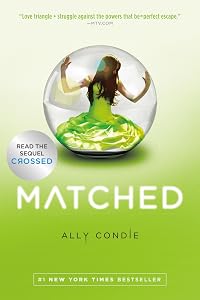
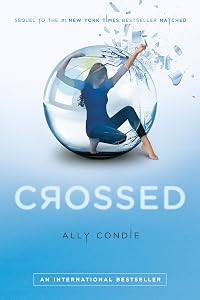



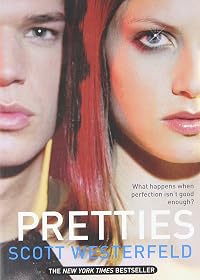
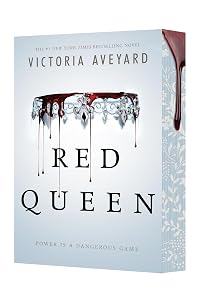
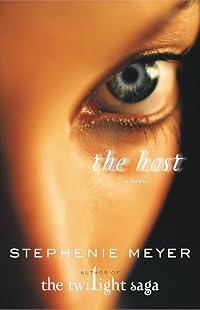
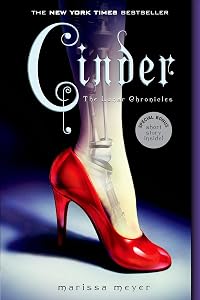
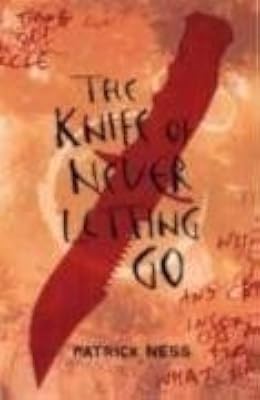
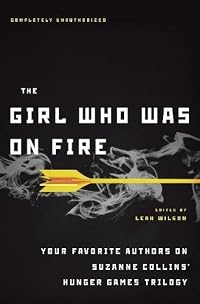

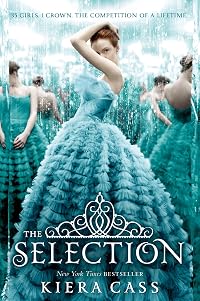
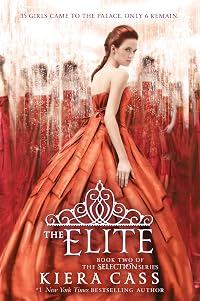
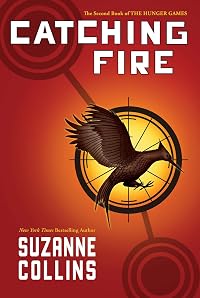
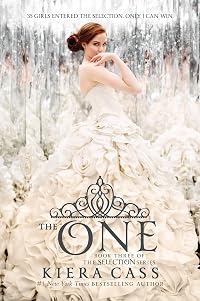
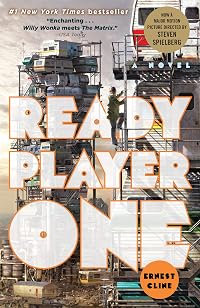
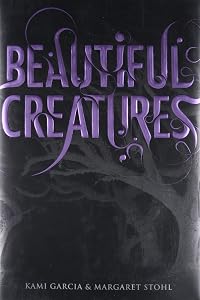
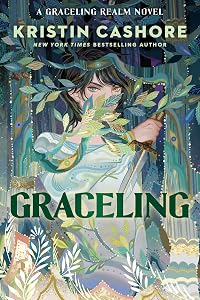
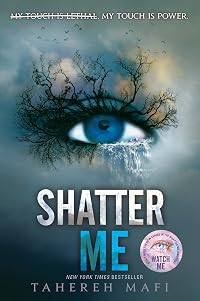
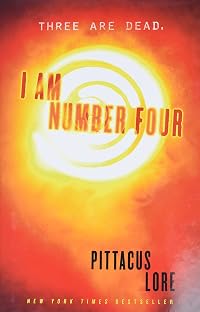
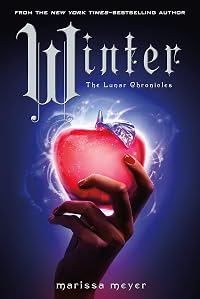
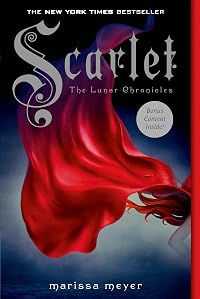

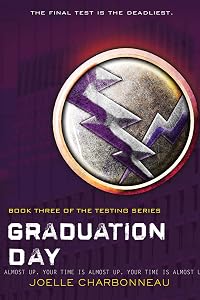
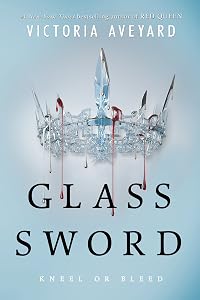
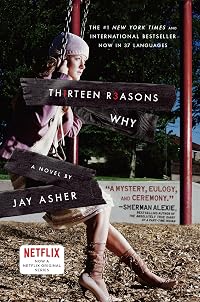
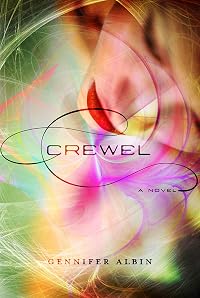
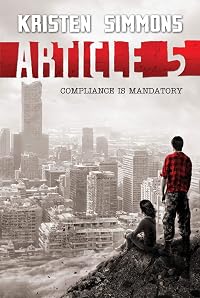
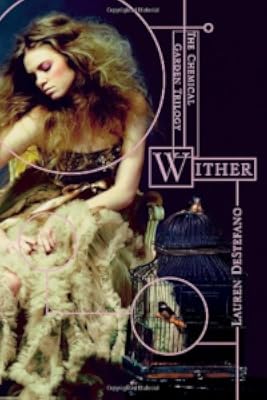
Member Recommendations
zimzimzoo The Hunger Games and Tomorrow, When the War Began have the same kind of feel - technically they're Science Fiction novels, but they feel more like survival stories with a bit of romance mixed in. I highly recommend both series.
161

Othemts Both books tell of the torment of a revolutionary used and abused by both sides in the battle and finally broken in their humanity.
20

magelet87 Ultimate Girl Power about a girl who wants to change her place in the world and think for herself and make her own opinions on how things should be. And change them.
20
aethercowboy The rebel assault in Mockingjay is very reminiscent of the Strugatsky bros. book.
Member Reviews
Okay, I have a LOT I want to talk about. I don't know if I'll manage to fit everything I want to say into this review, so I'll just try my best.
I honestly believe this is an extremely over-hated book. I'm not going to say that it's perfect or that it's even the best book in the series, but there's a lot about it that I absolutely fucking love.
I'll start by talking about some of my complaints. One of the weakest aspects of this trilogy is the pacing. Once again, the pacing here is not that great. The long, drawn-out stay in District 13 could have been significantly abbreviated. I'm not saying the characters should have stayed there for a shorter period of time; I'm saying that quite a bit of material could have been cut out to make that show more section of the story flow better.
Another one of my complaints is the massive focus on propaganda shooting under Plutarch Heavensbee. I know a lot of this franchise focuses on putting on a face for the rest of Panem; however, in the first two books, Katniss and Peeta had to do that to survive. Now, they're doing it to give morale to the rebellion. I know these propaganda shots may have helped the war, but there is still a sense of artificialness to the sections involving them, even when the shootings are unscripted. They don't feel real or exciting. They feel hollow, and that is something I do not often accuse these books of being.
Let's move on to what I love about this novel. I have stated that things take quite some time to get moving in this story. However, when they do get moving, oh boy. This becomes an intense, action-packed, and thrilling finale to the series. The final third of this story simply does not relent. It is wild, and I love it.
In addition, I love how much gray area there is in this book when it comes to morality. At first, it seems that you're supposed to root for everyone in the rebellion because of how evil the Capitol is. However, as the story progresses, and you notice the rebellion doing more and more fucked up shit, you start to wonder if Coin as the new leader of Panem would be just as bad, if not worse, than President Snow and the Capitol. Katniss's ambivalence towards the cause only makes her more likable and relatable. Her final kill being Coin instead of Snow is the perfect decision on Collins' part.
Lastly, this book makes me realize how much this series means to me and how entranced I am by it. I've always loved this franchise, but I'm only now starting to realize how enraptured I've become by it. While it has a lot of problems, there's something uniquely attractive about it. It is one of the darkest and most depressing stories ever made. It's not only dark because of all the trauma, death, and destruction Katniss and Peeta have faced over the years, but it's also dark because of the psychological torture they've been put through. By the end of the story, both of them have almost lost the will to live. They've given everything they have to improve the future generations of Panem, resulting in them turning into hollow shells of themselves. Katniss is constantly drugged up, wandering around from place to place, barely doing anything. It's extremely sad. However, Katniss and Peeta do manage to eventually pull themselves back together and slowly start rebuilding their lives. The last 10 pages are probably my favorite ending to any book series I've ever read in my life. They perfectly capture that tragic yet beautiful theme that this trilogy has adopted. Things will never be the same for any of these characters. They're left with physical and mental scars that will last the rest of their lives, but they try to keep themselves going for the sake of everyone else. It is very poetic, and it leaves me emotionally overwhelmed every single time.
So, yeah. I'm not saying these books are perfect, but they have given me emotions no other media franchise could possibly replicate. For that, they will always have a special place in my heart, and Suzanne Collins will always be an admirable figure to me. show less
I honestly believe this is an extremely over-hated book. I'm not going to say that it's perfect or that it's even the best book in the series, but there's a lot about it that I absolutely fucking love.
I'll start by talking about some of my complaints. One of the weakest aspects of this trilogy is the pacing. Once again, the pacing here is not that great. The long, drawn-out stay in District 13 could have been significantly abbreviated. I'm not saying the characters should have stayed there for a shorter period of time; I'm saying that quite a bit of material could have been cut out to make that show more section of the story flow better.
Another one of my complaints is the massive focus on propaganda shooting under Plutarch Heavensbee. I know a lot of this franchise focuses on putting on a face for the rest of Panem; however, in the first two books, Katniss and Peeta had to do that to survive. Now, they're doing it to give morale to the rebellion. I know these propaganda shots may have helped the war, but there is still a sense of artificialness to the sections involving them, even when the shootings are unscripted. They don't feel real or exciting. They feel hollow, and that is something I do not often accuse these books of being.
Let's move on to what I love about this novel. I have stated that things take quite some time to get moving in this story. However, when they do get moving, oh boy. This becomes an intense, action-packed, and thrilling finale to the series. The final third of this story simply does not relent. It is wild, and I love it.
In addition, I love how much gray area there is in this book when it comes to morality. At first, it seems that you're supposed to root for everyone in the rebellion because of how evil the Capitol is. However, as the story progresses, and you notice the rebellion doing more and more fucked up shit, you start to wonder if Coin as the new leader of Panem would be just as bad, if not worse, than President Snow and the Capitol. Katniss's ambivalence towards the cause only makes her more likable and relatable. Her final kill being Coin instead of Snow is the perfect decision on Collins' part.
Lastly, this book makes me realize how much this series means to me and how entranced I am by it. I've always loved this franchise, but I'm only now starting to realize how enraptured I've become by it. While it has a lot of problems, there's something uniquely attractive about it. It is one of the darkest and most depressing stories ever made. It's not only dark because of all the trauma, death, and destruction Katniss and Peeta have faced over the years, but it's also dark because of the psychological torture they've been put through. By the end of the story, both of them have almost lost the will to live. They've given everything they have to improve the future generations of Panem, resulting in them turning into hollow shells of themselves. Katniss is constantly drugged up, wandering around from place to place, barely doing anything. It's extremely sad. However, Katniss and Peeta do manage to eventually pull themselves back together and slowly start rebuilding their lives. The last 10 pages are probably my favorite ending to any book series I've ever read in my life. They perfectly capture that tragic yet beautiful theme that this trilogy has adopted. Things will never be the same for any of these characters. They're left with physical and mental scars that will last the rest of their lives, but they try to keep themselves going for the sake of everyone else. It is very poetic, and it leaves me emotionally overwhelmed every single time.
So, yeah. I'm not saying these books are perfect, but they have given me emotions no other media franchise could possibly replicate. For that, they will always have a special place in my heart, and Suzanne Collins will always be an admirable figure to me. show less
'Mockingjay' is the final volume of the trilogy, and seems to have garnered even more controversy than the first. I have had many friends encouraging me not to read it -- to let the first two pieces stand alone -- because, they said, the third book "ruined" it.
I find, after reading all three in one long sweep of a day, that I must respectfully disagree.
It isn't a perfect book -- the writing is still flawed, the pacing still hectic -- but, in terms of story, there was no other way for this trilogy to end. Given all that Collins set up in the first two books -- the violent dystopic society, the trauma visited upon the District children, the complex and mysterious movement to end the slavery of that existence -- the conclusion had to end show more up in war and tragedy. And it does -- a war that is both repellently violent and intensely psychological, in which manipulations on both sides reach a pitch that revolts the reader and, eventually, the narrator herself. I will not reveal the details here, but Katniss' situation throughout this novel is not the cheerful reward that many readers would have been rooting for, so I understand why many were disappointed. This is a hard vision of a potential future, and as such, it does not fall back on easy definitions of good and evil the way many science fiction and fantasy books -- especially YA -- do.
In fact, the way Collins has built the complexity of this situation is truly remarkable. Looking back from this vantage point makes the first book seem downright simple. The second volume caused our feet to fly out from under us. But it is in this third and final book that we are shown exactly how complicated things are, both for the fictional world we read and for our own. Make no mistake -- this entire series, and especially this book, is an indictment of the horrors of humanity, especially the inhumanity of developed nations (and yes, Collins means the United States in particular). Our own callous indifference to the suffering that allows us to lead lives of luxury, the willingness of our bureaucracies to change any rule to benefit themselves (ourselves), the atrocities that we will commit in the name of country in order to preserve our own power and security -- all these things are laid bare by the novel's representations of society, war, and in the specific characterizations of key figures that surround Katniss.
The personal tragedies that result from all this targeted chaos are wholly wrenching. They should be. Katniss and her loved ones are participants in this drama but they, like many individuals in the real world, are also victims of it. Every reader wishes that our favorites could simply ride off into a happily ever after -- but that isn't how it works. Not really. Not with all that has happened. And so we are given examples of what war does to individuals, to families -- reminders that such violent upheavals always have fallout, that consequences are often dire.
And we weep. As we must. There is a moment near the end of this novel, in particular, that made me sob like a child. It will live in my memory alongside a few similar moments of literary catharsis: the red fern, Dumbledore's funeral, and now, Buttercup the cat. These are not moments remarkable for their descriptive skill or their writerly craftsmanship, but rather for their pure emotional power. That passage will remain in my mind until age begins to erase who I am, and each time I think of it, I will remember the message of this series. I will think about the tragedy that humanity could be. And I will be warned. show less
I find, after reading all three in one long sweep of a day, that I must respectfully disagree.
It isn't a perfect book -- the writing is still flawed, the pacing still hectic -- but, in terms of story, there was no other way for this trilogy to end. Given all that Collins set up in the first two books -- the violent dystopic society, the trauma visited upon the District children, the complex and mysterious movement to end the slavery of that existence -- the conclusion had to end show more up in war and tragedy. And it does -- a war that is both repellently violent and intensely psychological, in which manipulations on both sides reach a pitch that revolts the reader and, eventually, the narrator herself. I will not reveal the details here, but Katniss' situation throughout this novel is not the cheerful reward that many readers would have been rooting for, so I understand why many were disappointed. This is a hard vision of a potential future, and as such, it does not fall back on easy definitions of good and evil the way many science fiction and fantasy books -- especially YA -- do.
In fact, the way Collins has built the complexity of this situation is truly remarkable. Looking back from this vantage point makes the first book seem downright simple. The second volume caused our feet to fly out from under us. But it is in this third and final book that we are shown exactly how complicated things are, both for the fictional world we read and for our own. Make no mistake -- this entire series, and especially this book, is an indictment of the horrors of humanity, especially the inhumanity of developed nations (and yes, Collins means the United States in particular). Our own callous indifference to the suffering that allows us to lead lives of luxury, the willingness of our bureaucracies to change any rule to benefit themselves (ourselves), the atrocities that we will commit in the name of country in order to preserve our own power and security -- all these things are laid bare by the novel's representations of society, war, and in the specific characterizations of key figures that surround Katniss.
The personal tragedies that result from all this targeted chaos are wholly wrenching. They should be. Katniss and her loved ones are participants in this drama but they, like many individuals in the real world, are also victims of it. Every reader wishes that our favorites could simply ride off into a happily ever after -- but that isn't how it works. Not really. Not with all that has happened. And so we are given examples of what war does to individuals, to families -- reminders that such violent upheavals always have fallout, that consequences are often dire.
And we weep. As we must. There is a moment near the end of this novel, in particular, that made me sob like a child. It will live in my memory alongside a few similar moments of literary catharsis: the red fern, Dumbledore's funeral, and now, Buttercup the cat. These are not moments remarkable for their descriptive skill or their writerly craftsmanship, but rather for their pure emotional power. That passage will remain in my mind until age begins to erase who I am, and each time I think of it, I will remember the message of this series. I will think about the tragedy that humanity could be. And I will be warned. show less
**Some spoilers below**
If I could rate this any higher, I would.
When I finished the book, I remembered the reason why I couldn't bring myself to read it in the first place. I knew that it was going to be hard. Not just because of a character dying, but because they all felt like friends. Friends whom I had come to know and love, and then, in the blink of an eye, I felt like I had lost them, even though I know that they will be there the second I pick the books up again. It also felt as if the world stopped. The End. For a second, I just couldn't believe it was over.
This was just one of those books that I was so involved in, that it hurt all the same, even though I knew that it probably would in the first place. I haven't read a book in show more a while where I actually felt as if I was there. To be so involved, that I felt as if I was there, fighting with Katniss and Thirteen. There when Prim died. There when Buttercup appeared, and Buttercup and Katniss consoled one another after Prim's death. Where Peeta and Katniss's children are playing on the graveyard of those who didn't survive the bombing.
Even though knowing that I would get my heart broken again in an instant, I would read the book series again. show less
If I could rate this any higher, I would.
When I finished the book, I remembered the reason why I couldn't bring myself to read it in the first place. I knew that it was going to be hard. Not just because of a character dying, but because they all felt like friends. Friends whom I had come to know and love, and then, in the blink of an eye, I felt like I had lost them, even though I know that they will be there the second I pick the books up again. It also felt as if the world stopped. The End. For a second, I just couldn't believe it was over.
This was just one of those books that I was so involved in, that it hurt all the same, even though I knew that it probably would in the first place. I haven't read a book in show more a while where I actually felt as if I was there. To be so involved, that I felt as if I was there, fighting with Katniss and Thirteen. There when Prim died. There when Buttercup appeared, and Buttercup and Katniss consoled one another after Prim's death. Where Peeta and Katniss's children are playing on the graveyard of those who didn't survive the bombing.
Even though knowing that I would get my heart broken again in an instant, I would read the book series again. show less
[possible spoiler ahead, but not really]
It's about trauma much more than it's about winning the war. Throughout the book, I kept thinking that the outcomes of situations, and of the book as a whole, were inevitable. And even though she kept surprising me at every turn, I never learned my lesson. Right up until the end, I was still expecting the obvious Hollywood happy ending - the "happily ever after" to finally release the tension built by three books of building horrors. Instead, it is brutally honest. There's closure, and I won't say whether or not it's a happy ending, but Collins doesn't let the reader off the hook. You don't get to just forget about The Hunger Games after you're done.
It's about trauma much more than it's about winning the war. Throughout the book, I kept thinking that the outcomes of situations, and of the book as a whole, were inevitable. And even though she kept surprising me at every turn, I never learned my lesson. Right up until the end, I was still expecting the obvious Hollywood happy ending - the "happily ever after" to finally release the tension built by three books of building horrors. Instead, it is brutally honest. There's closure, and I won't say whether or not it's a happy ending, but Collins doesn't let the reader off the hook. You don't get to just forget about The Hunger Games after you're done.
The last entry in the Hunger Games trilogy, Mockingjay left me with a bittersweet feeling. I loved this series and am disappointed that it is over, yet, I liked how it ended and was glad to have closure.
Katniss the heroine of all three books came across as a very real person. Not always likeable, appearing rather detached and cold, allowing only a very few inside her defences, nevertheless, we are given occasional glimpses into the passion and love that drives her and learn to care for and admire her. She always was true to herself and that kept her character real and authentic throughout the trilogy.
As the rebellion becomes a full blown war, we are in turns horrified and heartbroken. Although Katniss allows herself to be used as a show more figurehead, she still is breaking rules. We realize that there are no true “good or bad guys”, everyone has their own agenda. The author holds nothing back, she shows us that war is not a game, the deaths are real, people that we care about are killed, maimed and left broken.
*** SPOILER ALERT ***
The love story is still intriguing. Katniss has choices to make and eventually she does. I can see some would be a little disappointed in the ending, hoping that Katniss would overcome her inner demons and grow in the powerful, independent woman we can all see inside her. Instead the author chooses to show her withdrawing to a quieter, contemplative life. I thought this was another way that the author showed that war doesn’t always lead to an exciting victory, instead, the best outcome can often be simple - Peace.
Mockingjay for me was the perfect ending to a great story. I don’t know where the author is going next, but I will gladly follow. show less
Katniss the heroine of all three books came across as a very real person. Not always likeable, appearing rather detached and cold, allowing only a very few inside her defences, nevertheless, we are given occasional glimpses into the passion and love that drives her and learn to care for and admire her. She always was true to herself and that kept her character real and authentic throughout the trilogy.
As the rebellion becomes a full blown war, we are in turns horrified and heartbroken. Although Katniss allows herself to be used as a show more figurehead, she still is breaking rules. We realize that there are no true “good or bad guys”, everyone has their own agenda. The author holds nothing back, she shows us that war is not a game, the deaths are real, people that we care about are killed, maimed and left broken.
*** SPOILER ALERT ***
The love story is still intriguing. Katniss has choices to make and eventually she does. I can see some would be a little disappointed in the ending, hoping that Katniss would overcome her inner demons and grow in the powerful, independent woman we can all see inside her. Instead the author chooses to show her withdrawing to a quieter, contemplative life. I thought this was another way that the author showed that war doesn’t always lead to an exciting victory, instead, the best outcome can often be simple - Peace.
Mockingjay for me was the perfect ending to a great story. I don’t know where the author is going next, but I will gladly follow. show less
The poet Shaemas O'Sheel once wrote: "He whom a dream hath possessed knoweth no more of doubting." This dream-possessed soul, it later transpires, also knoweth no more of sorrow, and views "the ruin of worlds that fall... from eternal arches." Useful things, these dreams. I suspect that O'Sheel meant all of this heroically, although given the fact that he was a communist who was critical of Soviet foreign policy (resulting in many communist publications refusing to print his work), I may perhaps be doing him an injustice. In any case, it has always seemed to me, when pondering these lines, that the person who knows nothing of doubting must either be something of a fool, or an individual whom it would be extremely unwise to trust. It may show more come as a surprise, given how strongly I express myself at times, but I often feel that all I have is doubt. Questions. Uncertainty. Internal debate.
I kept thinking of O'Sheel's poem, as I read this third installment of Suzanne Collins' brilliant dystopian trilogy, The Hunger Games, because it suddenly seemed to me that what I was looking at was the narrative of a dream. A beautiful, alluring dream, in which present injustice and brutality - as horrifically oppressive as it is possible to get, with humanity's penchant for cruelty, and tendency toward self-destruction, put on display, and made into a kind of grotesque entertainment - might give way to a better future. A dream, as necessary as breathing, that change is possible, and that we can make it happen. That we will find a way to organize ourselves, as a society, in a way which does not cause egregious harm. That those who do wrong will be brought to justice, and those who need help will find it. That redemption can be had, love can triumph, and healing can occur. That battles can be fought and won, and stay fought and won. Don't we all - and not just in reading this book, but in our own lives and world - have that dream?
Dreams make life possible. But like all negotiations of power, they can also be very dangerous: they can change shape, turn in unexpected directions, and transform the dreamer. And in watching the way the dream of a new Panem, one in which the Capitol no longer dominates the Districts, plays out in Mockingjay; how different characters react to it, how (and how much) they believe in it, and what they're willing (or unwilling) to do to make it happen - in short, to what extent they are possessed by it - it occurred to me that, while this is undoubtedly the story of terrible injustice and oppression, and the rebellion against it, it is so much more. It is the story of those who do and don't believe, those who are willing to do anything to achieve their end, and those who have qualms. It is the story of those who are sure, and those who have doubts. Most of all, it is the story Katniss, a flawed adolescent who's seen and done too much, who's barely keeping it together, in the face of forces well beyond her control. Katniss, who is, down to her very bones, a doubter...
Katniss isn't possessed of a dream, and Collins doesn't offer any easy answers. In fact, she doesn't offer answers at all, and that, I suspect, is the real reason for all of these angry reviews I've been reading today, in which disappointed fans lambaste the author for not writing the story they wanted to read. For not having Katniss choose the mate they would have preferred, or recover fully from the unforgettable brutality she has seen. For not tying everything together neatly with a bow, and reassuring readers that, for those who have come through unimaginable suffering, and have made unimaginable sacrifices, the dream will be achieved. That many of these irate fans know that such is not how the world - this or any other - works, is irrelevant (although it's certainly interesting to see how many of them mention that Collins' ending was realistic, before going on to explain how much they hated it). The point is, they want to be possessed of that dream, to be removed from all doubt, and lifted above sorrow. Unfortunately for them, that isn't what Collins is offering. For that, I thank her from the bottom of my own doubter's heart. show less
I kept thinking of O'Sheel's poem, as I read this third installment of Suzanne Collins' brilliant dystopian trilogy, The Hunger Games, because it suddenly seemed to me that what I was looking at was the narrative of a dream. A beautiful, alluring dream, in which present injustice and brutality - as horrifically oppressive as it is possible to get, with humanity's penchant for cruelty, and tendency toward self-destruction, put on display, and made into a kind of grotesque entertainment - might give way to a better future. A dream, as necessary as breathing, that change is possible, and that we can make it happen. That we will find a way to organize ourselves, as a society, in a way which does not cause egregious harm. That those who do wrong will be brought to justice, and those who need help will find it. That redemption can be had, love can triumph, and healing can occur. That battles can be fought and won, and stay fought and won. Don't we all - and not just in reading this book, but in our own lives and world - have that dream?
Dreams make life possible. But like all negotiations of power, they can also be very dangerous: they can change shape, turn in unexpected directions, and transform the dreamer. And in watching the way the dream of a new Panem, one in which the Capitol no longer dominates the Districts, plays out in Mockingjay; how different characters react to it, how (and how much) they believe in it, and what they're willing (or unwilling) to do to make it happen - in short, to what extent they are possessed by it - it occurred to me that, while this is undoubtedly the story of terrible injustice and oppression, and the rebellion against it, it is so much more. It is the story of those who do and don't believe, those who are willing to do anything to achieve their end, and those who have qualms. It is the story of those who are sure, and those who have doubts. Most of all, it is the story Katniss, a flawed adolescent who's seen and done too much, who's barely keeping it together, in the face of forces well beyond her control. Katniss, who is, down to her very bones, a doubter...
Katniss isn't possessed of a dream, and Collins doesn't offer any easy answers. In fact, she doesn't offer answers at all, and that, I suspect, is the real reason for all of these angry reviews I've been reading today, in which disappointed fans lambaste the author for not writing the story they wanted to read. For not having Katniss choose the mate they would have preferred, or recover fully from the unforgettable brutality she has seen. For not tying everything together neatly with a bow, and reassuring readers that, for those who have come through unimaginable suffering, and have made unimaginable sacrifices, the dream will be achieved. That many of these irate fans know that such is not how the world - this or any other - works, is irrelevant (although it's certainly interesting to see how many of them mention that Collins' ending was realistic, before going on to explain how much they hated it). The point is, they want to be possessed of that dream, to be removed from all doubt, and lifted above sorrow. Unfortunately for them, that isn't what Collins is offering. For that, I thank her from the bottom of my own doubter's heart. show less
The final installment in Suzanne Collins’ “Hunger Games” trilogy is even darker than the first two. Having survived two Hunger Games, Katniss Everdeen has become the inspirational symbol for the rebellion. But this isn’t a role that she necessarily embraces: while she hates President Snow and his Capital regime, she is also appropriately uneasy with the District 13 leaders who are directing the rebellion. The refrain from John Cage’s Song Book—“The best form of government is no government at all”—seems apt in post-Quarter Quell Panem.
The book is extremely violent, and the violence is much more personal than that in the first two in the series, for several reason. First, the violence impacts characters we have come to show more know well. Second, here the violent acts often have protracted, lingering effects, most centrally with Peeta, whose ability to distinguish reality is greatly diminished by the tracker-jacker hijacking of his brain. Finally, where the violence in “Hunger Games” and “Catching Fire” largely take place in the setting of the games, which, at least at some level one can dismiss as implausible, in “Mockingjay” the violence is violence of war. Yes, it’s war involving futuristic, science-fiction weapons, but it’s war nonetheless, and war is real. Moreover, the confusion of war, and notably, Katniss’ difficulty in determining who is ultimately responsible for each violent, awful action, is convincing and profoundly disturbing.
In places Collins works too hard to explain herself, reminding the reader that this is a young adult novel. But in general, one gets lost in her carefully constructed world, and emerges spent. It’s a powerful ending to a surprisingly good set of novels. show less
The book is extremely violent, and the violence is much more personal than that in the first two in the series, for several reason. First, the violence impacts characters we have come to show more know well. Second, here the violent acts often have protracted, lingering effects, most centrally with Peeta, whose ability to distinguish reality is greatly diminished by the tracker-jacker hijacking of his brain. Finally, where the violence in “Hunger Games” and “Catching Fire” largely take place in the setting of the games, which, at least at some level one can dismiss as implausible, in “Mockingjay” the violence is violence of war. Yes, it’s war involving futuristic, science-fiction weapons, but it’s war nonetheless, and war is real. Moreover, the confusion of war, and notably, Katniss’ difficulty in determining who is ultimately responsible for each violent, awful action, is convincing and profoundly disturbing.
In places Collins works too hard to explain herself, reminding the reader that this is a young adult novel. But in general, one gets lost in her carefully constructed world, and emerges spent. It’s a powerful ending to a surprisingly good set of novels. show less
Members
- Recently Added By
Published Reviews
ThingScore 100
Collins is absolutely ruthless in her depictions of war in all its cruelty, violence, and loss, leaving readers, in turn, repulsed, shocked, grieving and, finally, hopeful for the characters they've grown to empathize with and love. Mockingjay is a fitting end to the series that began with The Hunger Games (2008) and Catching Fire (2009) and will have the same lasting resonance as William show more Golding's Lord of the Flies and Stephen King's The Stand. However, the book is not a stand-alone; readers do need to be familiar with the first two titles in order to appreciate the events and characters in this one. show less
added by sduff222
All in all, Mockingjay confirms what we've suspected already — The Hunger Games isn't just a powerful saga about a unique, memorable hero struggling to do the right thing in the public gaze. It's also an important work of science fiction that everyone should read, because if you don't, you'll be left out of all the best conversations.
added by stephmo
The novel's biggest surprises are found elsewhere. Hope emerges from despair. Even in a dystopian future, there's a better future.
added by stephmo
Lists

Best Dystopias
280 works; 276 members

Best Science Fiction Novels
816 works; 426 members

Best Young Adult
399 works; 101 members

Read the book and saw the movie
1,170 works; 195 members

Best Post-Apocalyptic Stories
143 works; 88 members

Favorite Science Fiction by Women Authors
737 works; 196 members

Books That Made Me Cry
199 works; 105 members

NPRs your favorites: 100 Best Ever Teen Novels
237 works; 49 members

Dystopian and Apocalyptic Literature
350 works; 74 members

SLJ's 100 Must-Have YA books
36 works; 2 members

Female Protagonist
1,056 works; 57 members
Female Author
1,235 works; 67 members

An End of the World Reading List
63 works; 4 members

Most Popular Young Adult Lit on LT
100 works; 4 members

Most popular YA Fiction in Charles City
25 works; 1 member

Leseliste
21 works; 1 member

Speculative Fiction to Read
706 works; 32 members

Movie Adaptations
111 works; 4 members

Overdue Podcast
806 works; 9 members

Books Read in 2010
631 works; 10 members
Best Fantasy Novels
821 works; 358 members

Books Read in 2023
5,547 works; 145 members

Young Adult Books Ranked
12 works; 1 member

H
177 works; 2 members
Books We Couldn't Put Down
443 works; 197 members

Books That Made Us Cry
278 works; 145 members

Books Read in 2025
4,091 works; 97 members

Elaina's
183 works; 1 member

Read in 2011
81 works; 1 member

Books on my Kindle
162 works; 3 members

Allie's List of Books I Want To Read
93 works; 1 member
Books Read in 2011
684 works; 20 members

Books Read in 2017
4,249 works; 129 members

Biggest Disappointments
606 works; 168 members

Books Read in 2016
4,666 works; 199 members
Books Read in 2015
3,299 works; 127 members
Put a Bird On It
75 works; 12 members

Books About Girls
219 works; 17 members

Books Read in 2013
1,630 works; 51 members
Books tagged favorites
390 works; 30 members

Books Read in 2012
816 works; 34 members

Favorite Kids Books (chapter, middle grade)
168 works; 4 members
Talk Discussions
Past Discussions
Mockingjay discussion -- includes *SPOILERS* in Hogwarts Express (February 2012)
Author Information

Suzanne Collins was born on August 10, 1962. She was born in Hartford, Connecticut and graduated from Indiana University with a double major in Drama and Telecommunications. Collins went on to receive an M.F.A. from New York University in dramatic writing. Since 1991, she has been a writer for children's television shows. She has worked on the show more staffs of several shows including Clarissa Explains it All, The Mystery Files of Shelby Woo, Little Bear and Oswald. She also co-wrote the Rankin/Bass Christmas special, Santa, Baby! and was the head writer for Scholastic Entertainment's Clifford's Puppy Days. Her books include When Charlie McButton Lost Power, The Underland Chronicles, and the Hunger Games Trilogy. Book one of this trilogy, The Hunger Games, became a major motion picture in 2012 with Oscar-winning actress Jennifer Lawrence portraying the main character of Katniss Everdeen. Catching Fire, book 2 of the trilogy, became a major motion picture in 2013. Mockingjay - Part One was released as a film in 2014 and Part Two in 2015. (Bowker Author Biography) show less
Some Editions
Awards and Honors
Awards
Distinctions
Series

Belongs to Publisher Series
Via Láctea (102)
Work Relationships
Is contained in
Has the adaptation
Is parodied in
Has as a study
Has as a supplement
Has as a commentary on the text
Has as a student's study guide
Has as a teacher's guide
Common Knowledge
- Canonical title
- Mockingjay
- Original title
- Mockingjay
- Original publication date
- 2010-08-24
- People/Characters
- Katniss Everdeen; Peeta Mellark; Gale Hawthorne; Primrose Everdeen; Coriolanus Snow; Alma Coin (show all 39); Haymitch Abernathy; Finnick Odair; Plutarch Heavensbee; Beetee Latier; Johanna Mason; Annie Cresta; Buttercup; Dalton; Fulvia Cardew; Caesar Flickerman; Boggs; Enobaria; Flavius; Octavia; Venia; Leevy; Posy Hawthorne; Hazelle Hawthorne; Paylor; Cressida; Messalla; Castor; Pollux; Delly Cartwright; Lyme; Greasy Sae; York; Leeg 1; Leeg 2; Mitchell; Homes; Jackson; Asterid Everdeen
- Important places
- Panem; District 12; District 13; The Capitol; District 8; District 2 (show all 8); Victor's Village, District 12; The Nut, District 2
- Related movies
- The Hunger Games: Mockingjay - Part 1 (2014 | IMDb); The Hunger Games: Mockingjay - Part 2 (2015 | IMDb)
- Dedication
- For Cap, Charlie, and Isabel
- First words
- I stare down at my shoes, watching as a fine layer of ash settles on the worn leather.
- Quotations
- My arms rise slightly - as if recalling the black-and-white wings Cinna gave me - then come to rest at my sides. "I'm going to be the Mockingjay."
He understands I don't want anyone with me today. Not even him. Some walks you have to take alone.
And it takes too much energy to stay angry with someone who cries so much.
"No, I want you to rethink it and come up with the right opinion," I tell him.
Frankly, our ancestors don't seem much to brag about. I mean, look at the state they left us in, with the wars and the broken planet. Clearly, they didn't care about what would happen to the people who came after them.
"Fire is catching!" I am shouting now, determined that he will not miss a word. "And if we burn, you burn with us!"
"Better not to give in to it. It takes ten times as long to put yourself back together as it does to fall apart."
"Panem et Circenses translates into 'Bread and Circuses.' The writer was saying that in return for full bellies and entertainment, his people had given up their political responsibilities and therefore their power.
Because something is significantly wrong with a creature that sacrifices its children's lives to settle its differences.
But collective thinking is usually short-lived. We're fickle, stupid beings with poor memories and a great gift for self-destruction.
That what I need to survive is not Gale's fire, kindled with rage and hatred. I have plenty of fire myself. What I need is the dandelion in the spring. The bright yellow that means rebirth instead of destruction. The promise ... (show all)that life can go on, no matter how bad our losses. That it can be good again. And only Peeta can give me that.
If we burn, you burn with us. - Last words
- (Click to show. Warning: May contain spoilers.)But there are much worse games to play.
- Publisher's editor
- Egan, Kate; Rees, Jen; Levithan, David
- Original language
- American English
- Canonical DDC/MDS
- 813.6
- Canonical LCC
- PZ7.C6837
Classifications
- Genres
- Young Adult, Teen, Fiction and Literature, Science Fiction
- DDC/MDS
- 813.6 — Literature & rhetoric American literature in English American fiction in English 2000-
- LCC
- PZ7 .C6837 — Language and Literature Fiction and juvenile belles lettres Fiction and juvenile belles lettres Juvenile belles lettres
- BISAC
Statistics
- Members
- 55,094
- Popularity
- 29
- Reviews
- 1,854
- Rating
- (3.92)
- Languages
- 35 — Arabic, Basque, Bosnian, Catalan, Chinese, Czech, Danish, Dutch, English, Estonian, Finnish, French, German, Greek, Hebrew, Hungarian, Indonesian, Italian, Japanese, Korean, Latvian, Lithuanian, Norwegian (Bokmål), Norwegian, Polish, Portuguese, Romanian, Russian, Serbian, Slovak, Spanish, Swedish, Thai, Turkish, Ukrainian
- Media
- Paper, Audiobook, Ebook
- ISBNs
- 220
- UPCs
- 1
- ASINs
- 89
