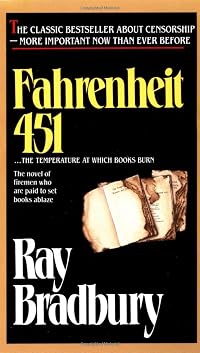
Fahrenheit 451
by Ray Bradbury, Zerrin Kayalioglu
There is 1 current discussion about this work.
On This Page
Description
The system was simple. Everyone understood it. Books were for burning, along with the houses in which they were hidden. Guy Montag was a fireman whose job it was to start fires, and he enjoys his job. He had been a fireman for ten years, and never questioned the pleasure of the midnight runs nor the joy of watching pages consumed by flames. He never questioned anything until he met a seventeen-year-old girl who told him of a past when people were not afraid and a professor who told him of a show more future in which people could think. Guy Montag suddenly realized what he had to do. show lessTags
Recommendations
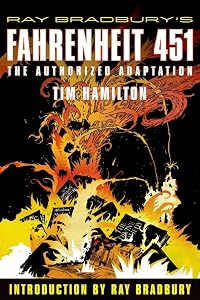


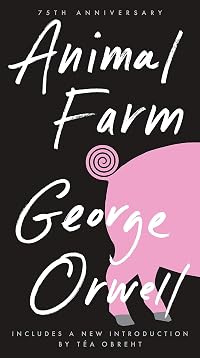
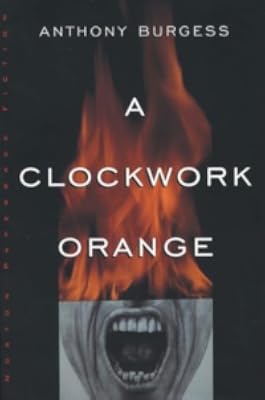

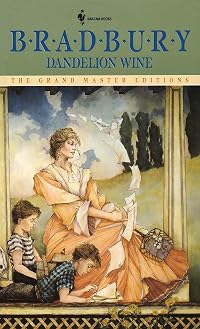
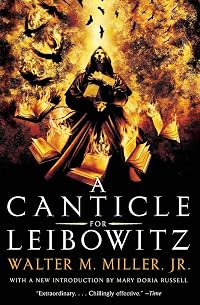
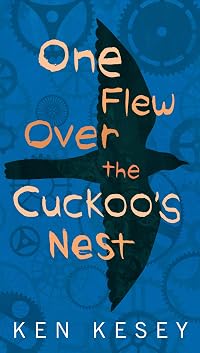
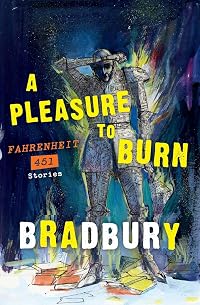
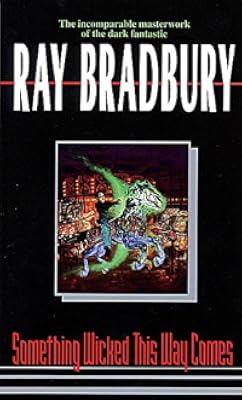
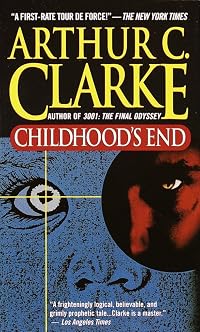
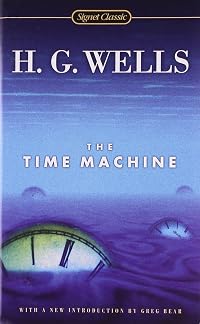
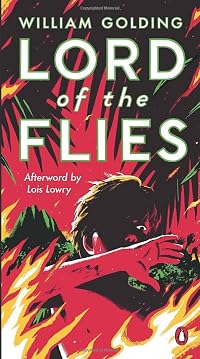
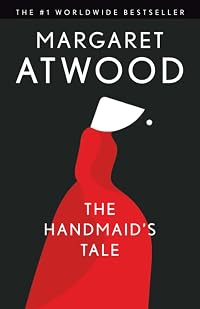
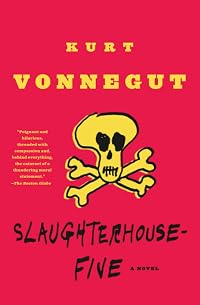
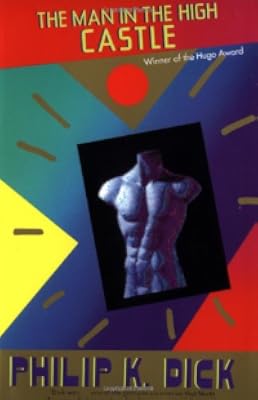
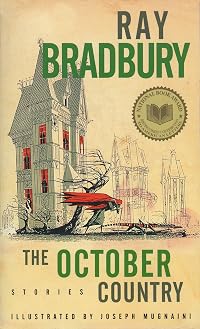

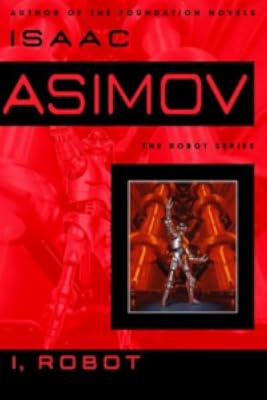

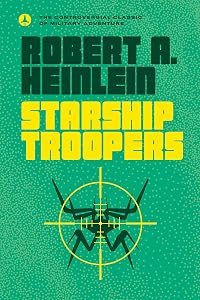



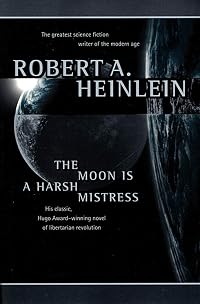
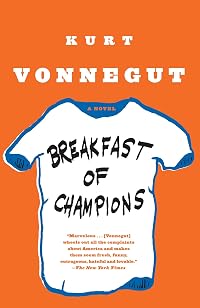
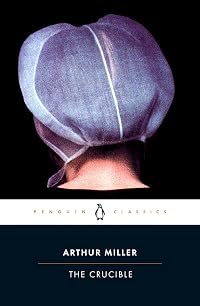
Member Recommendations
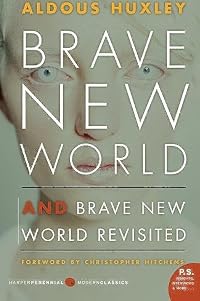
readafew Both books are about keeping the people in control and ignorant.
BookshelfMonstrosity A man's romance-inspired defiance of menacing, repressive governments in bleak futures are the themes of these compelling novels. Control of language and monitors that both broadcast to and spy on people are key motifs. Both are dramatic, haunting, and thought-provoking.
1123
Babou_wk Contre-utopie, société future où l'unique but de la vie est le bonheur. Toute pratique requérant de la réflexion est bannie.
812
grizzly.anderson A great study of how Bradbury came to write Fahrenheit 451 as a progress through his own short stories, letters and drafts. A similar collection of stories but without some of the other material is also available as "A Pleasure To Burn"
192
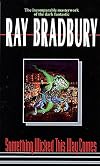
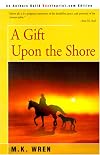
lquilter "A Gift Upon the Shore" is a post-apocalyptic world; some people seek to preserve books and knowledge, but they are seen as a danger to others. Beautifully written.
62
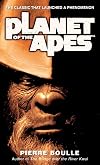
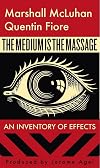



joannasephine There's something about the world-view of these two books that's very compatible.
842

Member Reviews
I first picked this up at 18 and was so bored I took it back to the library. I had been reading classics voraciously that summer along with PBS's The Great American Read program, and thought this would be an easy thing to tick off the list. Oops. I picked it up again at 23 and understood immediately why I'd returned it. But I continued on, and I'm proud of myself, but... Ugh.
So... I think I'm too old for this. I have a feeling my reaction to this book was like when someone over the age of 17 reads The Catcher in the Rye--It feels way too juvenile for serious thought.
I don't exactly know what happened here. I think this book suffers from what I call the "H.G. Wells Issue", where the idea of the text is so groundbreaking it somehow show more transcends the outdated-ness of the prose. The text here isn't dry like Wells', thank god, and the ideas are revolutionary for its time (it does have something to say for the public that first picked these pages up), but man, it has aged like bad wine. Not in sensibilities, but in naivety. Perhaps this is why the book is so overwhelmingly taught to middle and high schoolers--it's a simple book with themes trying to crack open your skull every paragraph. It doesn't have room for any nuance, and it makes its view of the world very clear. Is my distaste just because I have no palate for Sci-Fi? You can just tell it was written in 9 days, and that is in no way a compliment. It read like a first draft published way too soon because the author was established enough to get away with it.
Which leads me to my last, and the most petty point, is that I just don't like 20th-century "men's fiction". You know the type. I'm glad it exists (woe be male readers in today's XX litfic zeitgeist), and some of it can be quite beautiful, but as a taste of mine it generally reads as too naive, self-aggrandizing, and chauvinistic. If it has something relevant to say I don't mind as much, but unfortunately this book is a time capsule of Red Scare, Cold War, and post-war Capitalist neuroses. We are all far too jaded for this threat to mean anything anymore.
Oh well. It wasn't the worst thing ever. There is a real prosody I found and devoured in its pages, but I am glad it's off my list. show less
So... I think I'm too old for this. I have a feeling my reaction to this book was like when someone over the age of 17 reads The Catcher in the Rye--It feels way too juvenile for serious thought.
I don't exactly know what happened here. I think this book suffers from what I call the "H.G. Wells Issue", where the idea of the text is so groundbreaking it somehow show more transcends the outdated-ness of the prose. The text here isn't dry like Wells', thank god, and the ideas are revolutionary for its time (it does have something to say for the public that first picked these pages up), but man, it has aged like bad wine. Not in sensibilities, but in naivety. Perhaps this is why the book is so overwhelmingly taught to middle and high schoolers--it's a simple book with themes trying to crack open your skull every paragraph. It doesn't have room for any nuance, and it makes its view of the world very clear. Is my distaste just because I have no palate for Sci-Fi? You can just tell it was written in 9 days, and that is in no way a compliment. It read like a first draft published way too soon because the author was established enough to get away with it.
Which leads me to my last, and the most petty point, is that I just don't like 20th-century "men's fiction". You know the type. I'm glad it exists (woe be male readers in today's XX litfic zeitgeist), and some of it can be quite beautiful, but as a taste of mine it generally reads as too naive, self-aggrandizing, and chauvinistic. If it has something relevant to say I don't mind as much, but unfortunately this book is a time capsule of Red Scare, Cold War, and post-war Capitalist neuroses. We are all far too jaded for this threat to mean anything anymore.
Oh well. It wasn't the worst thing ever. There is a real prosody I found and devoured in its pages, but I am glad it's off my list. show less
I read this for the first time since high school, and I was continually amazed at what I had missed at that point. I knew how important this book was as a dystopian depiction of what can happen in a society without books, but it was far richer than I imagined in details that paint how dreary Montag's life had become. Clarisse is a brilliant foil to Montag in the early stages of the book, and her appearance serves as an excellent juxtaposition to Mildred. I enjoyed how Montag was a flawed protagonist who was both rash in his decision making and self-aware of his shortcomings that resulted from his longtime ignorance. The contrast between Montag, a non-reader, and Beatty and Faber, who were both clearly well-read, was stark. The book was show more rife with irony, perhaps none more cutting than the fire chief clearly being well-read and articulate. However, as Montag recognized his unhappiness with his own life, he very much acted on his own intentions and was not influenced by Beatty any longer.
The role of the media in this book is a metaphor that felt much more salient today than ten years ago. Mildred, along with many other characters, constantly being tapped into programming that's devoid of substance was reminiscent of doomscrolling that is so common with the advent of short form video content. This feels even more significant when nearly every social media platform rushed to copy the model that TikTok pioneered. To me, this is an important reminder of how easily we can get wrapped up in these forms of media at the expense of books. Really, books are just one of many media that challenge us and require critical thinking. I found it to be particularly important how much of this media was altered, as well. When Montag brought a real bible back to Faber, Faber marveled at the details that no longer existed in the parlor depictions of the bible. This all culminated in the coverage of the chase for Montag after his crime, which is very much sensationalized and must end with capturing someone, even though they have lost Montag. This underscores how vital these media are in controlling and subduing the population in the face of a society that is fundamentally flawed.
Above all else, I loved how fire was depicted throughout the book. Man has an inherent connection to fire, and the continued appearance of fire in different contexts reminded me of this Blood Meridian quote: "The flames sawed in the wind and the embers paled and deepened and paled and deepened like the bloodbeat of some living thing eviscerate upon the ground before them and they watched the fire which does contain within it something of men themselves inasmuch as they are less without it and are divided from their origins and are exiles. For each fire is all fires, and the first fire and the last ever to be." I found multiple ideas from this quote to be salient: fire as a living being, men being less without fire, and all fires being connected. Fire is personified throughout this novel, as it has taken on a central role in this future society and is the means of destruction. I think that the association between men and fire is also established from the very beginning: "It was a pleasure to burn." Beyond the satisfaction that the firemen take in doing their job are the physical marks that it has left on them from years of burning. Even when they are not actively burning, the fire stays with them in the form of rosy cheeks and the odor of kerosine. Finally, I think that the connection between all fires is significant in this novel, particularly once Montag encounters fire outside of the context of destruction. He sees the fire in the forest and recognizes it as simply being warm, not hot, and how comforting that is. I think that the fundamental connection here between the fires of his job and this campfire represents the difference in the attitudes of these men compared with people who live in the cities. Being under the authority of the state in the city, each person is complicit in the destruction of books, knowledge, and noncompliance. On the other hand, these men who live in exile carry this knowledge rather than destroy it, and maintain fires for warmth and comfort rather than destruction.
I enjoyed one of the most central messages at the end of the book, that was repeated multiple times by Granger: "you are not important." Despite the important role that this group is taking on collectively of remembering a great body of literature, there is a strong emphasis on the fact that no individual among them assumes a greater significance. It is simply an important component of being human to remember the important stories that precede our time so that we may draw upon their important lessons. This to me is reminiscent of a quote I heard yesterday in a webinar: "humanity is the sum total of all of the arguments that we have accepted or rejected until this point." This is something that must be done on a societal level, and the role of each individual is to remember a component of this sum so that we may maintain and build upon our collective humanity over time.
Ultimately, this is a brilliant book that includes a great deal of important social commentary and underscores the importance of books as a means of carrying our humanity forward. show less
The role of the media in this book is a metaphor that felt much more salient today than ten years ago. Mildred, along with many other characters, constantly being tapped into programming that's devoid of substance was reminiscent of doomscrolling that is so common with the advent of short form video content. This feels even more significant when nearly every social media platform rushed to copy the model that TikTok pioneered. To me, this is an important reminder of how easily we can get wrapped up in these forms of media at the expense of books. Really, books are just one of many media that challenge us and require critical thinking. I found it to be particularly important how much of this media was altered, as well. When Montag brought a real bible back to Faber, Faber marveled at the details that no longer existed in the parlor depictions of the bible. This all culminated in the coverage of the chase for Montag after his crime, which is very much sensationalized and must end with capturing someone, even though they have lost Montag. This underscores how vital these media are in controlling and subduing the population in the face of a society that is fundamentally flawed.
Above all else, I loved how fire was depicted throughout the book. Man has an inherent connection to fire, and the continued appearance of fire in different contexts reminded me of this Blood Meridian quote: "The flames sawed in the wind and the embers paled and deepened and paled and deepened like the bloodbeat of some living thing eviscerate upon the ground before them and they watched the fire which does contain within it something of men themselves inasmuch as they are less without it and are divided from their origins and are exiles. For each fire is all fires, and the first fire and the last ever to be." I found multiple ideas from this quote to be salient: fire as a living being, men being less without fire, and all fires being connected. Fire is personified throughout this novel, as it has taken on a central role in this future society and is the means of destruction. I think that the association between men and fire is also established from the very beginning: "It was a pleasure to burn." Beyond the satisfaction that the firemen take in doing their job are the physical marks that it has left on them from years of burning. Even when they are not actively burning, the fire stays with them in the form of rosy cheeks and the odor of kerosine. Finally, I think that the connection between all fires is significant in this novel, particularly once Montag encounters fire outside of the context of destruction. He sees the fire in the forest and recognizes it as simply being warm, not hot, and how comforting that is. I think that the fundamental connection here between the fires of his job and this campfire represents the difference in the attitudes of these men compared with people who live in the cities. Being under the authority of the state in the city, each person is complicit in the destruction of books, knowledge, and noncompliance. On the other hand, these men who live in exile carry this knowledge rather than destroy it, and maintain fires for warmth and comfort rather than destruction.
I enjoyed one of the most central messages at the end of the book, that was repeated multiple times by Granger: "you are not important." Despite the important role that this group is taking on collectively of remembering a great body of literature, there is a strong emphasis on the fact that no individual among them assumes a greater significance. It is simply an important component of being human to remember the important stories that precede our time so that we may draw upon their important lessons. This to me is reminiscent of a quote I heard yesterday in a webinar: "humanity is the sum total of all of the arguments that we have accepted or rejected until this point." This is something that must be done on a societal level, and the role of each individual is to remember a component of this sum so that we may maintain and build upon our collective humanity over time.
Ultimately, this is a brilliant book that includes a great deal of important social commentary and underscores the importance of books as a means of carrying our humanity forward. show less
It's always startling to find a novel written in a bygone era that speaks as powerfully to today as it did to its own time. Originally published in 1953--64 years ago--Ray Bradbury's tale of book burning seems, if anything, more relevant than ever. In a world where people are lulled into a stupor of "happiness" by a surround of television walls and "Seashell" listening devices (what today we'd call earbuds) that feed them endless drivel, it's a crime to read a book. Houses are fireproof, so firemen no longer put out fires--they come with kerosene and flame to destroy books squirreled away by those few who still cling to them.
You may already know this, and more. Fahrenheit 451 is one of those classic novels you read in school, if nowhere show more else. I read it long ago myself, and am only now catching up to it again. Rediscovering the novel, though, was only half the treat. This edition gives us not only the novel, but all the "bonus tracks" that help place it in time and bring it forward to our day. Bradbury's own comments on it, including his rant over the censorship that, in an incredible twist of irony, made it "safe" for schools without his knowledge, are priceless.
But perhaps the most striking things about this novel are how we can see in it events swirling around us. Bradbury warned of the "tyranny of the minority," those who insist upon making speech "safe" or "appropriate" by requiring concessions to their own points of view. More than ever, we are surrounded by exactly this behavior. He warned against immersion in lowest common denominator entertainment, and here we are, plugged into our electronics, heads down, thumbs perpetually on the virtual keyboards, oblivious to all else. A mere week before I began my rereading of F.451, I was setting out the trash when a young man walked by and nearly blundered into and over my garbage can because he was so focused on his cell phone. I'm not kidding. And that isn't the only or worst such incident I've witnessed. We've become a nation, if not a world, of whiners, moaning about how bad people make us "feel" when they don't agree with our point of view. In Bradbury's novel, the firemen aren't the chief destroyers of books; most people simply don't want them anymore. They'd rather be safe, dumb, and happy than deal with significant, potentially disturbing thoughts.
If you haven't read F.451, you really should. And if you already have, it might be time to do so again. show less
You may already know this, and more. Fahrenheit 451 is one of those classic novels you read in school, if nowhere show more else. I read it long ago myself, and am only now catching up to it again. Rediscovering the novel, though, was only half the treat. This edition gives us not only the novel, but all the "bonus tracks" that help place it in time and bring it forward to our day. Bradbury's own comments on it, including his rant over the censorship that, in an incredible twist of irony, made it "safe" for schools without his knowledge, are priceless.
But perhaps the most striking things about this novel are how we can see in it events swirling around us. Bradbury warned of the "tyranny of the minority," those who insist upon making speech "safe" or "appropriate" by requiring concessions to their own points of view. More than ever, we are surrounded by exactly this behavior. He warned against immersion in lowest common denominator entertainment, and here we are, plugged into our electronics, heads down, thumbs perpetually on the virtual keyboards, oblivious to all else. A mere week before I began my rereading of F.451, I was setting out the trash when a young man walked by and nearly blundered into and over my garbage can because he was so focused on his cell phone. I'm not kidding. And that isn't the only or worst such incident I've witnessed. We've become a nation, if not a world, of whiners, moaning about how bad people make us "feel" when they don't agree with our point of view. In Bradbury's novel, the firemen aren't the chief destroyers of books; most people simply don't want them anymore. They'd rather be safe, dumb, and happy than deal with significant, potentially disturbing thoughts.
If you haven't read F.451, you really should. And if you already have, it might be time to do so again. show less
As a kid Ray Bradbury was to me an author represented by the twin pillars of The Martian Chronicles and Fahrenheit 451. The first of these I read numerous times and enjoyed it greatly, with even the dull 1980 miniseries holding a certain nostalgic charm for me. The latter, though, was a book I never felt compelled to read despite its reputation and my enjoyment of Bradbury’s other works. My first exposure to it wasn’t even through reading it but from watching Truffaut’s 1966 film, which has shaped my mental images of the book ever since.
Eventually, thanks to the recommendation of a friend, I did read the novel itself, and when I did I was struck by how powerful a statement it was about the importance of reading. With me Bradbury show more was preaching to the choir, but it wasn’t until I reread the book that I gained a fuller measure of its genius. Revisiting it helped me to appreciate more fully the prescience of his critique of American society, particularly its rejection of the stimulating benefits of culture in favor of vapid entertainment. The effects of this are shot through the story in ways both large and small, and while I recognized the visible ones the first time around (such as Montag’s confrontation of his wife and her friends with a poetry reading) it was the smaller ones that stood out for me when I reread it. Especially powerful was the presence of suicide in the story: while we first encounter it at the beginning of the novel when Montag discovers his wife overdosing on sleeping pills, casual mentions of an epidemic of suicides are shot throughout the text. Together they make it clear that this is a society of people who are profoundly unhappy.
All this, of course, occurs despite the constant attempts to drown out everyone’s sorrows with an overwhelming barrage of media noise. People are inundated with omnipresent media, to the point where Montag’s discovery of silence near the end of the book is almost profound. Yet the most this can do is stiffly temporarily the collective unhappiness. Even Beatty, the most tangible of representation of authority in the story, chooses death over continuing on. Blaming the books as he does is to criticize the mirror for what he sees in it – and it’s clear that deep down inside himself he knows that.
That Bradbury’s novel is no less relevant today than it was when it was first published nearly seventy years ago is a testament to the perceptiveness of his critique of modern society. The issues he addresses – the importance of literature, the value of contemplation, and the damage that results from a society that falls victim to distraction – are, if anything, even more of a concern in a nation that prioritizes STEM education to the exclusion of the humanities and in which social media overwhelms us with trivialities. All of this makes it as important as ever to pick up a book and read what’s in it – and to ponder what it bestirs within ourselves when we do so. show less
Eventually, thanks to the recommendation of a friend, I did read the novel itself, and when I did I was struck by how powerful a statement it was about the importance of reading. With me Bradbury show more was preaching to the choir, but it wasn’t until I reread the book that I gained a fuller measure of its genius. Revisiting it helped me to appreciate more fully the prescience of his critique of American society, particularly its rejection of the stimulating benefits of culture in favor of vapid entertainment. The effects of this are shot through the story in ways both large and small, and while I recognized the visible ones the first time around (such as Montag’s confrontation of his wife and her friends with a poetry reading) it was the smaller ones that stood out for me when I reread it. Especially powerful was the presence of suicide in the story: while we first encounter it at the beginning of the novel when Montag discovers his wife overdosing on sleeping pills, casual mentions of an epidemic of suicides are shot throughout the text. Together they make it clear that this is a society of people who are profoundly unhappy.
All this, of course, occurs despite the constant attempts to drown out everyone’s sorrows with an overwhelming barrage of media noise. People are inundated with omnipresent media, to the point where Montag’s discovery of silence near the end of the book is almost profound. Yet the most this can do is stiffly temporarily the collective unhappiness. Even Beatty, the most tangible of representation of authority in the story, chooses death over continuing on. Blaming the books as he does is to criticize the mirror for what he sees in it – and it’s clear that deep down inside himself he knows that.
That Bradbury’s novel is no less relevant today than it was when it was first published nearly seventy years ago is a testament to the perceptiveness of his critique of modern society. The issues he addresses – the importance of literature, the value of contemplation, and the damage that results from a society that falls victim to distraction – are, if anything, even more of a concern in a nation that prioritizes STEM education to the exclusion of the humanities and in which social media overwhelms us with trivialities. All of this makes it as important as ever to pick up a book and read what’s in it – and to ponder what it bestirs within ourselves when we do so. show less
Despite being a fan of sci-fi, this is my first Ray Bradbury novel... and in reading it I was quickly put under a spell. The language is lovely and adorned, but not pretentious. I read this via the audiobook, narrated by Tim Robbins, who did a wonderful job. I'll need to read it again at some point to pick up on some of the nuance, but what I was left feeling was an overwhelming sense that this is not too far askew from reality. This is a state we could find ourselves in. This is fiction, but it only feels two steps to the right of non-fiction. Fahrenheit 451 is an important book, about the perils of relinquishing control and losing sight of reality... and no matter what, I'll keep it stored in my memory as such.
Description: In Fahrenheit 451, Ray Bradbury's classic, frightening vision of the future, firemen don't put out fires--they start them in order to burn books. Bradbury's vividly painted society holds up the appearance of happiness as the highest goal--a place where trivial information is good, and knowledge and ideas are bad. Fire Captain Beatty explains it this way, "Give the people contests they win by remembering the words to more popular songs.... Don't give them slippery stuff like philosophy or sociology to tie things up with. That way lies melancholy."
Guy Montag is a book-burning fireman undergoing a crisis of faith. His wife spends all day with her television "family," imploring Montag to work harder so that they can afford a show more fourth TV wall. Their dull, empty life sharply contrasts with that of his next-door neighbor Clarisse, a young girl thrilled by the ideas in books, and more interested in what she can see in the world around her than in the mindless chatter of the tube. When Clarisse disappears mysteriously, Montag is moved to make some changes, and starts hiding books in his home. Eventually, his wife turns him in, and he must answer the call to burn his secret cache of books. After fleeing to avoid arrest, Montag winds up joining an outlaw band of scholars who keep the contents of books in their heads, waiting for the time society will once again need the wisdom of literature.
Thoughts: A little bit of personal history needs to be shared to understand my connection to this book. My dad has always been a reader, his favorite author is Hemingway and I think he owns everything ever written by or about him, but he isn't someone who talks about books or ever went out of his way to put books in front of me. I don't ever remember my mom reading until a few years ago and, now that she does read, we don't share book tastes at all. So, even from a young age, I was pretty much responsible for my own reading. For a long time that mostly meant reading whatever was assigned in school and the couple of books that would come my way from friends or family members.
When I was 13 or 14 I discovered the joys of the library. Of course, I'd been to the school library before, but it wasn't until then that I realized I could explore the library for exciting new books. So I started exploring. The first book that I found for myself was The Giver- talk about an education! I didn't know books could be so intriguing and thought-provoking and interesting. I needed more.
The next book I came across was Fahrenheit 451. This book just blew me away. Mostly it was the feeling that the plot of the book was close enough to be uncomfortable, but it was also Bradbury's prose and ideals that really spoke to me. The questioning of "modern society," the appeal of Clarisse who was so open and receptive, the book people who carried entire books in their heads... Reading Fahrenheit 451 opened me up to all the amazing books I would read after it, made me a sponge for literature.
I don't know if other people can pinpoint the specific moments in time when they became a different person, but I feel like I can. It started with The Giver but it blossomed with Fahrenheit 451 and I will forever be grateful to Ray Bradbury for that.
Here are some of my favorite bits:
"But everyone I know is either shouting or dancing around like wild or beating up one another. Do you notice how people hurt each other nowadays?"
"You sound so very old."
"Sometimes I'm ancient. I'm afraid of children my own age. They kill each other. Did it always use to be that way? My uncle says no. Six of my friends have been shot in the last year alone. Ten of them died in car wrecks. I'm afraid of them and they don't life me because I'm afraid. My uncle says his grandfather remembered when children didn't kill each other. But that was a long time ago when they had things different. They believed in responsibility, my uncles says."
"Once, books appealed to a few people, here, there, everywhere. They could afford to be different. The world was roomy. But then the world got full of eyes and elbows and mouths. Double, triple, quadruple population. Films and radios, magazines, books leveled down to a sort of pastepudding norm, do you follow me?...
Classics cut to fit fifteen-minute radio shows, then cut again to fill a two-minute book column, winding up at last as a ten- or twelve-line dictionary resume.... Do you see? Out of the nursery into the college and back to the nursery; there's your intellectual pattern for the past five centuries or more...
School is shortened, discipline relaxed, philosophies, histories, languages dropped, English and spelling gradually gradually neglected, finally almost completely ignored. Life is immediate, the job counts, pleasure lies all about after work...
Now let's take up the minorities in our civilization, shall we?... The people in this book, this play, this TV serial are not meant to represent any actual painters, cartographers, mechanics anywhere... Authors, full of evil thoughts, lock up your typewriters. They did. Magazines became a nice blend of vanilla tapioca. Books, so the damned snobbish critics said, were dishwater. No wonder books stopped selling, the critics said. But the public, knowing what it wanted, spinning happily, let the comic book survive... There you have it, Montag. It didn't come from the Government down. There was no dictum, no declaration, no censorship, to start with, no! Technology, mass exploitation, and minority pressure carried the trick, thank God. Today, thanks to them, you can stay happy all the time, you are allowed to read comics, the good old confessions, or trade journals."
"It's not the books you need, it's some of the things that once were in books... No, no, it's not books at all you're looking for! Take it where you can find it, in old phonograph records, old motion pictures, and in old friends; look for it in nature and look for it in yourself. Books were only one type of receptacle where we stored a lot of things we were afraid we might forget. There is nothing magical in them at all. The magic is only in what books say, how they stitched the patches of the universe together into one garment for us...
After all, when we had all the books we needed, we still insisted on finding the highest cliff to jump off. But we do need a breather. We do need knowledge. And perhaps in a thousand years we might pick smaller cliffs to jump off. The books are to remind us what asses and fools we are. They're Caesar's praetorian gaurd, whispering as the parade roars down the avenue, 'Remember, Caesar, thou art mortal.' Most of us can't rush around, talk to everyone, know all the cities of the world, but the only way the average chap will ever see ninety-nine per cent of them is in a book."
http://www.librarything.com/topic/138183#3448465 show less
Guy Montag is a book-burning fireman undergoing a crisis of faith. His wife spends all day with her television "family," imploring Montag to work harder so that they can afford a show more fourth TV wall. Their dull, empty life sharply contrasts with that of his next-door neighbor Clarisse, a young girl thrilled by the ideas in books, and more interested in what she can see in the world around her than in the mindless chatter of the tube. When Clarisse disappears mysteriously, Montag is moved to make some changes, and starts hiding books in his home. Eventually, his wife turns him in, and he must answer the call to burn his secret cache of books. After fleeing to avoid arrest, Montag winds up joining an outlaw band of scholars who keep the contents of books in their heads, waiting for the time society will once again need the wisdom of literature.
Thoughts: A little bit of personal history needs to be shared to understand my connection to this book. My dad has always been a reader, his favorite author is Hemingway and I think he owns everything ever written by or about him, but he isn't someone who talks about books or ever went out of his way to put books in front of me. I don't ever remember my mom reading until a few years ago and, now that she does read, we don't share book tastes at all. So, even from a young age, I was pretty much responsible for my own reading. For a long time that mostly meant reading whatever was assigned in school and the couple of books that would come my way from friends or family members.
When I was 13 or 14 I discovered the joys of the library. Of course, I'd been to the school library before, but it wasn't until then that I realized I could explore the library for exciting new books. So I started exploring. The first book that I found for myself was The Giver- talk about an education! I didn't know books could be so intriguing and thought-provoking and interesting. I needed more.
The next book I came across was Fahrenheit 451. This book just blew me away. Mostly it was the feeling that the plot of the book was close enough to be uncomfortable, but it was also Bradbury's prose and ideals that really spoke to me. The questioning of "modern society," the appeal of Clarisse who was so open and receptive, the book people who carried entire books in their heads... Reading Fahrenheit 451 opened me up to all the amazing books I would read after it, made me a sponge for literature.
I don't know if other people can pinpoint the specific moments in time when they became a different person, but I feel like I can. It started with The Giver but it blossomed with Fahrenheit 451 and I will forever be grateful to Ray Bradbury for that.
Here are some of my favorite bits:
"But everyone I know is either shouting or dancing around like wild or beating up one another. Do you notice how people hurt each other nowadays?"
"You sound so very old."
"Sometimes I'm ancient. I'm afraid of children my own age. They kill each other. Did it always use to be that way? My uncle says no. Six of my friends have been shot in the last year alone. Ten of them died in car wrecks. I'm afraid of them and they don't life me because I'm afraid. My uncle says his grandfather remembered when children didn't kill each other. But that was a long time ago when they had things different. They believed in responsibility, my uncles says."
"Once, books appealed to a few people, here, there, everywhere. They could afford to be different. The world was roomy. But then the world got full of eyes and elbows and mouths. Double, triple, quadruple population. Films and radios, magazines, books leveled down to a sort of pastepudding norm, do you follow me?...
Classics cut to fit fifteen-minute radio shows, then cut again to fill a two-minute book column, winding up at last as a ten- or twelve-line dictionary resume.... Do you see? Out of the nursery into the college and back to the nursery; there's your intellectual pattern for the past five centuries or more...
School is shortened, discipline relaxed, philosophies, histories, languages dropped, English and spelling gradually gradually neglected, finally almost completely ignored. Life is immediate, the job counts, pleasure lies all about after work...
Now let's take up the minorities in our civilization, shall we?... The people in this book, this play, this TV serial are not meant to represent any actual painters, cartographers, mechanics anywhere... Authors, full of evil thoughts, lock up your typewriters. They did. Magazines became a nice blend of vanilla tapioca. Books, so the damned snobbish critics said, were dishwater. No wonder books stopped selling, the critics said. But the public, knowing what it wanted, spinning happily, let the comic book survive... There you have it, Montag. It didn't come from the Government down. There was no dictum, no declaration, no censorship, to start with, no! Technology, mass exploitation, and minority pressure carried the trick, thank God. Today, thanks to them, you can stay happy all the time, you are allowed to read comics, the good old confessions, or trade journals."
"It's not the books you need, it's some of the things that once were in books... No, no, it's not books at all you're looking for! Take it where you can find it, in old phonograph records, old motion pictures, and in old friends; look for it in nature and look for it in yourself. Books were only one type of receptacle where we stored a lot of things we were afraid we might forget. There is nothing magical in them at all. The magic is only in what books say, how they stitched the patches of the universe together into one garment for us...
After all, when we had all the books we needed, we still insisted on finding the highest cliff to jump off. But we do need a breather. We do need knowledge. And perhaps in a thousand years we might pick smaller cliffs to jump off. The books are to remind us what asses and fools we are. They're Caesar's praetorian gaurd, whispering as the parade roars down the avenue, 'Remember, Caesar, thou art mortal.' Most of us can't rush around, talk to everyone, know all the cities of the world, but the only way the average chap will ever see ninety-nine per cent of them is in a book."
http://www.librarything.com/topic/138183#3448465 show less
Guy Montag is a fireman. Not like we know firemen. He burns books since houses are now fireproof and it is illegal to own books or even to read them. However, Guy has been stealing books and hiding them in his house. When they go to a house to burn the books hidden there and someone dies, Guy starts to question why they are burning books. What is wrong with books? What happens to him when he reads one? Can he live with the answers? Can he live as a fugitive from society?
This is so timely. Bradbury was writing of a dystopian society, but I see so many parallels with today's headlines. Politicians want certain books banned. School boards are getting into the battle on censoring books. There are publishers who want to make books show more politically correct before children read them. I find all this so wrong.
Montag may lose everything with his behavior and thoughts, but he has woken up to see what he and society has lost because of the censorship and people not reading. When he meets a neighbor who is a teen, and she talks to him about so many things that no one talks of he realizes how much of living he has missed. With his wife so absorbed into her "wall family" and how hard she tries so hard to be happy, he realizes this is no life for him anymore. He wants her to join him, but she wants the status quo. Seeing their marriage fall apart is sad. Seeing Montag free himself gave me hope that the "everyman" can be the rebel in his own quiet way.
In his own way, Montag wins. He shows that we need some event to wake us up to the status quo and have us start questioning what is happening around us and if it is right. For us who are readers, we can best be like Montag by reading everything--banned books, censored books, politically incorrect books that are products of their times--then have them available in our homes for our children and others. Use them to teach. Use them to learn. Use them to grow. Use them to promote discussion. Do not let the status quo win. show less
This is so timely. Bradbury was writing of a dystopian society, but I see so many parallels with today's headlines. Politicians want certain books banned. School boards are getting into the battle on censoring books. There are publishers who want to make books show more politically correct before children read them. I find all this so wrong.
Montag may lose everything with his behavior and thoughts, but he has woken up to see what he and society has lost because of the censorship and people not reading. When he meets a neighbor who is a teen, and she talks to him about so many things that no one talks of he realizes how much of living he has missed. With his wife so absorbed into her "wall family" and how hard she tries so hard to be happy, he realizes this is no life for him anymore. He wants her to join him, but she wants the status quo. Seeing their marriage fall apart is sad. Seeing Montag free himself gave me hope that the "everyman" can be the rebel in his own quiet way.
In his own way, Montag wins. He shows that we need some event to wake us up to the status quo and have us start questioning what is happening around us and if it is right. For us who are readers, we can best be like Montag by reading everything--banned books, censored books, politically incorrect books that are products of their times--then have them available in our homes for our children and others. Use them to teach. Use them to learn. Use them to grow. Use them to promote discussion. Do not let the status quo win. show less
Members
- Recently Added By
Lists

The Guardian's 1000 Novels Everyone Must Read
1,005 works; 550 members

1001 Books You Must Read Before You Die
1,448 works; 1,133 members
Best Dystopias
280 works; 276 members

Best Science Fiction Novels
816 works; 426 members
Survey of Classic Science Fiction
171 works; 47 members

Classics you know you should have read but probably haven't
421 works; 408 members

NPRs your picks: top 100 Sci-Fi/Fantasy books
297 works; 80 members

New York Public Library's Books of the Century
120 works; 20 members

Banned Books Week 2014
268 works; 63 members

Recommend the 20 best books you've read in the last five years
2,168 works; 602 members

Amazon's 100 Science Fiction & Fantasy Books to Read in a Lifetime
87 works; 23 members

Best books about books
209 works; 106 members
Dystopian and Apocalyptic Literature
350 works; 74 members

Survey of Science Fiction and Fantasy
101 works; 13 members
Best Political Fiction
92 works; 12 members
Hugo Awards - Best Novel
69 works; 10 members

100 books to read in a lifetime
102 works; 37 members
20th Century Literature
1,161 works; 55 members

Top Five Books of 2013
1,562 works; 715 members
Futurism Works
25 works; 6 members

NPRs your favorites: 100 Best Ever Teen Novels
237 works; 49 members

Best Young Adult
399 works; 101 members
David Pringle's Science Fiction: The 100 Best Novels
101 works; 9 members
New York Public Library's Books of the Century - All
170 works; 14 members

Survey of Classic Dystopias
29 works; 4 members
Science Fiction
42 works; 7 members

S.F. Masterworks (Complete)
229 works; 15 members

Weird and Weirder Fiction
270 works; 35 members
501 Must-Read Books
529 works; 72 members
Year 9 Reading List
29 works; 3 members

Slipstream or Interstitial Fiction
160 works; 19 members
LibraryThingers' 1001 Books You Must Read Before You Die
442 works; 30 members

Books I've Read More Than Once
602 works; 49 members

Books about books
5 works; 3 members
Top 100 to Read before you Die
109 works; 7 members
Page Turners
185 works; 11 members

Great American Novels
158 works; 42 members
Unbound Worlds 100 Best SF Books
100 works; 8 members
Readable Classics
110 works; 15 members

Easton Press Masterpieces of Science Fiction
30 works; 2 members
Top 100 Science-Fiction, Fantasy Books
18 works; 4 members

Short and Sweet
246 works; 24 members

An End of the World Reading List
63 works; 4 members
Twentieth Century Greatest Hits
27 works; 11 members
One Book, Many Authors
441 works; 40 members
Dystopian Novels you should read
25 works; 2 members

What if... a speculative history list
25 works; 2 members

Speculative Fiction to Read
706 works; 32 members

Books With Numbers in the Title
308 works; 13 members
Best First Lines
133 works; 8 members

Political Science Fiction
43 works; 3 members

Top Five Books of 2016
795 works; 228 members
Books I've Read
40 works; 2 members
Best Books of the 20th Century
193 works; 5 members
Speculative Fiction: The Award Winners
27 works; 6 members

99 Bücher, die man gelesen haben muss
37 works; 1 member

Mustich's 1000 Books to Read Before You Die: A Life Changing List
1,001 works; 19 members
Science Fiction and Fantasy
63 works; 4 members
An evolving science fiction novel canon
50 works; 2 members

The Art of Manliness' 100+ Books Every Man Should Read
108 works; 2 members

Books Read in 2022
5,166 works; 112 members
Mind Expanding Books by hackerkid
581 works; 8 members
Books With Our Favorite First Lines
168 works; 104 members
um actually
76 works; 3 members

Rory Gilmore Book Club
193 works; 5 members
DELETE
48 works; 2 members

AP Lit
363 works; 6 members
Recommended Science-Fiction Books
40 works; 3 members

Rory Gilmore Challenge 101-200
33 works; 1 member

Shaykh Hamza's Book Recommendations
439 works; 3 members

100
56 works; 1 member
Dystopia Must-Reads
18 works; 2 members

storage
51 works; 1 member

Books With the Most Memorable Titles
478 works; 158 members

.
194 works; 2 members

Books Read in 2013
65 works; 1 member
The Complete Rory Gilmore Reading List
506 works; 5 members
Books We Couldn't Put Down
443 works; 197 members
Favorite Science Fiction
456 works; 218 members
WBS - Classics Book Club
10 works; 1 member
Widely acclaimed, one book per year
105 works; 3 members

Books referenced in the Astral Library
60 works; 1 member
Classic Sci-Fi
27 works; 1 member
Vlogbrothers Book Recommendations
307 works; 4 members
School Made Us Read It
380 works; 196 members
NPR Books You Love: Books That Shaped You in High School
26 works; 1 member
el
1,139 works; 1 member

.
396 works; 1 member

Books Read in 2026
1,911 works; 66 members

DigitalDreamDoor top 300
300 works; 4 members
Rereads list from my library
23 works; 1 member

Great Films Based on Books
319 works; 140 members

Reading Glasses Podcast
410 works; 3 members

Books Read in 2023
5,547 works; 145 members

The Atlantic's The Great American Novel
136 works; 12 members

READ in 2024
262 works; 1 member
Banned Books
40 works; 2 members
BitLife
212 works; 4 members

Books Read in 2024
4,623 works; 126 members
Phi Beta Kappa reading list
260 works; 8 members
Books in Riverdale
123 works; 3 members

Classroom Library
22 works; 1 member
Our Favorite Banned Books
138 works; 122 members

Recommended Reading : 600 Classics Reviewed, Editors of Salem Press, 2015
634 works; 6 members

Books Read in 2000
115 works; 4 members
Canon de la narrativa universal del s. XX (cicutadry)
499 works; 3 members
Les 100 principaux titres de la science-fiction (1981)
126 works; 3 members

2025 Reading List
51 works; 2 members
Books Mentioned in The Wedding Planner's Daughter series
107 works; 2 members

The Books I Read in 2017
96 works; 1 member
Novels/Poems/Short Stories/Anything Storytelling Related
112 works; 2 members
Canon de la narrativa universal del siglo XX
254 works; 6 members

Generation Joshua
115 works; 3 members

Perspectives Book Club Picks
49 works; 3 members
Best of American Literature
146 works; 9 members
My list of 100 books to read next
100 works; 4 members
Totalitarianism
3 works; 3 members

A Novel Cure
742 works; 23 members

Books Featured on Gilmore Girls
307 works; 21 members

Ambleside Books
459 works; 18 members
Favorite Childhood Books
1,646 works; 518 members

Great Books Favorites
71 works; 6 members

Best books I read in 2013
152 works; 3 members
The American Experience
173 works; 18 members

Literary and artistic references in HBO's Lovecraft Country
32 works; 1 member

Books You Read During High School (For School)
301 works; 53 members
1001 Children's Books You Must Read Before You Grow Up
774 works; 101 members
1950s
340 works; 22 members

Books Read in 2012
816 works; 31 members

LT picks: Blue Books
197 works; 39 members
Banned or Challenged Books
400 works; 37 members
Nifty Fifties
129 works; 14 members

Unread books
1,063 works; 87 members
Folio Society
831 works; 53 members

Tagged by Tim or Meh!
91 works; 8 members
Favourite Books
1,819 works; 316 members

Books You Couldn't Finish
202 works; 32 members

Books about Books
149 works; 24 members
KayStJ's to-read list
1,616 works; 11 members
Best Fantasy Novels
821 works; 361 members

Books Read in 2013
1,630 works; 51 members

Books Read in 2021
5,361 works; 113 members

Books Read in 2020
4,379 works; 124 members

Mensa for Kids Excellence in Reading Award Program (Grades 7-8)
62 works; 1 member
Fiction on Fire
22 works; 2 members
Protagonists - Men
32 works; 2 members
Mensa for Kids Excellence in Reading Award Program (Grades 7-8)
62 works; 3 members
Speculative Fiction
40 works; 2 members
Overdue Podcast
806 works; 9 members

Books Read in 2002
197 works; 8 members

Alphabetical Books
211 works; 3 members

Biggest Disappointments
606 works; 168 members

Books Read in 2017
4,249 works; 129 members

Books on my Kindle
162 works; 3 members

children's/y.a. reclist
43 works; 2 members
Refuse, Resist, Rebel
38 works; 3 members

Books Read in 2016
4,666 works; 199 members
Books That Go Bump in the Night
42 works; 6 members
Banned and Challenged Books List
14 works; 3 members

Summer Reading 2015
18 works; 1 member

Blue Pyramid 1,276 Best Books of All Time
1,248 works; 32 members
Five star books
1,755 works; 107 members
Books Read in 2015
3,299 works; 126 members

Read
293 works; 4 members
American Lit for Eng 11 Research Project
368 works; 6 members
Gilmore Girls Complete Reading List
30 works; 1 member

Libertarian Books
102 works; 19 members
Best Satire
188 works; 26 members
Talk Discussions
Current Discussions
Fahrenheit 451 LE - May 5, 2026 in Folio Society Devotees (March 19)
Past Discussions
Ray Bradbury Fahrenheit 451, NEW Masterpieces of Science Fiction (Item#3815017; $103) in Easton Press Collectors (July 2023)
Kammbia1's Review of Ray Bradbury's Fahrenheit 451 in Science Fiction Fans (March 2013)
Author Information

940+ Works 168,449 Members
Ray Bradbury was born in Waukegan, Illinois on August 22, 1920. At the age of fifteen, he started submitting short stories to national magazines. During his lifetime, he wrote more than 600 stories, poems, essays, plays, films, television plays, radio, music, and comic books. His books include The Martian Chronicles, Fahrenheit 451, The show more Illustrated Man, Dandelion Wine, Something Wicked This Way Comes, and Bradbury Speaks. He won numerous awards for his works including a World Fantasy Award for Life Achievement in 1977, the 2000 National Book Foundation Medal for Distinguished Contribution to American Letters, the 2004 National Medal of Arts, and the 2007 Pulitzer Prize Special Citation. He wrote the screen play for John Huston's classic film adaptation of Moby Dick, and was nominated for an Academy Award. He adapted 65 of his stories for television's The Ray Bradbury Theater, and won an Emmy for his teleplay of The Halloween Tree. The film The Wonderful Ice Cream Suit was written by Ray Bradbury and was based on his story The Magic White Suit. He was the idea consultant and wrote the basic scenario for the United States pavilion at the 1964 World's Fair, as well as being an imagineer for Walt Disney Enterprises, where he designed the Spaceship Earth exhibition at Walt Disney World's Epcot Center. He died after a long illness on June 5, 2012 at the age of 91. (Bowker Author Biography) show less
Some Editions
Awards and Honors
Series
Belongs to Publisher Series
最新科学小説全集 (7)
夢の王国 (12)
Чумацький шлях (2018)
Debolsillo Contemporánea (182)
Artefakty (16)
ハヤカワ文庫 NV (106)
Heyne-Buch (3112)
Colecção Argonauta (33)
Colecção Mil Folhas (66)
detebe (20862)
A tot vent (724)
Reclams Universal-Bibliothek (9270)
Work Relationships
Is contained in
Fahrenheit 451 - The Illustrated Man - Dandelion Wine - The Golden Apples of the Sun & the Martian Chronicles by Ray Bradbury
The Best of Bradbury: Five Major Works by the Master of Science Fiction (Boxed Set): Dandelion Wine, Fahrenheit 451, Lon by Ray Bradbury
Has the adaptation
Is an expanded version of
Has as a reference guide/companion
Has as a study
Has as a commentary on the text
Has as a student's study guide
Has as a teacher's guide
Common Knowledge
- Canonical title*
- Fahrenheit 451
- Original title
- Fahrenheit 451
- Alternate titles
- Fahrengeit 451: The Temprature at Which Book Paper Catches Fire, and Burns . . .
- Original publication date
- 1953-10
- People/Characters
- Guy Montag; Clarisse McClellan; Captain Beatty; Faber; Mildred Montag; Granger (show all 15); Mechanical Hound; Mrs. Bowles; Mrs. Phelps; Stoneman; Black; Fred Clement; Dr. Simmons; Professor West; Reverend Padover
- Important places
- USA
- Related movies
- Fahrenheit 451 (1966 | IMDb); Fahrenheit 451 (2018 | IMDb)
- Epigraph
- "If they give you ruled paper,
write the other way."
— Juan Ramón Jiménez
FAHRENHEIT 451:
the temperature at which
book-paper catches fire and burns... - Dedication
- This one, with gratitude,
is for
Don Congdon - First words
- It was a pleasure to burn.
- Quotations
- Montag gazed beyond them to the wall with the typed lists of a million forbidden books.
It doesn't matter what you do, he said, so long as you change something from the way it was before you touched it into something that's like you after you take your hands away.
But that's the wonderful things about man; he never gets so discouraged or disgusted that he gives up doing it all over again, because he knows very well it is important and worth the doing.
I'm afraid of children my own age. they kill each other. Did it always use to be that way? My uncle says no. Six of my firends have been shot in the last year alone. Ten of them died in car wrecks. I'm afraid of them and they... (show all) don't like me because I'm afraid. My uncle says his grandfather remembered when children didn't kill each other. But that was a long time ago when they had things different. They believed in responsibility, my uncle says. Do you know, I'm responsible. I was spanked when I needed it, years ago. And I do all the shopping and housecleaning by hand.
But remember that the Captain belongs to the most dangerous enemy of truth and freedom, the solid unmoving cattle of the majority. Oh, God, the terrible tyranny of the majority.
The same infinite detail and awareness could be projected through the radios and televisors, but are not. No, no, it's not books at all you're looking for! Take it where you can find it, in old phonograph records, old motion ... (show all)pictures, and in old friends; look for it in nature and look for it in yourself. Books were only one type of receptacle where we stored a lot of things we were afraid we might forget. There is nothing magical in them at all. The magic is only in what books say, how they stitched the patches of the universe together into one garment for us. Of course you couldn't know this, of course you still can't understand what I mean when I say all this.
There is more than one way to burn a book. And the world is full of people running about with lit matches. Every minority, be it Baptist/Unitarian, Irish/Italian/Octogenarian/Zen Buddhist, Zionist/Seventh-day Adventist, Women... (show all)'s Lib/Republican, Mattachine/FourSquareGospel feels it has the will, the right, the duty to douse the kerosene, light the fuse. Every dimwit editor who sees himself as the source of all dreary blanc-mange plain porridge unleavened literature, licks his guillotine and eyes the neck of any author who dares to speak above a whisper or write above a nursery rhyme.
Do your own bit of saving, and if you drown, at least die knowing you were heading for shore.
Do you know why books such as this are so important? Because they have quality. And what does the word quality mean? To me it means texture. This book has pores. It has features. This book can go under the microscope. ... (show all)You'd find life under the glass, streaming past in infinite profusion. The more pores, the more truthfully recorded details of life per square inch you can get on a sheet of paper, the more "literary" you are. That's my definition, anyway. Telling detail. Fresh detail. The good writers touch life often.
Most of us can't rush around talking to everyone, know all the cities of the world, we haven't time, money or that many friends. The things you're looking for, Montag, are in the world, but the only way the average chap will ... (show all)ever see ninety-nine per cent of them is in a book.
"Stuff your eyes with wonder," he said, "live as if you'd drop dead in ten seconds. See the world. It's more fantastic than any dream made or paid for in factories. Ask no guarantees, ask for no security, there never was such... (show all) an animal."
You can't build a house without nails and wood. If you don't want a house built, hide the nails and wood. If you don't want a man unhappy politically, don't give him two sides to a question to worry him; give him one. Better ... (show all)yet, give him none. - Last words
- (Click to show. Warning: May contain spoilers.)When we reach the city.
- Publisher's editor*
- Jeschke, Wolfgang
- Blurbers
- Amis, Kingsley; Highet, Gilbert; Prescott, Orville; Diaz, Junot
- Original language
- American English
- Canonical DDC/MDS
- 813.087624
- Canonical LCC
- PS3503.R167
- Disambiguation notice
- This is the original novel by Ray Bradbury, not the 1966 film directed by François Truffaut or any other adaptation.
*Some information comes from Common Knowledge in other languages. Click "Edit" for more information.
Classifications
- Genres
- Science Fiction, Fiction and Literature
- DDC/MDS
- 813.087624 — Literature & rhetoric American literature in English American fiction in English By type Genre fiction Adventure fiction Speculative fiction Science fiction Dystopian
- LCC
- PS3503 .R167 — Language and Literature American literature American literature Individual authors 1900-1960
- BISAC
Statistics
- Members
- 63,427
- Popularity
- 20
- Reviews
- 1,141
- Rating
- (4.01)
- Languages
- 32 — Arabic, Catalan, Chinese, Czech, Danish, Dutch, English, Estonian, Finnish, French, German, Galician, Greek, Hungarian, Italian, Japanese, Korean, Lithuanian, Norwegian (Bokmål), Polish, Portuguese, Romanian, Russian, Serbian, Croatian, Slovenian, Spanish, Swedish, Thai, Turkish, Ukrainian, Vietnamese
- Media
- Paper, Audiobook, Ebook
- ISBNs
- 402
- UPCs
- 2
- ASINs
- 239
